Small rooms can look brighter and feel more open with the right lighting choices. A few simple changes, like sheer curtains, mirrors, and better bulb placement, can make a big difference. The goal is to spread light evenly and avoid bulky fixtures that eat up visual space. Here are smart, easy ways to brighten a 10-by-12 bedroom without making it feel crowded.
Let In More Natural Light
If your small room feels closed in, the easiest place to start is with natural light. You can make the space feel more open, calm, and welcoming by helping daylight move farther into the room.
Start with smart window placement whenever you can. Keep tall furniture away from windows so nothing blocks the sun your room deserves.
Then soften the light instead of stopping it. Sheer curtains give you privacy while still letting brightness pour in. Choose pale fabrics and simple rods so the whole window feels larger.
Clean the glass often, and trim heavy plants outside if they cast shadows. Next, use mirrors across from windows to spread light around the room. Whenever daylight reaches more corners, your space feels easier to share, settle into, and truly call your own.
Match Lighting to the Room’s Function
To make a small room work better, you need lighting that fits how you use the space every day.
You’ll want focused task lighting for reading, cooking, or getting ready, then softer ambient light to keep the whole room feeling open and comfortable.
Whenever you match each light to the room’s job, your space feels easier to use and a lot more welcoming.
Task-Based Lighting Choices
Because small rooms have to work hard, your lighting should match what you actually do there each day. If you read at night, place a swing-arm wall sconce or compact table lamp beside seating, so your reading nooks feel comfortable and truly yours. For desks, choose adjustable task lamps that aim light right at your work, cutting eye strain and helping you stay focused.
In creative spots, direct track heads or bright sconces toward craft corners, shelves, or tabletops, so colors stay true and details stay clear.
If you get ready near a mirror, use even light from both sides to soften shadows. Recessed lights can support these tasks without stealing space overhead.
Ambient Needs By Room
Every small room needs a different kind of glow, and that starts with how you use the space from morning to night. In a bedroom, you want soft ceiling glow that helps you settle in and feel safe. In a kitchen or work nook, brighter ambient light keeps you alert and included in the flow of the home.
That’s why it helps to shape ambient zones instead of treating every corner the same. Recessed lights work well in tight ceilings because they brighten without crowding you. Wall sconces add warmth near doors, beds, or art, while track lighting can wash walls and make the room feel taller. Should your ceiling allow it, a slim pendant can spread gentle light over seating.
Then mirrors, pale walls, and dimmers help each space feel welcoming, useful, and truly yours.
Layer Your Light Sources
While one light can leave a small room feeling flat and shadowy, layering your light sources makes the space feel warmer, brighter, and easier to use. You create comfort as you mix overhead light with focused lamps and gentle accent lighting. That ambient layering helps every corner feel included, not forgotten.
Start with a ceiling fixture, recessed lights, or a slim pendant for all-around brightness. Then add task lighting where you read, work, or get ready. Wall sconces, swing-arm lights, and compact table lamps save space while giving you control.
Next, use track lighting or soft accent lights to lift dark walls and highlight details you love. This mix improves light balance, reduces harsh shadows, and makes your room feel welcoming. With dimmers, you can shift the mood and still keep everything practical and cozy.
Use Mirrors to Reflect More Light
In a small room, mirrors can do more than decorate. They help you create a space that feels brighter, calmer, and more welcoming. Smart mirror placement lets daylight and lamp light travel farther, so your room feels open instead of boxed in.
For the best effect, hang a mirror across from a window or near a lamp to bounce light around the room. You can also lean a tall mirror against a wall to stretch the sense of height.
Should you want a cozy, connected look, pair mirrors with reflective decor like chrome trays, glass frames, or glossy finishes. These details work together and make your space feel thoughtfully pulled together.
Whenever your room reflects more light, it feels easier to settle in, invite others over, and truly feel at home every day.
Light Dark Corners First
After you use mirrors to spread light, focus on the darkest corners initially so the whole room feels brighter and more open.
You can place a small accent lamp in a shadowy edge or use a wall sconce to lift that dim area without taking up precious floor space.
Whenever you brighten those overlooked spots, you cut harsh shadows and make your room feel calmer, bigger, and easier to enjoy.
Target Shadowy Room Edges
Because dark corners pull a small room inward, you should light those edges initially to make the whole space feel wider and calmer. Start by noticing where your shadowed edges collect during the day and at night. Then aim light toward those spots instead of relying on one ceiling fixture.
This shift helps everyone in your home feel more settled, because the dark perimeter stops closing in around you. Try recessed lighting near the walls, or use track heads to wash light across vertical surfaces. Wall sconces also soften tight zones without taking up precious room. If you have a mirror or glossy finish nearby, place light so it bounces into the dimmest areas.
As those edges brighten, your room feels friendlier, more open, and easier to share with the people you love.
Add Accent Corner Lamps
when a corner stays dark, a small room can feel tighter than it really is, so adding an accent lamp there’s one of the quickest ways to soften the whole space. You invite warmth where your room once felt closed off, and that shift helps everyone feel more at ease, including you.
For smart corner accenting, choose a slim floor lamp or a small table lamp with a light shade. Then place it so the glow reaches nearby walls, not just the floor. That simple move spreads brightness farther and reduces hard shadows.
in case you pair the lamp with a mirror or pale wall, you’ll stretch the light even more. Good mood positioning matters too. Set the lamp near seating, reading spots, or entry corners so the room feels welcoming, lived-in, and gently connected.
Choose Space-Saving Light Fixtures
When you’re working with a small room, the best light fixtures are the ones that brighten the space without taking any of it away. That’s why recessed ceiling options work so well. They sit flush overhead, keep sightlines open, and help your room feel calm, clean, and welcoming. You get strong light without giving up precious headroom or visual breathing space.
From there, look at track lighting and minimalist pendant styles for flexible glow. Tracks let you aim light toward walls, art, or shelves, which helps the room feel taller and more alive.
Meanwhile, slim pendants can add warmth near a bed or chair without feeling bulky. Choose compact shapes, clear or frosted glass, and low-profile finishes so your room feels thoughtfully put together, not crowded. You’ll feel right at home.
Mount Wall Sconces to Free Surfaces
Wall sconces free up your tables, nightstands, and counters, so your small room feels calmer and easier to use.
You can also spread light more evenly near dark corners, artwork, or entry points instead of relying on one lamp.
For the best result, choose slim profiles that stay close to the wall and keep the room looking open, not crowded.
Save Tabletop Space
For a room that already feels short on space, wall sconces can be a quiet lifesaver because they free your tabletops while still giving you the light you need. When you mount them beside the bed, sofa, or desk, you make room for the things that help you feel settled and at home.
| Spot | Benefit |
|---|---|
| Bedside | Supports nightstand alternatives |
| Desk or vanity | Encourages clear surface styling |
That extra surface space matters. You can keep a book, a glass of water, or a framed photo nearby without feeling crowded. Swing-arm sconces work especially well because you can pull light closer when you need it, then tuck it back. Should your room feel busy, this simple shift helps everything look calmer, neater, and more welcoming too.
Improve Light Distribution
Once you’ve cleared your tables and nightstands, you can use wall sconces to spread light more evenly across the room.
Via lifting fixtures off surfaces, you open sightlines and give your space a calmer, more welcoming feel. That matters whenever you want your room to feel like home.
Place sconces beside the bed, near seating, or alongside a doorway to brighten spots that often feel dim. This supports light layering, so your room doesn’t rely on one harsh ceiling fixture.
Instead, you create a softer glow that helps everyone feel comfortable. Aim some sconces toward the wall or ceiling for indirect illumination, which reduces shadows and makes the room seem wider. Should you read or work nearby, choose swing-arm sconces so you can direct light where you need it without crowding shared surfaces at all.
Choose Slim Profiles
Because every inch counts in a small room, slim wall sconces can give you light without stealing the surfaces you depend on each day. They keep nightstands, desks, and entry tables open, so your room feels calmer and easier to share.
Whenever you want a clean look, they also pair well with slim pendant profiles and low profile ceiling fixtures.
- Mount sconces near the bed to replace bulky lamps.
- Use swing-arm styles where you read or work most.
- Place them near artwork, corners, or entrances to spread light gently.
- Layer them with recessed lights or low profile ceiling fixtures for balance.
This approach helps your space feel thoughtful, welcoming, and truly lived in.
You get brightness, comfort, and room to breathe without making your home feel crowded or closed off at all.
Choose Bulbs With the Right Brightness
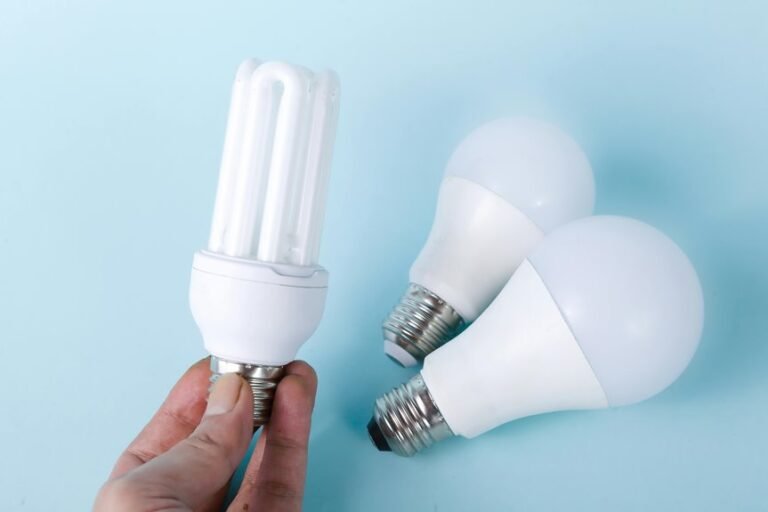
At the point you light a small room, bulb brightness matters just as much as the fixture itself, since too little light can make the space feel dull while too much can feel harsh and tiring. Start with smart lumens selection, so your room feels welcoming, not washed out. Then match the color temperature to how you want everyone to feel.
| Space | Lumens | Color |
|---|---|---|
| Bedroom | 800 to 1600 | 2700K |
| Home area | 1500 to 3000 | 2700K to 3000K |
| Desk corner | 1000 to 2000 | 3000K to 4000K |
| Hall nook | 500 to 1000 | 2700K |
| Vanity area | 1400 to 2500 | 3000K |
If your room has layered lighting, you can use softer bulbs in each source and still feel comfortably surrounded by light. That balance helps your space feel calm, connected, and truly yours.
Use Lamps With Slim, Open Bases
For a small room, lamps with slim, open bases can make a big difference without asking for more space.
They let your eye travel through the room, so everything feels lighter, calmer, and more welcoming.
When you want your space to feel like home, this detail helps you belong in it.
- Choose lamps with slim base elegance to keep tables and corners from looking crowded.
- Try an open pedestal style so light moves freely and the room feels less boxed in.
- Place these lamps where you gather, like beside a chair or sofa, to create a warm, shared feeling.
- Pair airy bases with light shades so you keep the look soft, easy, and connected.
Even one well-chosen lamp can make your room feel more open, friendly, and truly yours every day.
Install Dimmers for More Flexibility
Although small rooms need every inch to work hard, dimmers give you an easy way to change the mood and function of the space without adding one more fixture. You get flexible brightness settings for reading, relaxing, working, or welcoming friends, so your room always feels like it fits your life.
| Use | Light level | Benefit |
|---|---|---|
| Reading | Bright | Clear focus |
| Movie night | Low | Cozy comfort |
| Video calls | Medium | Balanced glow |
| Morning | Soft | Gentle start |
| Guests | Warm medium | Easy belonging |
When you pair dimmers with layered lighting, every lamp works smarter. Recessed lights, sconces, and pendants all feel more useful with dimmer scene control. That means you can shift the room’s energy fast, save power, and make everyone, including you, feel at home.
Frequently Asked Questions
How Many Recessed Lights Does a Small Room Usually Need?
A small room typically needs four to six recessed lights, based on the room’s dimensions, ceiling layout, and the amount of light you want. Even spacing helps distribute light across the room and reduces shadowy areas near the walls and corners.
Are Track Lights Better Than Recessed Lights for Renters?
In most rentals, track lighting works better because it lets you direct light where you need it and change the setup without major installation. Unlike recessed lights, it does not require cutting into the ceiling, so it is a practical way to add style and make the space feel more like your own.
Can Pendant Lights Work in Rooms With Low Ceilings?
Yes, pendant lights can work in low ceiling rooms if you focus on proper clearance and choose fixtures with compact, well balanced proportions. Slim, close to ceiling styles help maintain an open feel while keeping the space comfortable and inviting.
Where Should Wall Sconces Be Placed for Best Effect?
Mount wall sconces beside mirrors, artwork, beds, or entryways to create even light and define key features. Position each fixture close to eye level, and place pairs around focal points to give the room a unified, comfortable look.
What Paint Finishes Reflect the Most Light in Small Rooms?
Glossy paint reflects the highest amount of light, while satin also helps brighten a small room. For a warmer, more spacious feel, use pale shades that bounce light around and reduce visual heaviness.