

A reliable torch battery is one of those things most folks don’t think about until they’re standing in the dark reaching for a light that won’t turn on. I’ve put together this shortlist for homeowners, outdoor types, and emergency planners looking to stock up on power sources that actually deliver when it counts. These five picks cover different needs, from job-site workhorses to bulk battery packs.
A Snapshot Of The Selections

DEWALT 20V MAX LED Work Light/Flashlight (DCL040)

Streamlight 90545 Survivor 175-Lumen Right-Angle Flashlight

NINMAX CR123A 3V Lithium Battery 6 Pack
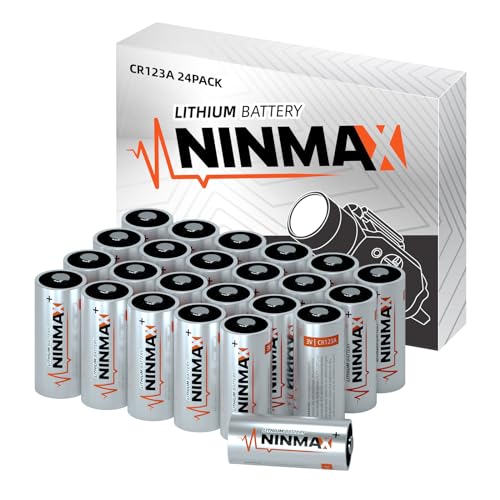
NINMAX CR123A 3V Lithium Battery 24 Pack

Pocketman Zoomable LED Torch 4 Colours
Meet The Standout Selections
The DEWALT DCL040 is the kind of flashlight that earns a permanent spot in a tool bag. It runs on the same 20V MAX battery platform that powers most DEWALT cordless tools, which means anyone already invested in that ecosystem can swap packs without thinking. The unit delivers 110 lumens (a measure of total visible light output) through an efficient LED, and the head rotates 120 degrees so you can angle the beam exactly where work is happening.
An integrated hook lets it hang inside a crawl space or from a rafter beam, freeing both hands for the actual task. Compared to the Streamlight Survivor reviewed below, this DEWALT trades extreme hazard certifications for everyday versatility at a more comfortable price point for most homeowners.
Practical Pluses
- LED efficiency extends runtime compared to older Xenon bulbs (incandescent bulbs that run hot and drain batteries fast)
- Low heat output makes it comfortable to handle during long shifts
- Rotating head and hanging hook let you position light without propping the body
- Battery and charger sold separately, but existing DEWALT owners skip that cost entirely
Honest Caveats
- Battery and charger are not included, so first-time DEWALT buyers face extra cost
- 110 lumens is modest for users needing long-throw illumination outdoors
- No IP (Ingress Protection) water-resistance rating listed, so wet-weather jobs demand caution
Feature Snapshot
Built With In Mind
Contractors, weekend remodelers, and homeowners with a garage workshop who already own DEWALT 20V tools.
Look Elsewhere When
Users working around flammable vapors should reach for the Streamlight 90545 Survivor reviewed below, which carries hazardous-location certifications.
The Streamlight Survivor is built for environments where ordinary flashlights become liability. It’s Class I, Div 1 rated (a safety certification meaning it’s safe for use around flammable gases or vapors under normal conditions) for intrinsically safe operation, which is why firefighters, refinery workers, and hazmat crews reach for it. The right-angle body shape clips onto turnout gear or a belt and points light forward without requiring a grip adjustment.
Push-button operation works even through thick gloves, a small detail that becomes enormous during a real emergency. Where the DEWALT above trades absolute durability for household practicality, this Streamlight leans fully into industrial-grade construction.
Real Benefits
- 175-lumen high mode reaches 405 meters, useful for search and area scan work
- Durable nylon housing survives drops from 2 meters per Streamlight’s testing
- IPX4 water-resistance rating handles rain and splashes without issue
- 13-hour runtime on low mode covers an extended shift
Worth Noting
- Carries a higher upfront cost than general-purpose flashlights
- Right-angle design feels awkward for casual home use
- Proprietary battery system means you depend on Streamlight’s charging base
Whose Shelf It Belongs On
Firefighters, industrial safety officers, and emergency response teams needing certified gear for hazardous locations.
Swap It Out When
Casual homeowners and weekend hikers will find the Pocketman Zoomable LED Torch further down this list easier to live with day-to-day.
Sometimes the best torch battery isn’t a torch at all. CR123A lithium cells (a common 3V button-style battery used in high-output flashlights and home sensors) power everything from tactical flashlights to motion sensors and home security cameras. The NINMAX 6-pack delivers 1700mAh of capacity per cell, rated to support high-intensity flashlights pushing past 1000 lumens without voltage sag.
Homeowners running a network of wireless sensors and high-output EDC (everyday carry) lights will find this six-pack hits a practical middle ground. The 24-pack reviewed later covers long-term stocking at better per-unit value.
What Works In Its Favor
- 1700mAh capacity supports sustained high-drain output for tactical and security devices
- Lithium chemistry holds charge longer on the shelf than alkaline alternatives
- Six-cell count covers a typical household’s worth of sensors and lights
Things To Consider
- Non-rechargeable cells mean ongoing replacement cost in heavy-use households
- CR123A is device-specific, so confirm compatibility before buying in bulk
Feature Rundown
Best Suited To
Homeowners with a handful of CR123A-powered devices who want a tidy backup supply without committing to a large case.
Consider Something Else When
Frequent torch users should consider the NINMAX 24-pack reviewed next, which drops the per-cell cost noticeably.
The 24-pack version of the NINMAX CR123A delivers the same 1700mAh cells as the smaller pack, just in bulk for shoppers who know they’ll burn through them. Anyone running multiple high-intensity flashlights, a fleet of home security sensors, or prepping an emergency kit will appreciate having extras on hand rather than scrambling during an outage.
Compared to the 6-pack above, this format trades convenience for per-cell value. Storage needs are minimal since each cell is roughly the size of a small finger.
The Practical Payoff
- Bulk packaging reduces the per-cell cost meaningfully for heavy users
- Same 1700mAh capacity matches the smaller NINMAX pack cell-for-cell
- Long shelf life suits emergency caches and preparedness kits
- Covers multiple households, vehicles, or a property’s full sensor array
Points To Keep In Mind
- Non-rechargeable, so depleted cells add to recurring household waste
- Overbuying makes sense only when devices genuinely use CR123A chemistry
Made For
Emergency preppers, security-conscious homeowners with many wireless devices, and small workshops running CR123A gear.
Reach For A Different Pick When
Casual users with only one or two CR123A devices will find the 6-pack above less wasteful for their actual demand.
The Pocketman Zoomable LED Torch stands out for a feature most competitors ignore entirely: color choice. It ships with red, green, blue, and white LEDs in a single housing, which opens up genuine use cases beyond ordinary illumination. Red and green preserve night vision and won’t spook wildlife during a hunt or hike. Blue cuts through glare on the water for night fishing.
USB rechargeability eliminates ongoing battery purchases, and the adjustable focus lets you switch between floodlight and spotlight with a twist. Unlike the industrial Streamlight reviewed earlier, this Pocketman trades professional certifications for outdoor recreation versatility.
The Value In It
- Four color modes cover hunting, astronomy, navigation, and night fishing
- USB charging removes the cost and hassle of disposable cells
- Zoomable focus adjusts from wide flood to narrow beam for different tasks
- Multifunctional design suits campers, stargazers, and amateur astronomers
Small Caveats
- Built-in rechargeable battery eventually degrades and can’t be swapped in the field
- Color LEDs are lower output than the white mode, so bright throw requires white
Right Fit For
Campers, amateur astronomers, night fishers, and wildlife observers wanting specialized lighting modes in one tool.
A Better Fit Elsewhere
Job-site workers needing task lighting should consider the DEWALT DCL040 above, which integrates with cordless tool batteries.
Picking The Right Torch Battery For Your Setup
Choosing a torch battery comes down to how and where you actually plan to use the light. Start with the form factor. CR123A lithium cells like the NINMAX packs make sense when you’re powering compact high-output flashlights or wireless home sensors that demand stable voltage. Rechargeable lithium-ion packs built into a flashlight body, like the Pocketman reviewed above, remove ongoing battery costs but lock you into USB charging access.
For job sites and workshops, platform compatibility matters most. Anyone already running DEWALT 20V tools gets meaningful value from the DCL040 because the batteries are interchangeable. For hazardous environments with flammable vapors, intrinsically safe certifications on the Streamlight Survivor aren’t optional, they’re mandatory for compliance and personal protection.
Runtime claims deserve scrutiny too. A high-lumen mode that runs three hours means something different to a homeowner checking a fuse box than to a firefighter working an eight-hour shift. Match the runtime rating to the actual demand you expect, not the marketing ceiling. Finally, consider storage. Lithium cells generally hold charge longer than alkaline on a shelf, which matters for emergency kits that sit untouched for months at a time.
Key Considerations Across These Picks
Pitfalls Shoppers Hit
One common mistake is buying CR123A cells for devices that actually run on AA or 18650 lithium-ion formats. The labels look similar on a shelf but the voltage and dimensions don’t interchange. Another trap is assuming any “water-resistant” flashlight handles submersion, when most are splash-rated only. Read the IP rating carefully before trusting a light near water.
What Separates Premium From Basic
Higher-tier options in this category typically spend the extra money on certifications, impact-tested housings, and longer runtime ratings rather than raw brightness. The Streamlight Survivor’s Class I Div 1 rating represents real engineering investment. Spending up makes sense for anyone who’ll rely on the light professionally or in genuinely dangerous conditions. Casual users see diminishing returns past a solid mid-tier pick.