

Lighting shapes how a home actually feels, and the right spotlight pulls focus exactly where I want it, whether I’m aiming at a hallway painting, a kitchen herb shelf, or a reading nook. I spend a lot of time thinking about beam spread and color quality because cheap fixtures make warm wood look sickly and art look flat. The four picks below lean toward adjustable, dimmable designs with high color rendering so colors stay honest and the mood stays in my control.
The Essentials At A Glance

Opulux 12W LED Dimmable Zoomable Ceiling Spotlight

Opulux LED Zoomable Dimmable Directional Fixture
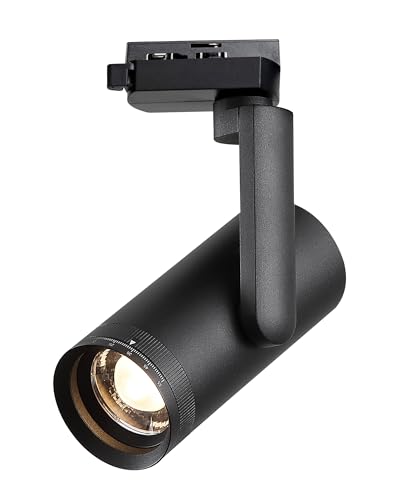
Opulux LED 12W Dimmable Track Lighting Heads
Opulux Solid Copper Gold Dimmable Spotlight 9W
More On The Choices That Made The List
Hardwired ceiling spots work best when they disappear into the room and let the art breathe, and this Opulux 12W model leans into that idea. The 3000K warm white output pairs with a CRI (Color Rendering Index, a score that measures how accurately a light shows true colors, on a 0–100 scale) of 97, which means skin tones and wood grains read naturally rather than washed out. I find the zoomable beam especially useful in long corridors, where a tight 10° beam can pick out a single frame and a wider 55° spread can wash a whole wall.
For a home with mixed artwork, plants, and family photos, this is a flexible starting point. Compared to the directional fixture below, it offers the same zoom range in a more traditional ceiling-mount shape.
The Value In It
- CRI 97 keeps reds, browns, and skin tones looking lifelike in living spaces
- Zoomable 10°–55° beam lets one fixture handle both a small frame and a wide wall display
- Stepless dimming from 10% to 100% works with common Triac dimmers (standard wall dimmer switches) for movie-night mood
- Flicker-free output reduces eye strain during long reading sessions
- White housing blends with most ceiling paint colors for a low-profile install
Things To Consider
- Hardwired installation means planning the wiring route before drywall goes up, or hiring an electrician for retrofits
- 12W output may feel modest in very high ceilings where throw distance stretches the beam thin
Who It Suits Best
Homeowners who want a single, paintable spotlight to highlight art, plants, or hallway features without rewiring the whole room.
Consider Something Else When
Shoppers decorating a long wall of shifting focal points will get more flexibility from the Opulux LED 12W Dimmable Track Lighting Heads, which can swing between targets without remounting.
Directional ceiling fixtures have a quiet architectural feel, and this Opulux model treats the spotlight more like a piece of hardware than a generic bulb holder. The 10°–55° zoomable beam is identical in range to the first pick, but the body reads as a slim, modern cylinder. For a minimal Scandinavian or Japandi-style interior, that visual restraint matters as much as the lighting itself.
The Triac-compatible dimming slots into the same wall dimmer setups common in renovated homes. Where the first pick is a strong generalist, this one leans harder into a curated look.
Positive Takeaways
- Same 10°–55° zoom range as the 12W ceiling model, so you can tighten or widen the cone with a twist
- Triac dimmer compatibility keeps brightness smooth from a soft 10% glow up to full output
- Cylindrical silhouette suits modern galleries and minimalist hallways
Points To Note
- Directional head sits slightly proud of the ceiling, which may look bulky in shallow ceiling cavities
- Like most hardwired spots, the install benefits from a junction box already in place
Made For
Design-conscious renovators outfitting a hallway or reading corner who want a slim fixture that looks intentional even when switched off.
Not Your Match When
Anyone aiming for a warm, decorative finish in a traditional dining room will find the copper tone of the Opulux Solid Copper Gold 9W spotlight a better stylistic fit.
Key Specs
Track lighting earns its keep in rooms where the focal points keep moving, and this H-type track head is built for that. The 350° horizontal rotation and 90° vertical tilt let me swing the beam from a kitchen counter to a wall print without climbing a ladder. In an open-plan living space, that freedom removes the usual “pick a wall and live with it” compromise.
The 12W LED puts out around 1080 lumens, roughly the brightness of an older 65W halogen, so each head covers a real work area. The aviation-grade aluminum body and acrylic lens feel like a step up from the plastic track heads I have seen in starter apartments.
Where It Excels
- 350° rotation and 90° tilt cover nearly any angle from a single ceiling point
- 1080-lumen output handles both ambient room fill and task lighting over counters
- CRI ≥97 renders wood, food, and fabric colors close to natural daylight
- Aviation-grade aluminum housing manages heat well, which can extend LED life
- H-type track compatibility fits common existing track systems in many homes
Honest Caveats
- Requires a compatible H-type track rail, so first-time track users need to budget for the rail too
- The bright aluminum and acrylic look may feel too industrial for soft, traditional rooms
Best Suited To
Renters and homeowners with a flexible open layout who want one lighting system to follow their furniture changes.
Skip It When
Shoppers committed to a quiet, single-target look will find the 12W Opulux ceiling spotlight easier to live with on a hallway painting.
Feature Snapshot
Solid copper fixtures age into a soft patina over years, and this 9W Opulux spotlight is designed to lean into that warmth rather than fight it. The GU10 bulb format (a common twist-lock bulb base widely available in dimmable LEDs) means I can swap in a warmer or cooler bulb later without replacing the whole fitting. For a heritage home, a brass-and-velvet bedroom, or a styled reading corner, the finish does as much work as the light.
The 350° rotation and 90° tilt match the aiming range of the track head above, but in a fixed ceiling-mount form. Power lands at 9W, slightly lower than the 12W models, which suits cozy spaces where I do not want a flood of light.
Notable Upsides
- Solid copper body develops a natural patina, adding character over time
- Full 350° rotation and 90° tilt cover almost any aiming angle from the ceiling
- GU10 base makes bulb swaps simple, with many dimmable LED options on the market
- Stepless dimming from 10% to 100% with standard Triac dimmers
Worth Noting
- 9W output is gentler than the 12W models, so large rooms may need multiple fixtures for full coverage
- Copper tone will not blend with cool gray or ultra-modern interiors, and the patina shift may bother shoppers who prefer a consistent finish
Who Should Grab It
Styists and homeowners decorating a traditional or warm-tone interior who want a fixture that looks like jewelry even when the light is off.
Look Elsewhere When
Anyone running a multi-zone open plan will find the Opulux LED 12W Dimmable Track Lighting Heads a more practical backbone for shifting layouts.
What To Weigh Before Picking A Spotlight
A good spotlight balances beam control, color accuracy, and aiming flexibility against the room’s wiring reality. Beam angle drives how the light feels: a tight 10° cone reads as a focused accent, while a 55° spread flatters a wide wall or a tall plant. CRI matters most in rooms with art, food, or skin tones, since anything below 90 starts to push reds toward orange and whites toward yellow.
Aiming range decides how often the fixture will keep working as the room changes. Fixed heads suit stable layouts, while 350° rotation and 90° tilt suit evolving spaces. Dimming compatibility with standard Triac wall dimmers saves the cost of buying new switches, so confirm the dimmer type before adding fixtures.
Finally, the install type frames the whole project. Hardwired ceiling mounts look cleanest, but track systems let one ceiling point cover many targets. For a first-time install, I lean toward a fixture that works with the wiring already in the ceiling rather than opening up drywall.
Key Considerations Across These Picks
Where Shoppers Go Wrong
The most common slip is buying a fixture for its wattage alone, then finding the beam is too wide for the subject or too narrow for the wall. Beam angle and CRI quietly shape the result more than raw lumens do.
Another trap is ignoring dimmer compatibility. A spotlight that only dims smoothly with an ELV (Electronic Low Voltage) or 0–10V dimmer will flicker on a standard Triac wall switch, so check the dimmer type on the wall before adding fixtures.
The Upgrade Payoff
Higher-tier spotlights tend to buy you better color rendering, sturdier housing, and smoother dimming curves across the full range. The 12W aviation-grade track head and the copper fixture earn their place through materials and finish rather than raw power.
For most homes, a mid-tier CRI 95+ dimmable model covers the essentials, and stepping up makes the most sense in rooms where art, food, or a styled interior is the point.
Frequently Asked Questions
What CRI should I look for in a spotlight? For living spaces, art, and kitchens, a CRI of 90 or higher keeps colors looking natural, and the picks above reach 97 for especially faithful rendering.
Do I need a special dimmer for these spotlights? Most of these models are designed for standard Triac wall dimmers, but confirming the dimmer type before purchase prevents flicker and buzzing on low settings.
Can I install ceiling spotlights without rewiring? Hardwired ceiling mounts need a junction box and power feed, so most retrofits involve at least minor electrical work or a hired electrician.
How far should a spotlight sit from the subject? A small frame or sculpture reads well from 2 to 4 feet with a narrow beam, while a wide wall painting usually needs the fixture 4 to 8 feet back to spread the cone evenly.
Are track heads a good option for renters? Track lighting can be renter-friendly when the rail mounts into an existing ceiling box, but the rail itself often stays behind, so check the lease before drilling.