

Lighting is the first thing that separates an amateur clip from something that actually holds attention. The right kit flatters skin tones, kills harsh shadows, and lets a creator shoot almost anywhere without depending on window light. I’ve spent years watching creators wrestle with dim bulbs and uneven color, so I pulled together seven lighting kits that solve the most common frustrations: weak output, clunky controls, and color that just looks off on camera.
A Side-By-Side Look

GODOX Litemons LE200Bi Video Light Kit

Aputure Amaran 150c RGBWW COB Video Light

NiceVeedi 25W LED Video Light Kit

NEEWER Basics VL67B Phone Selfie Light

NiceVeedi 36W Bi-Color Studio Light Kit

NiceVeedi RGB Photography Lighting 40W
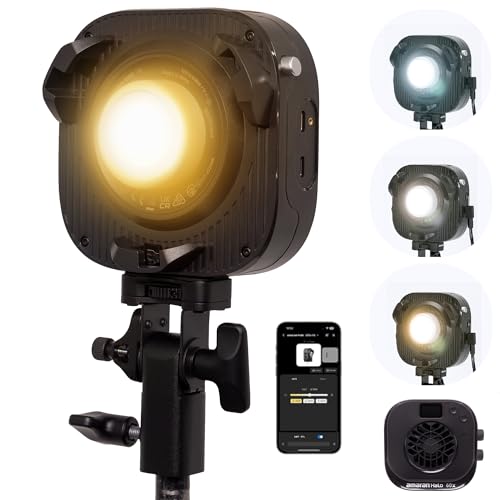
Amaran Halo 60X COB Video Light
For creators stepping up from phone clips to a real studio feel, the GODOX Litemons LE200Bi kit delivers the kind of punch that smaller panels simply can’t. Each COB (chip-on-board) head puts out 220W, and paired with the included softbox, the spread feels gentle on skin rather than laser-pointed. The bi-color range means I can dial warm interview tones in the evening without hauling in gels.
Compared to the pocket-friendly NEEWER Basics VL67B covered later, this kit is a different animal entirely: it’s meant for a fixed corner of a room, not a backpack. Creators running recurring livestreams or interview-format shows benefit most, since the included stands and softboxes are ready to mount and shoot the same day it arrives.
Key Advantages
- High 220W COB output per head handles large rooms and bounce setups without underexposing the subject
- Bi-color range lets you match tungsten room lights or shift toward golden hour without filters
- CRI/TLCI 98+ means skin tones stay accurate, which matters more than raw brightness for talking head videos
- Included softboxes and stands cut out the usual accessory-hunting that drags out setup
- Bluetooth control through the Godox app is genuinely useful when the light is mounted overhead
Things To Consider
- The heads run warm during long sessions, so leave clearance above softboxes for airflow
- Two COB bodies plus stands take up floor space, a real concern in small bedrooms turned studios
- DMX and CRMX features go unused unless you’re integrating into a larger broadcast workflow
Quick Facts
Who It Suits Best
Creators running dedicated studio space for interviews, podcasts on camera, or weekly livestreams who want broadcast-grade punch from day one.
Consider Something Else When
TikTok creators filming spontaneous clips on a desk would find the Aputure Amaran 150c easier to reposition between shoots.
The Amaran 150c is what I reach for when a shoot calls for color, not just brightness. The CCT (correlated color temperature) range spans 2,500K to 7,500K, and on top of that, full RGBWW control opens the entire color wheel, including gels I can’t buy in a bag. For music video creators or anyone staging moody scenes, this kind of palette matters.
Where the GODOX kit above is built for raw coverage, the 150c trades some wattage for finesse. It’s a single-head unit, so you’ll want to add a second or a reflector for interviews, but for accent lighting, product reels, or stylized portraits, the color accuracy and green-magenta shift dial are genuinely useful tools.
The Case For It
- Full HSI (hue, saturation, intensity) color control covers more than 90% of Rec.2020, the wide color space used in modern displays
- CRI/TLCI 95+ keeps skin tones believable even when pushing saturated gels
- Wide CCT range with green-magenta tuning solves the awkward match against mixed room lighting
- App control lets you save scenes for recurring setups, which speeds weekly shoots noticeably
Trade Offs
- 150W means you’ll want it closer to the subject or paired with a second unit for full-key setups
- Single-head package, so dual-light interviews require an extra purchase
Right Fit For
Creative filmmakers and color-savvy creators who want gel replacement and mood lighting in a single tool, especially for narrative shorts and music content.
Look Elsewhere When
Recurring two-person talking head shoots would be better served by the GODOX Litemons LE200Bi kit, which ships as a matched pair.
Not every creator needs a 220W beast. The NiceVeedi 25W kit is the honest starting point: a pair of panels, a pair of stands, and enough output to light a face at arm’s length for a YouTube video or a Zoom call that doesn’t look like a hostage situation. The three preset color temperatures (warm, neutral, cool) cover most scenarios without overcomplicating things.
This sits well below the GODOX kit in raw power, but for a small bedroom studio the difference mostly shows up as less heat and a smaller electric bill. Beginners who are still figuring out their framing and style benefit from a kit that doesn’t punish experimentation.
Real-World Strengths
- CRI 97+ keeps faces from looking gray or waxy on webcam, which is the most common complaint from new creators
- 352 LED beads per panel spread light evenly and reduce the harsh hotspot effect cheap panels tend to show
- 73-inch stands reach high enough for overhead hair light angles in tight rooms
- 10 to 100% dimming via the in-line remote avoids running back and forth mid-take
Minor Gripes
- 25W per panel won’t fill a large room, so window-light bleed can still wash out your exposure
- Plastic-y build means treating the stands gently during transport
Feature Snapshot
Made For
First-time creators building a bedroom studio who want a forgiving kit that grows with them before they upgrade to a heavier COB setup.
Skip It When
You regularly shoot in a room with high ceilings or strong daylight spill; in that case, the NiceVeedi 36W kit below gives a meaningful output bump.
Phone-first creators don’t always want a stand-based rig. The NEEWER Basics VL67B clips onto a phone or tablet and runs on internal power, which is the kind of freedom that makes handheld vlogging and travel clips actually possible. The 5W output is modest, but at arm’s length on a selfie, it punches well above its weight.
It is in a completely different category from the GODOX kit earlier, and that’s the point. Where the COB lights dominate a room, this panel slips into a jacket pocket. Creators who shoot on the go, run mobile reels, or do a lot of handheld product reviews will appreciate not hauling stands around.
Positive Takeaways
- 80 LEDs (40 warm, 40 white) blend cleanly so skin doesn’t pick up an artificial tint
- App control adjusts brightness and color temperature without tapping the tiny panel buttons
- Clip mount fits phones and tablets without blocking the camera lens
- CRI 97+ is genuinely impressive for a panel this small, a real win for accurate selfies
Room For Improvement
- 520 lux max at half a meter drops off fast past arm’s length, so this is not a room light
- No cold shoe or stand thread on some batches, so check the listing if you want to mount it on a tripod
Perfect Match For
Mobile-first creators filming handheld reels, travel clips, and on-location product reviews who need fill light that fits in a pocket.
Reach For A Different Pick When
Studio-based YouTubers will find the NiceVeedi 25W kit more useful for the classic seated-talking-head framing.
The 36W NiceVeedi pair hits the sweet spot for many creators who have outgrown the entry level. CRI 95+ bi-color output, smooth 1% brightness increments, and stands tall enough for overhead key angles make this the kind of kit you can shoot a weekly show with for years without feeling limited.
It’s noticeably brighter than the 25W kit earlier, and the gear-step color temperature adjustment (1900K clicks) is a small but useful detail for matching mixed room lighting without scrolling through endless menus. YouTubers who film in bedrooms with imperfect ambient light benefit most from this thoughtful tuning.
The Helpful Details
- CRI 95+ across the full 2700K to 6500K range means you don’t lose color fidelity when warming up the scene
- 1% brightness steps let you match exposure to a specific camera ISO without flicker
- 72-inch stands reach high enough for clean two-point lighting in standard 8-foot ceilings
- Remote control handles both panels at once, which speeds setup changes between segments
Honest Caveats
- Two-panel setup still won’t overpower strong daylight through a north-facing window
- Plastic housing around the panel edges can feel lightweight compared to metal-bodied COB lights
Key Attributes
Best Suited To
YouTube creators running weekly talking-head shows who want a balanced kit that won’t feel outdated after their first upgrade cycle.
Not Your Match When
Color-driven creators building moody scenes should jump to the Aputure Amaran 150c for full RGB flexibility.
Streamers and TikTok creators who like a bit of visual chaos will appreciate this kit. The 20 built-in effects range from lightning storms to police flashes, and the 360° RGB color wheel covers any hue you can name. The 40W output is meaningful, especially when you push saturated colors that typically cost brightness on lesser panels.
Where the Amaran 150c is a single precision instrument, this kit is a pair of creative tools. I find it works best as accent lighting: throw one panel behind a subject as a rim, use the other as a colorful fill. The included remote and on-panel display make tweaking colors without diving into an app genuinely fast.
A Few Highlights
- 20 lighting effects give instant atmosphere for gaming streams, music reaction videos, and themed shorts
- 540 LEDs per panel keep colors consistent across the surface, no visible banding
- Bi-color 2700K to 6500K plus full RGB means you rarely need a second light for warmth or tinting
- 0 to 100% brightness control smooths transitions between presets mid-stream
Points To Note
- Effects are fun but gimmicks for serious documentary or interview work, so consider use case before buying
- Two panels plus stands still require storage space, more than a single COB head would
Who Should Grab It
Streamers and short-form creators who want built-in mood effects without programming them manually, and who shoot frequently with colored backlights.
A Better Fit Elsewhere
Filmmakers chasing natural-looking interview footage should choose the NiceVeedi 36W Bi-Color pair for cleaner output.
The Halo 60X is a compact workhorse for creators building a modular setup. The Bowens mount (the standard reflector and modifier attachment used across most studio lighting) opens the door to softboxes, reflectors, and snoots from countless third-party makers, so you aren’t locked into one brand’s modifier ecosystem. The 60W output is the kind of power I can use through a four-foot softbox without underexposing.
Compared to the larger Aputure Amaran 150c earlier, this is the smaller, friendlier sibling. You give up some wattage, but the slimmer body makes it easier to position in tight home studios. Creators who plan to grow their modifier collection over time get the most from the Bowens mount here.
Good Reasons To Consider
- Bowens mount compatibility means you can swap in any standard modifier as your kit evolves
- Bi-color 2700K to 6500K range keeps skin tones believable across the warmth spectrum
- CRI 96+ and TLCI 97+ deliver accurate color, important for product reviews and beauty content
- DC adapter plus optional battery power gives location flexibility that fixed studio lights lack
Small Caveats
- Single head means most creators will want a second unit for proper interview key and fill
- Cooling fan is audible in quiet rooms, worth noting for ASMR or podcast-style video
Spec Overview
Whose Shelf It Belongs On
Creators assembling a flexible studio piece by piece who want a head that grows with their modifier collection rather than locking them in.
Swap It Out When
Plug-and-play livestreamers who want a fully bundled kit should choose the GODOX Litemons LE200Bi instead.
What Matters Most Before Choosing Lightings For Content Creators
Start with your shooting space. A bedroom studio with white walls and a single window has different needs than a warehouse loft, and the right kit depends more on that than on brand loyalty. Match output to room size first, then worry about color features.
CRI and TLCI ratings (Color Rendering Index and Television Lighting Consistency Index, both measuring how accurately a light reveals colors compared to natural daylight) above 95 matter more than most buyers realize. A cheap panel with low CRI will leave skin looking gray or waxy on camera even when the brightness looks fine to your eyes. Prioritize accuracy, and you’ll spend less time color-correcting in post.
Think about modifiers before buying the head. Bowens mount compatibility (a universal attachment standard for studio lights and modifiers) unlocks softboxes, beauty dishes, and snoots from many brands. Fixed-mount panels limit you to whatever ships in the box. Creators planning to grow their setup over years benefit from sticking with open standards.
Power And Color Range
Wattage numbers mean little without context. A 25W panel at one foot from a face looks different from a 25W panel across a room. Estimate distance from your subject, then choose output accordingly. Bi-color range (the span of warm-to-cool color temperatures a light can produce) of at least 2700K to 6500K covers nearly every practical scenario, from candle-lit interviews to bright daylight matching.
Control Options
App control, DMX, and on-board remotes each serve different creators. Solo creators benefit most from app control that lets them tweak settings between takes. Multi-camera livestreams benefit from DMX, a digital lighting control protocol that lets a board or software command many lights at once. Match the control style to your workflow, not to the spec sheet.
Key Considerations Across These Picks
Common Shopping Slip Ups
The biggest mistake is buying for wattage alone. A 200W panel that overwhelms a small room with heat is worse than a 40W panel placed correctly. Match output to your space, and resist the temptation to over-spec a kit for a setup that doesn’t need it.
The second trap is ignoring CRI. Many budget panels ship with CRI ratings in the low 80s, which sounds fine until you notice the magenta cast on every face. Stick with CRI 95 or higher for any kit that films people.
What Separates Premium From Basic
Premium tiers earn their cost through accuracy, build, and ecosystem. Better color rendering, Bowens mounts, and brand-specific app control are the kinds of features that pay off over years, not weeks. For creators who shoot daily or run a business around their content, premium tiers stop feeling like splurges fast.
Frequently Asked Questions
How many lights do I need to start a YouTube channel?
Most creators start with a single key light and add a fill later. A two-panel kit like the NiceVeedi 36W pair handles the classic talking-head setup out of the box, but a single COB head from the Aputure Amaran line works for solo creators willing to position carefully.
What CRI rating should I look for in a content creator light?
Aim for CRI 95 or higher. Anything below 90 tends to leave skin tones looking dull or off-color on camera, and you’ll spend extra time correcting in editing software.
Do I need RGB lighting for vlogging?
Not for traditional talking-head content. RGB matters most for creators who use colored backlights, themed videos, or stylized B-roll. Skip RGB if your shoots stay interview-focused.
Can phone clip-on lights replace a studio kit?
For casual phone-only content, yes. The NEEWER Basics VL67B works well for selfies and travel clips. For anything filmed on a mirrorless or DSLR camera, a proper studio panel delivers far cleaner results.
How important is a Bowens mount for beginners?
Not critical at first. Beginners benefit more from a bundled kit with included softboxes and stands. Bowens mount becomes valuable once you start buying third-party modifiers, usually a year or two into the hobby.
Final Verdict
The right kit depends on where and how you shoot, not on chasing the highest wattage. Solo creators in small rooms thrive with a simple two-panel bi-color pair, while studio builders benefit from the GODOX Litemons kit or a Bowens-mount COB head. Start with what fits your space today, and let your next upgrade follow the gaps you actually feel during a shoot.