

Long days at a screen pull their weight on your eyes, and the overhead ceiling fixture in most rooms just doesn’t cut it for focused tasks. I’ve put together seven options that actually help with glare, screen fatigue, and uneven illumination, whether you’re chasing better video calls or simply want a calmer workspace at home.
The Picks In Brief

LitONES Desk Lamp for Home Office, Tall Computer Ring Light CRI 97.8

LitONES 2 Packs Desk Lamp for Home Office Zoom Calls (Black)

LitONES Eye-Care Desk Light for Video Calls (White)

BenQ ScreenBar Pro LED Monitor Light Bar (Black)
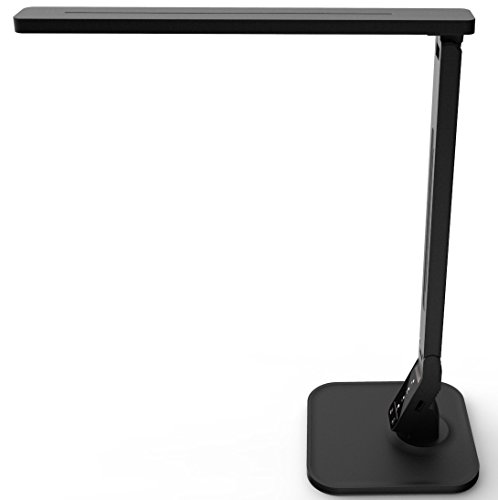
Lampat Dimmable LED Desk Lamp with USB Port (Piano Black)

2 Packs Video Conference Lighting for Zoom, Webcam, Computer

karidi LED Desk Lamp Dimmable with USB Port, 13.3″ (White)
Why These Options Stand Out
The LitONES Desk Lamp earns its spot as my first pick because it pulls double duty without trying too hard. The adjustable head pivots from a tall, traditional desk-lamp posture down into a ring-light position aimed at your face, which is the kind of flexibility that matters when your work shifts between writing emails and joining calls.
The advertised CRI (Color Rendering Index, basically how accurately a light reveals true colors) of 97.8 puts it in the same neighborhood as professional photography gear, so skin tones on video look natural rather than washed out. Compared with a single-mode desk lamp, this one adapts to your day instead of locking you into one look.
Strengths Worth Knowing
- Two-in-one form factor means fewer accessories crowding the desk.
- High CRI rating helps video calls look more lifelike.
- Adjustable head angle fits both overhead task lighting and frontal camera lighting.
- Tall stand keeps the light source above laptop-screen level, reducing screen glare.
Things To Consider
- Tall form factor needs decent desk depth, so compact setups may feel cramped.
- Owners commonly report that dual-function designs require occasional repositioning throughout the day.
Feature Snapshot
Who It Suits Best
Remote workers and content creators who alternate between focused desk tasks and frequent video calls will get the most out of this hybrid design.
Swap It Out When
Anyone needing only a slim monitor-top bar with no desk footprint should consider the BenQ ScreenBar Pro instead.
Two lamps in one box is a quietly clever play for anyone running a shared workspace or hopping between desks. The LitONES 2 Packs Desk Lamp ships matching black units, which keeps the visual language consistent if you care about a tidy home office look on camera.
Each lamp shares the same tall ring-light head concept as the standalone LitONES pick above, so it carries the same adjustability into two locations. For a household where one person works upstairs and another works at the kitchen table, this sidesteps the “who gets the lamp” argument before it starts.
What Makes Sense
- Bundle format covers two workspaces for the price of outfitting them separately.
- Matching black finish keeps shared rooms visually unified.
- Same adjustable ring-light head concept as the single-unit version.
- Practical for households with multiple remote workers or students.
Worth Noting
- Two tall stands demand meaningful desk real estate per room.
- Single-room shoppers may find the second lamp goes unused.
Made For
Couples, roommates, or parents working alongside kids who each need a dedicated desk lamp without buying two separate products.
Consider Something Else When
A solo remote worker who only needs one lamp should look at the LitONES Eye-Care Desk Light and skip the bundle format.
The white-finish sibling in the LitONES line leans further into the eye-comfort angle, which matters when you’re staring at spreadsheets and Slack for eight straight hours. The same adjustable ring-light head is here, just dressed in a brighter casing that disappears better against light-colored walls.
Where the black version feels at home in moodier setups, this one suits a Scandinavian-style desk or a bright rental where dark hardware would feel heavy. The eye-care framing is the real pitch: reduced flicker and softer diffusion matter more than people realize until they stop hurting at 4 p.m.
Everyday Advantages
- Eye-care focus targets long-screen-day fatigue.
- White finish blends into bright, minimalist interiors.
- Adjustable head moves between task lighting and camera lighting.
- Soft diffusion prevents harsh shadows on video calls.
Trade Offs
- White housing shows dust more readily, so quick wipe-downs become routine.
- Higher tier in the LitONES range, which may stretch smaller budgets.
Quick Facts
Best Suited To
Anyone logging heavy screen hours who wants softer, eye-friendly light and a clean white aesthetic in a home office.
Look Elsewhere When
People who need monitor-top lighting with zero desk footprint should turn to the BenQ ScreenBar Pro LED Monitor Light Bar instead.
The BenQ ScreenBar Pro takes a fundamentally different approach from every ring-light option on this list. It clamps to the top of your monitor and casts light down onto the desk without ever competing with the screen itself, which solves the screen-glare problem rather than working around it.
The motion sensor is the small touch that ends up mattering more than expected: you wave a hand and the bar wakes up, so fumbling for a button in the dark stops being a thing. Adjustable brightness and color temperature cover the spectrum from cool daylight focus to warm evening wind-down, and the unit fits ultrawide and curved monitors within its compatibility range.
Where It Excels
- Zero desk footprint since the bar sits on the monitor.
- Asymmetric optical design lights the desk, not the screen.
- Motion sensor eliminates reaching for switches in dim rooms.
- Tunable color temperature covers day-to-night work sessions.
Honest Caveats
- USB-C powered, so it ties up a port or needs an outlet nearby.
- Patented clamp limits compatibility with very thin bezels or unusual monitor backs.
- No frontal fill light for video calls, unlike the LitONES picks.
Technical Highlights
Who Should Grab It
Programmers, traders, and designers working at deep desks or with ultrawide monitors who want clean task lighting without sacrificing screen real estate.
A Better Fit Elsewhere
Remote workers whose priority is looking good on camera should pick the LitONES Desk Lamp instead, since it provides frontal fill for video calls.
The Lampat is the most traditional desk lamp in this lineup, and that’s not an insult. If you came here looking for a workhorse that sits on your desk, lights your keyboard, charges your phone, and stays out of the way, this is a sensible old-school choice.
Four preset lighting modes (Reading, Studying, Relaxation, Bedtime) take the guesswork out of color temperature, while five brightness levels let you fine-tune without thinking about it. The built-in USB charging port is the small detail that quietly solves a real annoyance: your phone stays in reach, not buried under a cable on the floor.
The Practical Payoff
- Touch-sensitive panel wipes clean and resists sticky buttons.
- Preset modes remove color-temperature decision fatigue.
- Integrated 5V/1A USB port charges phones at the desk.
- Auto-off timer helps avoid leaving the lamp on overnight.
- Glossy piano-black finish matches typical monitor and laptop hardware.
Room For Improvement
- Glossy finish picks up fingerprints and needs occasional wiping.
- No dedicated ring-light or frontal fill for video calls.
- USB port outputs only 1A, which is slow for modern phones.
Feature Overview
The Right Fit
Students, writers, and home-office workers who want a reliable classic desk lamp with presets and a charging port, and who don’t need camera lighting.
Reach For A Different Pick When
Anyone whose primary need is looking polished on Zoom should consider the LitONES Eye-Care Desk Light for its frontal ring-light option.
This is the most focused pick on the list. The LitONES Video Conference Lighting kit is built specifically for people who spend most of their screen time on camera, not behind a spreadsheet. Two panels in one box means you can light from both sides for that polished, even glow that flatters everyone.
Side-emitting LED technology keeps the source from blasting directly into your eyes, which is the trap most clip-on lights fall into. Instead the light diffuses outward, so you look lit without feeling blinded. If you’ve ever ended a long call with sore, squinty eyes, the design intent here addresses that exact problem.
Well-Handled Touches
- Side-emitting design reduces glare for the person sitting in front of it.
- Two-panel setup enables balanced left-and-right facial lighting.
- Soft, natural output flatters skin tones on video.
- Compact form clips to monitors or laptop lids.
Points To Note
- Doesn’t light the broader desk, so it’s not a task-lighting replacement.
- Pairing it with a separate desk lamp may be necessary for full workspace coverage.
Built With In Mind
Remote workers, teachers, podcasters, and streamers who care more about how they appear on camera than how their keyboard looks.
Another Choice May Suit
People who want both task lighting and a camera-friendly glow in a single unit should look at the LitONES Desk Lamp with the CRI 97.8 rating.
The karidi LED Desk Lamp closes out the list as the budget-conscious pick that still pulls its weight. Five lighting modes and five brightness levels mean more combinations than most people will ever need, and the foldable arm lets the lamp collapse flat for storage in a drawer.
The 13.3-inch standard size hits a sweet spot for dorm desks, kid’s homework stations, or anyone working from a kitchen table that has to disappear at dinnertime. The integrated USB port is a small but welcome addition for keeping a phone within arm’s reach during long work blocks.
What Works In Its Favor
- Foldable arm makes the lamp easy to stow between uses.
- Five modes and five brightness levels offer fine control.
- USB charging port handles cable-tidy phone top-ups.
- Compact footprint fits tight desks and shared tables.
Some Limits To Know
- Plastic construction feels lighter and less premium than metal-bodied rivals.
- Smaller light spread may leave wider desks partially shadowed.
- No built-in ring-light or frontal fill for video calls.
Feature Rundown
Whose Shelf It Belongs On
Students, renters, and casual home-office users who want flexible lighting without a premium price tag, and who value portability over heavy-duty metal construction.
Where A Sibling Pick Shines
Anyone needing better build quality and dedicated camera lighting should consider the LitONES Eye-Care Desk Light instead.
What Matters Most Before Choosing Lightings For Computer Work
Match the Lamp to the Task, Not the Other Way Around
The honest truth is that no single lamp does everything well, so the first question is what your desk actually demands. Someone living in spreadsheets and code wants task lighting that throws even illumination across the keyboard without bouncing off the screen, which is exactly the case the BenQ ScreenBar Pro was built for. A teacher recording lessons or a salesperson on five Zooms a day needs softer, frontal fill light that flatters skin, and that points toward the LitONES ring-light designs. Picking the right shape of light matters more than chasing raw brightness specs.
Understand Brightness, Color Temperature, and CRI
Three numbers actually drive comfort at the desk: lumens (raw light output), Kelvin or color temperature (warm yellow to cool blue), and CRI (how accurately colors appear). For most home offices, somewhere in the 3000K to 5000K range hits the sweet spot, with warmer tones for evenings and cooler tones for focused daytime work. CRI above 90 starts to matter once you join video calls regularly, since lower values make skin look sallow or artificially orange.
Think About Footprint and Cable Management
A lamp that takes up half your desk is a lamp you’ll resent by week three. Monitor-top designs reclaim the entire desk surface, while compact foldable arms vanish into a drawer when not in use. USB-powered options pull a single cable, while AC-powered lamps free up ports but add a wall plug to the cable tangle behind the desk.
Plan for Long Sessions, Not Just Day One
Eye fatigue is cumulative, so the lamp you forget about by week two is the lamp doing the real work. Features like flicker-free LED panels, eye-care diffusion, and adjustable color temperature pay off the most when you realize you finished an eight-hour day without the usual 4 p.m. headache. For most people, that small upgrade is worth more than an extra lighting mode they’ll never touch.
Key Considerations Across These Picks
Common Shopping Slip Ups
A frequent mistake is buying the brightest lamp available and then realizing it bounces straight off a glossy monitor, doubling eye strain. Another is choosing a desk lamp with no adjustable color temperature, which locks you into one harsh tone whether you’re working at noon or winding down at night. Glare control and warm/cool adjustment matter more than raw output for most computer desks.
Where The Extra Money Goes
Higher-tier models in this category usually spend the budget on better LEDs with higher CRI ratings, more stable drivers that reduce flicker, and sturdier materials like metal arms instead of plastic. Those upgrades show up over months of daily use rather than on day one, which is why they tend to be worth it for anyone logging serious screen hours and less crucial for casual users.
Frequently Asked Questions
What color temperature is best for a computer desk?
Around 4000K tends to land the best balance for daytime focus, with warmer 2700K to 3000K tones reserved for evening sessions. Cool daylight above 5000K is great for short bursts of intense focus but can feel harsh over long stretches.
Do monitor light bars actually reduce eye strain?
Yes, mostly because they light the desk without shining light into the screen, which cuts down on the constant pupil adjustment your eyes make when the screen and surrounding workspace are at very different brightness levels. The BenQ ScreenBar Pro is the clearest example of this approach.
How many lumens do I need for a home office?
Roughly 400 to 800 lumens at the desk surface covers most tasks, depending on how much ambient light the room already has. A dimmer corner benefits from the higher end, while a sunny home office can stay comfortable in the lower range.
Are ring lights good for everyday computer work, not just calls?
They can be, though they shine from the front rather than from above, which changes how shadows fall on your keyboard. For desk-heavy tasks like writing, an overhead lamp is more practical, while ring lights win for camera-facing work.
Is a USB-powered lamp enough, or do I need a wall plug?
USB is fine for small LEDs with modest output, especially if you’re running a single panel or bar. Larger, multi-mode lamps with higher brightness typically need AC power to drive the full panel without dimming.
Bottom Line
The best lamp for your computer work is the one that matches how you actually spend your screen time, whether that’s heads-down typing or back-to-back video calls. Browse the picks above, weigh the trade-offs honestly, and lean into the design that fits your desk and your day rather than chasing every feature at once.