

I wrote this roundup because choosing the right bulb has gotten surprisingly complicated. Wattage no longer tells the whole story, color temperature changes the mood of a room in seconds, and a base mismatch can ruin an otherwise perfect fixture. The seven picks below cover the situations I hear about most often, from a whole-home daylight refresh to a vintage pendant that needs an Edison-style filament.
The Picks In Brief

dalattin 24 Pack LED Bulbs Daylight White 5000K 60W Equivalent A19 Standard Bulbs

dalattin A19 Dusk to Dawn Light Bulbs Photocell Sensor 9W 60W Equivalent

Brightown 4Pack Edison Light Bulbs E26 Base 2700K Warm White

T10 Led Bulb 5000K Cool White Dimmable E26 LED Light Bulbs 8W

dalattin 12 Pack A19 Vintage LED Edison Bulbs Dimmable 60W Equivalent

Energetic 5.5W A15 LED Bulb 40W Equivalent Refrigerator Bulb 3000K
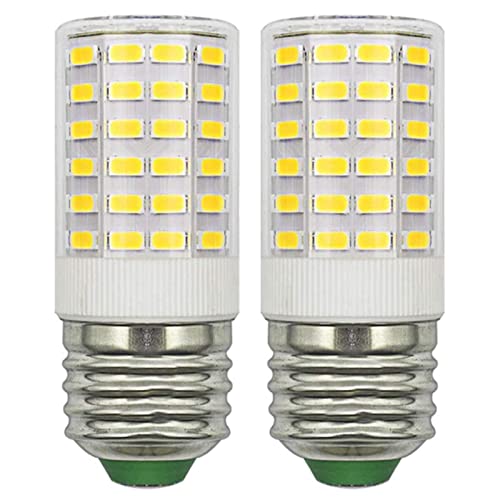
ZHENMING E26 Refrigerator Light Bulb 7W 6000K Cool White 100W Equivalent
A Deeper Look At The Lineup
When a household needs to swap out a drawer full of aging incandescents in one weekend, a 24-pack of A19 LEDs is the practical move. The dalattin set delivers 800 lumens per bulb, which lines up with the brightness most people expect from a 60W bulb, and pulls only 9W to do it.
These run at a 5000K color temperature, so the light leans cool and crisp rather than warm and amber. For a home office, a basement workshop, or a kitchen where you want ingredients to read true, that brightness profile earns its keep. Compared with the warmer vintage options later in this list, this one is the workhorse.
Where It Helps
- Twenty-four bulbs in one box means an entire main floor can be upgraded in a single afternoon.
- The 9W draw versus a 60W incandescent cuts electricity use substantially across high-traffic rooms.
- Color Rendering Index (CRI) of 80+ keeps skin tones and food colors looking natural.
- The standard E26 base fits the vast majority of table lamps and ceiling fixtures in North American homes.
Things To Consider
- These are non-dimmable, so they will buzz or flicker if wired into a dimmer switch.
- 5000K reads cool, which can feel clinical in a bedroom or living room meant for relaxing.
- Long-term owners commonly mention waiting for the bulb to cool before unscrewing, since sealed LED housings trap heat against the socket.
Made For
Homeowners refreshing multiple rooms at once, especially kitchens, offices, and hallways where bright, focused light matters.
Look Elsewhere When
Warm and dimmable mood lighting would serve you better in the dalattin 12-pack Vintage LED Edison Bulbs, which brings the soft 2700K tone most living rooms call for.
A porch light that someone has to remember to flip on defeats half its purpose. The dalattin dusk-to-dawn bulb solves that with a built-in photocell sensor, the small light-detecting component that tells the bulb when the sun has dropped below useful brightness.
It screws into a standard E26 socket, the same base as every other A19 in this list, so installing it is a one-step swap. In a typical yard fixture or a coach lantern by the front door, it tends to read as set-and-forget security lighting.
Bright Spots
- The photocell ignores nearby artificial light sources, so proximity to a streetlamp or another porch fixture rarely confuses it.
- Because it only runs after dark, the 15,000+ hour lifespan translates to years of unattended service.
- The 5000K daylight output gives a wide, even wash across driveways and walkways.
- The 4-pack format covers front and back entries without a second order.
Worth Noting
- The sensor requires the bulb’s top to be exposed to natural sky light, so enclosed fixtures can prevent it from triggering reliably.
- Like the 24-pack above, these are not dimmable and should never share a circuit with a dimmer switch.
Right Fit For
Anyone replacing an always-on porch bulb or adding basic safety lighting to a side yard, garage entry, or barn.
Consider Something Else When
You want the same automation but in a vintage-style filament, the Brightown Edison 4-pack handles that aesthetic with the same E26 base.
Edison-style bulbs earn their place when the fixture itself is part of the decor. Exposed pendants, cage-style sconces, and bare-bulb chandeliers all benefit from a visible filament, and the Brightown 4-pack leans into that look.
The 2700K warm white temperature is what most people picture when they think of “soft” household lighting. At 750 lumens per bulb on 6W, the energy savings over a true 60W incandescent are real, while the glow stays in the same cozy range.
Useful Touches
- The amber-leaning 2700K tone flatters wood furniture and skin tones, the way people expect a dining room to feel.
- Around 20,000 hours of rated life means infrequent replacement, even in fixtures that run daily.
- The 4-pack is sized for a single room, so a kitchen pendant trio plus a hallway sconce can be done without leftovers.
Minor Gripes
- Non-dimmable, which limits control in rooms where you want to lower the mood for movie nights.
- At 6W the bulbs are slightly dimmer than the 60W incandescents they imitate, so larger rooms may need more than four bulbs to feel fully lit.
Key Specs
Best Suited To
Anyone styling a farmhouse, industrial, or restored-vintage space where the bulb is part of the visual story.
A Better Fit Elsewhere
Bright rooms that need maximum output and crisp task lighting would be better served by the dalattin 24-pack daylight set reviewed first.
The T10 tubular shape is a niche format, but a few fixtures depend on it. Picture a narrow bathroom sconce, an exposed-bulb wall light, or a long vertical pendant where a traditional A19 would stick out awkwardly. This bulb fills that slot.
At 5000K and 8W, the light leans cool and clean, which suits modern bathrooms and minimalist wall fixtures. The dimmable driver inside gives it flexibility the cheaper non-dimmable A19s cannot match.
Useful Strengths
- Dimmable compatibility means it adapts from morning task light to evening ambient glow.
- The Edison-style filament keeps the look decorative even in fixtures where the bulb stays visible.
- The E26 medium base keeps installation as simple as any standard lamp swap.
Points To Note
- The tubular profile means the bulb is longer than a typical A19, so tight enclosed fixtures may not close around it.
- Confirming dimmer switch compatibility before installation is worth the few minutes it takes, since mismatched dimmers can shorten LED lifespan.
Who Should Grab It
Anyone modernizing a vanity light or a wall sconce where the slim tubular shape is part of the fixture’s look.
Swap It Out When
You want warm, dimmable vintage character instead of cool modern output, in which case the dalattin 12-pack Vintage LED Edison Bulbs is the better match.
This set threads the needle between decorative character and practical performance. The clear glass exposes a visible filament for the Edison look, while the dimmable driver lets the same bulb serve dinner-party soft and homework-bright depending on the moment.
At 2700K and 800 lumens, the output sits in the sweet spot most living rooms expect. The 12-pack covers a dining room, a couple of sconces, and a hallway pendant with room to spare, and the A19 shape is the most common household bulb profile in North America.
A Strong Showing
- The 10 to 100 percent dimming range lets one bulb carry both ambient and task roles in the same room.
- CRI 80+ keeps wood tones and fabric colors reading accurately, important in dining areas.
- The clear glass and visible filament work in chandeliers, pendants, ceiling fans, and wall lanterns alike.
Trade Offs
- The filament styling looks odd behind frosted glass shades, where the warm Edison detail never shows.
- Confirming dimmer switch compatibility before purchase is worth the effort, since mismatched dimmers cause flicker in many LEDs.
Feature Snapshot
Perfect Match For
Dining rooms and open-plan living areas where the homeowner wants dimmable vintage character in a familiar A19 shape.
Reach For A Different Pick When
A compact appliance or fan fixture is the target, since the Energetic A15 handles that smaller scale with a similar warm tone.
The A15 is the smaller sibling of the A19, designed for tight fixtures where a full-size bulb would not fit. Refrigerator interiors, range hoods, and small ceiling fan globes all tend to call for this shape.
The 3000K tone lands between the warm 2700K of the vintage sets and the cooler 5000K of the daylight workhorses. At 5.5W drawing against 40W-equivalent output, the energy savings inside an always-on fridge or freezer pay back steadily.
What Pays Off
- The compact A15 form clears the tight glass shields in ceiling fans and enclosed appliance fixtures.
- 220-degree beam spread distributes light evenly across small interiors.
- The 6-pack covers several appliances or fans at once, useful during a whole-home swap.
Honest Caveats
- Non-dimmable, which rules it out for fan fixtures with integrated dimmer controls.
- The 3000K tone is slightly cooler than classic warm-white, which can read less cozy in a bedside lamp.
Built With In Mind
Anyone replacing burned-out appliance bulbs, ceiling fan bulbs, or small enclosed fixtures that need a slimmer profile.
Not Your Match When
Bright task lighting in a larger room is the goal, since the ZHENMING E26 bulb reviewed next delivers nearly double the lumens.
High-output cool white in a small bulb solves a particular problem: dim fridge interiors where leftovers blend together, or garage workspaces where shadow detail matters. The ZHENMING pushes 950 lumens from a 7W draw.
The 6000K temperature reads as a crisp near-daylight tone, which is uncommon for household bulbs but useful where visibility matters more than warmth. The wide AC voltage range also helps it tolerate fluctuating power in older homes.
What Helps Most
- 950 lumens from a 7W draw replaces a 60W to 100W halogen, which is a meaningful jump for tight fixtures.
- Reduced visible flicker compared to cheaper LEDs helps with eye comfort during long sessions.
- The compact tubular shape fits refrigerator sockets and similar enclosed fixtures.
Things To Weigh
- The 6000K cool white tone feels clinical in living spaces, so it is really a task-area bulb.
- Measuring the existing base before buying is critical, since some appliance sockets use the smaller E17 base rather than E26.
Quick Facts
Whose Shelf It Belongs On
Anyone needing a high-output, cool-toned bulb for a fridge interior, a garage workbench, or a basement utility area.
Where Another Pick Suits Better
Living spaces that benefit from a warm vintage glow would do better with the dalattin 12-pack Vintage LED Edison Bulbs covered earlier.
What To Match A Bulb To Before You Buy
The right bulb starts with the fixture, not the aisle. Pull out a lamp or socket and check two things: the base type (most North American lamps take the E26 standard covered across this list) and the maximum wattage the fixture allows. LED wattage runs much lower than the incandescent equivalent, so this rarely limits a swap, but it is worth a glance.
Color temperature sets the mood more than people expect. A 2700K warm bulb flatters skin and wood, while a 5000K daylight bulb helps with focus and color-checking tasks. Mixing the two across one open-plan space can read chaotic, so picking a temperature for the whole room first tends to work better.
Lumens measure actual brightness, while wattage only measures energy use. A bulb labeled “60W equivalent” should land near 800 lumens. For reading lamps and kitchens, I aim for at least 800 lumens per socket. For accent lighting and decorative pendants, closer to 400 to 600 lumens feels right.
Dimmability deserves special attention. Pairing a non-dimmable LED with a dimmer switch causes flicker, hum, and shortened life. If the room has dimmer switches already, every bulb in that circuit should be dimmable.
CRI, or Color Rendering Index, rates how accurately a bulb shows colors compared to natural daylight. A CRI of 80 or higher covers most household needs. For art studios, makeup vanities, or photography setups, CRI 90 and above is the more useful range.
Smart Habits That Save Real Money
Common Shopping Slip Ups
The most common error I see is grabbing a bulb based on wattage alone. With LEDs, the “60W equivalent” label matters far more than the actual 9W draw. A second mistake is assuming any E26 bulb fits any lamp, since specialty fixtures sometimes use the smaller E17 base or a candelabra style.
Skipping the dimmer check costs more than people think. A non-dimmable LED on a dimmer switch can flicker within weeks, leaving the homeowner blaming the bulb instead of the switch. Lastly, ignoring color temperature turns a single room into a visual patchwork that nobody can quite name but everyone feels.
Where The Extra Money Goes
Higher-priced LEDs typically pay for better drivers, the small electronic components that regulate power inside the bulb. A better driver means smoother dimming, less flicker, and more consistent output as the bulb ages. Premium filaments and higher CRI ratings also show up in the price.
For most households, mid-tier bulbs like the ones in this list hit the right balance. The upgrade to a premium tier earns its keep mainly in spaces where the bulb runs for many hours daily, where flicker would be noticeable, or where color accuracy truly affects the work being done.
Frequently Asked Questions
What is the difference between A19 and A15 bulbs?
A19 is the standard household bulb shape, while A15 is a smaller version used in appliances and tight fixtures. The number refers to the bulb’s diameter in eighths of an inch.
What color temperature works best for living rooms?
Most living rooms feel right with 2700K warm white, which mimics traditional incandescent light. Cooler temperatures like 4000K or 5000K work better in offices and task-focused rooms.
Can I use an LED bulb in any lamp?
Most lamps accept LEDs as long as the base matches, but enclosed fixtures may shorten LED life by trapping heat. Old dimmer switches also need to be replaced or paired with dimmable LEDs only.
How long do LED bulbs actually last?
Rated lifespans typically range from 15,000 to 25,000 hours, which translates to many years of normal household use. Heat, frequent on-off cycling, and dimmer mismatches can shorten that real-world figure.
Is higher CRI always better?
Higher CRI means colors look more accurate, but for most rooms CRI 80 is plenty. Above CRI 90 only matters in color-critical spaces like art studios or makeup vanities.
Final Verdict
Seven bulbs, seven different jobs. The dalattin 24-pack covers whole-home refreshes, the dusk-to-dawn set handles entryways, and the vintage options warm up living spaces. For appliance swaps, the Energetic A15 and ZHENMING E26 fill the small-form niches. Match the bulb to the fixture and the mood first, and the rest tends to take care of itself.