

Swapping out old fluorescent tubes for LED alternatives is one of those projects that feels bigger than it is. I remember staring at a flickering garage ceiling, half-convinced I needed an electrician, before realising most modern tubes slot right into the existing fixture with minimal rewiring. The catch is that “LED replacement” covers a wide range, from tiny curio-cabinet reflectors to four-foot shop tubes, and choosing the wrong base or color temperature can leave you with a cold, glare-heavy workspace or a vanity that washes everyone out. I’ve put together this shortlist of six solid LED options spanning common shapes and setups, so you can match the tube to the room instead of guessing at the listing.
The Main Contenders
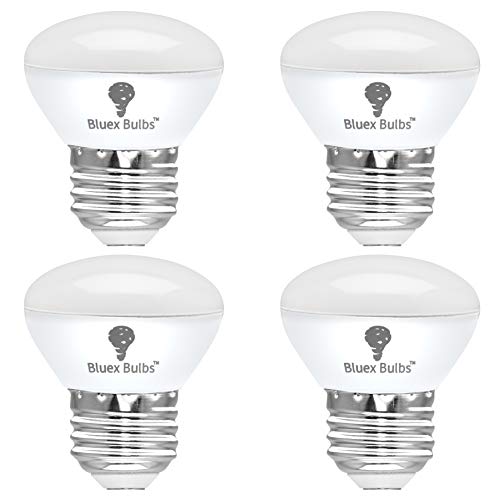
Bluex Bulbs 4 Pack R14 LED Mini Reflector Floodlight 4W Dimmable 2700K

Sunco 10 Pack G25 LED Globe Bulb 5W 3000K Dimmable

Sunco 30 Pack 4FT T8 LED Tube 20W Hybrid 6000K
ELEKICO 20-Pack T8 LED Tube 4FT 24W 6500K Ballast Bypass

Sunco 10 Pack 4FT T8 LED Tube 20W Hybrid 5000K

jimwhen 4FT Magnetic LED Troffer Retrofit Kit 24W 5000K
More Details On Our Top Picks
These tiny R14 reflectors sit in a niche most LED guides skip entirely, and that’s a shame because curio cabinets, trophy shelves, and retro sign boxes all run on small Edison-base floods. The Bluex Bulbs pack uses a familiar E26 screw base, so they drop into standard household sockets without adapters, and the 2700K warm-white tone mimics the look of an old incandescent rather than the harsher blue you sometimes get from cheap LEDs.
Compared to the four-foot shop tubes further down this list, this is a different animal entirely. The 4W draw translates to roughly a 40W incandescent equivalent, which is plenty for spotlighting a glass shelf without flooding the whole room.
The Upside
- Dimming works smoothly across the full range, with no audible buzz or strobing at low settings, which matters when the bulb sits inside a quiet display.
- Warm 2700K tone flatters wood grain and brass, so collectibles and ceramics look closer to natural daylight than to office fluorescents.
- Standard E26 base means no rewiring or socket adapters, which keeps the install under five minutes per bulb.
Small Caveats
- The R14 shape is shorter than a standard bulb, so enclosed glass shades with narrow necks may not seat properly.
- Reflector pattern is narrow, which is great for highlighting but not ideal if you want soft ambient fill across a wider shelf.
Who It Suits Best
Hobbyists displaying glassware, memorabilia, or signage in shallow cabinets where a standard bulb would stick out awkwardly.
Look Elsewhere When
Someone outfitting a workshop or garage should jump to the Sunco 30-pack T8 tubes, which throw wider, cooler light across a full ceiling.
Vanity strips are one of those fixtures where the bulb choice quietly shapes the whole morning routine, and the Sunco G25 globes are aimed squarely at that scenario. The 3000K color sits between a cozy incandescent glow and a clinical daylight tone, which tends to flatter skin tones better than the harsher 4000K-plus options that some LED replacements default to.
While the Bluex R14s we just covered target small display lighting, these G25s run a full globe shape that suits exposed vanity fixtures where the bulb itself becomes part of the look. The 5W draw replaces a 60W incandescent, which adds up across a multi-bulb fixture.
Why It Works Well
- Dimming range of roughly 10% to 100% lets you drop the light for evening baths without losing color consistency.
- Globe shape distributes light evenly around the bulb, so a row of fixtures casts fewer harsh shadows on faces.
- Ten-pack quantity lines up with typical vanity strips, reducing the chance of mixing color temperatures across one fixture.
Honest Caveats
- Owners commonly report these run a touch warmer than the listed 3000K, which may lean too cozy for someone wanting a brighter makeup-application light.
- Globe size can crowd tight enclosed fixtures, so measure the existing shade before committing to a full ten-pack.
Feature Snapshot
Made For
Anyone upgrading a multi-bulb bathroom vanity who wants a warm, dimmable glow without the clinical look of cooler LEDs.
Consider Something Else When
A workshop user is better served by the Sunco 30-pack T8 tubes, which throw far more light across a large ceiling.
Thirty tubes is a serious commitment, but it’s the right size for anyone with a two-car garage, a long basement run, or a small commercial space to retrofit at once. The Sunco 30-pack T8 tubes use a Type A+B hybrid design, which is worth pausing on: Type A means the tube can run with a compatible ballast still in place, while Type B means you can also wire it directly to line voltage and bypass the ballast entirely.
That flexibility matters because old fluorescent ballasts are the usual point of failure on aging fixtures. Compared to the globe-shaped Sunco G25s above, this is a much more utilitarian package aimed at bright, even ceiling coverage rather than decorative glow.
Benefits That Matter
- Hybrid Type A+B installation gives a path forward whether the existing ballast still works or has already died.
- 6000K daylight color is well suited to task-heavy spaces like workshops where accurate color recognition helps.
- Buying thirty at once typically lowers the per-tube cost noticeably over smaller packs.
Points To Keep In Mind
- 6000K reads quite cool and bluish to anyone used to residential lighting, which can feel sterile in a finished basement.
- Single-ended wiring means the install side needs a brief study of the existing fixture before swapping tubes.
- These are non-dimmable, so anyone wanting mood control in a multi-use room will need to layer with separate fixtures.
Best Suited To
Workshop owners and small commercial spaces ready to do a full ceiling retrofit in one weekend.
Swap It Out When
Someone wants a softer neutral white at home should pick the Sunco 10-pack 5000K tubes, which hit a friendlier color temperature for living areas.
The ELEKICO 20-pack leans into pure output. At 24W per tube and a stated 3600 lumens, this is one of the brighter four-foot LED options in this roundup, and that extra punch shows up in warehouses, print shops, and large classrooms where dim corners translate to real productivity losses.
Unlike the Sunco hybrid tubes covered earlier, these are Type B dual-end powered, which means the existing ballast gets bypassed during install. That’s a slightly different wiring path, and it adds a step, but it also removes a known failure point from the equation for good.
Where It Helps
- Higher lumen output per tube means fewer fixtures needed in a large open space.
- G13 base matches standard T8 fluorescent holders, so the physical swap stays simple.
- Removing the ballast cuts a recurring maintenance item and trims long-term energy loss from an aging component.
Trade Offs
- 6500K daylight skews even cooler than the Sunco 6000K tubes, which can read harsh in any space that doubles as a hangout area.
- Ballast bypass wiring requires basic comfort with line-voltage work, and mistakes at the holder can damage the tube on first power-up.
- Heavier output per tube means heat management matters; owners commonly recommend leaving fixtures ventilated rather than fully enclosed.
Key Specs
Who Will Love This
Commercial shop owners and warehouse managers who need maximum lumen output per fixture and are comfortable with a one-time ballast bypass.
A Better Fit Elsewhere
For a home garage where the existing ballast still works, the Sunco 10-pack 5000K tubes offer a simpler install with a friendlier color tone.
The 5000K version of the Sunco hybrid tube lands in the middle of the color-temperature conversation, which is exactly where most people actually want to be. It still reads as a clean, bright white, but it skips the bluish cast that 6000K and 6500K tubes can carry, and that makes a real difference in finished basements, home offices, and kitchens.
Where the ELEKICO 24W tubes we just looked at chase maximum brightness, this Sunco 10-pack focuses on balanced everyday use. The smaller pack size also suits a single-room retrofit rather than a full building upgrade.
Reasons It Performs
- 5000K neutral white keeps a room feeling alert without drifting into sterile territory.
- Type A+B hybrid wiring gives flexibility whether the original ballast is healthy or already failing.
- Ten-pack quantity matches typical two- to four-fixture rooms without leaving extras sitting in a drawer.
Less-Strong Areas
- Lower lumen density than the ELEKICO 24W tubes, so very large shops may need more fixtures to hit the same brightness.
- Hybrid wiring means reading the install guide carefully; mismatched wiring at the non-shunted holders is a common beginner mistake.
Feature Rundown
The Right Fit
Homeowners finishing a basement, updating a laundry room, or adding a workbench area who want bright but not bluish overhead light.
Reach For A Different Pick When
Someone running a warehouse or print shop needs to step up to the ELEKICO 20-pack for the extra lumen output per tube.
Drop-ceiling troffer panels are a different beast from the strip fixtures most homes have, and that’s where this jimwhen kit earns its place. Instead of swapping tubes inside an old fluorescent housing, this retrofit kit uses a magnetic-mount LED panel that pairs with a separate driver, breathing new life into a 2×4 ceiling tile slot without replacing the whole fixture body.
Compared to the Sunco and ELEKICO tubes earlier, this is less about replacing a tube and more about replacing the entire light engine. For offices, classrooms, and kitchens with those familiar recessed ceiling panels, that approach often makes more sense than fighting old housings.
Everyday Advantages
- Magnetic mounting reportedly installs in under five minutes per panel, with no special tools beyond a basic wire connection.
- Output reportedly runs at least twice as bright as a four-bulb fluorescent fixture, which matters in rooms with aging lamps.
- Cost lands well below a full fixture replacement for anyone working with a tight facilities budget.
Worth Bearing In Mind
- Non-dimmable design rules out any room where mood lighting matters, such as conference rooms with presentation modes.
- Compatibility is limited to T8, T10, and T12 fixtures of the right size, so older oddball housings may not accept the magnetic mount.
- Driver sits separately from the tubes, which adds a small box to hide above the ceiling grid.
Built With In Mind
Small offices, classrooms, and home studios with 2×4 drop-ceiling troffers that need an efficient upgrade without full fixture replacement.
Not Your Match When
Anyone working with a standard strip fixture should pick the Sunco 10-pack 5000K tubes instead, since they slot directly into the existing T8 holders.
What To Weigh Before Choosing Led Replacements For Fluorescent Tubes
Match The Tube To The Fixture First
The single biggest decision is whether the existing fixture uses a fluorescent tube or a different format entirely. Most LED replacements in this category are designed around the four-foot T8 tube standard, with a G13 base, but there are also magnetic retrofit kits, globe bulbs, and reflector floods that fit very different housings. Picking the wrong base or length sends the whole project back to square one, so measure the existing tube and check the holder type before comparing color temperature or wattage.
Color Temperature Sets The Room’s Mood
Color temperature, measured in Kelvin, has more impact on how a room feels than most people expect. Values in the 2700K to 3000K range read warm and cozy, similar to a classic incandescent. The 4000K to 5000K zone lands in a neutral, alert tone that suits work areas. Anything above 6000K pushes toward a bluish daylight feel that can feel clinical in a home but shines in workshops. Choosing the right range matters more than chasing the highest lumen count.
Wattage, Lumens, And Real Brightness
Wattage tells you how much energy a tube pulls, but lumens tell you how much light it actually throws. A 20W tube at 2000 lumens and a 24W tube at 3600 lumens use similar amounts of power yet light a room very differently. For spaces with tall ceilings or detail-heavy tasks, the higher lumen option usually wins out, while for residential ceilings, mid-range output prevents glare.
Wiring Path: Hybrid Vs Ballast Bypass
Hybrid Type A+B tubes give a choice: run them with the existing ballast still installed, or wire them directly to bypass it. Pure Type B dual-end tubes skip the ballast entirely. Ballast bypass cuts a future failure point and trims efficiency loss, but it adds a wiring step that requires basic comfort with line-voltage work. First-time installers often prefer hybrid tubes for the simpler first swap.
Key Considerations Across These Picks
Wrong Turns To Avoid
The most common slip-up is matching color temperature to the wrong room, like installing 6500K daylight tubes in a finished basement rec room where 4000K to 5000K would feel far more livable. Another trap is assuming any T8 LED tube fits any T8 fixture, when older T10 or T12 housings need careful measurement before a swap. A third mistake is overlooking the ballast question entirely, which leaves people stuck mid-install because the original ballast was never compatible with their new tubes.
Where The Extra Money Goes
Higher-tier LED replacements tend to spend the premium on stronger driver components, tighter binning for color consistency across a multi-pack, and better thermal management inside the tube body. That usually shows up as longer service life and more uniform light across a row of fixtures. For a single-room retrofit, a mid-tier tube often delivers the same visible brightness at a lower cost. For commercial runs where a service call is expensive, the upgrade tends to pay for itself through fewer replacements and steadier output.