

Power goes out at 2 a.m., and I’m fumbling for a flashlight that I know is buried somewhere in a junk drawer. A solid rechargeable lantern changes that whole scramble: just grab it, switch on, and suddenly the kitchen counter is readable again. Campers, backyard hosts, and storm prep families all end up needing the same kind of light eventually, so I pulled together seven picks that cover most of the scenarios people actually run into.
A Closer Look At The Lineup
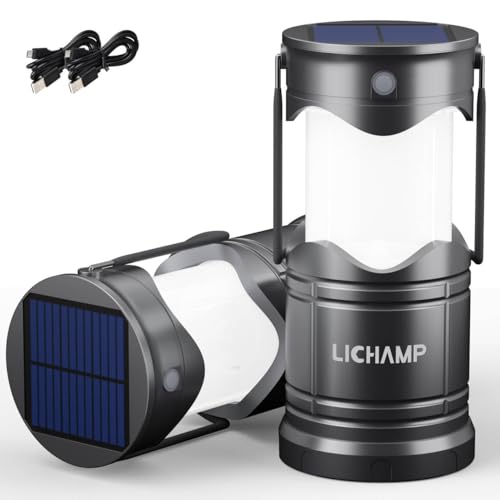
Lichamp 2-Pack Solar Camping Lantern USB Rechargeable LED
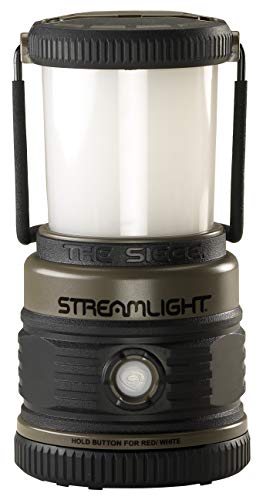
Streamlight 44931 Siege Compact Lantern (Coyote)

Glocusent 106 LED Camping Lights 5000mAh Lantern

Lichamp LED Camping Lantern Portable Flashlight

V.C Formark Snail Rechargeable Kids Lantern 3-Color
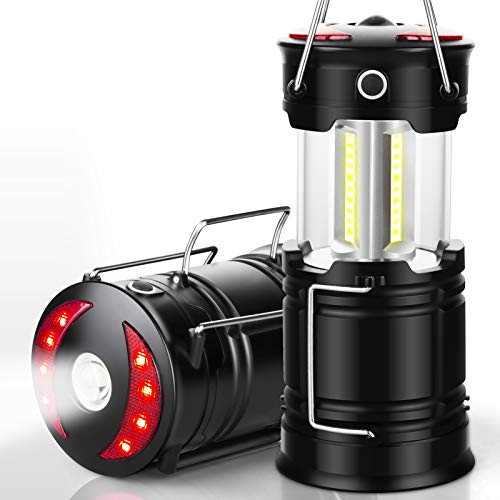
EZORKAS 2-Pack Camping Lanterns COB LED

Lichamp 4-Pack LED Lantern Battery Powered Collapsible
Inside Each Recommended Option
This Lichamp pair feels like it was designed for someone with a drawer full of dead batteries. Each lantern collapses down to roughly smartphone size, then telescopes open when you actually need light. The military-grade ABS body holds up to bumps and light rain, and the integrated handle folds flat so you can drop one in a glove box or a backpack pocket.
Three light modes give you options: a full-power 600-lumen blast for searching the attic, a 200-lumen middle setting for table use, and a low glow for reading. Compared with the Streamlight I’ll cover next, this pair trades professional polish for genuine dual charging (USB plus a small solar panel on top).
Everyday Wins
- Two lanterns in one box means one stays packed while the other lives on the kitchen counter.
- USB and solar top-offs keep the batteries useful even during multi-day outages.
- Collapsible form factor slips into camping bins and kitchen drawers without hogging space.
- Three brightness tiers cover everything from blackout cooking to bedtime reading.
Things To Consider
- Solar charging is slow, so plan on USB for any real recovery session.
- The plastic handle hinge takes some care under heavy daily carry, owners commonly report.
Made For
Families building a first emergency kit who want two lights ready to go without buying batteries.
Swap It Out When
The Lichamp 4-Pack Battery Powered Lantern makes more sense for whole-home blackout coverage at a similar price.
Streamlight’s Siege has the feel of a piece of job-site gear that wandered into a camping aisle. The coyote-tinted body is grippy rubberized plastic, and the whole thing floats, which sounds like a gimmick until you’re trying to recover a light from a flooded campsite. The removable top globe makes cleaning easy, and there’s a flat base that won’t roll on a slanted truck bed.
Where the Lichamp solar pair leans on flexibility, this one leans on raw output and tactical features. You get a high white mode for shop work, a red mode that preserves night vision, and an SOS flash that’s genuinely useful in roadside emergencies. For preppers who want something sturdier, this is the obvious step up.
The Upside
- Up to 540 lumens on high, enough to light a small tent or a vehicle repair at night.
- Red mode keeps your eyes adjusted when checking maps or star charts.
- Floats in water, which is a real lifesaver around boats and kayaks.
- Tough polymer body handles drops that would end most plastic lanterns.
Worth Noting
- Battery-powered only, so a long blackout means stocking fresh cells.
- Bulkier than the collapsible options, which matters in ultralight packs.
Who It Suits Best
Contractors, off-roaders, and anyone who treats a lantern like a working tool rather than a backup.
Consider Something Else When
The Glocusent 106 LED Lantern suits backpackers who need waterproofing and rechargeability in a smaller shell.
Glocusent built this one like a piece of field equipment. The IP68 rating means full dust sealing plus submersion protection up to a meter and a half, and the housing is rated for repeated 40-inch drops, which is the kind of standard you want when the lantern is going to live in a kayak hatch or a backpack.
The 5000mAh (milliamp-hour) battery is the headline feature; in plain terms, that’s enough capacity for multiple nights of moderate use between charges. Compared with the Streamlight’s replaceable-cell approach, this trades convenience for raw endurance. For river trips and hurricane-prone regions, that trade usually pays off.
Advantages To Know
- Submersible construction handles rain, river crossings, and the occasional drop in a puddle.
- Large internal battery supports days of moderate lighting per charge.
- Reinforced body shrugs off falls off tailgates and picnic tables.
Trade Offs
- Heavier than collapsible lanterns, so backpack weight is a real factor.
- Charging only via USB means a power source is necessary eventually.
Feature Snapshot
Right Fit For
Kayakers, river guides, and homeowners in storm regions who want a submersible, rechargeable workhorse.
Look Elsewhere When
The Streamlight Siege Compact Lantern fits better for job sites that prefer replaceable batteries over USB charging.
This Lichamp entry takes a different angle than the solar pair I covered first. The lampshade detaches entirely, dropping the size down to a handheld flashlight you can aim directly at an engine bay. A top handle plus a small base hook gives you two hanging options, so the light works upside down under a tent loft or right-side up on a workbench.
For someone who keeps a light in the garage rather than a backpack, that modularity matters more than waterproofing. Three lighting modes cover ambient room light, focused task work, and a low glow. Compared with the Glocusent’s tank-like build, this one feels more like a daily-driver tool.
Why It Works Well
- Detachable head turns the lantern into a flashlight without buying a second tool.
- Top handle and base hook give flexible placement options in tents and shop spaces.
- Three brightness levels adapt to close-up repairs and ambient lighting.
- Compact size fits easily in a trunk or kitchen drawer for emergencies.
Small Caveats
- Not designed for full submersion, so outdoor river use is risky.
- The two-piece design means more seams that may wear over time, owners commonly report.
Quick Facts
Best Suited To
Home mechanics, hobby woodworkers, and anyone who needs a versatile light for a garage or workshop.
Not Your Match When
The Glocusent 106 LED Lantern serves paddlers and storm-prep households better with true waterproofing.
The V.C Formark Snail lantern leans hard into charm rather than lumens. The snail-shaped topper and soft pastel shell turn a plain night light into something a kid actually wants to carry. USB-C charging makes it painless to top off with the same cable as a phone or tablet.
Three colors (warm white, cool white, and a colored glow) shift between bedtime stories and backyard sleepovers. Compared with the tactical focus of the Streamlight or the rugged build of the Glocusent, this one is plainly a comfort item, but it’s a comfort item that genuinely works as a light.
Real-World Strengths
- USB-C port means no hunting for odd cables during a top-up.
- Color-changing modes double as a sleep aid and a nightlight.
- Lightweight shell is comfortable for small hands to carry around the house.
- Soft glow setting prevents harsh light from waking a sleeping sibling.
Points To Note
- Output is lower than adult-focused lanterns, which limits outdoor utility.
- Decorative shell means rougher play dates could dent or scratch it.
Who Should Grab It
Parents packing a sleepover bag or building a cozy bedtime routine for kids who prefer a little glow over a dark room.
A Better Fit Elsewhere
The Lichamp 2-Pack Solar Camping Lantern covers families who want practical emergency lighting first, kid appeal second.
EZORKAS sells these as a low-cost pair, which is exactly the slot they’re aiming for. COB LED strips (a chip-on-board LED style that spreads light evenly across a strip) throw a wide, soft glow that fills a tent or a kitchen table, and the collapsible shell shrinks to a storable puck when you’re done.
Four lighting modes (including an SOS flash) cover most casual uses. The honest read is that these aren’t going to outlast a Glocusent in a river, but for a closet shelf or a weekend camping trip, they handle the basics without fuss.
A Few Strong Suits
- Two units in one box keep one ready while the other is in use.
- Collapsible form saves real space in a packed closet.
- Four modes cover steady light, dim, red, and SOS signaling.
- COB strip lighting produces a wide, even glow with no harsh hotspot.
Room For Improvement
- Plastic construction feels lighter than premium picks, so drops are a real risk.
- Battery life at the highest setting is shorter than the larger Lichamp models.
Made For
Budget shoppers building a starter blackout stash without committing to premium prices.
Skip It When
The Streamlight Siege Compact Lantern is a smarter pick for job sites where build quality matters more than getting two units.
Four lights in one box sounds like overkill until a multi-day outage hits. Each Lichamp runs on three AA cells, which is the key feature here: when the grid is down for a week, fresh batteries from a stockpile matter more than a USB port that can’t find power. The water-resistant plastic body handles humid storm conditions, and 30 LEDs per lantern push out 350 lumens of 360-degree coverage.
Compared with the rechargeable solar pair that opened this list, this 4-pack trades charging flexibility for redundancy. Drop one in the kitchen, one in the bedroom, one in the car, and keep one in the garage.
Strong Points
- Four units distribute light across multiple rooms during long outages.
- AA battery compatibility sidesteps the dead-rechargeable problem in prolonged blackouts.
- Wide 360-degree coverage fills typical living spaces without dark corners.
- Collapsible design stores flat in a closet or storm bin.
Honest Caveats
- AA batteries are not included, so factor that into the total cost.
- Battery swaps create ongoing expense compared with USB-rechargeable picks.
Core Details
Perfect Match For
Households in hurricane zones or rural areas where multi-day outages are a real, recurring possibility.
Reach For A Different Pick When
The Glocusent 106 LED Lantern suits homeowners who want rechargeable convenience over replaceable-battery redundancy.
What Matters Most Before Choosing Led Rechargeable Lanterns
Power Source And Runtime
A rechargeable lantern only helps when there’s a way to recharge it. USB-powered models stay useful for anyone with a power bank, a car adapter, or a solar panel. Battery-only lanterns trade convenience for resilience during multi-day outages. Some picks, like the Lichamp solar pair, combine both, which is why many preppers lean toward them.
Brightness Versus Coverage
Lumens measure total light output, but coverage is just as important. A 600-lumen spotlight aimed at one wall is less useful than a 300-lumen 360-degree lantern in a tent. For room-filling light, look for wide LED arrays; for task work, a focused beam works better.
Durability And Weather Resistance
An IP rating (Ingress Protection, a two-digit code where the first digit rates dust resistance and the second rates water resistance) tells you exactly what a lantern can survive. The Glocusent’s IP68 rating means dust-tight and submersible, which matters for kayakers and storm regions. Lower ratings are fine for indoor or porch use, but anything that lives outdoors needs at least IPX4.
Form Factor And Portability
Collapsible lanterns disappear into backpacks and glove boxes, while rigid lanterns double as nightlights on countertops. Detachable-head designs, like the Lichamp workshop pick, blend both worlds. The honest trade-off is that versatility usually comes with extra seams and moving parts.
Key Considerations Across These Picks
Pitfalls Shoppers Hit
The most common mistake is buying a rechargeable lantern and never testing the recharge cycle. A dead lantern in a drawer is the same as no lantern at all. Equally common is overestimating how bright a small lantern feels at midnight; a 200-lumen room is dimmer than you’d expect after dark. Buying a second unit or a higher-output model fixes both problems cheaply.
Where The Extra Money Goes
Premium lanterns tend to spend their higher price on three things: tougher shells, larger batteries, and better LED arrays. The Streamlight and Glocusent are noticeably heavier than budget picks because of these upgrades. For casual home use, the extra cost rarely matters; for outdoor or storm-prone settings, it usually pays for itself in fewer replacements and longer runtime.
Frequently Asked Questions
How Long Do Led Rechargeable Lanterns Typically Run Per Charge?
Most rechargeable lanterns in this category run between 6 and 12 hours on a medium setting, with high brightness cutting that to roughly 2 to 4 hours. The 5000mAh battery in the Glocusent extends that range noticeably for outdoor trips.
Can Led Rechargeable Lanterns Be Used While Plugged In?
Several models support pass-through charging, which means they can run from a USB cable while the battery tops off at the same time. Confirming pass-through support on the product page is worthwhile for anyone planning to leave a light plugged in during a long evening.
Are Led Rechargeable Lanterns Safe To Leave On Overnight?
Most modern lanterns run cool enough for tabletop use overnight, especially on low settings. Still, leaving any rechargeable device on soft bedding or near flammable material for extended periods is worth avoiding for general safety.
Do Led Rechargeable Lanterns Work In Extreme Cold?
Cold weather shortens battery runtime across the board, sometimes by half at freezing temperatures. Insulated storage and warm-up time before use help; keeping a backup set of AA batteries indoors is a simple workaround for extreme conditions.
What Is The Difference Between COB And Standard LED Lanterns?
COB (chip-on-board) LEDs pack many small diodes into a single strip, which spreads light more evenly than traditional bulb-style LEDs. Standard LED lanterns often produce a brighter hotspot but a narrower beam, so the right choice depends on whether you want wide coverage or focused light.
Closing Thoughts
A good lantern is the kind of thing you forget about until the power cuts out or the campsite goes dark, and then it’s suddenly the most important thing in the room. The seven picks here cover the most common scenarios I run into: family kits, job sites, river trips, garages, kids’ rooms, budget backups, and full-home storm prep. Match the lantern to the way you actually live, and you’ll rarely think about it again until you really need it.