

Bringing greenery indoors used to mean a sunny windowsill and a prayer. Now anyone with a dim apartment, a basement corner, or a north-facing kitchen can grow herbs, leafy greens, and fruiting plants year-round, as long as the light source matches what the plants actually need. I put together this roundup for home gardeners, apartment cooks, and small-space growers who want plants that actually thrive, not just survive.
The Shortlist At A Glance

Briignite Grow Light Bulbs A19 Full Spectrum

Briignite Full Spectrum LED Grow Bulb

Briignite 2 Pack BR30 Full Spectrum Bulbs
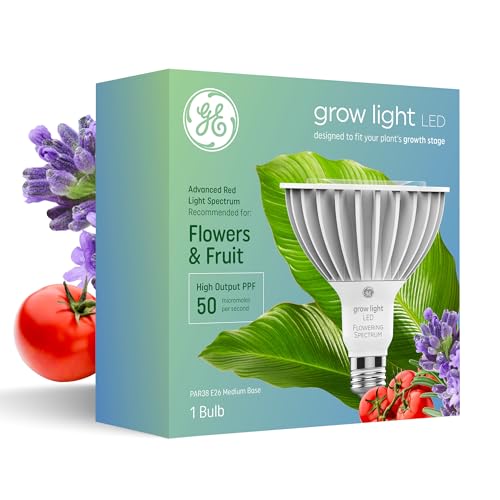
GE Grow PAR38 LED Flood Light

Sunco 6 Pack 2FT LED Grow Light 20W

GE Grow PAR38 Indoor LED Bulb

Full Spectrum E12 Candelabra LED Bulb
The Strengths Of Each Pick
An A19 bulb shape is the everyday household screw-in size, which makes this Briignite pick the easiest swap for anyone with a standard lamp socket. It delivers a full-spectrum output that reads as a soft 4000K white to the eye, so a kitchen herb corner doesn’t glow like a sci-fi prop. Compared to the cooler 5000K reading of the second Briignite A19 later in this list, this one leans slightly warmer.
Most starter gardeners just need to keep a few basil and mint plants alive through winter. This bulb threads into any desk lamp or clamp light and gets to work immediately. I think beginners appreciate that there’s no separate ballast, no driver box, and no fixture to mount.
A Strong Showing
- Fits any standard E26 socket, no rewiring needed
- Soft warm-white appearance keeps living spaces looking normal
- Wide 180-degree beam covers a small cluster of pots
- Costs less to run than older HID or fluorescent grow setups
- Slim form slides into most clamp lamps and gooseneck fixtures
Things To Consider
- A19 footprint is narrow, so coverage drops off fast on bigger shelves
- Owners commonly report screw-in bases running warm after long cycles
Key Specs
Made For
First-time growers keeping a handful of herbs or small houseplants alive through darker months.
Skip It When
The Briignite 2 Pack BR30 LED Grow Light Bulb fits better if you want flood-style coverage across a wider shelf from the start.
Think of this as the sibling to Item 1, the same A19 form factor but tuned to a cooler 5000K visual tone. The shift matters in shared living areas where warmer light feels too cozy at night. It still pours out a full spectrum underneath the white-reading light, with the red and blue wavelengths plants respond to.
Apartment growers who keep a bookshelf of pothos, philodendrons, and a small pepper plant should find this a comfortable middle ground. The light reads as a clean daylight rather than a grow-room purple, which matters when the lamp sits next to the reading chair. For a fruiting pepper, you’d want stronger output than this single bulb offers, which is where the GE PAR38 picks later earn their keep.
Everyday Perks
- Cool 5000K visual tone blends into modern interiors
- Same easy A19 swap as the warmer Briignite bulb
- Handy for leafy greens that prefer a brighter, daylight-style source
Worth Noting
- Cool tone can read sterile or harsh in a bedroom corner
- Single-bulb output is modest for anything past a two-pot setup
Whose Shelf It Belongs On
Living room and office shelves where the light stays on while people are around.
A Better Fit Elsewhere
The Briignite 2 Pack BR30 LED Grow Light Bulb makes more sense for a long shelf where two flood beams beat one narrow cone.
BR30 means a wider reflector-style flood bulb, the same family used in recessed kitchen cans. That wider shape throws light further across a shelf, so two of these spread side by side can wash a row of seedlings evenly. The pair is a smarter buy than chasing a single high-output bulb for a long, narrow shelf.
The visual tone lands at 3500K, which sits between the two A19 picks above and reads as a soft white rather than daylight or warm white. Owners commonly report that the wider reflector footprint prevents the dead spots you get with narrow A19 bulbs pointed at a tray of starts. For anyone stepping up from a one-bulb setup to a full seedling rack, this two-pack is a logical next move.
Real-World Strengths
- BR30 flood shape spreads light further across a tray of seedlings
- Two bulbs in the box means a full shelf is covered out of the package
- Mid-warm 3500K visual tone is easy on shared spaces
- Reflector design keeps light reaching lower leaves, not just the tops
Honest Caveats
- BR30 shape needs a deeper recessed or larger shade to look right
- Output per bulb is still modest compared to a true PAR38 flood
Feature Snapshot
Best Suited To
Shelf gardeners running a row of leafy greens, herbs, or seedling trays in a recessed fixture.
Look Elsewhere When
You want a single heavy-duty bulb for one fruiting plant instead, in which case the GE Grow PAR38 LED Flood Light does the job.
PAR38 is the chunky flood format used in track lighting and outdoor security cans. This GE bulb pushes a much higher photosynthetic photon flux (PPF), a measurement of usable light energy delivered to plants per second, of 50 micromoles per second, which is the kind of number that actually moves a tomato or pepper plant through its flowering stage. The full-spectrum output still reads as a natural white to the eye, unlike older red-and-purple grow bulbs that scream “weed grow tent.”
For fruiting and flowering plants, light intensity matters more than duration. This bulb delivers that punch from a standard E26 socket, so it threads into a clamp light or a basic utility fixture. Most indoor tomato growers I talk to land here once a basic A19 setup stops cutting it. The honest read is that this is overkill for a windowsill herb pot.
The Practical Payoff
- 50 micromoles per second output drives fruiting and flowering plants
- Natural white appearance instead of the red-purple grow-light look
- Standard E26 base means no special socket required
Softer Spots
- PAR38 size is bulky, so smaller lampshades will not fit over it
- Higher output means more heat venting from the housing during long runs
Right Fit For
Growers raising tomatoes, peppers, or fruiting houseplants that need real light intensity to set fruit.
Consider Something Else When
You just need a gentle seedling light, where the Briignite Grow Light Bulbs A19 Full Spectrum keeps things simple and cheaper to run.
This entry shifts from screw-in bulbs to actual LED fixtures, six two-foot bars rated at 20 watts each. They are linkable, meaning you can daisy-chain them together off a single outlet, which is the real reason a multi-shelf gardener would pick this kit over a bunch of A19 bulbs. Full-spectrum output covers seedlings through flowering without swapping fixtures.
For a wire shelf rack in a basement or closet, six bars spread across three or four levels creates a serious starter setup. I think the build earns its keep for someone propagating cuttings or starting dozens of seeds each spring. The trade-off is installation: you need to mount or suspend each bar, which the screw-in bulbs in earlier picks skip entirely.
Useful Touches
- Linkable design cuts the outlet count on a multi-shelf rack
- Full spectrum handles seedling, vegetative, and flowering stages
- Six-bar pack covers a 2×4-foot area comfortably
Points To Keep In Mind
- Requires mounting hardware or zip ties, not a simple screw-in install
- 20W per bar is modest, so fruiting plants may still need more hanging height
Spec Overview
Built With In Mind
Committed home gardeners running a multi-tier propagation or seed-starting rack in a basement or spare room.
Another Choice May Suit
Anyone just lighting a few pots should reach for the Briignite 2 Pack BR30 LED Grow Light Bulb instead and skip the mounting step.
This is the sibling to the earlier GE PAR38, with the same 50 micromoles per second PPF rating but positioned for general indoor gardening across all stages. It targets seed-starting trays, leafy greens, and indoor herb gardens with a balanced light spectrum suited to the full plant life cycle. The 25,000-hour rated lifespan keeps replacements off the calendar for years of normal daily use.
Growers juggling seed trays now and lettuce bowls later get more flexibility here than with a single-purpose flowering bulb. Owners commonly report that the natural white tone keeps the kitchen or sunroom looking normal even while the plants are getting the wavelengths they need. Packaging may vary, which is the only real quirk worth flagging.
What Helps Most
- Balanced spectrum covers every stage from seed to harvest
- 25,000-hour rated lifespan for years of daily cycles
- Higher PPF output supports leafy greens that need steady light
Some Limits To Know
- Bulb is heavier than an A19, so lightweight clamp lamps may need rebalancing
- Packaging can vary between batches, which sometimes affects included documentation
Technical Highlights
Who Should Grab It
Indoor gardeners splitting their time between seed-starting in spring and steady greens production year-round.
Reach For A Different Pick When
The space is decorative rather than functional, in which case the Full Spectrum E12 Candelabra LED Bulb slips into a smaller lamp.
The E12 candelabra base is the smaller screw-in size found in chandeliers, decorative sconces, and those tiny accent lamps many people already own. That base type is the entire point of this bulb, since most grow lights assume the larger E26 socket. Anyone with a small pot on a nightstand lamp finally has an option that fits.
The chip mix pulls together red, blue, and 5000K diodes to span the wavelengths plants actually use. For a single small pothos or a windowsill succulent, the output is plenty, and the small base keeps the fixture proportions normal. I think this is the bulb people reach for when aesthetics matter as much as plant health.
A Favorable Mix
- E12 candelabra base fits small decorative and accent lamps
- Three-chip mix covers red, blue, and daylight wavelengths
- Compact form keeps fixture proportions tidy in tight corners
Trade-Offs To Consider
- Smaller bulb means lower total output than A19 or PAR38 options
- Best for single plants rather than trays or clusters
Perfect Match For
Apartment dwellers lighting one or two decorative plants in a small accent lamp where bigger bulbs would look out of scale.
Where A Sibling Pick Shines
The Briignite Grow Light Bulbs A19 Full Spectrum steps up to a standard socket for anyone covering more than a single plant.
Picking The Right Light For Your Indoor Garden
Light intensity matters more than wattage once you understand what plants actually use. Wattage only tells you how much electricity the bulb draws, while PPF tells you how much usable light energy the bulb delivers. Fruiting plants like tomatoes and peppers demand higher PPF numbers, while herbs and leafy greens do fine with modest output.
Spectrum choice shapes how the room looks while the light runs. A full-spectrum bulb reads as natural white to the eye, while older red-and-purple grow lights look alien in a living space. For shared areas, full spectrum wins on livability.
Base type decides whether the bulb even fits. E26 is the standard household screw base, E12 is the smaller candelabra base, and BR or PAR prefixes describe the bulb shape, with PAR reflecting light more narrowly for targeted floods. Match the base to your existing fixture before anything else.
Fixture style matters for scale. Screw-in bulbs work in any lamp you already own, while linkable LED bars need mounting but cover more shelf real estate.
Where Shoppers Go Wrong
Buying the highest wattage bulb for a single windowsill herb wastes money on intensity the plant cannot absorb. A modest A19 bulb in a clamp lamp does more for basil than an oversized PAR38 three feet away.
Ignoring the base size is the most common return reason. An E26 grow bulb does not fit an E12 candelabra socket, and vice versa. Check the fixture before ordering.
Chasing a red-and-purple grow light because it looks powerful often leaves you with an ugly room and a heat problem. Full-spectrum LEDs now match those old-school lights on plant results while keeping the space livable.
Frequently Asked Questions
How close should I hang a grow bulb to my plants? Most LED grow bulbs work best 6 to 12 inches above leafy herbs, and 12 to 18 inches above fruiting plants, since higher-intensity bulbs can scorch leaves if placed too close.
Can I leave a grow light on all day? Most plants benefit from 12 to 16 hours of light followed by a dark period, so running a grow bulb around the clock usually does more harm than good by interrupting the rest cycle.
Do full-spectrum bulbs really beat red-and-blue grow lights? Full-spectrum LEDs deliver the wavelengths plants need while looking like normal room light, and they match older red-and-purple setups on growth results for most home gardeners.
Are LED grow bulbs safe for regular lampshades? Most LED grow bulbs run cooler than older grow lights, but higher-output PAR38 bulbs still vent heat, so check that the fixture can handle the wattage and gives the housing room to breathe.
How long do LED grow bulbs typically last? Quality LED grow bulbs commonly list 20,000 to 25,000 hours of rated life, which translates to years of typical daily use before the output drops meaningfully.
Wrap Up
The right grow bulb depends on the space, the plant, and the fixture already in the room. Beginners with a single lamp should start with a simple A19 pick, while committed shelf gardeners get more from a flood bulb or a linkable bar kit. Match the base to your fixture and the intensity to the plant, and the rest takes care of itself.