

Swapping the bulbs inside a row of recessed cans sounds simple until you stand in the lighting aisle and realize how many shapes, bases, and brightness levels exist. I put this list together for anyone staring up at a ceiling full of old incandescents and wondering which replacements will actually fit, dim right, and last more than a season.
The seven picks below cover everyday ceiling cans, smart-home upgrades, low-voltage landscape fixtures, and tight spaces like curio cabinets. Each one has a clear reason it earned a spot, plus an honest note about who should probably skip it.
A Snapshot Of The Selections

Philips Hue White & Color Ambiance BR30 Smart Bulbs (2-Pack)
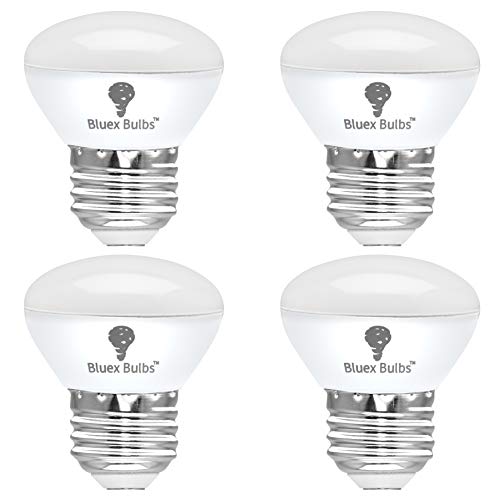
Bluex Bulbs R14 Mini Reflector LED 4-Pack

ALIDE 12V MR16 GU5.3 LED Bulb (Warm White)

ALIDE MR16 LED Bulbs 12V Landscape (Warm)

ALIDE MR16 LED Landscape Bulbs 12V

Feit Electric BR30 LED 5CCT 6-Pack

DEGNJU BR30 LED Bulbs Dimmable 6-Pack
A Deeper Look At The Lineup
If your ceiling cans already use BR30 floods and you’ve been eyeing a smart-home overhaul, these Philips Hue bulbs drop right into the same socket without rewiring. The BR30 shape matches standard 5- and 6-inch recessed housings, so most people can swap them in during an afternoon.
Without a Hue Hub, the free Bluetooth app handles up to ten bulbs in a single room, which covers a typical open-plan living area. Add the hub later, and the same bulbs join a whole-home Zigbee mesh with Alexa and Google Assistant. Compared to the Bluex R14 mini reflectors later in this list, these are full-size floods built for ceiling cans, not display shelves.
The Good Stuff
- Bluetooth-only path means you can skip the hub for a single room and still get app and voice control.
- Full color plus tunable white gives you one fixture that handles movie night, dinner parties, and focused work.
- Energy Star rated with a stated 25,000-hour lifespan, so a living room running three hours a day should last roughly two decades.
- Two-pack lets you start in one room and expand without committing to a huge bundle up front.
Things To Consider
- You’ll need the Hue Hub (sold separately) to unlock automations, away-from-home control, and more than ten bulbs.
- Voice control through Alexa or Google requires an extra setup step inside the Hue app, which can confuse first-time smart-light shoppers.
Feature Snapshot
Built With In Mind
Smart-home tinkerers and renters who want app and voice control without rewiring a single switch.
Where Another Pick Suits Better
For a plain, non-smart retrofit across many rooms, the DEGNJU BR30 6-Pack delivers the same BR30 fit at a fraction of the upfront cost.
Standard BR30 floods won’t fit where the housing is shallow, and that’s where this R14 mini reflector earns its keep. The shorter neck and E26 base let it slip into tight spots like curio cabinets, range hoods, and small recessed eyeball fixtures where a regular flood would stick out or hit the trim.
It’s a 4-watt bulb rated as a 40-watt equivalent, which keeps heat down in enclosed display cases. The 2700K warm white tone plays nicely with wood furniture and glassware. Compared with the Philips Hue smart bulb above, this is a much simpler swap, no app, no voice control, just screw it in and move on.
Useful Strengths
- Compact R14 form factor reaches recessed and enclosed fixtures the larger floods can’t.
- Dimmable range from full output down to zero, with no reported flicker or buzz on most dimmers.
- Standard E26 base means no transformer or rewiring is needed in most cabinets.
Points To Note
- The narrow beam is wrong for general room lighting, so this works best as a targeted accent.
- Four watts is modest compared with full-size BR30 floods, so don’t expect it to wash a whole kitchen.
The Right Fit
Anyone lighting curio cabinets, small display niches, or short-shallow recessed trims where a standard flood is too long.
Skip It When
For full-room ceiling cans, the DEGNJU BR30 6-Pack delivers far more output per fixture.
Low-voltage MR16 fixtures usually hide in landscape lighting, track heads, and some under-cabinet spots, and they need a 12V bulb with a GU5.3 bi-pin base. ALIDE’s 5-watt version slots into those fixtures and replaces the older 50-watt halogen that burned hot and drained the transformer.
The all-aluminum body is the headline feature, since aluminum pulls heat away from the LED chips far better than plastic. For an enclosed outdoor can, that kind of thermal headroom usually means the bulb lasts longer before dimming. Compare this to the ALIDE MR16 below; both are 12V bi-pins, but this one is marketed specifically toward enclosed fixtures.
The Value In It
- Aluminum housing instead of plastic helps the bulb shed heat in enclosed fixtures.
- 500-lumen output replaces older 50-watt halogens while using a fraction of the energy.
- Warm 2700K tone matches the cozy look most homeowners want outdoors.
- GU5.3 bi-pin base fits standard low-voltage MR16 sockets without an adapter.
Small Caveats
- You’ll still need a compatible 12V landscape transformer in the system, since these don’t run on household 120V.
- Not dimmable on every transformer, so check your existing dimmer’s compatibility before swapping a whole line.
Who It Suits Best
Homeowners retrofitting an existing low-voltage landscape or track system from halogen to LED without changing transformers.
Look Elsewhere When
For a sealed outdoor well light, the ALIDE MR16 Landscape Bulbs below are built for that exact use case.
Replacing a string of old 50W halogen MR16s is the kind of job most people put off because each bulb pulls real wattage. This ALIDE swaps in at 5W and keeps the same form factor, so the swap is purely a bulb change with the existing transformer and fixture.
It’s marketed for landscape use and rated for enclosed fixtures, which makes it a sensible pick for path lights, uplights, and small recessed soffit cans. The diameter sits at roughly two inches, matching the MR16 standard. It’s a more affordable path than the ALIDE model above, while still addressing 20W to 50W halogen replacements.
What Helps Most
- Replaces common 20W, 35W, 40W, and 50W halogens, so it covers most older landscape installs.
- Standard MR16 size keeps installation to a simple twist-out, twist-in swap.
- Works inside enclosed fixtures, which matters for sealed path lights.
Honest Caveats
- Some transformers need a minimum load, and swapping several halogens for low-watt LEDs can make the transformer flicker or shut off.
- For very wet locations, double-check the fixture’s IP rating even though the bulb itself tolerates enclosed use.
Made For
DIYers replacing an entire run of path or accent lights on an existing 12V transformer.
Consider Something Else When
For premium sealed well lights that run all night, the ALIDE Heavy Duty Landscape Bulbs below push a tougher build.
When bulbs disappear into sealed uplights and sit through summer heat, the housing material becomes the difference between two seasons and ten. ALIDE’s all-aluminum body plus an aluminum reflector are designed to spread heat away from the driver, which usually means a longer useful life in hot, enclosed fixtures.
At 5 watts and 450 lumens, the output lands in line with other 50W halogen replacements on this list. The bulb is built to drop into 12V landscape transformers driving path lights, well lights, and directional accent cans. Compared with the ALIDE MR16 above, this version leans harder into the sealed-fixture story.
What Works In Its Favor
- All-aluminum housing plus aluminum reflector work together to manage heat in enclosed fixtures.
- Compatibility with most 12V landscape transformers makes it a flexible swap-in choice.
- Targets the common 20W to 50W halogen range, so it fits a wide swath of older installs.
Practical Considerations
- At 450 lumens, it’s the dimmest of the ALIDE MR16 trio here, so expect a slightly softer beam.
- Like other 12V LEDs, dimming depends on the transformer and dimmer combo, which varies by brand.
Feature Snapshot
Best Suited To
Homeowners running landscape lighting in fully enclosed, sealed fixtures that bake in summer sun.
A Better Fit Elsewhere
For track lighting or indoor 12V accents that don’t trap heat, the standard ALIDE MR16 above is a slightly cheaper path.
Renovating room by room usually means the kitchen reads too cool while the bedroom reads too warm. Feit’s 5CCT bulb solves that by letting you dial between soft white, bright white, neutral, cool, and daylight from a switch on the bulb itself, so each room can pick its own tone without buying separate SKUs.
The BR30 shape fits standard 5- and 6-inch recessed cans and is rated as a 65-watt equivalent. The 6-pack covers most open-plan spaces in one purchase. Compared with the Philips Hue smart bulb earlier, this skips app and voice control in favor of a manual selector on the bulb.
What Pays Off
- Five selectable color temperatures on the bulb remove guesswork when matching adjacent rooms.
- Dimmable output suits living rooms, dining rooms, and bedrooms without separate purchases.
- BR30 form factor matches the most common residential recessed housing size.
- Six-pack covers a whole ceiling run at once.
Things To Weigh
- There’s no smart-home connectivity, so any scene control has to happen at the dimmer switch.
- The selectable CCT switch sits on the bulb body, which is harder to reach once installed in a tall ceiling.
Who Should Grab It
Folks redoing multiple rooms who want consistent fixtures but different color temperatures in each space.
Not Your Match When
For app-based scenes and voice control, the Philips Hue BR30 set above is the smarter pick, assuming you want to add a hub later.
When the goal is replacing a dozen aging cans across a whole floor, the budget tends to matter more than the feature list. DEGNJU’s BR30 6-pack checks the basics: E26 base, 65W-equivalent output, soft white tone, and dimming support with most LED dimmers.
CRI80 (Color Rendering Index, a measure of how accurately a bulb shows colors compared to natural light) means colors look reasonably faithful without going to the premium tier. The 15,000-hour rated lifespan translates to several years of normal household use. Compared with the Feit 5CCT above, this skips color-temperature switching for a friendlier entry-level price.
Strengths Worth Knowing
- Standard 7W draw replaces older 65W incandescents, cutting energy use per can.
- 650-lumen output suits living rooms, bedrooms, and hallways without feeling dim.
- E26 base matches virtually every standard recessed housing on the market.
- 6-pack covers a large room or a small home’s worth of cans in one purchase.
Less-Strong Areas
- CRI80 is fine for everyday use, but art studios or makeup mirrors benefit from CRI90+ bulbs.
- Fixed 2700K soft white means no in-room tone adjustments; if you want flexibility, the Feit 5CCT is a better fit.
Whose Shelf It Belongs On
Cost-conscious households tackling a whole-home ceiling swap with consistent fixtures across many rooms.
Another Choice May Suit
For smart control and color, the Philips Hue BR30 set earlier in this list is the upgrade path.
What Matters Most When Picking Led Bulbs For Recessed Lighting
Match the Shape and Base First
Before chasing lumen counts, confirm the bulb shape (BR30, R14, MR16, A19) and base type (E26, GU5.3, GU10). BR30 floods are the workhorse for 5- and 6-inch residential ceiling cans. MR16s with GU5.3 bi-pin bases live in low-voltage 12V landscape or track systems. Pull an old bulb and match the labeling before you order.
Brightness, Color Temperature, and CRI
Lumens tell you how bright a bulb is, while Kelvin (K) tells you the color temperature, with 2700K reading warm and yellow, and 5000K reading cool and blue. For most living spaces, 2700K to 3000K feels natural. CRI (Color Rendering Index) measures how accurately colors appear under the bulb; CRI80 is the everyday standard, while CRI90+ suits kitchens, bathrooms, and art displays.
Dimming, Smart Features, and Lifespan
A bulb marked dimmable should pair with an LED-compatible dimmer, since older incandescent dimmers can cause flicker. Smart bulbs like the Philips Hue add app and voice control at the cost of a hub or Bluetooth-only range. Look for 15,000-hour or higher lifespan ratings so a single swap lasts years under normal use.
Sealed-Fixture and Outdoor Considerations
Enclosed outdoor cans trap heat, so aluminum-bodied MR16s (like the ALIDE picks above) tend to outlast plastic versions in the same fixture. Always confirm the fixture’s wet-location rating before assuming any bulb is safe in an exposed uplight.
Smart Habits For Picking The Right Bulb
Pitfalls Shoppers Hit
Buying by wattage alone is the most common slip, since LEDs use far fewer watts than incandescents for the same brightness. A 7W LED can replace a 65W incandescent, so use lumens as the real comparison. Another trap is mixing dimmable and non-dimmable bulbs on the same circuit, which causes flicker even in the dimmable units.
When Paying More Pays Off
Spending more usually buys three things: higher CRI for richer color rendering, smarter thermal management for enclosed fixtures, and built-in smart features for app and voice control. For a single-room refresh on a budget, basic BR30s are fine. For whole-home smart control or art-grade color, the upgrade pays back in daily comfort.
Frequently Asked Questions
What bulb shape fits standard recessed ceiling cans?
Most residential recessed cans accept BR30 bulbs with an E26 base. Confirm your housing diameter (4-inch, 5-inch, or 6-inch) before ordering, since smaller housings sometimes need a smaller flood or an R20.
Can I put LED bulbs in old recessed fixtures?
Yes, in most cases. As long as the fixture uses a standard medium E26 socket and isn’t labeled incompatible with LEDs, a modern BR30 swaps in directly. For low-voltage MR16 fixtures, match the GU5.3 base and confirm the transformer is LED-rated.
Do LED recessed bulbs work with older dimmer switches?
Many do, but only with LED-compatible dimmers. Older incandescent dimmers can cause flicker, buzzing, or a limited dimming range. If you already own a dimmer and don’t want to replace it, look for bulbs specifically tested with that dimmer model.
How long do LED recessed bulbs usually last?
Most quality BR30 LEDs are rated for 15,000 to 25,000 hours. At three hours of daily use, that’s roughly 13 to 22 years before noticeable dimming, which usually beats older incandescents by a wide margin.
Is color temperature or brightness more important?
Both matter, but color temperature shapes the mood of the room more than raw lumens. A 2700K soft white at moderate brightness usually feels more comfortable than a cool 5000K bulb at twice the lumens. Pick the Kelvin first, then dial in brightness.
Closing Thoughts
The right bulb depends less on spec sheets and more on what’s already in your ceiling, how you use the room, and whether you want app control or a simple on-off experience. Match the shape and base first, then layer in brightness, color temperature, and features. Once those basics line up, any of the seven picks above will likely outshine the bulbs you’re replacing.