

A reliable flashlight used to mean a plastic tube that lived in a junk drawer, got used twice a year, and mostly served as a paperweight. Today the category is wider and more interesting, and a household lighting plan usually means a mix: something compact for the kitchen drawer, something rugged for the garage, something bright enough for storm prep, and maybe a few inexpensive ones to scatter around.
I put together this list for people who want a practical setup without overthinking it. Every pick below earns its spot for a specific reason, and I’ll flag where a different choice in this list might serve you better.
The Leading Options At A Glance

DEWALT 20V MAX LED Work Light (DCL040)

FASTPRO 18-Pack 9-LED Mini Flashlight Set

Streamlight 68750 Dualie 3AA HAZ-LO Flashlight

Energizer R-300 LED Emergency Safety Light
Energizer Vision PRO LED Flashlight

Energizer S-600 Solar + AA Hybrid Flashlight

Banral Rechargeable High-Lumen Flashlight
What Each Pick Brings To The Table
If you already own DEWALT 20V tools, this light is the most natural add-on in the lineup. It runs off the same battery platform, so you skip the charger and the battery cost that makes most lights expensive. The 110-lumen LED output is modest compared to dedicated flashlights, but it’s plenty for inspecting a crawlspace or illuminating a breaker panel.
An integral hook on the body lets you hang it from a pipe, ladder rung, or shop ceiling, and the head rotates so you can angle the beam where you actually need it. For homeowners who only need a flashlight a few times a year, it’s the rare work light that doubles as a household tool without buying into a separate ecosystem.
Where It Delivers
- Slides into an existing 20V battery collection, no charger required
- Built-in hook plus rotating head makes hands-free work easier
- Low heat output compared to older xenon work lights, safer near insulation
- Tool-site durability in a light you can also keep in the kitchen drawer
Things To Consider
- Battery and charger sold separately, so the real cost shows up if you don’t own the platform
- 110 lumens trails most modern flashlights on raw brightness
Feature Snapshot
Built With In Mind
DEWALT owners who want a flashlight that lives in the same toolbox as their drill and impact driver.
A Better Fit Elsewhere
The Streamlight 68750 Dualie 3AA suits people who want a dual-beam, intrinsically safe setup without buying into a battery platform.
Sometimes the smartest play is a fleet of cheap lights instead of one expensive one. The FASTPRO set ships 18 mini flashlights with AAA batteries already included, so you can put one in every drawer, car, and guest room without thinking about it. Each one delivers around 30 lumens through nine small LEDs, which is plenty for finding a dropped key or checking the circuit breaker at midnight.
The high-impact ABS shell with a rubber-coated grip feels sturdier than the price suggests, and the assorted colors make them easy to tell apart. This is the kind of household item you forget you bought until the power goes out and you’re handing one to a neighbor.
Notable Gains
- Batteries included, no extra trip to the store
- Multiple colors keep flashlights from wandering between family members
- Compact enough to stash in glove compartments and junk drawers
- Cost per light stays low even after replacing a lost one
Worth Noting
- 30 lumens per light is modest for outdoor use
- ABS plastic won’t survive hard drops the way aluminum-bodied lights do
- AAA replacements add up if you rotate through them quickly
Whose Shelf It Belongs On
Large households, dorm rooms, and anyone who wants a flashlight within arm’s reach in every room.
Skip It When
The Energizer Vision PRO LED Flashlight makes more sense for anyone who needs one bright, rugged light instead of a fleet of small ones.
The Dualie is the pick I keep coming back to for people who want one serious flashlight that does two jobs. Independent LEDs let you run a forward spot beam for distance, a downward flood beam for close-up work, or both at once so you walk a dark hallway without casting your own shadow. On spot alone, you get 140 lumens with enough candela (a measure of beam intensity at the center) to throw usable light down a driveway.
It’s rated intrinsically safe for hazardous locations, which is more certification than a household needs, but it also means the body is built to survive rough use. AA batteries keep it simple, and the polymer shell resists chemicals you might find in a garage or workshop. Compared to the FASTPRO set earlier, this is the opposite philosophy: one rugged tool instead of a dozen disposables.
Everyday Wins
- Dual-beam design covers distance and close-up at the same time
- AA power keeps you independent from specialty rechargeables
- Intrinsically safe rating translates to genuinely tough construction
- High-visibility yellow body is hard to misplace
Trade Offs
- Costs more upfront than any household-only option
- Spot beam runtime of 18 hours matters more on paper than in a kitchen drawer
- Bulkier than the FASTPRO mini lights, so it’s not a glovebox companion
Quick Facts
Made For
Homeowners with workshops, mechanics, and anyone who treats a flashlight like a real tool rather than a drawer afterthought.
Look Elsewhere When
The DEWALT 20V MAX LED Work Light is the better match for someone already invested in the DEWALT battery platform.
Emergency flashlights usually overpromise and underdeliver. The R-300 takes a more grounded approach: four modes including a red strobe for signaling, IPX4 water resistance (meaning it shrugs off splashes from any direction) for wet conditions, and a beam rated to reach up to 555 feet ahead on high. That last number sounds dramatic, but it reflects the brightest mode in clear conditions, and it’s reassuring when you’re scanning a yard during a power outage.
Batteries come included, so it’s ready to live in a hallway closet the day it arrives. The strobe and red strobe are genuinely useful for road-side emergencies or signaling searchers if you live in a storm-prone area. Compare that to the FASTPRO mini lights earlier, and you can see the trade-off: this is one capable emergency tool instead of dozens of basic ones.
What Earns Its Place
- Red strobe mode adds real signaling value beyond a basic flashlight
- IPX4 rating handles rain and accidental drops in puddles
- Long-throw beam covers driveways and parking lots
- Includes batteries, no extra purchase needed
Honest Caveats
- Four modes mean a slightly steeper learning curve than single-mode lights
- Throw distance drops fast in fog or heavy rain
Spec Overview
Perfect Match For
Households in storm-prone regions, RV owners, and anyone assembling a hurricane or blackout kit.
Reach For A Different Pick When
The Energizer S-600 Solar + AA Hybrid Flashlight is the better choice for off-grid campers who want a light that recharges without an outlet.
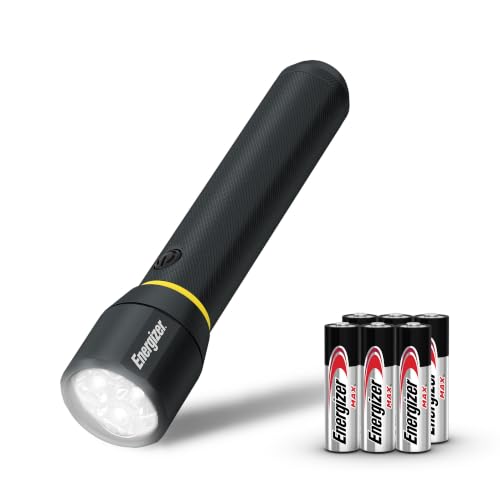
The Vision PRO is the pick I reach for when one flashlight needs to do everything. Aircraft-grade aluminum gives it real drop resistance, the IPX4 rating handles rain and splashes, and the LED puts out well over a thousand lumens on high. Digital Focus narrows the beam from flood to spot with a button press, so you can switch from lighting a whole room to pinpointing something across the yard.
It ships with six AA batteries, which is unusual and means you can use it the moment it arrives. For most people, this is more flashlight than a household strictly needs, but that’s also why it earns its place: when the situation calls for serious light, you don’t want to be holding a 30-lumen mini. Compared to the Streamlight Dualie earlier, the Vision PRO trades dual-beam versatility for raw output and a tighter beam.
The Helpful Details
- Aircraft-grade aluminum body holds up to daily wear and drops
- Digital Focus shifts from wide flood to narrow spot on demand
- Batteries included so it’s usable right out of the box
- Strong choice for both indoor power outages and outdoor work
Points To Keep In Mind
- High output drains batteries faster than lower-lumen options
- Larger than a glovebox light, so storage takes some planning
Feature Card
Who It Suits Best
Homeowners with acreage, frequent outdoor projects, or anyone who wants one premium flashlight that outclasses the rest of the drawer.
Where Another Pick Suits Better
The Banral Rechargeable High-Lumen Flashlight is the smarter pick for everyday carry since it fits a pocket and skips battery swaps.
The S-600 solves a specific anxiety: what happens when both the power and your spare batteries are gone? It runs on its internal rechargeable battery, charges via the built-in solar panel or a USB cable, and accepts two AA batteries as a fallback. That last point is what separates it from most rechargeables, since you can keep going even if the solar charge runs flat on a cloudy week.
IPX4 water resistance means rain and splashes are not a problem, and the body is bright enough to live in a glovebox or backpack. Where the FASTPRO set relies on a pile of disposables, this is the kind of light you actually want to maintain. Charge indicators on the side tell you when to top it up so you’re not surprised at 2 a.m.
Well-Handled Touches
- Solar plus USB plus AA fallback covers almost any power situation
- Visible charge indicators remove the guesswork
- IPX4 rating handles wet weather and accidental splashes
- Rechargeable design cuts down on battery waste over time
Small Caveats
- Solar charging is slow, so USB is the realistic daily path
- AA fallback still requires carrying spares, unlike sealed-cell rechargeables
Key Product Details
Right Fit For
Off-grid households, frequent campers, and preppers who want maximum flexibility in a single flashlight.
Consider Something Else When
The Energizer R-300 LED Emergency Safety Light fits better when you specifically need a red strobe mode for signaling.
The Banral earns its spot as the small flashlight that punches well above its size. It uses an upgraded LED chip that throws a focused beam far enough to light up objects at impressive distances, yet the body still slips into a coat pocket or glovebox. The internal battery is non-removable, which keeps the body sealed against splashes but means you charge it through a USB cable rather than swapping cells.
For everyday carry, this is the most practical light in the list. It’s noticeably more compact than the Energizer Vision PRO and brighter than the FASTPRO mini set, sitting in a comfortable middle ground. The trade-off is battery longevity over years: sealed packs eventually lose capacity, and there’s no quick swap option.
Practical Pluses
- Pocket-friendly size with serious long-throw capability
- Rechargeable design cuts recurring battery costs
- Sealed body resists splashes better than AA-compartment designs
- Strong value compared to premium brand-name compact lights
A Few Limitations
- Built-in battery means no instant swap to a fresh cell
- Long-term capacity loss is a known issue with sealed rechargeables
- Beam intensity at full power may shorten runtimes noticeably
Best Suited To
Anyone who wants a bright, pocketable flashlight for daily carry, walking the dog after dark, or keeping in a glovebox.
Another Choice May Suit
The Streamlight 68750 Dualie 3AA is the stronger match for users who prefer AA compatibility and a dual-beam setup.
Factors To Consider When Choosing Household Flashlights
Most people end up replacing flashlights because the original ones died, not because they chose poorly. Picking the right mix starts with how you’ll actually use them. A drawer light needs different strengths than a work light or an emergency light, and bundling those roles into one device usually means compromising on all of them.
Lumens tell you how bright a light is, but throw distance and beam shape matter just as much for everyday tasks. A wide flood beam is better for lighting a room during an outage, while a focused spot helps when you’re looking for the breaker box or scanning a yard. Materials make a real difference too: aluminum-bodied lights like the Energizer Vision PRO shrug off drops that would crack an ABS plastic shell.
Battery strategy deserves a thought. Rechargeable lights save money over time but need a power source to top up. AA and AAA lights work anywhere but cost more to keep fed. Solar plus USB hybrids, like the Energizer S-600, split that difference. For most households, the honest answer is a mix: one bright rechargeable for serious use, plus a few inexpensive backups for drawers and cars.
Smart Choices Before You Buy
Where Shoppers Go Wrong
The most common slip is buying one super-bright light and expecting it to live everywhere in your home. Bright lights are heavy, expensive to feed, and overkill for finding a pair of shoes at midnight. The other trap is grabbing the cheapest multipack without checking the lumens, since 30-lumen mini lights feel adequate at the store and frustratingly dim the first time the power goes out. Aim for a tiered setup instead of a single device doing every job.
What Separates Premium From Basic
Higher-priced household flashlights earn their money through better LED efficiency, tougher bodies, and smarter beam control. A premium light will often run cooler, last longer on a set of batteries, and survive the kind of drop that ends a budget model. For most households, the upgrade pays off when the light gets used weekly rather than twice a year, especially in garages, workshops, or storm-prone regions where reliability matters more than initial cost.
Frequently Asked Questions
How many lumens do I really need in a household flashlight?
For routine household tasks like reading meters or finding items in a closet, 30 to 100 lumens is plenty. For power outages and outdoor use, aim for at least 300 lumens, with 1000+ reserved for serious search and yard work.
Should I get rechargeable or battery-powered flashlights?
Rechargeables save money over time and tend to offer higher output, but battery-powered lights keep working during multi-day outages when outlets are scarce. Many households keep one of each.
What does IPX4 water resistance actually mean?
IPX4 means the light resists splashes of water from any direction, so rain and accidental drops in sinks are fine. It does not mean the light can be submerged, which would require a higher IP rating.
Are metal-bodied flashlights worth the extra cost?
For lights that get handled roughly or carried daily, aluminum bodies hold up far better than plastic. For lights that mostly sit in a drawer, the upgrade is less critical.
How long should a good household flashlight last on one set of batteries?
Run time varies widely by mode, but a quality LED light should run at least 8 to 10 hours on a low or medium setting. High-output turbo modes usually drain much faster, often within 1 to 3 hours.
The Takeaway
A thoughtful flashlight setup comes down to matching the light to the role. The FASTPRO set covers drawer duty, the Streamlight Dualie and DEWALT work light cover job-site and garage use, the Energizer R-300 and Vision PRO cover emergency and outdoor brightness, the S-600 covers off-grid charging flexibility, and the Banral handles everyday carry. Pick the one or two that fit your life, and you’ll stop worrying about finding a flashlight in the dark.