

I spend a lot of time outside after dark, and a weak headlamp is one of those things you only notice when it fails. Power cuts, campsite setup, evening dog walks, late trail runs, leaky pipe under the sink: hands-free lighting changes how comfortably you handle each of them. The right model balances brightness, weight, beam shape, battery behavior, and weather resistance. The wrong one is a cheap, heavy thing that pinches and dies early. I pulled together seven solid options across price, power, and purpose, and the list below covers everything from featherweight rechargeable units to tough industrial models built for hazardous work sites.
How The Shortlist Stacks Up

Nitecore NU25 360 Lumen Triple Output Rechargeable Headlamp
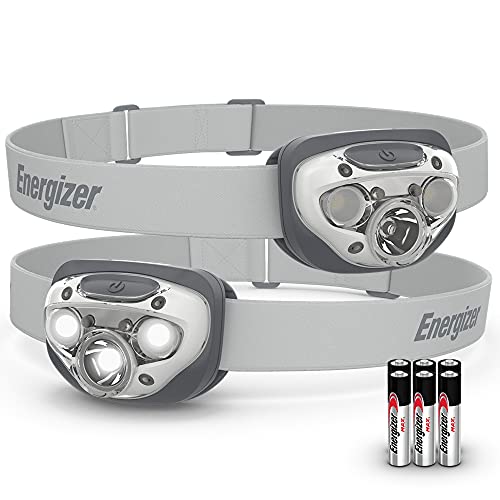
Energizer LED Headlamp PRO 2-Pack

Energizer Universal LED Headlamp 2-Pack

Energizer PRO-260 LED Headlamp

Nitecore NU20 Classic 360 Lumen Headlamp

Nightstick XPP-5458G Intrinsically Safe Headlamp

Northlet Rechargeable 6-Pack Headlamps 3000 Lumen
More Details On Our Top Picks
Most people I talk to want one headlamp that does everything without weighing them down. The NU25 is built around that idea. It runs a CREE XP-G2 S3 LED as the main beam, paired with a high-CRI auxiliary (CRI stands for Color Rendering Index, a measure of how accurately a light reveals true colors compared to natural daylight) and a red LED for preserving night vision. That triple-output setup is genuinely rare in a unit this small, and it means you stop carrying a separate reading light and red filter.
Weight is the second story here. At roughly 1.9 ounces with the band attached, it disappears on your forehead during a long run or a multi-day trek. The USB-rechargeable battery avoids the chore of stocking coin cells, which is a quiet but real win for backpackers. For most daily uses, this is the kind of headlamp you forget you’re wearing, in a good way.
Useful Highlights
- Triple light sources cover trail navigation, close-up tasks, and map reading from one unit
- High-CRI auxiliary renders skin tones and fabric colors accurately, handy for medical kits and detail work
- Sub-two-ounce weight with band makes it comfortable on long-distance runs and overnights
- Built-in USB charging removes the need to buy or pack spare batteries for short trips
- Red light mode protects night vision during astronomy sessions or shared campsites
Things To Consider
- 360 lumen peak is modest compared to the larger units in this lineup, so deep backcountry route-finding may feel underpowered
- USB port is exposed to sweat and rain despite splash resistance, so a small drying routine after wet hikes is wise
Quick Facts
Whose Shelf It Belongs On
Trail runners, ultralight backpackers, and anyone who wants one capable headlamp for both camp chores and after-dark commutes.
Swap It Out When
Step up to the Nightstick XPP-5458G if you work around flammable gases or vapors and need a safety-rated unit.
The first headlamp on this list leans into specialist design, but most households just need reliable lighting for the occasional outage or weekend project. The Energizer Vision HD PRO comes as a two-pack, which solves a real problem: one unit is always missing when the power goes out. Putting two in the kitchen drawer covers an entire family.
The 260 lumen main beam with roughly 80 meters of throw handles most practical tasks. The IPX4 water-resistance rating (a standardized scale where IPX4 means the unit resists splashing water from any direction) means rain, snow, or sprinkler splashes don’t end the night. For shared family use, two proven units tend to outlast one fancy one, simply because the backup is already in the drawer.
Advantages To Know
- Two-pack value covers a whole household at a sensible price per unit
- IPX4 rating shrugs off splashes during yard work and unexpected rain
- Adjustable strap fits adult and kid head sizes without slipping
- Simple mode switching makes it easy for first-time users to operate
Worth Noting
- Uses replaceable batteries rather than USB charging, so a steady supply of spares helps during extended trips
- Lacks the red light mode of the Nitecore units, so it isn’t ideal for preserving night vision at a shared campsite
- Plastic housing feels lighter than premium builds and can scratch over time
Who It Suits Best
Families keeping a backup in each vehicle, parents who want a unit for kids’ campouts, and anyone stocking an emergency drawer.
Consider Something Else When
The Northlet six-pack makes more sense if you regularly host large group trips where each person needs their own headlamp.
Sometimes the right answer is the simplest one. The Energizer Universal Plus ships as a compact, lightweight two-pack aimed at general-purpose lighting. It won’t impress anyone chasing lumen records, and that is part of the appeal. You grab one, switch it on, and get on with your project.
The hands-free design and modest weight make it useful for short indoor fixes, nighttime dog walks, or car kits. IPX4 water resistance keeps it functional during light rain. The included batteries get you started the moment the box opens, which matters more than people expect during a real outage.
Where It Delivers
- Included batteries mean zero setup before first use
- Compact body fits in a glove box, drawer, or small overnight bag
- Two-pack keeps one unit in the car and one in the kitchen
- IPX4 rating handles unexpected weather shifts
Honest Caveats
- Lower output than the PRO version, so it is less suited for serious outdoor navigation
- Beam pattern is fairly basic with limited mode options
- Battery replacement eventually adds to long-term ownership cost
Right Fit For
Anyone building a starter emergency kit, renters who just need dependable light for occasional fixes, and grandparents keeping a unit by the bedside.
Look Elsewhere When
The Energizer PRO-260 fits better when you want multiple beam modes and stronger trail performance in the same family.
Where the Universal Plus focuses on simplicity, the PRO-260 spreads its wings. It delivers 260 lumens on high mode and roughly 80 meters of beam reach, with several lighting modes including a red light option for night vision. That’s the mode I’d reach for most during shared campsites or storm prep when I want to keep my eyes adjusted.
The build feels sturdier than the Universal, which makes sense given its outdoor-leaning positioning. For campers, runners, and anyone weathering storms, the multi-mode setup means one headlamp adapts to a wide range of conditions. It weighs a bit more than the ultralight Nitecore units but trades that for stronger overall output.
Everyday Wins
- Six lighting modes including red night-vision preserve dark adaptation during storms
- 80-meter beam reach covers trail navigation and property checks
- IPX4 water resistance handles steady rain without worry
- Includes batteries so the unit works from the first switch-on
Trade Offs
- Heavier than the Nitecore NU25 and NU20, which matters on long-distance runs
- Mode cycling requires more button presses than simpler one-mode units
Quick Facts
Made For
Campers, night runners, and homeowners preparing for storm season who want flexible mode control without specialist pricing.
A Better Fit Elsewhere
Reach for the Nitecore NU20 Classic if ultralight comfort on long-distance runs matters more than mode variety.
The NU20 Classic is the kind of headlamp that earns its space in a one-bag travel kit. It weighs roughly 1.34 ounces without the strap, which is lighter than most keys on a chain, yet it still pushes 360 lumens with a beam throw around 119 yards. That combination is unusual, and it shows up immediately when you forget the headlamp is on your head.
The mode list covers three white brightness levels, SOS and beacon functions for emergencies, a soft reading light, and a red auxiliary for night vision. Rechargeable battery with fast charging rounds out a feature set built around users who treat gear weight as a daily variable. Compared to the older NU25, this unit trades a slightly different beam profile for additional safety features.
Good Reasons To Consider
- Under 1.5-ounce body weight disappears on a forehead during long runs
- 119-yard throw reaches trail blazes and trailhead markers from a distance
- SOS and beacon modes add a real safety layer for solo backcountry travel
- Fast USB-C charging minimizes downtime between trips
- Red auxiliary preserves night vision for shared sleeping platforms
Some Limits To Know
- Premium pricing relative to simpler two-pack options
- Plastic housing, while light, scratches more easily than rubberized industrial builds
Feature Snapshot
Best Suited To
Ultrarunners, thru-hikers, and weight-conscious travelers who still want strong throw distance and SOS signaling.
Not Your Match When
The Nightstick XPP-5458G serves better for industrial users working around flammable gases or hazardous dust.
Most headlamps on this list target recreation and home use. The Nightstick XPP-5458G exists for a different audience. It carries intrinsic safety ratings (engineering certifications that confirm a device cannot ignite surrounding flammable gases or combustible dust during operation), making it suitable for use in environments where explosive gases or dusts may be present. That’s not marketing language: it means oil and gas workers, miners, and chemical plant technicians can wear it without second-guessing the environment.
The beam reaches roughly 120 meters with a spotlight plus dual-brightness floodlight combination. White and red floodlight modes let users preserve night vision on shift work. The polymer housing keeps weight reasonable despite the rugged build, and it runs on three AA batteries included in the box. For most home users this is overkill, but for trade professionals it’s the right tool.
What Pays Off
- Intrinsic safety ratings cover real hazardous work environments
- 120-meter beam throw handles long corridors and large work areas
- Dual-light design pairs a focused spotlight with a wide floodlight for varied tasks
- AA battery power avoids reliance on hard-to-source recharge cables on remote sites
Practical Considerations
- Higher cost reflects specialized certifications that casual users don’t need
- Bulkier than ultralight recreational units, so it’s less comfortable on casual jogs
- AA batteries require steady resupply on multi-day industrial rotations
Feature Snapshot
Who Will Love This
Industrial technicians, miners, oilfield workers, and emergency responders needing a certified, safety-rated hands-free light.
Another Choice May Suit
The Energizer PRO-260 is a friendlier fit for general outdoor use where intrinsic safety certification isn’t required.
Buying one good headlamp is easy. Buying six that all work properly is harder, which is exactly the gap the Northlet six-pack aims to fill. The headline number is 3000 lumens from a small LED unit with a built-in rechargeable battery, plus a motion sensor for hands-free activation. That sensor is genuinely handy when your hands are full of firewood or a fishing rod.
Five lighting modes paired with five motion-controlled modes gives plenty of room to tune the beam to the task. The rechargeable battery reaches a full charge in roughly two hours, and depending on mode selection, owners can stretch a single charge across a long evening. For large families, scout troops, or group camping, having six matched units removes the usual scramble for working headlamps.
Notable Upsides
- Six matched units cover large groups without buying piecemeal over time
- Motion sensor mode lets you switch the light on without removing gloves or setting things down
- Five lighting modes plus red light handle everything from trail walking to map reading
- Rechargeable design avoids ongoing battery purchases during heavy use
Soft Spots
- Six-pack pricing is only worth it if you genuinely use all six units
- Motion sensor can trigger accidentally when packed in a busy bag, draining battery before use
- Single-brand reliability depends on each unit holding up identically across the set
Perfect Match For
Large families, scout troops, fishing clubs, and group camping organizers who want every member outfitted with one purchase.
Skip It When
The Nitecore NU25 fits better for solo travelers who care more about grams saved than fleet-wide outfitting.
What Matters Most Before Choosing Headlamps
Beam Output And Throw
The two numbers that matter most are lumens (total light output) and beam distance (how far the light reaches). A 200 lumen beam covers most campsite tasks, while 300+ lumen units with longer throw help on technical trail work. For indoor use and short walks, lower-output units often feel more comfortable because they don’t bounce off reflective surfaces at close range.
Weight, Fit, And Comfort
Headlamps that pin or bounce rarely get used. Lightweight units under two ounces disappear on your forehead during long runs, while broader padded bands help during multi-day treks. Adjustable elastic makes a real difference for shared use across family members.
Power Source And Runtime
USB-rechargeable batteries reduce long-term cost and simplify travel. Replaceable AA or AAA cells offer reliability when outlets aren’t available, which matters during winter storms or extended camping. Runtime claims vary widely by mode, so match the runtime to your typical use case rather than chasing the highest number.
Special Features For Real Use
Red light preserves night vision at shared campsites. Motion sensors help when hands are full. SOS and beacon modes add real safety value for solo backcountry travel. For hazardous work environments, intrinsic safety certifications aren’t optional: they’re a baseline requirement.
Key Considerations Across These Picks
Pitfalls Shoppers Hit
The most common mistake is buying on peak lumen count alone. A 3000 lumen headlamp that runs 30 minutes and weighs six ounces is worse for most users than a 300 lumen unit that lasts all night. Match output to task rather than chasing the brightest number. Another trap is ignoring the strap. A flimsy elastic band on a heavy housing turns every run into a constant adjustment battle.
Where The Extra Money Goes
Higher-tier models earn their cost through better LEDs, longer-lasting batteries, lighter materials, and meaningful certifications. Intrinsic safety ratings, for example, require engineering and testing that trickle into the price. If you only need a unit for casual use, the budget tier delivers real value. For professionals or serious outdoor users, the upgrade usually pays back through durability and reliability over years rather than months.
Frequently Asked Questions
How Many Lumens Do I Actually Need?
Most everyday tasks work well between 100 and 300 lumens. Trail running and search work benefit from 400+ lumens, but anything above that point mainly matters for short bursts rather than sustained use.
Are Rechargeable Headlamps Worth It?
For frequent users, rechargeable batteries save real money and reduce waste. Casual users who reach for a headlamp a few times a year may prefer replaceable batteries for long shelf life.
What Does IPX4 Actually Mean?
IPX4 is a standardized rating that confirms the unit resists splashing water from any direction. It does not mean the headlamp is submersible, so swimming with it is still a bad idea.
Can Children Use These Headlamps Safely?
Yes, though lighter units with simple on/off switches tend to work best. Adjustable elastic bands help the unit grow with the child, and a red light mode protects night vision during shared sleepouts.
How Long Should A Good Headlamp Last?
A well-cared-for mid-range headlamp typically serves three to five years of regular use before battery degradation becomes noticeable. Premium units with replaceable batteries can last considerably longer.
Bottom Line
The best headlamp is the one you’ll actually reach for when the lights go out. Match the build, output, and features to your real use case, and the rest of the decision tends to fall into place. A small, well-chosen light earns its space in your pack or drawer in ways a flashy one never will.