

There’s a particular satisfaction in stepping out onto a lit walkway at night, seeing your garden glow softly beneath a tree, or watching a path guide someone safely to the front door. Hardwired landscape lighting gives you that result without batteries dying or solar panels giving up on cloudy days. I put this list together for anyone wiring up a yard, replacing aging fixtures, or planning a full backyard refresh and looking for genuinely useful guidance.
The Lineup, Simplified

Gardencoin Solid Brass Low Voltage Landscape Pathway Lights (6″ Shade, 19″ Tall)

Gardencoin Low Voltage Pathway Lights (8.5″ Shade, 21.5″ Tall)
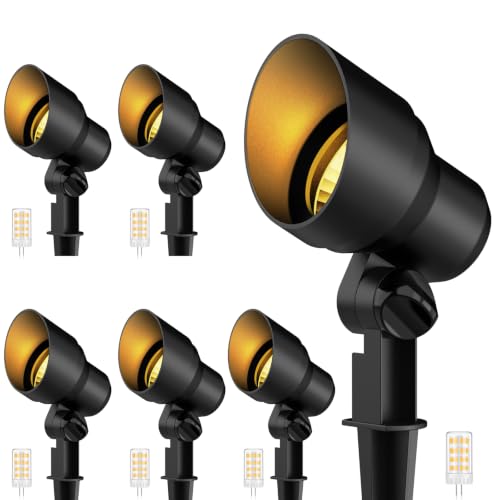
Gardencoin Low Voltage Landscape Spotlight with 4W G4 Bulb (6 Pack)

EDISHINE Low Voltage Landscape Lighting Glass Aluminum 6 Pack

Gardencoin Solid Brass Low Voltage Landscape Spotlights (6 Pack)

Gardencoin Low Voltage Landscape Spotlight with 5W MR16 Bulb (6 Pack)

VOLT Flat Hat 12V Solid Brass Mini Path Light (7″ Shade, 15″ Tall), Bronze
A Closer Look At Each Pick
Brass path lights earn their keep in the long run, and this Gardencoin set leans hard into that. The acid-washed antique bronze finish ages gracefully, and the double-tier pagoda shade gives it a little architectural character along a walkway. At 19 inches tall with a 6-inch shade, it casts a soft pool of light without shouting for attention.
For a homeowner who wants fixtures that survive pet collisions, sprinklers, and a few seasons of weather without flaking, this is the kind of pick that makes sense. Solid brass is heavier than aluminum, so installation takes a little more effort, but the trade is years of service in return.
A Favorable Mix
- Solid brass body resists corrosion far better than aluminum in damp climates
- Oversized ABS-embedded stake with brass insert handles bumps from kids, pets, and lawn tools
- 19-inch height gives genuine presence along a path without dominating the landscape
- Six-pack format covers a full walkway in one purchase
- Antique bronze finish blends with most home exteriors
Honest Caveats
- Bulb not included, so you’ll need to budget for G4 bulbs separately
- Heavier brass build makes ground insertion tougher in compacted or rocky soil
- Double-tier pagoda styling may not suit minimalist modern homes
Feature Snapshot
Right Fit For
A homeowner with a traditional or craftsman-style home who plans to keep fixtures in service for many seasons and values brass durability over aluminum lightness.
Look Elsewhere When
Modernists wanting a cleaner, low-profile silhouette should consider the VOLT Flat Hat 12V Solid Brass Mini Path Light, which trades the pagoda styling for a flatter, more contemporary shade.
Taller than your average path light, this Gardencoin model pairs a high pole with a wide, shallow cap, and the design pays off where you need broad ground coverage. The 8.5-inch shade sits at 21.5 inches overall, casting light in a five-inch-plus effective radius. That means fewer fixtures to do the same job, which is a real budget consideration over a long walkway.
The anti-glare downlight design keeps the bulb shielded so visitors aren’t squinting as they walk. Compared to the brass path light at the top of this list, this one trades material weight for height and spread, so it leans toward spacious driveways and garden paths where coverage beats close-up charm.
Key Advantages
- 21.5-inch height creates a wider light pool for fewer fixtures per linear foot
- Anti-glare shade design hides the bulb from direct line of sight
- 2700K soft white tone gives a warm residential glow rather than a clinical feel
- Aluminum body keeps the unit lighter and easier to reposition during layout
- Replaceable 3W bulb means you can swap tones or upgrade wattage later
Softer Spots
- Aluminum construction won’t outlast the solid brass option in this lineup
- Taller pole may look oversized next to short, low plantings
Made For
Homeowners with long driveways, wide walkways, or open garden paths who want fewer fixtures doing more coverage and prefer a softer warm-white tone over cooler light.
Consider Something Else When
Shoppers in coastal or humid regions should look at the Gardencoin Solid Brass Low Voltage Landscape Spotlights instead, which trade coverage for material that shrugs off salt air.
If you’ve ever cursed at an integrated LED fixture that died two years in and forced a full replacement, this Gardencoin spotlight speaks directly to you. The bulb and fixture are separate: when the bulb gives up, you swap a small G4, not the whole housing. That single design decision saves real money over the life of an installation.
The 4W output is modest, which suits accent work on a small ornamental tree or a textured wall. Compared to the heavier brass spotlights elsewhere on this list, this aluminum-bodied option is a friendly starting point for someone wiring their first yard.
What Works In Its Favor
- Replaceable G4 bulb keeps long-term ownership costs low
- Lightweight aluminum body is easy to reposition while planning layout
- Wired 12V design runs off any standard landscape transformer
- Six-pack covers multiple accent locations around a typical yard
Minor Gripes
- 4W output is gentle, so it won’t punch through heavy tree canopies from a distance
- Aluminum body won’t tolerate salty coastal air as gracefully as brass alternatives
Feature Card
Best Suited To
A first-time installer who wants replaceable bulbs, lighter handling, and enough accent light for shrubs, small trees, and a garden focal point.
A Better Fit Elsewhere
Anyone needing stronger throw to wash a two-story façade should reach for the Gardencoin Low Voltage Landscape Spotlight with 5W MR16 Bulb, which delivers more punch from the same form factor.
The thing that sets this EDISHINE set apart is the transparent glass lens cover. Most aluminum path lights use frosted or sealed plastic tops that mute the output; here, the full-gloss glass keeps the light bright and uniform while still looking refined along a courtyard edge.
It’s the most atmosphere-focused pick in this lineup. If your goal is to make a sitting area or patio border feel inviting rather than simply functional, the glass lens approach is worth considering. The aluminum body keeps weight reasonable, though long-term coastal durability leans toward the brass options reviewed earlier.
The Good Stuff
- Transparent full-gloss glass lens delivers brighter, more uniform light than typical frosted tops
- Aluminum alloy body is lighter and easier to install than brass equivalents
- Glass resists the yellowing that plastic covers sometimes develop
- Six-pack covers a complete courtyard edge in a single purchase
Points To Note
- Glass lens requires a bit more care during installation to avoid cracking
- Aluminum housing is less corrosion-resistant than the brass alternatives above
Who Will Love This
Homeowners focused on evening ambiance for a patio or courtyard who want a brighter, more jewel-like glow than typical path fixtures deliver.
Skip It When
Coastal-property owners dealing with salt spray should consider the Gardencoin Solid Brass Low Voltage Landscape Spotlights, which prioritize material resilience over lens character.
Humidity is the enemy of most outdoor fixtures, and brass is the traditional answer. This Gardencoin spotlight leans on solid brass construction specifically for environments where aluminum would surrender early. Coastal air, pool decks, and humid Gulf-state yards are exactly the conditions where this build earns its keep.
Bulbs aren’t included, so you’ll need to plan for that, but the upside is flexibility: you choose the wattage and color temperature that fits your yard. Compared to the aluminum spotlights reviewed earlier, this one trades a little ease of installation for years of trouble-free service.
A Few Highlights
- Solid brass resists rust and corrosion in coastal and humid environments
- Bronze finish ages into a richer patina over years of outdoor exposure
- Heavy-duty build handles accidental impact better than thin aluminum
- Bulb sold separately, letting you choose wattage and color temperature
Worth Noting
- No bulb included, so total cost rises once you add a compatible lamp
- Heavier brass body takes more effort to drive into compacted ground
Quick Facts
Whose Shelf It Belongs On
A coastal, lakeside, or poolside homeowner who has watched aluminum fixtures pit and corrode and wants a permanent upgrade that handles moisture without complaint.
Reach For A Different Pick When
Anyone on a tighter budget with a milder climate should consider the Gardencoin Low Voltage Landscape Spotlight with 4W G4 Bulb, which delivers similar accent results in aluminum for less.
Aiming landscape lights is rarely a one-and-done job, and the rotation range on this Gardencoin spotlight answers that frustration directly. The 360° rotating shade and 120° adjustable knuckle let you fine-tune direction without unstaking and repositioning the whole fixture. For a yard with sculptural trees or a textured façade, that flexibility is the headline feature.
The 5W MR16 bulb delivers noticeably more punch than the 4W G4 option reviewed earlier, so it suits taller trees and broader wall washes. The die-cast aluminum body has a frosted baked finish that resists corrosion better than raw castings.
Notable Upsides
- 360° rotating shade plus 120° knuckle adjustment covers nearly any aiming angle
- 5W MR16 bulb gives stronger throw than lower-wattage accent fixtures
- Tempered glass lens holds up to weather without yellowing
- Frosted baked paint finish adds a layer of corrosion resistance over standard cast aluminum
- Six-pack covers multiple trees or wall accents in one layout
Trade-Offs
- Aluminum still falls short of brass in coastal environments
- Adjustable knuckle can loosen over time and may need occasional tightening
Built With In Mind
A homeowner with trees, statues, or textured walls who wants to dial in exact beam angles without fighting the fixture during installation.
Swap It Out When
Anyone in a salt-air environment prioritizing longevity over aiming flexibility should consider the Gardencoin Solid Brass Low Voltage Landscape Spotlights, which sacrifice rotation for material durability.
The flat-hat shade on this VOLT path light is the most architecturally understated in this lineup, and that matters if your home leans modern. At 15 inches tall, it sits lower than the Gardencoin path lights reviewed earlier, which gives it a discreet presence along contemporary walkways and minimal plantings.
The UL/cUL listing is the quiet advantage here: most landscape fixtures skip third-party safety certification, and that listing gives an installer and inspector confidence the wiring and housing meet recognized standards. For code-conscious projects, that detail alone can justify the spend.
Bright Spots
- Solid brass construction ages gracefully and resists corrosion
- 15-inch height sits below eye level for a low-profile modern look
- UL/cUL listing offers documented safety compliance most competitors skip
- Flat-hat shade directs light downward, reducing glare for passersby
A Few Limitations
- Lower height produces a smaller light pool, requiring closer fixture spacing
- Premium positioning reflects in cost compared to aluminum options
At A Glance
Who Should Grab It
A homeowner with a modern or contemporary exterior who values discreet fixtures, third-party safety certification, and a material that ages with character.
Where Another Pick Suits Better
Anyone wanting a wider light spread from fewer fixtures should consider the Gardencoin Low Voltage Pathway Lights with 8.5″ Shade, which uses height to cover more ground per fixture.
What To Weigh Before Wiring Your Yard
A few core choices shape every landscape lighting project. Voltage, material, beam shape, and bulb serviceability all matter more than the finish color once the lights are actually in the ground.
Low Voltage Versus Line Voltage
Low-voltage landscape lighting runs on 12V current from a transformer, which makes it safer to install and easier to expand over time. Most of the picks in this roundup are 12V, which is the right call for homeowners handling their own wiring. Line-voltage systems require an electrician and trenching, which is overkill for most residential yards but worth considering for large estates.
Material Matters More Than Finish
Aluminum is lighter and easier to install, and it works fine in mild climates. Solid brass costs more and weighs more, but it shrugs off humidity, salt air, and poolside chemical exposure. For coastal, lakeside, or humid-region installs, brass pays for itself through longer service life. For inland temperate climates, aluminum holds up well and saves effort.
Beam Shape And Fixture Purpose
Path lights cast a wide, low pool of light to guide feet safely. Spotlights focus a narrower beam upward for accent work on trees, façades, and garden features. Picking the right fixture type for each location matters more than picking the prettiest finish. A row of spotlights along a walkway wastes their directional strength, and a path light trying to wash a two-story wall comes up short.
Bulb Replaceability Saves Money
Integrated LED fixtures look sleek, but when the LED eventually dims, the whole fixture gets replaced. Fixtures with replaceable bulbs like MR16 or G4 let you swap just the bulb for a fraction of the cost. For an installation expected to last a decade or more, that serviceability is worth prioritizing.
Key Considerations Across These Picks
Pitfalls Shoppers Hit
One of the most common mistakes is underestimating how many fixtures a project actually needs. A path that looks fine during a sunny test day can disappear at night without enough light overlap. Plan for closer spacing than feels intuitive, since adjacent fixtures should overlap their light pools by about a third.
Another trap is mixing fixture heights randomly along the same path. A short 15-inch light next to a 21-inch one creates an uneven visual line and uneven ground coverage. Match heights within a single run, and vary them only where the path geometry changes, like steps or curves.
What The Higher Tier Buys
Spending more on solid brass, third-party safety listings, and corrosion-resistant finishes buys time. A premium fixture might cost more up front, but spread over fifteen years of service, the annual cost is often lower than replacing a cheaper aluminum fixture twice. The honest read is that the upgrade pays off most clearly in coastal, humid, or poolside environments where lower-tier materials struggle.
Frequently Asked Questions
How many landscape lights do I need for a typical walkway?
Most walkways need a fixture every six to eight feet for even coverage, with tighter spacing on steps or curves. Long straight runs can stretch spacing to eight feet, while switchback paths benefit from closer placement to mark each turn.
Can I install hardwired landscape lighting myself?
Low-voltage 12V systems are friendly for DIYers with basic wiring comfort. You’ll need a transformer, low-voltage cable, and weatherproof connectors. Line-voltage systems require an electrician and a permit in most jurisdictions.
What’s the difference between path lights and spotlights?
Path lights cast a wide, downward pool to guide feet safely. Spotlights focus a narrower beam upward or sideways to accent trees, walls, and garden features. Pick based on whether you’re lighting the way or lighting the view.
How long do brass landscape lights really last?
Solid brass fixtures routinely last fifteen to twenty years in mild climates and even longer when properly maintained. The main wear point is usually the bulb, not the housing, which is why replaceable bulbs save money over the life of an install.
Do I need a transformer for low-voltage landscape lighting?
Yes, every 12V low-voltage system requires a transformer to step down household current. Match the transformer’s wattage capacity to the combined load of your fixtures, with about twenty percent headroom for future expansion.
Bottom Line
The right hardwired landscape lighting depends on climate, fixture purpose, and how long you want the system to last. Coastal and humid yards reward brass, mild climates welcome aluminum, and every project benefits from replaceable bulbs. Pick the fixture type that matches each location, plan spacing before buying, and the result should serve your yard well for many seasons.