

Indoor gardening used to mean a sunny windowsill and crossed fingers. Now I see people growing basil through January, starting tomato seedlings on bookshelves, and keeping succulents alive through long winters. The right grow light bulb makes all of that possible, especially when natural light is limited.
The trick is matching bulb type, color temperature, and base size to your setup. I’ve pulled together nine solid grow light bulbs across different form factors and feature sets, from basic A19 replacements to dimmable models with built-in timers. Each one solves a slightly different problem, so the right pick depends on what you’re growing and where.
The Lineup, Simplified

Briignite LED Grow Light Bulb A19 Full Spectrum

Briignite Full Spectrum Grow Light Bulb LED

Briignite 2 Pack LED Grow Light Bulb BR30

Barrina OG11A Grow Light Bulb 4000K 11W White
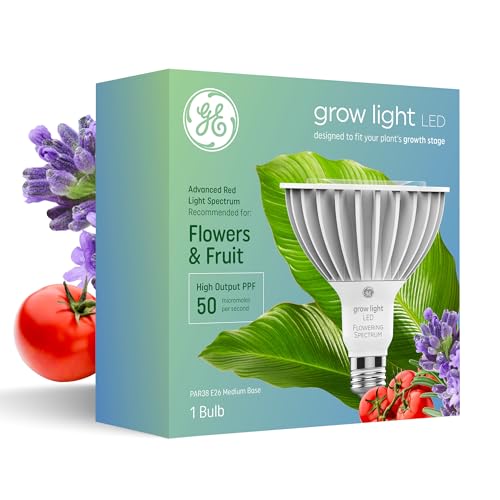
GE Grow LED PAR38 Flood Light Bulb

Barrina OG11A Grow Light Bulb 5000K 2-Pack White

GE Grow LED PAR38 Indoor Grow Light Bulb

Barrina OG11A Grow Light Bulb 4000K 2-Pack Black

Barrina OG11A Grow Light Bulb 5000K 2-Pack Black
More On The Choices That Made The List
The A19 shape is the classic bulb silhouette, and that matters more than people expect. It screws into any standard E26 socket, which means I can drop it into a desk lamp or a clamp fixture without rewiring anything. For someone starting out with a single herb pot on a kitchen counter, that’s the lowest possible friction.
Color temperature here reads as a neutral 4000K to the eye, so the light doesn’t feel harsh or purple like older grow bulbs. It looks like a soft white, which matters in living spaces where a magenta glow would feel out of place.
The Upside
- Fits standard E26 sockets found in most household lamps and clamp fixtures
- Neutral 4000K appearance blends into living spaces without screaming “grow room”
- 180-degree beam angle covers a wide tabletop or single mid-size plant
- LED efficiency keeps heat output low, safe for close placement on tender seedlings
- Full spectrum supports leafy herbs through their entire growth cycle
Things To Consider
- Single-bulb packaging means outfitting a full shelf means buying multiples
- No onboard timer or dimmer, so an external smart plug handles scheduling
Key Specs
Who It Suits Best
First-time indoor growers with one or two herbs who want a no-fuss bulb that disappears into their existing lamp setup.
Where Another Pick Suits Better
The Barrina OG11A Grow Light Bulb 4000K 11W White fits anyone who’d rather skip the smart-plug step and get dimming built right onto the bulb.
Stepping up from the first Briignite, this sibling model leans cooler at 5000K, which is closer to natural daylight. For a plant shelf in a room where you also read or work, that cooler tone tends to feel more energetic and less cozy, depending on your taste.
The shape and base match the previous A19, so I treat it as a tonal alternative rather than a structural upgrade. If you’ve already got a fixture and want a slightly brighter, crisper feel, swapping bulbs is faster than swapping fixtures.
Features That Help
- Cooler 5000K output mimics midday sun, useful for vegetative growth stages
- Same A19 footprint as Pick 1, so existing fixtures work without modification
- Full spectrum covers fruiting and flowering plants like tomatoes and peppers
Points To Note
- The cooler tone can read clinical in a bedroom or warm-toned living space
- Still lacks dimming or timer, so external scheduling accessories add cost
Made For
Vegetable and herb growers who want a daylight-like color temperature that supports stockier vegetative growth during darker months.
Consider Something Else When
Anyone decorating a cozy reading nook with greenery will likely prefer the warmer 4000K Briignite LED Grow Light Bulb A19 Full Spectrum for a softer ambient feel.
BR30 is a flood-lamp shape, wider at the face than an A19, and that’s the whole point here. Where the A19 concentrates light on a small zone, this shape spreads it across a wider tray of seedlings or a row of pots on a shelf. Two-pack format also means I’m covering a shelf without buying bulbs one at a time.
The 3500K color reads warm and natural to my eye, which fits well in dining rooms or open kitchens where I’d rather not have anything that looks “lab-grade.” For most people growing basil or lettuce in a sunny kitchen window, this hits a nice middle ground.
Useful Highlights
- Flood-style BR30 shape blankets a wider area, ideal for seedling trays or grouped pots
- Two-pack packaging lowers the per-bulb cost for shelf-wide setups
- 3500K tone looks neutral-warm in living spaces without harsh blue cast
- Full spectrum supports tomatoes, peppers, leafy greens, and herbs across growth stages
Honest Caveats
- BR30 shape needs a fixture with enough clearance for the wider face
- Lacks dimming, so light intensity must be managed by raising or lowering the fixture
Best Suited To
Multi-plant gardeners running a dedicated shelf or small indoor greenhouse who want wider coverage from a standard screw-in bulb.
Look Elsewhere When
A single windowsill herb gardener will find the narrower A19 from Pick 1 a simpler fit that doesn’t waste spread on a tiny pot.
This is where the list shifts from pure “bulb” into “small fixture.” Barrina built a stepless dimmer and a 4/8/12-hour timer directly into the base of the OG11A, with a small control panel right on the bulb. No smart plug, no app, no extra hub. For someone who travels or simply forgets to flip a switch, that on-bulb automation removes a daily annoyance.
The 4000K tone stays neutral and 11 watts is gentle on electricity while still covering a single mid-size plant. Compared to the bare-bones Briignite A19 earlier in this list, the OG11A trades a slightly higher price for control features that, for many people, justify the upgrade on their own.
What Earns Its Place
- Onboard stepless dimming lets me tune intensity without raising the fixture
- Built-in 4/8/12-hour timer automates light cycles without a smart plug
- Standard E26 base fits the same fixtures as any household bulb
- Control panel sits on the bulb itself, no separate accessories to lose
Room For Improvement
- On-bulb controls add bulk, so deep-recessed fixtures may not seat cleanly
- Single-pack format means multi-bulb setups require matching purchases
- Control buttons on the bulb itself can be bumped or nudged accidentally when adjusting the lamp
Perfect Match For
Busy plant parents and frequent travelers who want consistent light cycles without buying extra smart-home gear.
A Better Fit Elsewhere
Budget shoppers running multiple bulbs across a long shelf will save more with the two-pack Briignite BR30 from Pick 3, even without the timer feature.
The PAR38 is a serious bulb shape, the kind you’d see in track lighting or recessed cans. It puts out more focused, higher-intensity light than any of the A19 or BR30 options above, and GE rates it at 50 micromoles per second of photosynthetic photon flux. That spec matters because fruiting and flowering plants demand more usable light than leafy herbs do.
For a tomato plant in a living-room corner or peppers overwintering indoors, this kind of output is closer to what they’d get outdoors in summer. The trade-off is a larger bulb that needs a fixture with real clearance.
What It Does Well
- Higher PPF output supports fruiting and flowering stages that weaker bulbs can’t drive
- PAR38 flood shape delivers focused, directional light exactly where plants need it
- Natural daylight appearance avoids the purple look of older grow lights
- Works in standard track or recessed fixtures found in many homes
Worth Bearing In Mind
- PAR38 size won’t fit smaller desk lamps, requiring a dedicated fixture
- Higher output generates more heat, so spacing from foliage matters during long cycles
Who Will Love This
Tomato, pepper, and flowering-plant growers who need stronger light than typical herb bulbs deliver, and who already have a fixture ready for a PAR38.
Reach For A Different Pick When
Anyone growing only lettuce or leafy herbs will overspend on output they don’t need and may prefer the gentler Briignite BR30 from Pick 3.
Same Barrina OG11A platform as Pick 4, but the cooler 5000K tone and the two-bulb bundle change who it’s for. The cooler color temperature leans closer to crisp midday sun, which suits vegetative growth and bright workspace aesthetics, especially in a craft room or office corner where plants double as decor.
Two bulbs also means I can light a wider shelf or a pair of fixtures with matching control panels, which keeps the dimming and timer setup consistent across the whole setup.
Practical Advantages
- Cooler 5000K tone encourages vegetative growth and feels alert in workspaces
- Two-pack format suits matching fixtures across a wider shelf
- Built-in dimming and timer on each bulb keeps automation identical throughout the setup
Some Limits To Know
- Cooler color reads clinical in cozy living rooms, depending on existing lighting
- Same fixture-clearance caveat as the single-pack OG11A from Pick 4
The Right Fit
Home-office and craft-room growers who want bright daylight tones and matching controls across multiple bulbs.
Swap It Out When
Anyone decorating a warm-toned living room will find the 4000K Barrina OG11A Grow Light Bulb 4000K 11W White easier on the eye and equally functional.
This is the sibling PAR38 to Pick 5, but tuned for the earlier stages of growth. GE positions this version for seedlings, leafy greens, and herbs at all stages rather than fruiting crops, which makes it a strong fit for someone starting a tray of lettuces or moving young plants from propagation to vegetative growth.
The balanced spectrum appears as natural light rather than the purple-pink glow of older grow bulbs. For most people who care how their indoor garden actually looks in a shared space, that natural appearance is the deciding factor.
Well-Handled Touches
- Balanced spectrum output suits seedlings, leafy greens, and herbs through every stage
- Long 25,000-hour rated lifespan reduces replacement frequency in always-on setups
- Natural-light appearance keeps the bulb from looking like lab equipment
- PAR38 flood form factors into standard track and recessed fixtures
Trade-Offs To Consider
- Same fixture-size requirement as Pick 5, so smaller lamps won’t accommodate it
Key Specs
Whose Shelf It Belongs On
Seed-starting gardeners and salad-green growers who want stronger output than A19 bulbs but don’t need fruiting-stage intensity.
Another Choice May Suit
For fruiting tomatoes and peppers specifically, the GE Grow LED PAR38 Flood Light Bulb from Pick 5 is the better-matched GE option.
The black housing on this OG11A version is a small detail that matters more in modern interiors than in a basement grow tent. If the bulb sits in a visible fixture, like an exposed socket pendant or a clamp lamp in a living area, the matte black reads more intentional than the white housing of Pick 4 and Pick 6.
Functionally, it carries the same 4000K tone, 11W draw, and onboard dimmer and timer panel as the other Barrina OG11A models. The trade-off is purely aesthetic.
Advantages To Know
- Black housing blends with modern and industrial-style fixtures and decor
- Two-bulb format lights a full shelf with consistent controls on each bulb
- 4000K tone keeps the room looking natural rather than clinical
Small Caveats
- Black finish shows dust and fingerprints more visibly than white versions
Right Fit For
Style-conscious plant owners with visible fixtures in modern or minimalist interiors where bulb color matters.
Not Your Match When
Anyone setting up a tucked-away utility shelf will save money with the white-housing Barrina OG11A Grow Light Bulb 4000K 11W White and get the same performance.
The final entry combines the cooler 5000K daylight tone with the black housing, and that’s the point. It’s the most “studio-like” bulb on this list, suitable for a dedicated plant corner in an office or creative workspace where cooler light and a darker fixture feel right at home.
The Barrina OG11A control features, dimming and timer, stay identical across the family, so I’m picking this version purely on aesthetics and tone.
Key Advantages
- Cool 5000K daylight tone supports alert, focused environments
- Black matte finish suits dark or industrial-themed fixtures
- Two-pack keeps dimmer and timer controls consistent across a multi-bulb shelf
Practical Considerations
- Cool tone reads sterile in warm-toned rooms, depending on existing lighting
- Same on-bulb control panel can be nudged if the fixture is bumped often
- Black finish shows dust buildup more visibly than white alternatives in open-air fixtures
Who Should Grab It
Studio and office growers who want daylight-toned lighting and a fixture-friendly dark finish in one package.
Where A Sibling Pick Shines
For a warmer, cozier living-room setup, the Barrina OG11A Grow Light Bulb 4000K 11W White delivers the same controls with a softer color temperature.
What Matters Most When Picking Grow Light Bulbs
Match The Bulb Shape To Your Fixture First
The biggest practical decision is whether your existing lamp accepts an A19, a BR30, or a PAR38. A19 is the universal household bulb shape, BR30 is a wider flood style for shelving, and PAR38 is the heavy-duty track-lighting format with higher output. Buying the wrong shape is the most common reason a grow light disappoints, since even the best bulb can’t help if it doesn’t physically fit.
Color Temperature Drives Both Plants And Ambiance
Color temperature, measured in Kelvin, controls how the light looks to your eye and how plants respond. Lower Kelvin values like 3500K read warmer and suit living spaces, while 5000K and above mimic midday sun and tend to support vegetative growth. Pick the tone that matches your room first, then confirm the spectrum covers your plant’s growth stage.
Output And Beam Coverage Set The Real Limit
Lumen counts tell you brightness, but beam angle tells you how that brightness spreads. A narrow beam concentrates light on a single plant, while a 180-degree spread blankets a shelf. For fruiting plants like tomatoes, photosynthetic photon flux (PPF) matters more than raw lumens because it measures light the plant can actually use for photosynthesis.
Smart Features Matter When You Travel Or Forget
Built-in timers and dimmers on the bulb itself remove the need for extra smart plugs or app-based scheduling. For most casual growers, that convenience is worth a modest price increase, especially when light cycles need to stay consistent to avoid stressing the plants.
Key Considerations Across These Picks
Where Shoppers Go Wrong
The most common slip-up is buying a bulb based on wattage alone, since wattage measures energy use rather than usable plant light. Two 11W bulbs can deliver very different growing results depending on spectrum quality and beam angle. A more reliable approach is matching the bulb shape and Kelvin rating to your fixture and your plant type, then verifying the spectrum supports the right growth stage.
Where The Extra Money Goes
Higher-tier bulbs in this category typically add onboard dimming, built-in timers, longer rated lifespans, or higher PPF output for fruiting stages. The premium is worth it for serious growers running always-on setups or anyone who travels frequently enough that automation actually matters to them.
Frequently Asked Questions
What Color Temperature Grow Light Bulb Should I Choose?
For leafy herbs and general indoor use, 4000K reads natural and supports most growth stages. For vegetative growth and brighter workspaces, 5000K mimics midday sun. Fruiting and flowering plants benefit from either, paired with higher output.
How Far Should A Grow Light Bulb Hang Above My Plants?
Most A19 and BR30 bulbs work well at six to twelve inches above seedlings and small herbs. PAR38 bulbs with higher output can sit a bit further back, around twelve to eighteen inches, depending on how the plant responds.
Can I Use A Regular Lamp For Grow Light Bulbs?
Yes, as long as the fixture accepts the bulb’s base size (usually E26) and has clearance for the bulb shape. Standard desk lamps and clamp lights work fine for A19 bulbs, while PAR38 bulbs need track or recessed fixtures.
Do Grow Light Bulbs Use A Lot Of Electricity?
Most LED grow bulbs in this list run between 11 and 25 watts, costing only pennies per day to run for typical schedules. They’re far more efficient than older fluorescent or HID grow lights for the same plant coverage.
How Long Should I Leave Grow Lights On Each Day?
Most herbs and leafy greens thrive on fourteen to sixteen hours of light per day, while fruiting plants can use up to eighteen hours. Built-in timers on bulbs like the Barrina OG11A models simplify this without extra accessories.
Closing Remarks
The right grow light bulb depends less on wattage and more on matching shape, color temperature, and output to your fixture and your plants. A simple A19 covers most herb growers, while serious fruiting crops benefit from a PAR38 with stronger PPF. For automation and convenience, the Barrina OG11A family delivers genuine built-in controls that plain bulbs skip. Pick the bulb that fits your space, and let the plants do the rest.