

A flat tire on a dark road, a fender-bender at dusk, a dropped phone under the seat, a roadside emergency where every second matters. A good flashlight earns its place in the car because nights, breakdowns, and bad weather don’t wait for a garage. I pulled together ten solid options covering everything from compact pocket lights to heavy-duty beams, plus a few accessories worth stashing alongside.
The Shortlist At A Glance

Streamlight 75712 Stinger 425-Lumen Flashlight (Black)

OLIGHT Baton4 Pro EDC Rechargeable Flashlight (Black)

ADDplus Magnetic Flashlight 9 Modes (Black)

ADDplus Magnetic Flashlight 18 Modes (Green)

Streamlight 22051 DC1 Charge Cord
Hoxida 2000-Lumen Rechargeable Flashlight

MagLite ML300L 2-Cell D LED Flashlight

SABRE Safe Escape 3-in-1 Car Tool
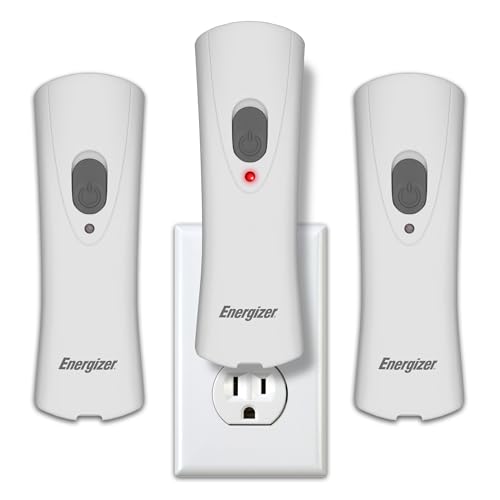
Energizer Auto-On LED Flashlights 3-Pack

ADDplus Magnetic Flashlight 18 Modes (Silver)
Taking A Closer Look At The Options
The Stinger has lived in police cars, fire trucks, and mechanic bays for years, and that kind of adoption tells you it can take a beating. The aluminum body feels reassuringly heavy without being a brick, and a non-slip grip means greasy hands from a roadside tire change won’t send it skittering into the grass. Its 425-lumen high beam pushes light 322 meters down a dark rural road, which is more than most people ever need from a trunk light.
Compared to the pocket-friendly OLIGHT baton that follows, this is the grown-up choice: bigger, sturdier, with a charging cradle. It weighs noticeably more and won’t slip into a jeans pocket. For someone who already keeps an emergency kit in the trunk and wants one tool to handle everything, the Stinger’s combination of beam reach, build, and proven track record makes it a sensible anchor pick.
What Makes Sense
- Anodized aluminum body shrugs off drops and rough trunk life.
- Four lighting modes (high, medium, low, strobe) cover routine tasks and emergency signaling.
- Included charging cradle means it’s ready to go from day one.
- IPX4 water resistance handles rain and slush without drama.
Worth Noting
- Heavier than compact EDC options, so it lives in the trunk rather than a pocket.
- Strobe mode is a nice extra but can confuse first-time users.
Key Specs
Best Suited To
Trunk-stash duty for commuters, tradespeople, and anyone who already has an emergency kit.
Reach For A Different Pick When
Pocketable carry matters more than reach, in which case the OLIGHT Baton4 Pro EDC is the lighter, glove-box-friendly alternative.
Where the Streamlight Stinger is a workhorse, the OLIGHT Baton4 Pro is the kind of light you forget you’re carrying until you need it. It tucks into a glove box or coat pocket and somehow still pushes out enough brightness to handle a dark parking lot. A textured switch and recessed body design keep it from accidentally clicking on and draining the battery while it rides around.
Anyone whose daily carry already feels crowded will appreciate the size. The trade-off, of course, is runtime on max output and a beam that doesn’t reach as far as the larger Streamlight reviewed above. For urban drivers and people who park in dim garages, that compromise is usually worth it.
Advantages To Know
- Fits in a glove box or jacket pocket without bulging.
- Magnetic charging dock makes a top-off routine rather than a chore.
- Moonlight mode stretches runtime for late-night map reading or finding dropped items.
Things To Consider
- Beam reach falls short of the Stinger on rural roads.
- Pocket-sized body means shorter continuous runtime on the brightest setting.
- Magnetic cable is proprietary, so losing it means ordering a replacement.
Made For
City drivers, rideshare operators, and anyone who values pocketability over maximum throw.
Swap It Out When
You routinely need to light something 200+ meters away, where the Streamlight 75712 Stinger is the better tool.
The pitch here is simple: a magnetic base plus a handful of useful modes at a price that doesn’t sting if it gets scratched or left in a hot car. Nine modes sounds like overkill until you realize that some are SOS-style flash patterns, and others are simple brightness steps. Owners commonly stick the magnetic tail to a metal fender or lift gate and free up both hands for a tire swap.
It won’t match the premium build of a Streamlight or the pocketable elegance of an OLIGHT, but it covers the core jobs well. For a spare light that lives permanently in the trunk and may never get babied, this kind of practical, low-fuss design earns its place.
A Strong Showing
- Magnetic tail sticks to car body panels, freeing both hands.
- Rechargeable battery means no fumbling for cells at the worst moment.
- Multiple brightness levels cover close-up work and mid-range reach.
- Price stays friendly enough to buy two, one for each vehicle.
Room For Improvement
- Finish tends to show scratches more than the anodized Stinger.
- Nine modes can be more than a casual user actually needs.
Right Fit For
Budget-conscious shoppers who still want hands-free magnetic convenience on a roadside job.
Consider Something Else When
You want maximum beam distance for rural driving, in which case the Hoxida 2000-Lumen Rechargeable Flashlight reaches much farther.
The green version of the ADDplus line leans into flexibility. Eighteen modes is, frankly, a lot, but the head adjusts with a push-pull action so the beam can go from a wide flood to a tight spot. That zoom feature is genuinely useful for inspecting a tire or trying to read a license plate from across a parking lot. The high-output LED chip pushes brightness far enough to work as a temporary spotlight.
Owners who treat their car flashlight as a do-it-all tool, rather than a single-purpose emergency light, will appreciate the customization. Casual users may find themselves cycling through modes they don’t need. The honest read is that this is a feature-forward light for people who actually use those features.
Positive Takeaways
- Zoomable head shapes the beam from flood to spot on the fly.
- Magnetic base again keeps both hands free for repairs.
- Multiple brightness levels and flash patterns handle a wide range of tasks.
Points To Keep In Mind
- Eighteen modes can feel excessive for a trunk-stash light.
- The green finish stands out in a dark cabin, which is either a pro or a con depending on taste.
Feature Snapshot
Who It Suits Best
Tinkerers, roadside volunteers, and anyone who treats their flashlight as a multi-tool rather than a single-purpose device.
Look Elsewhere When
You’d rather have a simpler interface, in which case the Streamlight 75712 Stinger keeps things focused on four reliable modes.
Technically an accessory rather than a flashlight, but the DC1 charge cord earns its slot because a flashlight you can’t recharge from the car is a flashlight that dies at the worst time. The 12V DC plug fits any standard vehicle power outlet, and the long cord gives enough slack to run from a back-seat outlet to a flashlight stashed in the trunk.
This is a niche pick, so to speak, and only makes sense for owners of compatible flashlights. Pair it with the Streamlight Stinger reviewed earlier and the combination becomes a self-replenishing emergency tool that always lives in the car.
Everyday Advantages
- Plugs into any 12V car outlet for on-the-go top-ups.
- Length gives flexibility for outlet-to-light placement.
- Compatibility with Streamlight’s X-series makes it a natural pairing.
Small Caveats
- Useful only for owners of compatible Streamlight models.
- Cord needs to be coiled and stored, taking up some trunk real estate.
Whose Shelf It Belongs On
Anyone who already owns a compatible Streamlight flashlight and wants to keep it topped off between uses.
Not Your Match When
You don’t own a compatible Streamlight, where the ADDplus Magnetic Flashlights with built-in rechargeable batteries are more self-contained.
Some lights aim to be balanced, others aim to throw. The Hoxida is firmly in the second camp: a 2000-lumen output with an optical-grade lens designed to push a tight, long-distance beam down the road. The IPX5 water rating means it shrugs off rain, and the onboard power display is the kind of detail that saves a stranded moment, no more guessing how much runtime is left.
Compared to the Streamlight Stinger’s 425 lumens, this is a serious step up in raw output. That said, all that brightness comes at the cost of heat and faster battery drain on the top setting. For rural drivers, late-night hunters heading to a trailhead, or anyone who wants to read road signs from a long way back, the trade-off works.
The Value In It
- 2000-lumen output with a long-beam lens reaches impressively far.
- IPX5 water resistance handles weather without worry.
- Five modes plus zoomable head for beam shaping.
- Power display takes the guesswork out of remaining charge.
Things To Weigh
- High output drains the battery faster than lower-output competitors.
- Bigger head and longer body make it less pocket-friendly than the OLIGHT Baton4 Pro.
Perfect Match For
Rural commuters, hunters, and anyone who needs serious reach from a roadside light.
Skip It When
Pocketability and quick-grab convenience matter more, where the OLIGHT Baton4 Pro EDC lives more naturally in a glove box.
MagLite has a reputation for showing up in truck glove boxes and mechanic drawers for decades, and the ML300L keeps that tradition alive. Two D-cell batteries give it a satisfying heft and an honest-to-goodness runtime, especially in Eco mode. The twist-to-focus head lets you shift between a tight spot and a wide flood without modes to memorize.
It’s heavier than every rechargeable option on this list, and battery replacement is part of the ownership story. The honest read is that this isn’t a flashlight for someone who wants USB-C charging. It is, however, a flashlight that works years from now, even if you forget to charge it.
The Upside
- Adjustable focus from spot to flood with a simple twist.
- D-cell batteries offer long shelf stability in storage.
- Multiple modes including Eco for maximum runtime.
- Water-resistant construction holds up to weather.
Honest Caveats
- Heavier than rechargeable competitors, a real consideration for a glove box.
- D-cells need replacement rather than USB charging.
At A Glance
Who Should Grab It
Drivers who prefer battery-powered simplicity and want a flashlight that works years down the road.
A Better Fit Elsewhere
Rechargeable convenience matters most to you, in which case the Streamlight 75712 Stinger with its charging cradle is the more modern pick.
The SABRE tool isn’t trying to compete with a dedicated flashlight, and that’s the point. It bundles a spring-loaded window breaker, a seat belt cutter, and an LED flashlight into a compact body designed to live in a center console. The spring-loaded breaker means you don’t need a hammer swing, which matters in tight spaces, panic situations, or with reduced grip strength.
The LED is bright enough for a quick look under a seat or a walk to a darkened roadside, but it won’t replace a Streamlight for extended work. The trade-off is intentional: this is a tool first, light second. For drivers who want one consolidated emergency device, that combination makes sense.
The Helpful Details
- Three emergency functions in a compact body.
- Spring-loaded window breaker requires no swing.
- Compact size fits in a glove box or door pocket.
- Built-in flashlight handles quick look-around needs.
Less-Strong Areas
- Light output is modest compared to dedicated flashlights.
- Multi-tool design means each function is purpose-built but not premium.
Who Will Love This
Drivers who want a consolidated emergency tool for the console rather than separate devices scattered across the cabin.
Reach For A Different Pick When
You want serious illumination as the priority, in which case the Hoxida 2000-Lumen Rechargeable Flashlight covers the lighting side far better.
Plug-in rechargeable flashlights are a quietly brilliant idea: dock them in a wall outlet, and they’re always topped off and ready to grab when the power goes out or the car needs a midnight inspection. The three-pack here means one can live in the kitchen, one in the bedroom, and one in the garage or car.
The trade-off is beam power and beam reach, which are modest compared to the Streamlight or Hoxida options. For households that want grab-and-go simplicity over raw performance, the value of never replacing batteries is hard to overstate. The auto-on feature in power-outage situations is a thoughtful touch.
Features That Help
- Three units cover multiple rooms or vehicles.
- Plug-in design keeps batteries topped off automatically.
- Auto-on during outages provides hands-free light.
- Compact size stores easily in a drawer or glove box.
Things To Consider
- Modest beam output compared to higher-lumen competitors.
- Plug-in design means they’re really at home in stationary locations rather than the road.
Built With In Mind
Multi-vehicle households or anyone who wants flashlights already charged the moment they need them.
Consider Something Else When
Roadside performance is the priority, in which case the Streamlight 75712 Stinger is a stronger trunk-stash choice.
The silver version of the 18-mode ADDplus trades the green finish for something more neutral and workshop-friendly. The functionality is the same: push-pull zoom head, magnetic tail, built-in rechargeable battery. It’s a quiet tool that blends into a garage shelf rather than announcing itself.
For drivers who also do their own vehicle work, the silver finish and magnetic base pair well with the metal surfaces under the hood. The honest read is that this is the same capable flashlight as its green sibling, just with a finish better suited to a tool drawer.
What It Does Well
- Neutral silver finish suits workshop and garage environments.
- Zoomable head switches between flood and spot beam shapes.
- Magnetic base attaches to body panels and metal surfaces for hands-free use.
- Rechargeable battery avoids ongoing cell replacement.
Points To Note
- Eighteen modes can be more than most users cycle through.
- Silver finish shows fingerprints more than darker coatings.
The Right Fit
DIYers and home mechanics who also want a flashlight ready for the car.
Look Elsewhere When
You want a simpler mode layout, in which case the Streamlight 75712 Stinger keeps things focused on four reliable settings.
What To Weigh Before Choosing Flashlights To Keep In Car
Beam Distance vs Pocket Size
A long-throw beam is reassuring on dark rural roads, but it usually comes in a longer, heavier body. A pocket-friendly light is easier to keep on you but won’t read license plates from across a parking lot. Match the choice to the kind of driving you actually do: suburban and urban drivers benefit more from compact form, while rural and highway drivers benefit from reach.
Power Source and Charging Routine
Rechargeable flashlights are convenient but only if you actually charge them. Battery-powered models like the MagLite ML300L trade convenience for long shelf stability, meaning they sit in the trunk for years and still work. Plug-in models like the Energizer 3-Pack shine in stationary locations but feel awkward on the road. Think about how often you’ll top off the battery before picking.
Hands-Free Use Matters More Than People Expect
Holding a flashlight while changing a tire is harder than it sounds. Magnetic bases, like the ones on the ADDplus line, attach to fenders and lift gates for two-handed work. Some lights also tail-stand on a flat surface for tent-style illumination. A few extra seconds of consideration here pay off the first time you actually need the light.
Build Quality and Water Resistance
A car flashlight lives through temperature swings, condensation, and the occasional drop on pavement. Anodized aluminum bodies resist corrosion better than painted finishes, and an IPX4 or IPX5 rating shrugs off rain and slush. None of this matters until you’re stranded in a downpour, but then it matters a lot.
Key Considerations Across These Picks
Where Shoppers Go Wrong
A common slip-up is buying the brightest light on the list without thinking about runtime or charging habits. A 2000-lumen flashlight that sits dead in the trunk for a year is worse than a 400-lumen one that’s always ready. Another mistake is ignoring size: a flashlight that’s too bulky to live in the cabin ends up buried under camping supplies in the trunk. Pick something you’ll actually keep within reach.
The Upgrade Payoff
Stepping up to a more expensive flashlight usually buys better beam quality, more consistent color rendering, and a build that survives drops. The Streamlight Stinger, for instance, costs more than basic models but lasts for years and feels like a serious tool rather than a disposable one. For drivers who use their light more than once a year, that upgrade usually pays for itself in reliability and reduced frustration.
Frequently Asked Questions
How bright should a car flashlight be?
For most people, somewhere between 300 and 1000 lumens covers routine roadside work and signaling without draining the battery too quickly. Anything above that is overkill for the average driver but useful for rural or off-road scenarios.
Should I keep a flashlight in the trunk or the glove box?
The glove box keeps it within easy reach for quick look-arounds, while the trunk is fine for emergency-only use. If your trunk is hard to access or you don’t open it often, the cabin is the better home.
Do rechargeable flashlights lose charge sitting in a hot car?
Most modern lithium-ion cells self-discharge slowly, but extreme heat accelerates the drain. A top-off every few months keeps any rechargeable flashlight ready, regardless of brand.
Is a magnetic base actually useful?
Yes, especially for tire changes and under-hood work. Sticking the light to a fender or lift gate frees both hands, which is the difference between fumbling and finishing the job quickly.
What’s the difference between flood and spot beams?
A flood beam spreads light wide for close-up work, while a spot beam concentrates light for distance. Zoomable lights offer both, while fixed-beam lights favor one or the other.
Closing Thoughts
The right flashlight for the car is the one that’s actually there when you need it. Match the size, brightness, and charging routine to how you drive and where you store it, and the rest takes care of itself.