

The lights go out, the kids are in the hallway, and someone is fumbling for a phone flashlight. I’ve been there, and a dedicated emergency lamp turns that scramble into a one-handed reach. This roundup covers hardwired exit signs for commercial hallways, battery lanterns for storm prep, and hands-free headlamps for late-night dog walks. The goal is simple: solid illumination, sensible batteries, and a form factor that fits where you actually need it.
A Fast Comparison Of The Options

EXITLUX Green Exit Sign with Battery Backup (Double Face)
Consciot CL1 Mini Dual Light Sources LED Lantern

Yonktoo Camping Lantern Rechargeable, 6400mAh, IPX5

Energizer PRO-260 LED Headlamp

Energizer PRO-400 Rechargeable Headlamp (2-Pack)
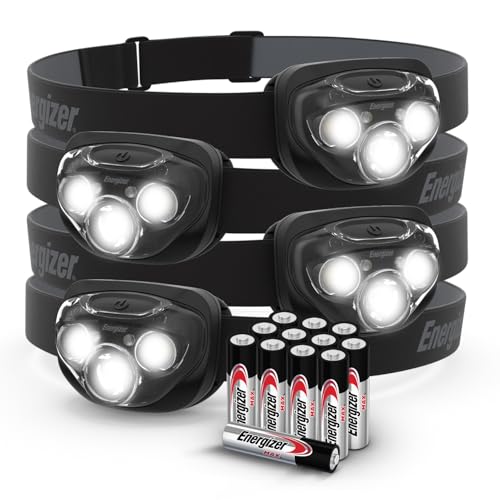
Energizer LED Headlamp PRO (4-Pack)

EXITLUX LED Emergency Light with Battery Backup
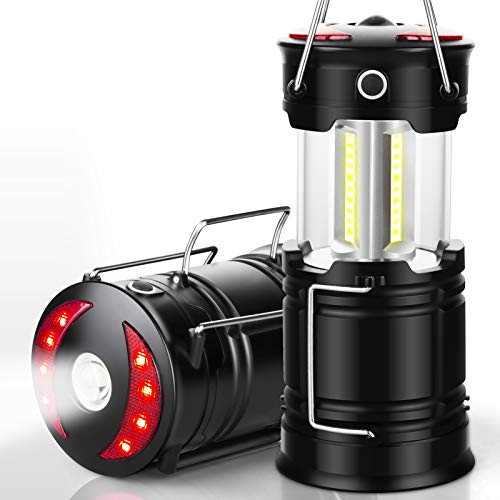
EZORKAS 2 Pack Collapsible Camping Lanterns

RadiantFlux Rechargeable Solar Camping Lantern, 6600mAh
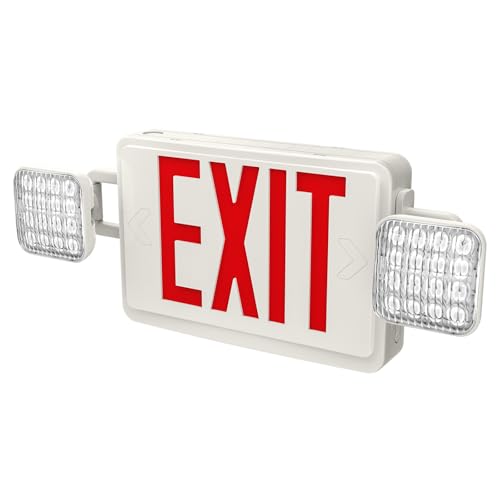
EXITLUX Red Exit Sign Combo, 4-Pack
The Details Behind The Selections
For building owners who need to meet fire code, a hardwired exit sign is the kind of fixture you install once and forget about. The EXITLUX green sign runs on AC 120/277V (standard commercial building voltage, meaning it works on either common electrical service) and stays illuminated for up to 90 minutes on its internal battery when the power cuts. The double-face design reads from both directions of a hallway, which keeps signage visible at corridor intersections.
The housing is built from ABS plastic, a tough and lightweight thermoplastic, in a roughly 45mm thick casing with rounded edges. That kind of shell matters in stairwells where stray carts or backpacks tend to clip fixtures. Damp-location rating means it tolerates steamy boiler rooms and basement corridors without corroding, and it can be mounted to walls or ceilings to fit the layout.
A Favorable Mix
- 90-minute backup runtime covers most evacuation drills and short outages
- Compatible with both 120V and 277V commercial circuits
- Double-face layout eliminates the need to buy two separate fixtures at corridor junctions
- Fire-retardant shell suited to long-term commercial mounting
Worth Noting
- Hardwired installation requires an electrician, adding labor cost beyond the unit
- Green letters may not match the red code some jurisdictions prefer, so confirm local requirements first
Who It Suits Best
Property managers outfitting small offices, retail backrooms, or apartment common areas who need a single dependable sign at each exit point.
A Better Fit Elsewhere
For a sign with built-in emergency floodlights, the EXITLUX LED Emergency Light fixtures offer more all-in-one coverage.
Some emergency lights double as décor, and the Consciot CL1 leans into that brief with a vintage silhouette that sits naturally on a bookshelf or side table. It runs on standard batteries, so there’s no charging routine to forget. Where utility lanterns shout “camping gear,” this one whispers “rustic living room,” which makes it more likely to actually stay on the shelf when the power cuts.
The dual light-source setup pairs a top beam (think reading lamp) with a body glow (think ambient lantern). For most people who keep one near a bedside table, that means navigating a dark hallway without waking a partner who prefers total darkness. Compared to bulkier models later in this list, the CL1 is the form factor I’d actually keep visible.
Where It Helps
- Compact enough to live on a shelf or nightstand full-time
- Dual light modes cover both task reading and room ambiance
- Battery operation removes the worry of a dead rechargeable cell after months idle
Trade Offs
- Smaller battery capacity than a 6400mAh lantern, so runtime is shorter on high
- Not marketed as waterproof, so it belongs indoors during a downpour
Built With In Mind
Apartment dwellers who want emergency readiness without a piece of gear dominating the décor.
Consider Something Else When
Campers needing weather resistance and multi-day runtime should look at the Yonktoo Camping Lantern instead.
When the storm forecast gets serious and the power company warns of multi-day outages, runtime matters more than lumen count. The Yonktoo lantern packs a 6400mAh rechargeable cell rated for up to 300 hours, which on its lowest setting stretches into many evenings of dim navigation. IPX5 (a waterproof rating meaning it handles splashes and rain but not submersion) makes it safe in a wet tent or a damp basement.
Five lighting modes cover the practical spread: warm white, neutral, cool white, red (good for preserving night vision), and SOS. The standard edition comes in a visible orange shell, which helps when you’re hunting for it in a dark gear closet. For most people building a blackout kit, this is the multi-tool option.
The Practical Payoff
- Up to 300 hours of runtime covers extended outages on a low setting
- Red mode preserves night vision when checking on a sleeping household
- Built-in rechargeable battery removes ongoing battery costs
- IPX5 rating handles rain, snow, and damp storage areas
Honest Caveats
- Peak brightness drops as the battery drains, which is normal for rechargeable lanterns
- Larger than the Consciot CL1, so it’s less of a “leave on the shelf” piece and more of a stored kit item
Feature Snapshot
Made For
Storm-prone households, frequent campers, and anyone building a genuine emergency kit rather than a decorative shelf piece.
A Better Fit Elsewhere
If solar recharging and a phone power bank matter, the RadiantFlux lantern bundles both into one unit.
A headlamp earns its keep when both hands are busy: carrying a child, walking a dog, sorting through a fuse box, or digging out a snow shovel. The Energizer PRO-260 pushes out 260 lumens (a measure of total visible light, where higher numbers mean brighter output) on its high setting, which is plenty for trail walking and storm cleanup. IPX4 (a water-resistance rating covering splashes from any direction) keeps it functional in steady rain.
Multiple beam modes (spot, wide, and red night vision) make it adaptable. The red mode is genuinely useful for reading a map or checking on a baby without blowing out everyone’s dark-adjusted vision. Batteries come in the box, so it works the moment you open it, a small thing that matters when the power is already out.
Everyday Perks
- 260-lumen high beam handles most trail and storm cleanup tasks
- Multiple beam patterns let you swap between focused distance and wide floodlight
- Red night-vision mode preserves dark adaptation in shared spaces
- Comes with batteries, no separate purchase needed
A Few Limitations
- Battery-powered rather than rechargeable, so spare cells are a recurring cost
- Lighter headlamp builds may shift during running, depending on strap adjustment
Quick Facts
Right Fit For
Nighttime runners, dog walkers, and homeowners who want a headlamp in every junk drawer.
Where Another Pick Suits Better
For rechargeable convenience and a brighter 400-lumen output, the Energizer PRO-400 Headlamp is the step up.
One headlamp in a two-person household means an argument. The PRO-400 ships as a pair and steps up to 400 lumens, which makes it the right tool when the task involves a dark basement, a fumbling breaker panel, or a campsite that needs more than soft path-finding light. Rechargeable via USB means no battery drawer in the junk closet.
Multiple light modes handle the same use cases as the PRO-260, plus a higher peak output for the moments when you really do need to push more light down a trail. IPX4 keeps both units serviceable in wet weather. The two-pack framing makes sense for couples, roommates, or anyone who wants a primary and a stored backup.
What Helps Most
- USB charging fits the cables you already own
- Two units solve the “who has the flashlight” problem during outages
- Higher lumen ceiling than the PRO-260 for tougher tasks
- IPX4 rating supports outdoor and storm use
Points To Consider
- Rechargeable cells eventually lose capacity over years of cycles
- Heavier than single-cell headlamps due to the larger battery
The Numbers That Matter
Best Suited To
Two-person households that want rechargeable headlamps without buying each one separately.
Not Your Match When
Shoppers needing more than two headlamps, for example a family of four, may prefer the Energizer 4-Pack for better cost-per-unit.
For larger families or anyone building a household kit, a four-pack of headlamps is the right shape. Everyone gets their own band, everyone has a light, and no one’s fighting over the one flashlight on the kitchen counter. The PRO headlamps here run on batteries, which avoids the recharge queue when everyone drains their unit at once during a power cut. Each lamp pushes out 260 lumens on its high setting, plenty for moving through a dark hallway or sorting through a closet.
IPX4 splash resistance keeps the units functional in rain or a damp garage. Multiple beam patterns give each user the flexibility to choose flood or focused light. For most people who keep one lamp in the kitchen junk drawer, another in the car, and a couple in the emergency bin, the bundle layout just makes sense.
Practical Pluses
- Four units cover a household without needing separate purchases
- Battery power means each unit works independently, no charging bottleneck
- 260-lumen output handles most household navigation tasks
- IPX4 rating handles wet-weather and outdoor use
Things To Weigh
- Battery replacement becomes a recurring household cost over time
- Four headlamps is more than a single-person apartment typically needs
Best Suited To
Larger households, scout troops, or anyone who wants to spread a few spares around the house and car.
Swap It Out When
A two-person household that prefers rechargeable convenience should consider the Energizer PRO-400 2-Pack instead.
Where a sign tells you where to go, an emergency light shows you the floor. The EXITLUX fixture delivers two adjustable LED heads that pivot to aim light along a hallway, across a stair landing, or down into a basement workshop. ABS housing rated UL 94V-0 (a plastics flammability standard where the material self-extinguishes within seconds) means the shell resists ignition, which matters in a heat event. The fixture is hardwired into the building’s electrical system and switches to backup battery when the power drops.
For most workshop owners, the appeal is the dual-head adjustability: aim one beam down the stairs and the other across the landing, all from a single mount. UL 924 certification (the US safety standard governing emergency lighting equipment) covers commercial-grade compliance, which puts it in the running for offices, small retail spaces, and home workshops that want a code-friendly install.
The Helpful Details
- Dual adjustable heads aim light where the room actually needs it
- UL 924 certification supports code-required commercial installs
- ABS shell is rated for flame resistance and corrosion resistance
Potential Compromises
- Hardwired installation is best handled by an electrician for safety
- Wall or ceiling mount limits placement to spots with available wiring
Feature Overview
Perfect Match For
Workshop owners, small-office managers, and homeowners finishing a basement who want a code-grade emergency light fixture.
Look Elsewhere When
If signage plus lighting in one unit matters more, the EXITLUX 4-Pack Combo includes integrated exit signage alongside the heads.
The collapsible lantern form factor hasn’t changed much because it works: pull it up to turn it on, push it down to stow it. EZORKAS ships two of them, which is the right number for most tent setups, one for the dining table and one for the sleeping area. COB LED panels (Chip-on-Board LEDs, which pack many small diodes into a single bright module for wider coverage) deliver a wide 360-degree spread that lights a whole tent rather than a narrow cone.
Four lighting modes cover the basics, and the units run on either rechargeable or battery power depending on what’s available. For most casual campers stocking the car trunk for a weekend, this is the affordable path to two working lanterns without overthinking it.
The Upside
- Two-pack value at a budget price
- Collapsible design shrinks to a fraction of its open size for storage
- 360-degree COB panels light an entire tent or picnic table
Soft Spots
- Lower peak brightness than the Yonktoo rechargeable lantern
- Plastic shell may not survive rough treatment on long expeditions
Whose Shelf It Belongs On
Casual campers and budget shoppers who want a basic two-lantern setup for occasional weekend use.
Reach For A Different Pick When
Campers needing longer runtime and rechargeability should look at the Yonktoo Camping Lantern.
For off-grid setups and long-haul travel, the RadiantFlux lantern folds two important features into one unit: solar recharging and a built-in power bank. The 6600mAh cell tops off via USB Type-C (the small reversible charging port used by most modern phones) or by leaving the lantern in the sun, and it ships with enough reserve to charge a phone when the grid goes down. IP65 (a strong dust-tight and water-jet-resistant rating, suitable for heavy rain and dust exposure) means it shrugs off rain, dust, and the kind of dirt a trail collects.
Three lighting modes keep things simple, and the hanging loop lets it dangle inside a tent or from a tarp line. For most people building a vehicle kit or planning extended off-grid stays, this is the unit that doubles as insurance against a dead phone, which is its own kind of emergency.
Benefits That Matter
- 6600mAh cell charges a phone in a true emergency
- Solar recharging extends runtime without grid power
- IP65 rating handles dust, rain, and rough outdoor conditions
- Integrated hanging loop fits tent setups and tarp shelters
Things To Note
- Solar recharging is slower than USB and depends on direct sunlight
- Heavier than single-function lanterns due to the larger cell
Right Fit For
Overlanders, van lifers, and storm-prep households who want one device that handles light and phone charging.
A Better Fit Elsewhere
Casual campers who don’t need phone charging should look at the EZORKAS 2-Pack for a simpler, lighter setup.
For a building that needs multiple fixtures, a four-pack covers the main floor, the basement, the stairwell, and the back door in one purchase. Each EXITLUX unit combines a red LED exit sign with a small integrated emergency lamp and battery backup, so the fixture handles both signage and area lighting. AC input covers both 120V and 277V commercial wiring.
Mounting flexibility helps when the architecture changes from floor to floor: wall mount, ceiling mount, or end mount all work depending on the hallway layout. UL listing with a 94-5VA flame rating (a stricter version of the 94V-0 plastic flammability test, indicating the highest resistance to ignition) speaks to commercial-grade durability. For most multi-floor property owners, the combo of sign plus light in one unit simplifies the install.
Useful Highlights
- Combo design covers exit signage plus emergency area lighting in one fixture
- Four-pack covers a small commercial building in a single order
- UL listing with 94-5VA flame rating supports commercial installs
- Flexible mounting options (wall, ceiling, end) suit varied hallway layouts
Worth Bearing In Mind
- Hardwired install requires electrical work in each location
- Red lettering differs from green, so confirm local code preference before ordering
The Takeaway
Property owners fitting out a small office, apartment building, or retail space who want sign and lamp in one fixture.
Skip It When
For a single-fixture install with adjustable light heads, the EXITLUX LED Emergency Light offers more directional flexibility.
What To Weigh Before Choosing Emergency Lamps
Power source shapes daily habits. Battery lanterns work the moment you grab them, but they need a stock of cells. Rechargeable units cut long-term cost and simplify cable drawers, but they need a charging habit. Hardwired fixtures need an electrician once and then run on their own backup battery for years. Runners and casual users tend to do fine with battery headlamps; storm-prep households tend to prefer rechargeable lanterns stored topped off.
Runtime beats peak lumens for outage use. A 4000-lumen lantern is impressive for ten minutes, but a 300-hour low-mode lantern covers a week. Match the brightness spec to the job: room-filling light needs at least a few hundred lumens, while reading a map or walking a hallway needs much less. Look for honest runtime ratings at low or eco mode, not just the maximum spec on the box.
Water and impact ratings matter more than marketing copy. IPX4 (splash-resistant), IPX5 (rain-resistant), and IP65 (dust-tight and water-jet-resistant) cover different scenarios. A garage kit needs splash resistance at minimum. A camping lantern needs real rain protection. A workshop fixture needs a flame-rated housing. Confirm the rating matches the environment where the lamp will actually live.
Use case dictates form factor. Hands-free headlamps shine for repairs, runs, and dog walks. Tabletop lanterns fit bedrooms and living rooms. Hardwired fixtures fit hallways and stairwells. Buying the wrong shape for the use case is the most common regret I see, so decide first where the lamp will live, then choose the form that fits.
Key Considerations Across These Picks
Mistakes Worth Dodging
Treating every emergency lamp the same way is the trap. A headlamp isn’t a room light, and a tabletop lantern isn’t a stairway sign. Buyers sometimes grab the brightest lumen count and end up with a fixture that doesn’t fit the room, runs hot, or dies in ten minutes. Match the form to the use: headlamps for hands-free tasks, lanterns for room-filling glow, hardwired fixtures for code-grade hallways.
What The Higher Tier Buys
Stepping up to a premium pick usually means a longer-lived rechargeable cell, a tougher waterproof rating, or a UL-listed housing that meets commercial code. The RadiantFlux lantern adds a power bank that charges a phone, which is its own kind of emergency. The hardwired EXITLUX fixtures add a 94V-0 or 94-5VA flame-rated shell and a 90-minute backup that’s been third-party certified. For shoppers who want fewer compromises, the higher tier is where the durability and certifications live.
Frequently Asked Questions
How long do rechargeable emergency lanterns typically last on a single charge? It depends heavily on the brightness setting, but most rechargeable lanterns in this category run anywhere from 8 to 300 hours depending on mode.
Can exit signs and emergency lights be installed without an electrician? Hardwired fixtures generally need professional installation to meet local electrical code, while plug-in and battery-powered models are user-installable.
What’s the difference between IPX4 and IP65 water ratings? IPX4 covers splashes from any direction, while IP65 adds dust-tight sealing and resistance to low-pressure water jets, making IP65 better for exposed outdoor use.
Are headlamps bright enough for emergency room lighting? A 260- to 400-lumen headlamp is bright enough to navigate a dark room, but a lantern with 360-degree coverage does a better job lighting the whole space at once.
How often should emergency lamps be tested? Most manufacturers recommend a quick functional test every few months and a full discharge cycle annually so the backup battery stays conditioned.
Bottom Line
A good emergency lamp is the kind of gear you forget you own until the exact moment you need it. Match the form to the room, the runtime to your outage risk, and the brightness to the task, and the choice gets simpler. The picks above cover everything from bedside decor to commercial-grade hallway signage, so pick the shape that fits your space and keep it where you can actually grab it.