

A flat tire at midnight, a fender-bender on a dark stretch of road, a power outage that turns a parking garage into a cave: these are the moments an emergency flashlight earns its spot in your car. I put this list together for drivers who want a reliable light source ready before trouble shows up, not someone scrambling to find their phone flashlight in a glove box full of crumbs.
A Quick View Of The Lineup
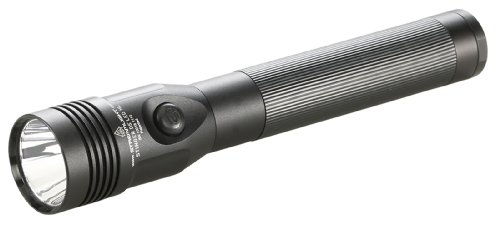
Streamlight 75458 Stinger DS LED HL Flashlight

OLIGHT I1R 2 Pro Eos Keychain Flashlight

FASTPRO 18-Pack 9-LED Mini Flashlight Set

MAXXEON MXN00810 WorkStar Cyclops Inspection Light

OLIGHT Baton4 Premium Edition EDC Flashlight

OLIGHT ArkPro EDC Flat Flashlight

Makita DML801 18V LXT Cordless Flashlight

SABRE Safe Escape 3-in-1 Car Tool

RYOBI PCL660B ONE+ 18V LED Flashlight

Pocketman Zoomable LED Torch 4 Colours
Meet The Standout Selections
The Streamlight 75458 Stinger DS LED HL is the heavyweight on this list, designed for users who treat their flashlight like a piece of professional gear rather than a drawer afterthought. In real terms, that means a rechargeable unit with a wide, bright beam that fills a dark engine bay, a flooded shoulder of highway, or the back of a pickup truck without needing to be aimed carefully.
It belongs in the car of someone who wants serious output and doesn’t mind a slightly larger body. Commuters who simply need to read a flat-tire gauge at dusk can lean toward a smaller pick like the OLIGHT I1R 2 Pro Eos, but the Stinger rewards anyone who expects tool-grade reliability from their roadside kit.
Real-World Strengths
- Dual-switch layout makes it usable in stressful moments without hunting for a button.
- Rechargeable design means no last-minute scramble for batteries during a power outage.
- Bright wide beam covers an entire work area, not just a focused spot.
- Solid build quality that handles being dropped on pavement during a tire change.
Things To Consider
- It is bulkier than most pocket lights, so storage in a small glove box takes planning.
- Rechargeable cells need periodic top-ups to stay ready, which can be forgotten during long stretches without use.
Who It Suits Best
Drivers who want a professional-grade, rechargeable workhorse for serious roadside jobs and don’t mind a slightly larger form factor.
Where Another Pick Suits Better
Pickers who want a much smaller, keychain-ready light should look at the OLIGHT I1R 2 Pro Eos instead, since that one disappears onto a keyring.
The OLIGHT I1R 2 Pro Eos is built for the “always with me” school of emergency prep. TIR optics (a lens that shapes light into a smooth, even beam) paired with a compact CSP LED push out a usable 180-lumen max, which is plenty for reading a license plate, finding a dropped key, or lighting a path to a flat tire on a residential street.
The Capsule Orange finish helps locate it in a dark bag, and the twist-top operation keeps the controls dead simple. It shines for drivers who want a barely-there backup that lives on the keychain, while the Streamlight Stinger remains the right call for someone expecting heavy-duty use.
The Upside
- USB-C charging keeps the light topped off using cables that most people already carry for phones.
- Featherweight build makes it easy to forget it is even there until needed.
- Higher output than its predecessor means better visibility for short-range emergencies.
- Simple twist interface works one-handed, even with cold or gloved fingers.
Worth Noting
- Run time on max output is short, so it is best reserved for quick checks rather than extended repairs.
- Beam reach is modest, which can feel limiting on dark rural roads.
Made For
Everyday commuters who want a featherweight backup that lives on a keyring and disappears in a pocket until needed.
Look Elsewhere When
Drivers who expect a wide flood beam for engine-bay work should reach for the MAXXEON WorkStar Cyclops instead, which is built for that exact task.
The FASTPRO 18-Pack treats emergency lighting like a household supply problem rather than a single-purchase decision. Each unit uses nine LEDs behind a compact ABS housing, and the pack arrives with AAA batteries already in the box, so there is nothing to hunt for on day one.
Color variety is more useful than it sounds: a red light is easy to find in a dark trunk, while a teal unit can live in the kitchen junk drawer. The honest read is that this set rewards anyone who wants redundancy across multiple vehicles, campers, and rentals.
Practical Advantages
- Batteries are included, which removes a common stumbling block for first-time buyers.
- High-impact ABS shell holds up to the rough life of a glove box or truck bed.
- Variety of colors makes each flashlight easy to identify at a glance.
- Bulk packaging suits fleet owners, large families, or anyone who likes a backup-of-a-backup setup.
Room For Improvement
- Per-unit output is modest compared with rechargeables like the OLIGHT Baton4.
- AAA batteries mean periodic replacement, which adds an ownership chore over time.
Right Fit For
Large families, small fleet owners, or anyone who wants to scatter a flashlight across every car, closet, and drawer without thinking twice.
Skip It When
Someone who wants a single, high-output rechargeable should grab the OLIGHT Baton4 Premium Edition, which delivers more punch per unit.
The MAXXEON WorkStar Cyclops is the kind of light that earns its place when the car problem turns into a garage problem. USB-C rechargeable, with a top setting of 720 lumens, it throws plenty of light across a brake rotor or undercarriage, and the body is rated to handle dust and rain.
Compared with the OLIGHT I1R 2 Pro Eos that I covered earlier, this is a heavier, more deliberate tool. It belongs in the trunk of a driver who expects to actually crawl under the hood, not just glance at a tire.
What Helps Most
- Three brightness tiers let owners trade brightness for runtime as the situation requires.
- USB-C charging means the same cable as a phone keeps it topped off.
- IP-64 rating (dust-tight with splash resistance) gives it real-world resilience for outdoor use.
- Solid drop rating means it survives being knocked off a tailgate.
Honest Caveats
- Inspection-light form factor is less pocket-friendly than the OLIGHT Baton4.
- Full charge takes several hours, which can catch forgetful owners off guard.
Best Suited To
DIY mechanics, weekend tinkerers, and drivers who want a rechargeable shop light that doubles as a roadside helper.
Consider Something Else When
Users who want a flatter, pocketable EDC shape should consider the OLIGHT ArkPro, which trades the workshop size for a sleeker carry profile.
Key Specs
The OLIGHT Baton4 Premium Edition is the sweet spot for someone who wants a serious everyday carry without going full work-light. A two-way pocket clip and a built-in magnet give it hands-free utility, and the high output makes short work of dark parking lots.
It earns its premium label partly through that magnetic tail, which is genuinely useful when changing a tire at night. Compared with the FASTPRO pack, this is the “one really good light” answer rather than the “lots of OK lights” answer.
The Good Stuff
- Magnetic base lets it stick to a car body or fender, freeing both hands for a repair.
- Two-way clip secures it to a belt, pocket, or hat brim for versatile carry.
- High-output LED reaches across a driveway for area lighting tasks.
- Premium build feel justifies the upgrade over a basic plastic flashlight.
Points To Note
- Premium pricing may feel steep for someone who only needs occasional light.
- Output is high for its size, but a workshop light like the MAXXEON Cyclops still throws more overall.
Who Should Grab It
Power users who want a rechargeable pocket light with magnetic hands-free mounting for serious everyday tasks.
Not Your Match When
Drivers who want a flatter, multi-source tool with UV and green beam options should look at the OLIGHT ArkPro instead.
The OLIGHT ArkPro is a flat-format pocket light that stacks four light sources into one body: a broad flood, a longer-throw spot, a UV beam, and a green beam pointer. For a driver, the appeal is that the same tool handles a paper map inspection, a roadside fluid leak, a hotel keycard check, or pointing out a landmark to a friend.
It is the most feature-loaded pick on this list, and it is meaningfully different from the Streamlight Stinger above. Where the Stinger is a single-purpose powerhouse, the ArkPro is more of a multi-tool you carry because you never know which kind of light you will actually need.
Bright Spots
- Four light modes in one body reduce the need to carry separate tools.
- Flat profile slips into a pocket without printing like a traditional tube light.
- Long-throw spotlight reaches further than a pure floodlight for distance checks.
- Rechargeable battery avoids the disposable-cell waste cycle.
Softer Spots
- More modes mean a slightly steeper learning curve for first-time users.
- Specialty beams (UV, green) are clever but irrelevant for drivers who only need white light.
Perfect Match For
Specialty users and tech-curious drivers who appreciate having flood, spot, UV, and beam options in one pocket-friendly body.
Another Choice May Suit
Pure flashlight traditionalists who want a single, dedicated beam should consider the OLIGHT Baton4, which keeps things simpler.
Feature Snapshot
The Makita DML801 is built for owners who already live inside the 18V LXT tool system. Twelve LEDs combine into a broad, even flood, and the head pivots through several stops so it can stand on a tailgate and aim up into an engine bay, or lie on the floor and point at a tire.
For a household already stocked with Makita batteries, the value here is that the light shares cells with everything else. That is a different pitch from the FASTPRO pack, which is disposable-cell territory. The honest read is that this makes most sense for a Makita owner first, and an emergency-light shopper second.
Reasons It Performs
- Pivoting head with multiple stops aims light precisely where it is needed.
- Swiveling hang hook lets it hang inside a hood, on a ladder, or off a branch.
- Shares batteries with other Makita 18V tools, eliminating a second charging system.
- Two-mode switch balances brightness and runtime for the task at hand.
Trade Offs
- Tool-only body means buyers must already own a compatible battery and charger.
- Bigger than a pocket EDC like the OLIGHT I1R 2 Pro Eos, which limits casual carry.
Whose Shelf It Belongs On
Makita tool owners who want a workshop-grade, adjustable flashlight that shares their existing battery platform.
Reach For A Different Pick When
Drivers without Makita batteries who want a self-contained rechargeable should grab the MAXXEON WorkStar Cyclops, which is ready out of the box.
Quick Facts
The SABRE Safe Escape is a different category entirely: it pairs an LED flashlight with a spring-loaded window breaker and a seatbelt cutter, designed to live in a center console. The compact size is deliberate, since the whole point is that the tool is within reach when every second counts.
Compared with the OLIGHT Baton4 I covered earlier, this is much less of a flashlight and much more of a rescue tool that happens to include one. The honest expectation is that the LED is best treated as a backup, with the real value being the escape hardware.
Useful Strengths
- Spring-loaded window breaker works without a swinging motion, which matters in tight seating positions.
- Built-in seatbelt cutter handles the most common strap-jam scenario after a collision.
- Compact body slips into a glove box or door pocket without crowding other items.
- Combined tool reduces the number of separate emergency items to track.
Minor Gripes
- The flashlight function is modest compared with any dedicated beam on this list.
- Battery-dependent components mean periodic checks to confirm everything works.
Who Will Love This
Everyday commuters and family drivers who want a single, compact unit that handles both light and emergency escape needs.
A Better Fit Elsewhere
Someone who needs serious illumination for engine-bay work should pair this escape tool with a dedicated flashlight like the Streamlight Stinger.
At A Glance
The RYOBI PCL660B is the long-runtime answer for households already on the ONE+ 18V platform. A 280-lumen output pairs with a notably wide beam reach, and the head pivots through 130 degrees to redirect light from the ground to the underside of a hood without picking the flashlight up.
Where the Makita DML801 leans into a more traditional flashlight shape, this RYOBI model focuses on adjustable coverage. For drivers whose garage is full of ONE+ tools, the appeal is battery commonality and the runtime that comes with the larger 18V cell.
Positive Points
- Wide beam reach covers distant objects like road signs or fence lines.
- Pivoting head adjusts coverage without needing to relocate the light.
- Long runtime suits extended power-outage or campsite use.
- ONE+ battery compatibility simplifies charging for existing RYOBI owners.
Potential Drawbacks
- Tool-only body excludes the battery and charger for first-time buyers.
- Larger form factor than pocket EDC options like the OLIGHT I1R 2 Pro Eos.
Built With In Mind
RYOBI 18V ONE+ households who want a pivoting, long-runtime light that shares batteries with their existing tool collection.
Swap It Out When
Drivers without RYOBI batteries should consider the FASTPRO pack instead, which arrives ready to use without a separate charger purchase.
The Pocketman Zoomable LED Torch is the most unconventional pick on this list, offering four beam colors in a single rechargeable body. White covers general use, while red and green reduce visibility to wildlife, which is genuinely useful for rural drivers who occasionally spot animals near the road at night.
The zoom function lets the same torch behave like a tight spotlight or a wide flood, which sets it apart from the OLIGHT Baton4 above. Drivers who only ever need white light may find the extras superfluous, but rural and outdoor-oriented owners often appreciate the flexibility.
A Few Highlights
- Four beam colors in one body covers standard, wildlife, and astronomy-style use cases.
- Zoomable focus shifts between tight spot and broad flood as needed.
- Built-in rechargeable battery removes the disposable-cell waste cycle.
- USB cable charging works from any car charger or power bank.
Areas To Watch
- Multi-color UI adds complexity for shoppers who just want a simple white beam.
- Specialty colors (blue, green) are clever but rarely essential for everyday driving.
Helpful Choice
Campers, rural drivers, and outdoor enthusiasts who want zoom flexibility and the option of non-white beam colors for nighttime tasks.
Where A Sibling Pick Shines
Pure commuters who want a simpler, single-purpose beam should consider the OLIGHT I1R 2 Pro Eos, which keeps the interface very straightforward.
Feature Rundown
Choosing Emergency Flashlights For Car With Confidence
Beam Type And Distance
A floodlight spreads light wide and close, which is what most people want when changing a tire on a dark shoulder. A spotlight throws a narrow beam further down the road, which is helpful for spotting landmarks or reading signs. For most drivers, a beam with a generous flood pattern is the safer everyday choice.
Power Source And Runtime
Rechargeable flashlights are convenient, but only if the owner remembers to top them off. Battery-powered models like the FASTPRO pack trade runtime predictability for the simplicity of swapping cells. Pick the power source that matches your habit: if you charge your phone every night, a USB-C rechargeable will fit naturally.
Size And Storage
A flashlight that does not fit in your car will not get used. Pocket-format models like the OLIGHT I1R 2 Pro Eos live on a keychain, while workshop-style models like the MAXXEON Cyclops belong in a trunk or cargo area. Match the size to where you actually plan to keep it.
Extra Safety Features
A few picks, like the SABRE Safe Escape, add escape hardware alongside the light. These hybrid tools are worth considering for drivers who want a single object that handles multiple emergency functions, though they are not a substitute for a strong dedicated flashlight.
Practical Considerations Across These Picks
Mistakes Worth Dodging
The most common slip is buying a flashlight with impressive output but forgetting how it charges. A unit with an obscure battery or port becomes shelf decoration. The other trap is choosing something so bulky that it never leaves the closet. A flashlight that lives in your daily bag or glove box beats a powerful one that sits in a drawer at home.
Why Top Tier Costs More
Premium models like the Streamlight Stinger and OLIGHT Baton4 earn their higher cost through better build quality, more efficient LEDs, and features like magnetic mounts. The upgrade pays off when the flashlight gets dropped, used in rain, or relied on during multi-day outages. For occasional use, a basic model is plenty, but frequent users often find the upgrade worth it within the first year.
Frequently Asked Questions
How Many Lumens Do I Need In An Emergency Flashlight For My Car?
For most roadside tasks, a flashlight in the 100 to 300 lumen range is plenty for illuminating a tire, engine bay, or surrounding area. Higher output helps in larger spaces like a garage or campsite, but very high settings drain batteries quickly and can reflect off snow or fog.
Should I Choose A Rechargeable Or Battery-Powered Flashlight?
Rechargeable models are convenient if you already charge other devices regularly, since they share cables and outlets. Battery-powered models are simpler in long-term storage, since a fresh cell works after years on a shelf. The right pick depends on which scenario feels more natural in your routine.
Where Is The Best Place To Store A Flashlight In A Car?
A glove box or center console keeps a small light within easy reach, while a trunk is fine for larger workshop-style units. The key is choosing a spot that does not require emptying half the car to reach, since emergencies rarely happen at convenient moments.
Are Combination Escape Tools Worth The Space?
For drivers who rarely think about emergency gear, a compact escape tool like the SABRE Safe Escape is a reasonable way to cover window-breaking, seatbelt-cutting, and light needs in one object. Owners who already carry a strong dedicated flashlight may prefer to add escape hardware separately.
How Often Should I Check Or Replace Batteries In My Stored Flashlight?
A quick test every few months is enough for most units, and rechargeable models benefit from a top-up on the same schedule. Battery-powered models should have cells swapped at least once a year, since stored batteries slowly lose charge over time.
The Takeaway
A flashlight that lives in your car is only useful if it is the right size, the right brightness, and the right power source for your habits. Match the tool to the spot where it will actually be stored, and the rest takes care of itself the next time the road gets dark.