

I’ve carried, charged, and relied on flashlights in parking lots, on hike-in-sessions, and during late-night property checks. The right duty flashlight turns a bad moment into a manageable one. I wrote this guide for anyone who needs a beam that won’t quit, from patrol officers to weekend hunters.
The Lineup, Simplified
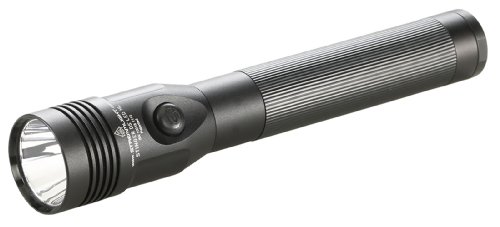
Streamlight 75458 Stinger DS LED HL Flashlight

Streamlight 69210 TLR‑1s Rail-Mounted Gun Light

Streamlight 90540 Survivor 175-Lumen Right-Angle Flashlight

Streamlight 68750 Dualie 3AA 140-Lumen HAZ-LO Flashlight

OLIGHT Baton4 Premium Edition EDC Flashlight

Brinyte A02 Rechargeable Key Chain Flashlight
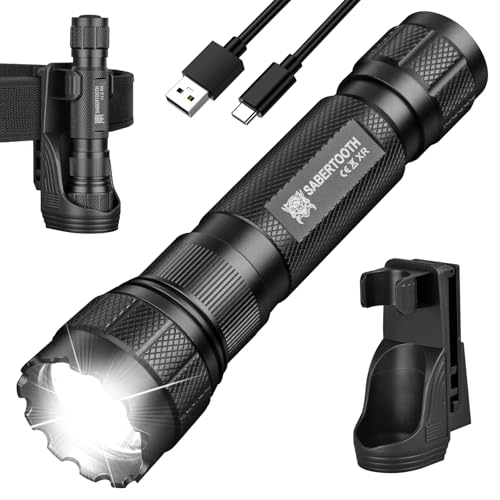
Rechargeable LED Police Tactical Flashlight for Duty Belt

SABERTOOTH Police Tactical Flashlight with Holster

SABERTOOTH Green Hunting Light Tactical Flashlight

SABERTOOTH Red Hunting Light Tactical Flashlight
What Each Pick Brings To The Table
Rechargeable duty flashlights earn their keep on long shifts, and the Streamlight 75458 Stinger DS LED HL is built for exactly that rhythm. The aluminum body holds up to belt clip wear, while the wide-beam optic lights up a whole room or a wide stretch of pavement without a hotspot in the center.
Dual-switch technology, meaning separate tail and head switches, lets me run momentary without losing my grip. Compared to the TLR‑1s below, this one trades weapon focus for handheld versatility, and most uniformed folks I know prefer that balance.
Real Benefits
- Rechargeable battery saves money over disposables
- Dual switches support momentary and constant-on independently
- Wide beam pattern works well for area searches
- Aluminum body handles drops on hard floors
- Long-standing reputation in law enforcement circles
Things To Consider
- Heavier than compact EDC lights during all-day carry
- Charging cradle takes up real estate in a bag
Key Specs
Whose Shelf It Belongs On
Uniformed officers, security staff, and industrial workers who carry the same light every shift.
Look Elsewhere When
The Streamlight 69210 TLR‑1s suits you better when the light needs to mount directly to a duty firearm.
Weapon-mounted lights live a different life than handheld units, and the Streamlight 69210 TLR‑1s is purpose-built for that role. The rail-grip clamp snaps on without tools, which matters when range time runs short. The ambidextrous switch sits where both thumbs can find it under stress.
Where the Stinger above aims for wide coverage, this one pushes a tight 12,000-candela beam downrange. That focus matters for identifying threats past 200 meters and helps the strobe function feel genuinely disruptive rather than decorative.
Everyday Advantages
- Tool-less mounting saves range setup time
- Ambidextrous switch works for left or right hand
- Programmable strobe adds disorienting capability
Worth Noting
- Requires a compatible rail, limiting older pistols
- Battery life drops fast on the brightest setting
- Adds noticeable weight to the front of the firearm
Best Suited To
Trained shooters who run modern railed handguns and want a proven duty-grade weapon light.
Swap It Out When
OLIGHT Baton4 fits better for pocket carry, since the TLR‑1s makes no sense off a rail.
Hazardous-location work demands more than a tough shell, and the Streamlight 90540 Survivor carries a Class I, Div 1 intrinsic-safety rating. The right-angle head clips to turnout gear and aims where the user looks, which beats handholding a straight light during overhaul. The orange body also stays easy to spot in smoke or low-visibility scenes.
Push-button operation works through fire gloves, which sounds minor until you’ve tried a tailcap switch with thick gloves on. The nylon body keeps weight manageable during long calls.
Real-World Strengths
- Intrinsically safe for flammable environments
- Right-angle design frees both hands
- 175-lumen high mode reaches past 400 meters
- 13-hour low runtime covers extended shifts
- Glove-friendly push-button switch
Points To Note
- Lower output than newer tactical lights
- Battery pack adds bulk over standard cells
Made For
Firefighters, refinery technicians, and hazmat responders who need certified safety gear in volatile atmospheres.
Consider Something Else When
Streamlight 68750 Dualie makes more sense for general industrial inspection in non-classified spaces.
The Streamlight 68750 Dualie solves a specific problem: walking through a dark plant or stairwell with one hand occupied. One LED pushes a spot beam forward while the other floods the ground at the user’s feet, killing the shadows that trip people up. A single press runs both beams at once, which I’ve found genuinely useful on inspection rounds.
Running on three AA batteries means no proprietary charger to forget at the station, and alkaline cells are easy to source anywhere. The yellow body helps the light stay found in cluttered spaces.
What Stands Out
- Dual beam design prevents trip hazards
- AA compatibility simplifies field resupply
- Magnet-free body avoids sparking concerns
- Spot beam reaches 171 meters
Room For Improvement
- Heavier than rechargeable equivalents
- Plastic body feels less premium than aluminum
Perfect Match For
Plant technicians, utility workers, and inspectors who navigate cluttered, dimly lit environments daily.
Skip It When
The Streamlight 75458 Stinger makes more sense for general patrol where a single focused beam covers more ground.
EDC flashlights fill the gap between keychain lights and full-size duty models, and the OLIGHT Baton4 lands right in that middle. The magnetic tail cap snaps onto any ferrous surface, which beats propping a light against a coffee can during a closet electrical repair. The two-way pocket clip rides deep without printing oddly.
At 1,300 lumens on high, this pocket rocket out-throws lights twice its size, though heat buildup limits how long that mode stays comfortable. The OD green anodizing wears well and resists scratches.
The Upside
- Magnetic hands-free attachment
- Compact enough for daily pocket carry
- 170-meter throw from a small body
Trade Offs
- High mode throttles due to heat
- Proprietary charging cable risks being misplaced
Right Fit For
Anyone who wants a powerful pocket light for everyday tasks without the bulk of a full-size duty model.
A Better Fit Elsewhere
Streamlight 90540 Survivor handles intrinsically safe needs that the Baton4 cannot certify for.
The Brinyte A02 sits at the bottom of the size scale but pulls more weight than expected. Four modes, including a memory recall that brings back the last setting, make a keychain light feel less like a toy. USB-C charging means the same cable as a phone, which removes one more thing to pack.
At 125 lumens the throw is short, which makes more sense for finding a door lock or reading a meter than lighting a trail. The side switch clicks cleanly and resists accidental pocket activation.
What Earns Its Place
- USB-C recharging with shared phone cables
- Memory function recalls last mode
- Tiny form factor disappears on a keyring
Softer Spots
- 33-meter reach limits outdoor use
- Plastic body feels less durable than aluminum rivals
Who Should Grab It
Anyone who needs a competent backup light that lives on a keychain without weighing down a pocket.
Not Your Match When
The OLIGHT Baton4 fits better for anyone who needs genuine throw distance in a compact body.
High-lumen duty lights exist for good reason, and this Rechargeable LED Police Tactical Flashlight pushes serious output for a belt-mounted tool. The wide beam floods a parking lot or back yard without a harsh hotspot. A quick double-click reaches the burst mode when a momentary need turns into a sustained one.
Compared to the Streamlight Stinger at the top, this light emphasizes raw brightness over the dual-switch refinement. For officers who run fewer features and want a simpler interface, that trade makes sense.
Strengths Worth Knowing
- High-output beam for area searches
- Rechargeable for shift-long use
- Burst mode handles brief peak needs
Honest Caveats
- Fewer switch options than premium duty lights
- Body runs warm at peak output
Built With In Mind
Patrol officers and security staff who want maximum output without paying for premium-tier features.
Another Choice May Suit
The SABERTOOTH Police Tactical Flashlight fits better for anyone who wants a holster included with the purchase.
The SABERTOOTH Police Tactical Flashlight ships with a 360-degree rotating holster, which removes a separate purchase for belt carry. The light throws 1,800 lumens through a focused beam suited for both patrol and outdoor use. The hidden USB-C port keeps the charging interface sealed against grit and pocket lint.
Unlike the Rechargeable LED Police Tactical Flashlight above, this bundle adds the carrying holster out of the box. Owners commonly report the rotating mount lets the light tilt to clear body armor or a sidearm without unclipping.
Practical Pluses
- Holster included for immediate belt carry
- USB-C port stays protected behind a cover
- High output handles camping and emergency use
Practical Considerations
- Holster adds bulk on a slim belt setup
Who Will Love This
Shoppers who want belt-ready carry without buying a holster separately and need a light that crosses into outdoor duty.
Reach For A Different Pick When
The Streamlight 75458 Stinger suits those who want established duty pedigree over a newer brand name.
Hunters reach for green LEDs because the wavelength is harder for game to spot, and the SABERTOOTH Green Hunting Light leans into that advantage with a high-purity green emitter. The light reaches roughly 305 meters, which matters when scanning a clearing for hogs or coyotes. A 360-degree rotating holster rounds out the package.
The red sibling below covers a similar role for trackers who prefer preserving night vision differently. For pest control and predator calling, green tends to produce sharper contrast on eyeshine than red.
Everyday Wins
- Green LED preserves night-adapted vision
- Long throw identifies targets across clearings
- Holster included for field carry
Less Ideal Details
- Green beam reads oddly for general home tasks
- Color rendering makes blood trailing harder to read
The Right Fit
Hunters and varmint controllers who spot and stalk predators in low light.
Where A Sibling Pick Shines
The SABERTOOTH Red Hunting Light fits better for blood-trailing after a shot.
Red light earns its keep after a shot, when blood trailing matters and ruining dark adaptation costs the next stand. The SABERTOOTH Red Hunting Light runs the same chassis as its green sibling but swaps the LED color to highlight crimson against leaf litter. The 305-meter throw covers most open-woodland tracking distances.
Comparing red to green, red produces a softer scene that reads less harshly through optics. For an evening hunt that ends in a recovery, that difference matters more than peak lumens.
What Makes Sense
- Red wavelength protects night vision
- Useful for blood trailing after dark
- Same holster and charging system as green model
Factors To Consider
- Red renders colors poorly for general tasks
- Specialty light with limited non-hunting use
Perfect Match For
Hunters who need a post-shot tracking tool that won’t spook game on the next sit.
Wrong Turns To Avoid
The SABERTOOTH Green Hunting Light handles active spot-and-stalk work that red light can’t cover.
Picking The Right Beam For The Job
Beam pattern shapes how a duty flashlight feels in the hand. A flood beam spreads wide for area searches and walking inspection routes. A spot beam pushes farther for identifying threats or distant targets. Many lights blend both, with a focused hot spot surrounded by spill. Match the beam to the environment rather than chasing raw lumens.
Runtime and battery type drive daily ownership more than people expect. Rechargeable packs save money over a career but demand a charging cradle on the rig. AA or CR123A cells swap in cold and keep working through long shifts without waiting on a wall outlet. For hazardous environments, certified lights cost more but let them handle flammable atmospheres.
Mounting style depends on carry preference. Belt clip works for general patrol. Rail-mounted lights live on firearms. Right-angle bodies clip to turnout gear. Pocket lights handle backup duty. Pick the carry that aligns with how the light actually rides during a shift, not how it sits on a desk.
Build quality separates occasional-use lights from daily drivers. Aluminum bodies resist drops and weather. Polymer cuts weight but shows wear faster. Look at impact ratings and water resistance when the job involves rain, dust, or hard surfaces. A light that survives the first six months usually lasts years.
Key Considerations Across These Picks
Where Shoppers Go Wrong
The biggest mistake is chasing peak lumen counts over beam quality. A 2,000-lumen light with a poorly focused optic loses to a 600-lumen light with a clean hot spot. Buyers also tend to skip battery compatibility, then find themselves stuck with a proprietary charger at the worst moment. Match the light to the carry method instead of buying for features that never get used.
Where The Extra Money Goes
Premium-tier lights earn their pricing through refined switches, better beam profiles, and longer warranties. The Streamlight Stinger, for example, costs more than budget tactical lights but delivers dual-switch control and consistent output. Higher prices also fund certifications like intrinsic safety ratings, which budget lights cannot match. The upgrade makes sense for full-time professionals, while weekend users often find budget lights serve them well.