

Late on a remodel, scrambling to finish drywall or check a fuse box in a tight attic, I learned quickly that the right headlamp changes everything. The wrong one bounces, tugs at your temples, or leaves you squinting two feet from the panel. This shortlist collects eight headlamps, helmet lights, and site lights suited to job-site realities, with options for tradespeople, weekend remodelers, and anyone who works overhead or in dim crawlspaces.
The Shortlist At A Glance

Nitecore NU25 360 Lumen Triple Output Headlamp (Black)
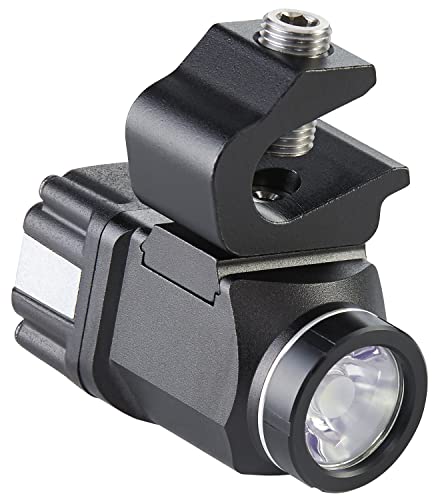
Streamlight 69331 Vantage II 350-Lumen Hands-Free Flashlight

Nitecore NU20 Classic 360 Lumens Ultralight Headlamp

Nightstick XPP-5458G Intrinsically Safe Dual-Light Headlamp (Green)

SKYFIRE Rechargeable 13000-Lumen Spotlight 24H LED Searchlight

DanForce USB Rechargeable 1080-Lumen Headlamp with Red Light

SKYFIRE 5500-Lumen Camping Light with Tripod Stand

SKYFIRE 3000LM Motion-Sensor Headlamp with Zoomable Beam
Meet The Standout Selections
The Nitecore NU25 is the kind of headlamp I forget I am wearing, which for a long shift on a job site is the whole point. The body sits low against the forehead and the band stays put under a hard hat strap without pinching.
Where it really earns its place is in tight spaces where a single hot white spot is not enough. Three light sources, including a red LED that helps preserve night vision and a high-CRI white (a high color-rendering index LED, which means colors look truer and less washed out than under standard LEDs) for close-up work like reading wiring labels, give it more flexibility than a basic spotlight-only design.
Noteworthy Benefits
- Tipping the scales under one ounce without the band, the NU25 disappears on your forehead during long wear.
- The auxiliary red LED keeps night vision intact when you step out of a lit stairwell into the dark.
- The high-CRI white beam makes wire colors and surface flaws read accurately on detail work.
- USB rechargeability means no coin-cell spares to track down mid-project.
Trade Offs
- At 360 lumens on the top setting, it is built for close and mid-range tasks rather than lighting a whole room.
- The built-in battery is sealed in, so when cells age years down the road the whole unit is replaced rather than swapped.
Whose Shelf It Belongs On
Electricians, remodelers, and homeowners who wear a headlamp for hours and want it to feel invisible.
Look Elsewhere When
Anyone needing helmet-mounted crenellated bezel optics for fire and rescue should consider the Streamlight 69331 Vantage II 350-Lumen Hands-Free Flashlight instead.
The Streamlight Vantage II is built to ride on a helmet, not dangle from a headband. The shape hugs the front brim of a fire helmet or industrial hard hat, and the controls fall under a gloved thumb without hunting. Unlike the Nitecore NU25 above, this is a helmet-mounted, single-purpose throw light, not an all-around band.
Its 350-lumen rating puts it in the same neighborhood as the other compact lights here, but the candela (a measure of how concentrated the beam is, different from total lumens which measure total light output) is tuned for piercing smoke, fog, and dusty crawlspaces rather than flooding a small room. For a structural firefighter or an industrial inspector stepping into a tight tank, that focus matters more than raw output.
Benefits That Matter
- Helmet-ready mounting turns any standard fire or rescue helmet into a hands-free task light.
- Focused beam reach helps you read structural details at a distance through smoke or steam.
- Compact body keeps weight forward of the forehead strap for better balance on the helmet.
Points To Keep In Mind
- It does not double as a wide-flood reading light for wiring diagrams in a quiet shop.
- Helmet compatibility varies, so confirming the mount matches your specific shell before relying on it is worth the time.
Who It Suits Best
Firefighters, rescue technicians, and industrial crews who already wear a helmet and want a purpose-built beam.
Swap It Out When
DIYers without a helmet who want comfort and a wide beam should reach for the Nitecore NU20 Classic 360 Lumens Ultralight Headlamp.
The Nitecore NU20 Classic is the answer for anyone who has taken off a headlamp at the end of a long day and felt the relief in their temples. At roughly 1.34 ounces it is barely noticeable, which matters more than peak lumen when you wear it for an eight-hour shift.
The 360-lumen main LED shares the same ballpark as the original NU25, but the NU20 stretches beam reach to about 119 yards, so it adds a bit of distance for spotting across a basement or down a hallway. You also get a soft reading mode and SOS plus a red auxiliary for night vision, covering most of the use cases the smaller NU25 does, with a touch more reach.
A Favorable Mix
- Sub-two-ounce weight makes it comfortable enough for marathon shifts on ladders or scaffolding.
- Three brightness levels plus SOS and Beacon modes cover routine tasks and emergencies alike.
- Red auxiliary preserves night vision during outdoor break checks or tent entry.
Trade-Offs To Consider
- Fast-charge USB power is convenient, but heavy cold can shorten runtime, a practical consideration for winter exterior work.
- Plastic body construction is light but may not shrug off drops the way an aluminum-bodied light would.
Made For
Remodelers, residential contractors, and homeowners tackling weekend projects who want something they barely notice wearing.
A Better Fit Elsewhere
Hazmat and confined-space crews should consider the Nightstick XPP-5458G Intrinsically Safe Dual-Light Headlamp (Green) for its safer-location certification.
The Nightstick XPP-5458G lives in a different category from the rest of this list. Its purpose is regulated environments where a stray spark from a regular flashlight is a real problem, so it carries intrinsically safe ratings (a design standard that limits electrical and thermal energy so the device cannot ignite flammable gases or dust) for hazardous locations above and below ground.
On the practical side, it pairs a 120-meter spotlight throw with separate white and red floodlight modes in one housing. That dual-beam setup, plus an engineered polymer body, is genuinely useful in a tank inspection or a grain silo where you need both a tight reading beam and a softer wide light without swapping tools.
Useful Strengths
- Intrinsically safe ratings make it appropriate for use around flammable gases and combustible dust.
- Spotlight plus dual-brightness white and red floodlights cover a wide range of inspection tasks.
- Three AA batteries are easy to source at any gas station, an underrated practical win on remote sites.
Small Caveats
- It is heavier and bulkier than the Nitecore options above because of the safety-rated housing.
- Output is modest compared to the higher-lumen SKYFIRE lights, since safety certifications cap the power.
Best Suited To
Confined-space entry teams, oil and gas workers, and mine inspectors who need a certified tool rather than a general-purpose headlamp.
Reach For A Different Pick When
A homeowner working in a dry garage or attic will find the DanForce USB Rechargeable 1080-Lumen Headlamp with Red Light more comfortable and far brighter.
The SKYFIRE 13000-lumen spotlight is not really a headlamp at all, and that is the point. It is a handheld searchlight designed to throw a serious beam across a yard, a job-site pad, or a stretch of water. Compared to every other item on this list, its lumen rating is in a different league.
Underneath that headline output sits a 32000mAh battery rated for up to 24 hours of runtime, an IP67 ingress rating (meaning it is dust-tight and can survive temporary submersion in water), and an LCD display for runtime and mode feedback. Ten modes, including a red night-vision option, give it flexibility that a basic hunting spotlight does not.
Why It Works Well
- Massive 13000-lumen output reaches far down a long driveway or across a construction lot.
- Long runtime plus an LCD readout removes guesswork when planning an overnight shift.
- Rugged waterproofing stands up to rain, puddles, and accidental drops in wet grass.
Honest Caveats
- Handheld form factor means it does not free up both hands the way a headlamp does on a ladder.
- The battery pack adds significant weight, which becomes noticeable during long carries.
Right Fit For
Large-site security, hunting and boating use, and emergency prep where throwing light across distance matters most.
Consider Something Else When
Tradespeople who need both hands free should consider the SKYFIRE 3000LM Motion-Sensor Headlamp with Zoomable Beam instead.
The DanForce is the headlamp I picture when I think of a contractor clipping a light to a hard hat strap. The body is built around a Luminus LED rated at 1080 lumens, which is well above the 350-lumen class of the Streamlight Vantage II and the Nitecore NU25, so it has real throw to spare.
What I appreciate is the zoomable optic, which lets a single light behave like a floodlight up close and a search beam down the block. An IPX54 splash-resistance rating (protected against splashing water from any direction) keeps it honest in light rain, and the adjustable design clamps onto most hard hats without a separate mount.
What Pays Off
- 1080 lumens gives this headlamp enough power to reach down a hallway or across a garage.
- The zoomable beam adapts from flood to spot without swapping parts.
- Hard-hat-ready design attaches without needing extra clips or brackets.
Potential Drawbacks
- Bulkier than the featherweight Nitecore options, which can cause fatigue during very long wear.
- The brighter output runs hotter, so owners commonly report shorter sustained runtimes on the top setting.
Who Should Grab It
Contractors, electricians, and serious DIYers who want a brighter, hard-hat-friendly beam and do not mind a slightly heavier feel.
Not Your Match When
Anyone whose priority is barely-there comfort should consider the Nitecore NU20 Classic 360 Lumens Ultralight Headlamp instead.
The SKYFIRE tripod light solves a problem headlamps cannot: lighting a whole workspace, not just wherever your eyes happen to point. Three LED heads share a telescoping tripod so a single setup floods a job-site table, a tent pad, or a backyard project with up to 5500 lumens of even light.
Four color temperatures from warm 3000K to cool 7500K mean it can shift from a dinner-friendly glow to a cooler inspection tone, which is genuinely useful when you are working around paint colors or food prep at the same site. It also gives families and small crews a shared light source rather than everyone strapping on their own lamp.
Useful Touches
- Tripod-mounted design lifts the light above work surfaces, freeing both of your hands.
- Multiple color temperatures adapt the same setup to meals, tasks, and inspection work.
- Wide flood coverage is a sensible upgrade over a single beam for shared spaces.
Things To Weigh Up
- The tripod adds bulk and weight that does not belong in a small backpack or tool belt.
- It is built around campsite and shared-site use rather than personal mobility, so it is not a substitute for a wearable headlamp.
Perfect Match For
Crews setting up temporary work areas, family camping trips, and tailgate or backyard projects that need broad coverage.
Skip It When
Solo tradespeople who need light to follow them up a ladder should reach for the SKYFIRE 3000LM Motion-Sensor Headlamp with Zoomable Beam instead.
The SKYFIRE 3000LM headlamp closes out the list with a feature that quietly changes how you use a light: a motion sensor. Wave your hand in front of the lamp and it toggles on or off, which sounds trivial until you are elbow-deep in a greasy engine bay and cannot find a button with a gloved finger.
Output sits in a generous 3000-lumen range with a zoomable optic that reaches up to about 2600 feet on the spot side, then widens to a 120-degree flood for close work. It splits the difference between the smaller Nitecore units and the much brighter DanForce, leaning toward raw power for trail use, dark yards, and outdoor search.
Real Benefits
- Motion-sensor control is genuinely useful with gloves, dirty hands, or full arms.
- Wide lumen headroom handles everything from trail checks to garage repairs.
- The zoom function switches between tight spot and wide flood in one motion.
A Few Limitations
- Higher output drains the battery faster than smaller lights, an honest ownership consideration for long shifts.
- Motion activation can trigger accidentally if the lamp shifts against something while stored, so a lockout habit helps in a packed toolbox.
Built With In Mind
Home mechanics, trail runners, and outdoor hobbyists who want a brighter, glove-friendly beam without strapping on a separate remote battery.
Where Another Pick Suits Better
Crew-level worksite coverage needs the SKYFIRE 5500-Lumen Camping Light with Tripod Stand rather than a personal headlamp.
What Matters When Picking A Construction Headlamp
Beam Type And Output
Lumens tell you total light output, candela tells you how focused the beam is, and beam distance rounds out the picture. For most construction tasks the beam matters more than the headline number, because a tightly focused beam reaches a fuse box across a basement while a flood beam fills the immediate workspace. Pair a flood for general walking and a spot for inspecting distance, which is why dual-light models like the Nightstick XPP-5458G earn their keep.
Comfort, Weight, And Fit
A headlamp you want to remove after an hour does not belong on a long shift. Anything over about three ounces starts to feel heavy, and band pressure on the temples compounds over a full workday. Ultralight picks like the Nitecore NU25 and NU20 are easier on the head, while brighter lights like the DanForce and SKYFIRE 3000LM trade comfort for raw output.
Power Source And Runtime
Built-in rechargeable batteries simplify ownership but tie the light to a USB cable, while AA-based lights keep going with cells from any gas station. Match the power source to where the light will live: rechargeable units shine on regular job-site use, while swappable-cell lights earn their place on remote or emergency work.
Environment And Certification
Regular lights are fine for dry interiors and above-ground work, but hazardous locations with flammable gases or dust require intrinsically safe certifications like those on the Nightstick XPP-5458G. An IP rating (Ingress Protection, a two-digit code where the first digit rates dust resistance and the second rates water resistance) also tells you how a light handles rain, splashes, and dust, with IP54 and IP67 being common practical tiers for outdoor and job-site use.
Key Considerations Across These Picks
Common Slip-Ups Shoppers Hit
Plenty of shoppers grab the highest lumen count they see, then discover a flood-only beam that is too close-range for the task. Beam shape and beam distance matter as much as raw output, especially across basements, attics, and crawlspaces. Comfort is the other one to check before checking out, because a heavy lamp is a lamp that ends up on a counter by lunch.
Where The Extra Money Goes
Spending up usually buys brighter regulated output, better thermal management so the light stays bright without dimming as the battery drains, more durable housings, and certified safety ratings. For tradespeople working daily on real sites, those upgrades pay back fast in fewer replacements and fewer headaches. For occasional DIYers, a mid-tier light often hits the sweet spot between price and capability.
Frequently Asked Questions
How many lumens do I really need for construction work?
For most indoor remodeling and wiring tasks, 200 to 500 lumens is plenty, especially with a mixed flood and spot beam. For outdoor job sites, large basements, or search-style use, 1000 lumens and up gives more reach and headroom.
Are headlamps with red light modes actually useful?
Yes, the red LED mode preserves night vision and avoids blinding coworkers when you glance at someone in a dark space. It also helps keep your eyes adapted when stepping from a lit interior into the dark.
What is the difference between lumens and candela?
Lumens measure total light produced across the entire beam, while candela measures how concentrated that light is at the brightest point. Two lights can share a lumen rating but differ greatly in throw distance depending on candela.
Do intrinsically safe headlamps cost much more than regular ones?
They typically cost more because of the certified housing, the testing, and the lower-output LED design that limits ignition risk. That extra cost is genuinely necessary only when you work around flammable gases or combustible dust.
How long do rechargeable headlamp batteries usually last?
Most modern rechargeable headlamps run two to eight hours per charge depending on the brightness mode, with higher modes draining the battery much faster. Owners who use the top setting often carry a USB cable or spare power source for long shifts.
Closing Remarks
The right headlamp for construction work comes down to the spaces you spend time in and how long you wear it. Lightweight triple-output picks suit long indoor shifts, brighter zoomable units cover harder outdoor tasks, and certified lights step in where safety regulations demand them. Pick the profile that fits the bulk of your work, and the rest of the job site gets a little easier after dark.