

I love how a well-placed lantern can turn a plain backyard into somewhere I actually want to linger after sunset. The tricky part is finding solar lanterns that stay bright, hold up to weather, and match the look you want. I pulled together eight options covering posts, tables, decorative mushrooms, flickering flames, and festival pumpkin styles, so you can pick what fits your space.
Your Options, Compared

VZVI Large Solar Post Lights Outdoor, Square Pillar

Yunaking Rechargeable Halloween Pumpkin Lantern Light
Hompavo Gen2 Solar Lanterns Outdoor with Ultra-Real Flame

VZVI Solar Post Lights Outdoor 12×12, Square Pillar

RadiantFlux 2000LM Battery Powered LED Camping Lantern

Homemory Solar Mushroom Lanterns Outdoor Lights

VZVI Solar Table Lamp LED, Dimmable Outdoor Lantern
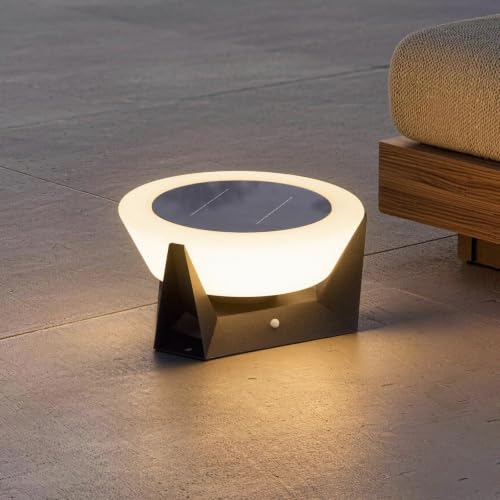
VZVI Solar Floor Lamp Waterproof, 3000K LED Lantern
More Details On Our Top Picks
Big pillars anchor a fence line, and the VZVI square post cap delivers that “architectural” look without hiring an electrician. The frame pairs stainless steel with a non-yellowing PC shade (a polycarbonate diffuser that resists the amber clouding cheaper plastics develop over time), so it ages gracefully in sun and rain.
Inside sits a 6600mAh battery, which is roughly twice the capacity of typical solar post lights, helping the dusk-to-dawn sensor stretch through cloudy stretches. For comparison, the Yunaking pumpkin lantern below is purely decorative, while this pick is built for year-round path and entry lighting.
Real-World Strengths
- Stainless steel body resists rust in humid or coastal air
- PC shade keeps the glow even without hot spots
- Higher-capacity battery supports longer overnight runs
- Replaceable battery extends service life beyond a single season
- Auto dusk-to-dawn sensor eliminates daily switching
Things To Consider
- Cap-mount only, not a free-standing lantern
- Larger footprint may overwhelm thin 4×4 posts
Key Specs
Best Suited To
Homeowners capping a fence, deck railing, or mailbox post who want a sturdy, set-and-forget light.
A Better Fit Elsewhere
For free-standing placement on a patio or walkway, the VZVI Solar Floor Lamp gives you height and mobility without needing a post.
The Yunaking pumpkin is pure Halloween mood, not a year-round workhorse. Its collapsible shell stores flat between Octobers, which matters more than people expect if closet space runs tight.
A simple push-and-pull switch powers it on, no apps, no remotes, no chasing batteries at midnight. Compared to the VZVI pillar above, this lantern is shorter on weather sealing and runtime, but it pulls its weight for one festive month.
Benefits That Matter
- Collapsible design saves storage space off-season
- Kid-friendly switch feels interactive and safe
- Rechargeable so you skip disposable battery waste
- 360° glow reads well from the street and sidewalk
Worth Noting
- Not designed for rainy months; storage is required after Halloween
- Plastic shell can scuff if stored stacked with decor
Who It Suits Best
Hosts who want a porch-friendly pumpkin they can fold up and tuck away until next October.
Consider Something Else When
Year-round garden charm calls for the Homemory Solar Mushroom Lanterns, which lean into soft pattern work instead of seasonal theatrics.
Flickering solar lanterns used to look like novelty toys, with stiff, repeating pulses that screamed “fake.” Hompavo’s Gen2 leans into a more organic flicker pattern, which sets it apart on a dinner table where harsh LEDs feel out of place.
It arrives in a two-pack, a quiet win for symmetry on a long railing. The Hompavo pairs well with the RadiantFlux camping lantern further down: this one is mood, that one is task lighting.
A Few Highlights
- Flame effect reads convincingly from across the patio
- Two-pack helps frame doorways or line a center table
- Rechargeable setup, no cable or outlet needed
- Compact size fits where larger pillars cannot
Trade Offs
- Flame mode is decorative, not designed to illuminate a meal
- Plastic housing may feel lightweight compared to metal posts
Made For
Anyone wanting candlelight ambiance without the fire risk, especially on covered porches.
Reach For A Different Pick When
You need real reading light after dark, where the RadiantFlux camping lantern’s four-mode LED setup earns its keep.
The 12×12 VZVI trades some battery capacity for a serviceable bulb socket, which matters if you prefer swapping parts instead of replacing the whole fixture. The included E26 bulb (a standard screw-in base) means a five-minute swap if it ever fails.
Aluminum construction handles coastal air better than plastic-bodied lanterns. It is also a friendlier match for warm 3000K light (a soft amber tone close to incandescent) than the cooler LEDs on some solar posts.
Points In Its Favor
- Replaceable E26 bulb keeps long-term ownership cheap
- Aluminum body shrugs off rust and salt spray
- Warm 3000K tone flatters wood decks and stone paths
- Built-in dusk sensor runs unattended each evening
Room For Improvement
- Lower battery capacity than the larger VZVI pillar above
- Cap-mount only, not a free-standing option
Feature Snapshot
Right Fit For
DIY-minded homeowners who like serviceable parts and warm light over maximum battery capacity.
Where Another Pick Suits Better
If you want all-night runtime on cloudy days, the larger VZVI pillar offers nearly double the battery capacity.
Solar is wonderful until a storm knocks out power for three nights. The RadiantFlux steps in as a battery-powered backup that throws serious light, advertised up to 2000 lumens at peak with a long-press dimmer for softer reading glow.
Four color modes cover everything from cool task lighting to warmer campfire tones. It pairs naturally with the Hompavo flame lantern: the RadiantFlux handles visibility, the Hompavo handles mood.
What It Does Well
- High-output LEDs work for tent lighting or garage tasks
- Long-press dimmer lets you tune brightness to the moment
- Four modes cover cool, warm, and natural tones
- Battery-powered so it works in storms and blackouts
Small Caveats
- Not solar-powered, so charging still requires an outlet or power bank
- Brighter settings drain the battery faster, worth planning around
- Functional look, not a decorative garden piece
Quick Facts
Whose Shelf It Belongs On
Campers, renters, and storm-prepared households who want grab-and-go light without wiring.
Skip It When
Permanent garden ambience is the goal, where the VZVI floor lamp or Homemory mushrooms install once and forget.
Not every yard needs architectural lighting. Sometimes a row of glowing mushrooms tucked into a flower bed does more for the mood than a fence-line pillar. The Homemory set leans into that whimsical slot.
Patterned shades throw interesting shapes against stone walls and mulch. They are smaller and lower-output than the VZVI posts above, so plan them as accents rather than primary path lighting.
The Case For It
- Patterned shades create visual texture, not just light
- Stake-friendly form fits beds and borders easily
- Multi-pack spreads charm across a larger planting area
- Solar power means no cables snaking through the garden
Points To Note
- Lower lumen output than pillar or floor-lamp picks
- Pattern may not suit minimalist or modern landscapes
Perfect Match For
Cottage-style gardens and flower beds where decoration matters as much as illumination.
Look Elsewhere When
Clean modern lines are the goal, where the VZVI square pillars or floor lamp read more architectural.
Outdoor dining hits different with a real table lamp instead of a string of mismatched candles. The VZVI table lamp centers a meal, with a remote that handles on, off, dimming, and a run timer so the light fades before bed.
Compared to the Hompavo flame lantern, this one aims higher and reads as a finished piece of furniture. The 3000K tone keeps faces flattering rather than bluish.
Strengths Worth Knowing
- Remote control avoids reaching across hot dishes
- 3000K tone flatters skin tones during evening meals
- Built-in timer lets the lamp power down unattended
- Replaceable battery extends useful life
Honest Caveats
- Needs roughly eight hours of strong sun for a full charge
- Smaller battery than taller VZVI models
- Best on a flat surface, not designed for staking
Who Should Grab It
Anyone who actually hosts dinners outside and wants lighting that feels intentional.
Swap It Out When
You want corner lighting that fills a larger area, where the VZVI Solar Floor Lamp throws more total light.
Floor lanterns fill the gap between a tiny stake light and a wired patio lamp. This VZVI stands tall enough to light a corner conversation area, with an E26 socket that accepts standard bulb swaps and a remote for fine-tuning.
Compared to the VZVI table lamp above, this one trades tabletop intimacy for wider coverage. If your yard needs both anchor lighting and dinner lighting, the two pair up nicely.
Positive Points
- Floor-lamp height spreads light over a larger radius
- E26 bulb socket keeps long-term maintenance simple
- Remote range handles on/off and dimming from inside
- Color rendering above Ra 80 means wood and stone look natural
Factors To Consider
- Floor placement may require weighting against wind gusts
- Bulb swaps mean reaching into the lamp head, a small maintenance step
Feature Snapshot
Built With In Mind
Homeowners anchoring a patio corner, driveway edge, or walkway with something taller than a stake light.
Another Choice May Suit
If your priority is a low-key garden accent, the Homemory mushrooms deliver charm without taking up floor space.
What To Weigh Before Choosing Your Solar Lanterns
Start with where the light will live. A post cap only works if you actually have a post to cap, while floor and table lamps fit almost any flat surface. Brightness matters too, but only relative to the job: path lighting needs enough throw to mark edges, while a dinner table wants warm, even, eye-level glow.
Battery capacity is the next filter. A larger mAh rating (milliamp-hours, the unit that measures how much energy a battery stores) translates directly into longer overnight runtime, and it also cushions you through cloudy stretches. Replaceable batteries add long-term value, since swapping a cell costs far less than buying a whole new fixture.
Finally, color temperature changes the feel of the space. The 3000K options in this list give a soft, amber glow that flatters outdoor settings, while cooler temperatures can feel sterile after sunset. Bulb-swappable models let you tune that later if your taste changes.
Picking The Right Style For Your Space
Match the lantern form to the architecture. Square pillar caps pair naturally with modern fencing and clean deck lines. Mushroom accents thrive in cottage beds where pattern and color add interest. Floor and table lamps suit patios and balconies where flat surfaces are plentiful. Flickering flame lanterns work as accents rather than primary illumination, and pumpkin lanterns earn their keep for one month a year.
Consider maintenance honestly. Stake lights sometimes shift in soft soil, while floor lamps need a stable base. Bulb-swappable designs lower long-term cost, and sealed battery compartments keep moisture from shortening component life. Choosing the right shape now avoids a re-do next season.
Key Considerations Across These Picks
Traps First Timers Fall Into
Picking by lumen count alone leads to overly bright “task lighting” fixtures in spots where you wanted mood. Match output to the job: paths and entryways need throw, while a patio table wants softer glow. Skipping the battery check is the other common slip, and a small battery on a cloudy week means a dark yard by 10 PM. Aim for replaceable batteries whenever possible, since lithium cells lose capacity over time.
Where The Extra Money Goes
Higher-tier picks in this category tend to spend money on stainless or aluminum bodies, larger batteries, and replaceable bulb sockets. Each upgrade pays back in years of ownership rather than features you can brag about today. For most yards, a mid-tier lantern with good battery capacity and a metal body outlasts a cheap plastic model several seasons over.
Frequently Asked Questions
How many hours of light do outdoor solar lanterns actually provide?
Most quality solar lanterns run eight to twelve hours on a full charge, depending on battery size and the brightness setting. Larger mAh ratings extend runtime, especially useful for areas with shorter winter days.
Can solar lanterns stay outside year round?
Many are built for outdoor exposure, but cold winters can reduce battery capacity, and prolonged ice can stress plastic shades. Storing decorative or seasonal pieces indoors during harsh weather typically extends their service life.
Do solar lanterns work under trees or on covered porches?
Panels need direct sunlight to charge fully. Shaded placement shortens runtime, and fully covered spots may not charge at all. Battery-powered backup lanterns are the practical answer for shaded areas.
Is warm white or cool white better for outdoor ambiance?
Warm white, around 3000K, flatters skin tones, wood, and stone. Cool white reads brighter but can feel sterile outside. Most decks and gardens benefit more from a warm tone.
How long do solar lantern batteries usually last?
Rechargeable lithium batteries typically last two to four years before noticeable capacity loss. Models with replaceable batteries let you swap in a fresh cell instead of retiring the whole lantern.
The Takeaway
The right solar lantern depends on where it lives and what job it does. Architectural pillars, garden accents, and portable backups each solve a different problem, and the eight picks above cover the main categories I see in real yards. Pick the form that fits your space, check the battery, and enjoy the longer evenings.