

Stepping out of a hot shower into a freezing bathroom is a small misery that adds up. The right infrared heat lamp cuts that chill in seconds, warming tile and skin together so you can dry off without the shiver. I put this list together for anyone renovating a bath, replacing a dead bulb, or finally finishing that basement sauna conversion.
The Picks In Brief

Fengrun 250W Explosion-Proof Infrared Heat Bulb
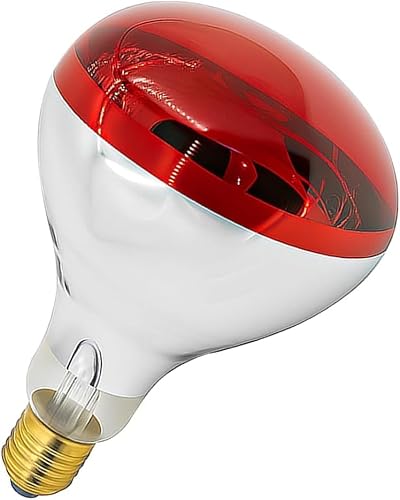
Seentech 250W R40 Infrared Heat Lamp (Red)

Seentech 250W R40 Heat Lamp 2-Pack (Red)

VIHOSE 150W R40 Heat Bulb 6-Pack
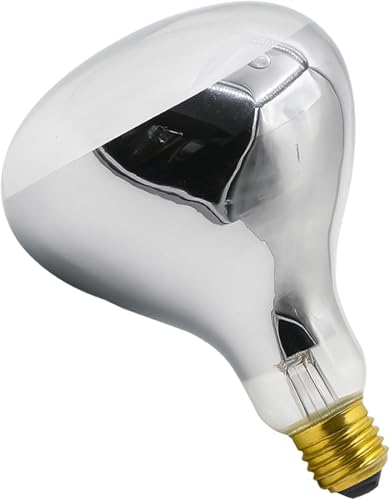
Seentech 250W R40 Heat Lamp Single (Clear)

Seentech 250W R40 Heat Lamp 2-Pack (Clear)
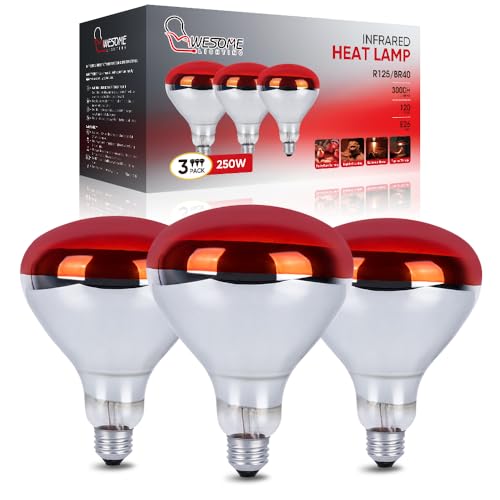
Wesome 250W Brooder Heat Lamp 3-Pack

Phillips BR40 250W Infrared Heat Bulb
Inside Each Recommended Option
The Fengrun bulb stands apart from the first Seentech on the list because it ships in a BR40 form factor rather than the same R40 shape, and it carries a hard explosion-proof coating. That coating is the headline feature for households where the bathroom ceiling is within reach of curious hands, or where a quick slip could send the bulb tumbling.
At 250W on a standard 120V circuit, it drops into any medium E26 socket without rewiring. The clear glass shell lets plenty of visible light through, which doubles the bulb as a soft ambient source after a shower.
Useful Touches
- Explosion-proof glass shell adds a layer of physical safety in tight ceiling fixtures
- Clear glass passes more visible light than red-tinted alternatives, useful for grooming
- Standard E26 base works with virtually any recessed or clamp-style heat lamp housing
- 250W output fills a small to mid-size bathroom within a minute or two
- Doubles for animal husbandry, so the same bulb can run the chicken brooder in spring
Things To Consider
- Hard glass makes the bulb heavier than soft-shell options, so older spring clips may need readjustment
- No listed dimming rating, so pairing with a standard dimmer switch may shorten service life
Key Specs
Right Fit For
Anyone outfitting a bathroom where the fixture sits low or where kids occasionally reach the ceiling.
Swap It Out When
The Phillips BR40 Heat Lamp Lightbulb suits you better if your home already runs recessed cans and you prefer a long-recognized brand over a specialty coating.
Seentech’s single red-tinted R40 leans hard into infrared performance. The red coating cuts visible glare, so the room stays dim and warm rather than bright and yellow, which matters at 6 a.m. or for anyone with light-sensitive eyes stepping out of the shower.
Unlike the Fengrun above, this one runs a flood reflector inside the bulb shell. That internal reflector pushes radiant energy forward instead of letting it spill sideways, so a single 250W unit can warm a moderately sized bath effectively.
Standout Benefits
- Internal R40 reflector focuses heat downward onto tile and skin
- 2700K warm white with 100 CRI keeps color accurate under the glow
- Standard E26 base drops into existing fixtures with no adapter
Worth Noting
- Red coating reduces visible light, so the room reads darker during use
- Single-bulb pack means no spare on hand if it burns mid-winter
Who Will Love This
Early risers and light-sensitive households that want heat without the harsh bathroom glare.
A Better Fit Elsewhere
The Seentech 250W R40 Heat Lamp 2-Pack (Clear) suits shared bathrooms better, since the two-pack gives a backup and the clear shell brightens the room.
The two-pack red version of the Seentech R40 earns its place by bundling a backup into the same box. Heat lamp bulbs do not last forever, and the worst moment to discover an empty socket is mid-shower in January. Two bulbs also let you wire a second fixture without a second order.
Compared to the single-bulb Seentech red above, the spec sheet is identical: 250W, 120V, E26 base, 2700K output, and a 6,000-hour rated lifespan. The real difference is logistics, not engineering.
A Favorable Mix
- Two bulbs share one shipment, lowering the per-unit cost
- Rated 6,000 hours of average life, which works out to several winters of daily use
- Weather-resistant construction handles humidity cycles in a steamy bathroom
- Compatible with standard dimmers, so output can be tuned per season
- Internal reflector pattern delivers focused downward heat
- Clear, easy-to-follow E26 installation, no tools beyond a stepladder
Trade Offs
- Red coating still produces a dimmer room than clear alternatives
- Two bulbs sitting in a box rarely both get used immediately
- Higher wattage draws mean older bathroom circuits may need verification
Best Suited To
A homeowner who wants a primary bulb plus a stored spare so a winter failure never becomes a midnight parts run.
Look Elsewhere When
The Fengrun 250W Explosion-Proof Infrared Heat Bulb fits your ceiling better if the fixture sits low or near moving hands.
The VIHOSE pack trades raw wattage for sheer quantity. Six bulbs at 150W each arrive in one box, which makes sense for anyone running heat lamps in multiple rooms, a workshop, a chicken coop, and a bathroom without ordering separately. The 150W output is gentler, too, so smaller baths stay comfortable without roasting.
The silver internal reflector sets it apart from the clear-glass options above. Reflectors bounce infrared forward instead of letting it bleed out the rear of the bulb, so a 150W silver can feel closer to a 200W clear in a recessed can fixture.
What It Does Well
- Six-bulb supply covers a whole household in one purchase
- Lower 150W draw is friendlier to older 15-amp bathroom circuits
- Silver reflector pushes heat forward efficiently
- Standard E26 base fits common recessed housings
Points To Note
- 150W produces less radiant output than the 250W picks, so large bathrooms may feel under-warmed
- Silver coating shifts the light to a cooler, more industrial tone
- Bulk packaging means more storage space needed before installation
Quick Facts
Right Fit For
Workshop owners, small-scale farmers, and renters who need several bulbs across more than one location.
Skip It When
The Seentech 250W R40 Heat Lamp 2-Pack (Red) is a better match if you want stronger heat in a single bathroom without stocking six replacements.
The single clear-glass Seentech is the most versatile pick in the lineup. Clear glass passes substantially more visible light than red coatings, so this bulb doubles as a soft warm light source while it heats. For a guest bathroom that gets used in the morning and the evening, that dual role is genuinely useful.
Versus the red-tinted Seentech above, the difference comes down to ambiance and bathroom brightness. The clear version trades the moody, dim glow of red for a brighter, more spa-like warmth.
Everyday Advantages
- Clear shell fills the room with usable light during the heat cycle
- 250W R40 reflector handles medium bathrooms in under two minutes
- 2700K warm tone flatters skin tones for grooming
- 100 CRI rating keeps colors accurate
Room For Improvement
- Brighter glow may feel harsh during late-night visits
- Single-bulb format leaves no spare if the unit fails
Who Should Grab It
Anyone replacing a single dead bulb and wanting the most balanced light-plus-heat experience in a standard bath.
Not Your Match When
The VIHOSE 150W R40 Heat Bulb 6-Pack fits you better if you maintain heat lamps in several rooms and want a single stocked supply.
The two-pack clear Seentech covers the same ground as its single-bulb sibling but bundles a spare. That second bulb lives in a closet until the first one burns out, which on a 250W incandescent usually happens sometime in year two or three, depending on cycle time.
For households that share one bathroom between two adults on different schedules, a two-pack also means a backup is in the drawer during the cold months when local hardware stores are closed or stock runs thin.
What Helps Most
- Two-bulb pack covers primary and backup in one purchase
- Clear glass lights the room during operation, useful for shared bathrooms
- 6,000-hour rated lifespan across both bulbs adds up to years of service
- Standard E26 medium screw base installs without tools
- Dimmer-compatible for variable heat output
Honest Caveats
- Higher initial spend than a single bulb
- Clear shell can feel bright during nighttime use
Built With In Mind
Couples and families that run a single bathroom fixture daily and want zero downtime when a bulb finally gives up.
Reach For A Different Pick When
The Seentech 250W R40 Heat Lamp Single (Red) suits you better if glare bothers you and you mostly shower at dawn or after dark.
Wesome’s three-pack earns its spot by serving two very different worlds. The R40 reflector pushes 250W of infrared into a chicken brooder, a piglet creep, or a sick-recovery pen for small animals. The same bulb format drops into a recessed bathroom fixture without modification.
For smallholders who already need brooder bulbs for spring chicks, buying a three-pack that also works in the mudroom bathroom is a sensible overlap. Three bulbs also outlasts the two-packs above by one unit.
What Works In Its Favor
- Three-bulb quantity covers both livestock and household needs
- R40 reflector focuses heat downward on a defined zone
- Recessed-fixture friendly for bathroom ceiling cans
- Works across chickens, pigs, calves, foals, and dogs according to the source
- Strong 250W output suits larger brooder boxes
Points To Keep In Mind
- Livestock focus means the brand is less known in mainstream bath-fixture circles
- Higher heat output may overpower very small powder rooms
- Three-bulb box is overkill for a single-bathroom household
Perfect Match For
Backyard chicken keepers and small-farm owners who want one bulb type that handles the coop in spring and the mudroom in winter.
Consider Something Else When
The Seentech 250W R40 Heat Lamp 2-Pack (Clear) suits an urban-only household better, since the brand and packaging are tuned for residential bathrooms.
The Phillips BR40 sits at the top of the list for a specific kind of shopper: anyone whose bathroom is already fitted with a recessed can or a track fixture, and who wants a brand that has been in the lighting aisle for decades. The BR40 shape, with its wider reflector, fits the deeper recessed housings that older construction often hides in the ceiling.
Compared to the Seentech R40 picks above, the Phillips unit is the same 250W output but ships in a slightly different reflector profile. Both drop into a medium screw base, so the swap is usually mechanical.
What Stands Out
- BR40 reflector profile matches deeper recessed cans
- Compatible with medium screw bases, including standard E26 fixtures
- Recognized brand presence in home improvement stores
- Infrared output designed for indoor warmth rather than industrial heating
- Works in track lighting as well as recessed cans
Some Limits To Know
- Single-bulb packaging leaves no spare
- Listed as not compatible with Philips HUE products, so smart-home swaps need a different route
- Specialty incandescent is generally less efficient than LED alternatives
Feature Snapshot
Made For
Homeowners with existing recessed or track fixtures who want a familiar brand and a slightly wider reflector beam.
Where Another Pick Suits Better
The Fengrun 250W Explosion-Proof Infrared Heat Bulb fits your ceiling better if your fixture sits low and safety-coated glass is the priority.
What Matters Most Before Choosing Bathroom Heat Lamps
Bulb shape changes which fixture the lamp actually fits. R40 and BR40 reflectors look similar, but BR40 is a touch wider and works best in deeper recessed cans, while R40 sits happily in shallower housings and many clamp-style heat lamp fixtures. Measure the depth of your existing housing before ordering.
Wattage drives both warmth and electrical load. A 250W bulb fills a small to mid-size bathroom in under two minutes, but on a shared 15-amp circuit with a hair dryer, that load can trip a breaker. A 150W unit, like the VIHOSE 6-pack above, is a safer choice for older wiring or bathrooms shared with high-draw appliances.
Glass color affects ambiance more than heat output. Red-coated bulbs dim the visible glow and feel spa-like, while clear bulbs double as ambient lighting. Clear versions tend to read brighter, especially at night, so late-night users sometimes prefer red.
Finally, base compatibility is rarely the issue. Every pick on this list uses a medium E26 screw base, which fits standard North American fixtures. What varies is the reflector shape, wattage draw, and whether the manufacturer builds in any safety coating on the glass.
Key Considerations Across These Picks
Mistakes Worth Dodging
The most common slip is choosing a 250W bulb for a fixture wired to a dimmer that the bulb cannot handle. Standard incandescent dimmers usually work, but smart switches and some electronic dimmers will hum or shorten bulb life. Confirm the switch type before installing a higher-wattage unit.
Another trap is buying a BR40 expecting it to drop into a shallow R40 housing. The wider reflector can sit proud of the trim ring and leave a visible gap. Match the shape to your existing can depth.
Where The Extra Money Goes
Premium branding, like the Phillips entry above, mostly buys familiarity and consistent manufacturing tolerances rather than extra heat output. The wattage and reflector design do the real work in any of these bulbs. If your fixture is a standard recessed can and you trust the brand, paying a little more for that consistency is reasonable. If you are buying a six-pack for multiple rooms, the budget tier makes more sense.
Frequently Asked Questions
How long does a bathroom heat lamp bulb typically last?
Most 250W infrared heat lamp bulbs in this category are rated for around 5,000 to 6,000 hours, which works out to several winters of daily showers before the filament gives up.
Can I use a heat lamp bulb in any standard light socket?
Yes, every pick on this list uses a medium E26 screw base that fits standard North American fixtures, though the reflector shape still needs to match your housing depth.
Are heat lamp bulbs safe to leave on for extended periods?
Short heating cycles during and after a shower are fine, but running any 250W incandescent unattended for hours shortens its life and adds heat to a small room, so timers or simple on-off habits are wise.
What is the difference between red and clear heat lamp bulbs?
Red-coated bulbs reduce visible glare and produce a dimmer, moodier glow, while clear bulbs pass much more visible light and double as soft ambient lighting. Heat output stays similar between the two.
Can I dim a 250W bathroom heat lamp bulb?
Several Seentech entries on this list list dimmer compatibility, but pairing a bulb with an incompatible electronic or smart switch can shorten service life, so confirm the switch type before installing.