

I’ve walked plenty of dark trails, fumbled through too many power outages, and watched headlamps die at the worst possible moment. That’s why a reliable flashlight belongs in every home, car, and backpack, and choosing one shouldn’t feel like guesswork.
The six options below cover everything from a tiny keychain helper to a heavy-duty professional beam. Each one earns its spot for a clear reason, and I’ll point out who it’s really built for.
The Main Contenders
The Main Contenders
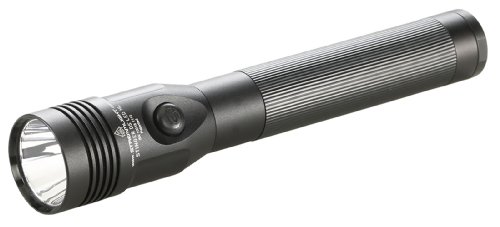
Streamlight 75458 Stinger DS LED HL Flashlight

Streamlight 90545 Survivor 175-Lumen Right-Angle Flashlight

Streamlight 68750 Dualie 3AA 140-Lumen HAZ-LO Flashlight

Brinyte A02 Rechargeable Key Chain Flashlight

TELEMORE Rechargeable Flashlights 2-Pack

AKNEAR Rechargeable LED Flashlight 990000 Lumens
The Details Behind The Selections
The Streamlight 75458 Stinger DS LED HL is the kind of light that earns a permanent spot in a duty belt or work bag. Built around a rechargeable battery system and a high-output LED, it pushes serious lumens through a wide flood beam that fills a room rather than poking a single hot spot into the dark.
Unlike the Streamlight 90545 Survivor below, which leans toward right-angle safety work, the Stinger reads as a classic straight-handheld pro light. First responders, security staff, and anyone who needs reliable power night after night will appreciate the dual-switch layout that lets a user toggle modes from either end.
Real Benefits
- Wide flood beam covers a room or scene instead of a narrow tunnel of light
- Rechargeable battery cuts down on disposable cell waste over time
- Dual-switch design is glove-friendly for cold or tactical use
- Durable polymer and aluminum build handles drops on hard surfaces
Things To Consider
- Larger than a pocket light, so it lives in a bag or on a belt
- Rechargeable system means planning for charging downtime
- Premium pricing reflects pro-grade construction
Who It Suits Best
First responders, security professionals, and serious outdoor users who want a rechargeable workhorse that holds up to daily abuse.
Where Another Pick Suits Better
For hazardous-location industrial work, the Streamlight 90545 Survivor is a safer fit thanks to its intrinsic-safety rating.
The Streamlight 90545 Survivor takes a completely different angle, literally. Its right-angle head clips to turnout gear, climbs harnesses, and clips onto a helmet bracket so the beam points wherever the user looks. The housing carries a Class I, Division 1 intrinsic-safety rating (a certification meaning the flashlight cannot ignite flammable gases or vapors in hazardous work zones), which matters more than raw lumens on a refinery floor or a fire scene.
Compare that to the Stinger above, which favors raw flood output. The Survivor trades some punch for survivability, and that’s the right call for industrial crews and rescue teams who can’t afford a malfunction near fuel vapor.
Everyday Wins
- Right-angle body clips to gear and stands upright on flat surfaces
- Intrinsic-safety rating for flammable or combustible environments
- Push-button switch stays operable while wearing thick gloves
- Impact-tested nylon body resists job-site drops
Worth Noting
- Lower lumen count than the Stinger or the AKNEAR below
- Nylon housing shows scuffs faster than anodized aluminum
Feature Snapshot
Made For
Industrial crews, firefighters, and hazmat responders who need certified safety in volatile environments.
Look Elsewhere When
For casual camping and home use, the TELEMORE 2-Pack offers better value without the safety certifications you may not need.
The Streamlight 68750 Dualie flips the script on what a work light can do. Two independently controlled LEDs sit at the front, so a user can run a forward spot beam for distance, a downward flood beam for the task at hand, or both at once to kill shadows under a sink or behind an engine.
Where the Survivor above aims upward from a clipped position, the Dualie is meant to be set down on its tail and aimed at the workspace. Mechanics, electricians, and plumbers who crawl into tight spots will recognize the appeal of walking into a job with both hands free.
The Good Stuff
- Dual-beam setup removes shadows during hands-free repair work
- Runs on common AA cells, easy to find at any gas station
- High-visibility yellow housing is hard to lose on a cluttered bench
- Spot beam reaches a useful distance for inspection tasks
Trade Offs
- AA batteries mean swapping cells rather than USB recharging
- Not as bright in pure lumens as the Stinger or AKNEAR options
Feature Snapshot
Right Fit For
Mechanics, electricians, and DIYers who need a hands-free work light more than a long-throw beam.
Consider Something Else When
For everyday pocket carry, the Brinyte A02 keychain light is far smaller and still rechargeable.
The Brinyte A02 is what I clip onto my keys and forget about, until the hallway fuse blows or I drop something behind the couch. It weighs almost nothing, charges through USB-C, and puts out a useful 125 lumens across four modes including a strobe for emergencies.
Coming from the Streamlight 68750 Dualie above, this is a category change, not a step down. The Dualie belongs on a workbench; the A02 belongs on a keyring. Both earn their place, just in very different pockets.
Strengths Worth Knowing
- USB-C charging means no hunting for coin cells or specialty batteries
- Four modes, including a memory function, adapt to quick tasks
- Side switch is simple to operate by feel in the dark
- Lightweight body disappears on a keychain until needed
Minor Gripes
- Modest throw distance compared to full-size lights
- Small body can be easier to misplace than a larger torch
Best Suited To
Commuters, apartment dwellers, and anyone who wants a no-fuss backup light always within reach.
A Better Fit Elsewhere
For weekend camping trips that demand serious reach, the AKNEAR Rechargeable LED Flashlight delivers far more throw.
The TELEMORE 2-Pack answers a simple question: why own one flashlight when you can stash two around the house for less than the cost of a premium single unit? Each light runs seven modes, charges over USB, and carries a waterproof rating that handles rain and a dropped-in-a-puddle moment.
Compared to the Streamlight Stinger above, the TELEMORE trades pro-grade construction for sheer household flexibility. One goes in the kitchen drawer, the other in the car, and nobody argues about who has the working flashlight during a blackout.
Useful Highlights
- Two units mean redundancy during a power outage
- Seven modes cover everything from a soft reading glow to a bright search beam
- Adjustable focus narrows or widens the beam on demand
- Waterproof build handles wet weather and kitchen splashes
Points To Note
- Not certified for hazardous-location work
- Build quality is a clear step below the Streamlight pros above
Feature Snapshot
Who Should Grab It
Families and casual campers who want flexible backup lighting without spending on a single premium unit.
Swap It Out When
For daily professional duty, the Streamlight 75458 Stinger is a sturdier long-term investment.
The AKNEAR Rechargeable LED Flashlight is the brightest option on this list by a wide margin. It advertises a serious lumen count, runs six modes through a zoomable head, and stretches runtime to roughly 30 hours on lower settings, which is overkill in the best possible way for emergency kits.
Where the TELEMORE 2-Pack above spreads practicality across two units, the AKNEAR concentrates everything into one long-throw beam. Campers, hikers, and anyone prepping for power outages will appreciate the USB-C charging that tops off the cell from any modern cable.
What Helps Most
- Massive lumen output covers a backyard or campsite in one sweep
- Zoomable beam shifts between flood and spot without swapping lights
- USB-C charging fits the same cable as most modern phones
- Six output levels cover both long runtime and peak brightness
Honest Caveats
- High output drains the cell faster than lower-tier lights
- Bulky for everyday pocket carry compared to the Brinyte A02
Feature Snapshot
Built With In Mind
Outdoor enthusiasts and preppers who want one powerful torch to cover search, camp, and emergency use.
Reach For A Different Pick When
For everyday pocket carry and quick household tasks, the Brinyte A02 keychain light is far more practical.
What Matters Most When Shopping For And Brightest Flashlights
Beam Type And Throw Distance
Flood beams spread light wide for close work, while spot beams reach far into the distance. For walking a dark trail, throw matters; for fixing a sink, flood wins. The Streamlight Survivor leans spot, and the Dualie blends both, so matching the beam shape to your typical scenario saves frustration later.
Power Source And Runtime
Rechargeable cells cut long-term cost and waste, but they need a charging routine. Swappable batteries, like the AAs in the Dualie, keep working after long storage without a charger. Match the power source to how often you’ll actually use the light and how long it may sit idle in a drawer.
Size, Weight, And Carry
A full-size light throws further but rarely lives in your pocket. Keychain lights like the Brinyte A02 are always there when needed, while heavy-duty models like the AKNEAR earn their spot in a bag or glove box. Pick based on where the light will actually spend its days.
Durability And Safety Ratings
Job-site and outdoor use call for impact resistance and at least basic water protection. Hazardous environments need certified safety ratings like the Streamlight Survivor’s Class I, Division 1 build. For casual home use, a solid waterproof rating without the certification step is plenty for most needs.
Key Considerations Across These Picks
Mistakes Worth Dodging
Chasing the highest lumen count often backfires, since peak output drains batteries fast and rarely matches real-world use. Beam shape, runtime, and ergonomics matter more for daily satisfaction than a single headline number. Buyers also tend to overlook charging cable compatibility, and ending up with a proprietary plug during a power outage is no fun.
Why Top Tier Costs More
Premium models like the Streamlight Stinger use tougher materials, regulated circuitry (electronics that hold brightness steady instead of dimming as the battery drains), and certifications that budget lights skip. The extra cost buys longer service life and more consistent output, which pays off for daily users and harsh environments. Casual shoppers often do fine with mid-tier options until they need that reliability on a cold night in the woods.
Frequently Asked Questions
How many lumens do I really need?
For most home and camping tasks, 100 to 300 lumens covers reading, walking, and basic searching. Reaching 800+ lumens matters for outdoor search and professional work where you need serious throw.
Are rechargeable flashlights worth it?
Rechargeable models save money on batteries over time and keep a steady charge with a USB cable. Swappable cells still win for long-term storage and remote trips without power access.
What does an IPX water rating mean?
IPX ratings describe water resistance, with IPX4 handling splashes and IPX7 or IPX8 surviving submersion. For outdoor and job-site use, IPX4 or higher is a smart baseline.
How long should a flashlight battery last?
Runtime depends on mode, and high output drains cells much faster than low. Picking a model with multiple modes lets you stretch runtime when peak brightness isn’t necessary.
Can I use any USB-C cable to charge modern flashlights?
Most USB-C rechargeable lights use standard cables, but fast-charge support varies. A basic USB-C cable handles top-ups, while high-wattage bricks may speed up larger cells.
Closing Thoughts
The brightest flashlight is the one that’s actually with you when the lights go out. Match the build to your real use, keep a backup somewhere reachable, and don’t overthink the lumen arms race. Pick what fits your routine, charge it on a schedule, and it’ll earn its keep for years.