

A reliable pocket-sized beam earns its spot in the glove box, the camping bag, and the kitchen junk drawer. The trick is matching the flashlight to how you actually carry and use it, since the same lumen count can feel oversized on a keychain and undersized in a power outage. I’ve pulled together seven mini-flashlights that cover everyday carry, emergency kits, and a few jobs that need a tighter, more focused beam.
Your Options, Compared

FASTPRO 18-Pack 9-LED Mini Flashlight Set with AAA Batteries

OLIGHT Baton4 Premium Edition EDC Flashlight (OD Green)

OLIGHT Marauder Mini Powerful Flashlight RGB (Orange)

Energizer R-300 LED Flashlight Emergency Safety Light (IPX4)
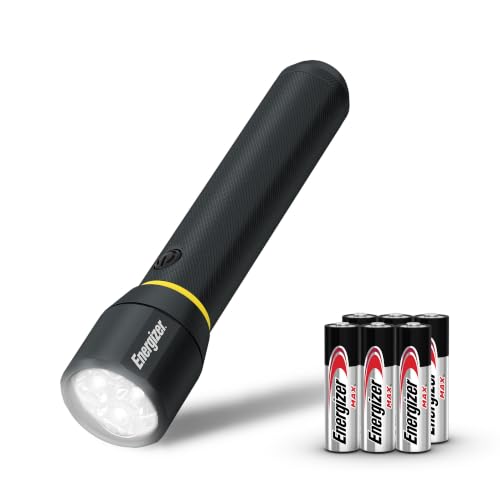
Energizer LED Flashlight Vision PRO 1000+ Lumens (Aluminum)

Energizer S-600 LED Flashlight Rechargeable Solar/AA Hybrid

WORKPRO LED Pen Light, Aluminum Pen Flashlight with Clip
Taking A Closer Look At The Options
The FASTPRO multi-pack is the flashlight set you scatter around the house and stop thinking about. Eighteen units in mixed colors, each running on three AAA cells, give you enough spares to cover the kitchen, the nightstands, the car, the camper, and the dog-walking jacket without raiding one to feed another. ABS shells and a rubberized grip mean a drop onto tile usually ends in a pickup, not a parts order. The 9-LED cluster puts out enough light for hallway trips, fuse-box checks, and reading the meter outside.
Where the set wins is household logistics. Each unit ships with its batteries, so you’re handing working flashlights to kids and houseguests the same afternoon. Compared to the OLIGHT Baton4, the FASTPRO trades aluminum elegance for sheer quantity and a color-coded grab-and-go system.
Notable Upsides
- Eighteen units per order cover every room, bag, and glovebox in one shipment
- AAA cells ship included, so first-use is genuinely grab-and-go
- Color-coded shells make it easy to assign one to each family member or task
- ABS body with rubberized grip handles drops onto hard floors better than thin metal tubes
Things To Consider
- Output per unit is modest, so outdoor walks past the porch light feel limited
- Running 18 lights means replacing AAA cells in waves over time
Whose Shelf It Belongs On
Households that want a dedicated flashlight in every drawer and closet without buying single units one at a time.
Where Another Pick Suits Better
Commuters who only want to carry one light should look at the OLIGHT Baton4 Premium Edition for a single higher-output daily-carry option.
The Baton4 is the kind of pocket light that quietly replaces three other gadgets. It pushes a serious 1300-lumen high mode and a roughly 170-meter throw, which sounds like overkill until you need to read a house number from the curb. The body is short enough for a jeans pocket, and the anodized OD Green finish feels purposeful rather than decorative. A two-way clip and a tail magnet free up both hands when you’re tracing wires in a panel or changing a tire in the dark.
Where it pulls ahead of the FASTPRO set is sheer power density: one Baton4 outperforms an entire bundle of the 9-LED units for any outdoor task. The trade is capacity, since handing a Baton4 to the kids feels riskier than tossing them a color-coded ABS shell.
Benefits That Matter
- 1300-lumen high output handles dark driveways and trailheads without flooding the scene
- Built-in tail magnet and two-way clip let you mount it to a hood, fridge, or belt
- Rechargeable cell keeps the running cost far below disposable AAA sets over time
- Compact body disappears in a fifth-pocket or organizer sleeve
Trade Offs
- One unit per household means sharing logistics, not spreading them around
- Charging port care matters, since daily pocket lint tends to migrate into unsealed openings
Feature Snapshot
Right Fit For
One-bag daily carriers, night-shift drivers, and homeowners who want a single serious light instead of a dozen basic ones.
Reach For A Different Pick When
Households that need lights in every room are better served by the FASTPRO 18-pack, which spreads out the coverage at lower per-unit output.
The Marauder Mini steps up the category into “small but capable of serious work.” It’s smaller than the earlier Marauder series flashlights, yet keeps the high-output flood and a long-throw beam in the same housing. The wraparound RGB LEDs in green, blue, and red are evenly distributed behind the lens, which makes the unit genuinely useful for night photography, signaling, and preserving dark-adapted vision in the field. Hunters, search volunteers, and serious outdoors people tend to gravitate here for one tool that does several jobs.
Against the Baton4, the Marauder Mini trades pocket-friendly proportions for raw output and a more deliberate control layout. It’s the one I’d reach for when a campsite or trail head calls for a wider sweep, not just a tight beam.
What Stands Out
- Dual beam profile handles both flood scanning and long-distance spotting
- RGB array preserves night vision and supports signaling or color-coded group work
- Compact for the output class, so it still rides in a jacket or chest pouch
- Rechargeable power system avoids the constant cell swap cycle
Worth Noting
- Larger and heavier than a true keychain light, so it won’t disappear in dress pants
- More modes than a casual user may want, which means a brief learning curve for the button sequence
Built With In Mind
Outdoor enthusiasts who want one light to cover the trail, the campsite, and the parking lot without packing a separate lantern.
Skip It When
Someone looking for a strictly pocketable daily-carry beam should pick the OLIGHT Baton4, which keeps the size smaller and the interface simpler.
The Energizer R-300 reads like a piece of storm-prep equipment. It throws a beam that reaches up to 555 feet, which is a meaningful upgrade over a basic household flashlight when the neighborhood is dark. Four operating modes, including a High, Low, Strobe, and a Red Strobe for signaling, give it a real safety role. IPX4 water resistance means a downpour or a spilled bottle in the kitchen doesn’t end the night.
Batteries ship in the box, so it goes straight into the kit. Compared to the FASTPRO set, the R-300 trades quantity for one rugged, long-reach light, and compared to the Baton4 it leans toward emergency duty rather than daily pocket carry.
The Good Stuff
- Long-throw beam covers driveways, yards, and dark streets from the porch
- Red Strobe mode draws attention without draining battery as fast as full white
- IPX4 housing handles rain and splashes during outdoor use
- Includes batteries, so it goes from box to bug-out bag in minutes
Points To Note
- Heavier and longer than pocket-flashlight class, so it’s a bag light, not a keychain one
- Strobe modes can be confusing if someone else grabs it in a hurry without instructions
Quick Facts
Made For
Households in storm-prone regions and anyone rebuilding a 72-hour kit with one reliable primary light at the top.
Not Your Match When
Daily pocket carriers who want something smaller and lighter should look at the WORKPRO Pen Light for shirt-pocket use instead.
The Vision PRO is the workhorse in this lineup, and it wears that label without ceremony. An aircraft-grade aluminum body gives it the solid feel of a job-site tool, while Digital Focus narrows the beam for a tight spot or widens it for a broad area wash. The output crosses the 1000-lumen mark, and six AA batteries ship in the box, which is generous for a flashlight that arrives ready to run. IPX4 water resistance keeps it honest in the rain.
It is meaningfully bigger than the Baton4 and the WORKPRO pen light, but in a gloved hand, the body becomes a feature rather than a flaw. Compared to the R-300, the Vision PRO trades the four-mode signaling layout for a tighter, focusable beam built for outdoor and shop work.
What Pays Off
- Focusable beam covers both a tight throw and a wide working area in one tool
- Aircraft-grade aluminum shrugs off drops from a tailgate or a workbench
- Bundled AA batteries mean the first task is the first use, not a battery run
- Output class handles campsite, garage, and outage duty in a single unit
Honest Caveats
- Full-size body won’t ride comfortably in a dress shirt pocket
- AA cells need eventual replacement, so a small stash of spares helps for long outages
Key Attributes
Best Suited To
Shop owners, contractors, and homeowners who want a durable outdoor light that can also back up an emergency kit.
A Better Fit Elsewhere
People who only need a single pocketable EDC beam will find the OLIGHT Baton4 a more comfortable everyday carry.
The S-600 hybrid is built around a simple but useful idea: never be stuck without power. It runs on a rechargeable lithium-ion cell that charges from a built-in solar panel or USB, and it falls back to two AA batteries when the internal pack is dead. Onboard indicators tell you when charging is in progress and when it’s done, so you stop guessing at the cable. IPX4 water resistance keeps it honest during a wet campsite or a kitchen spill.
Compared to the Vision PRO, the S-600 trades raw size and focusable beam for genuine off-grid flexibility. The trade is output, which is lower than the Vision PRO and the Marauder Mini, but the dual power story is what makes this a kit favorite.
Everyday Advantages
- Solar and USB charging cover both sunny camping trips and indoor emergency charging
- AA backup means the light still works when the internal cell gives up
- Built-in status indicators remove the guesswork around charge level
- IPX4 housing handles the usual outdoor and household splashes
Smaller Caveats
- Output is lower than dedicated high-lumen options like the Vision PRO
- Solar charging is slow, so plan to top up via USB when time matters
Spec Overview
Who Should Grab It
Cabin owners, overlanders, and emergency planners who want a single flashlight that charges anywhere and still runs on AAs as a fallback.
Look Elsewhere When
Shop-focused shoppers who need a tight focusable beam for close-up work should pick the Energizer Vision PRO instead.
The WORKPRO pen light earns its place by being the one flashlight you actually carry. The anodized machined aluminum body slips into a shirt pocket and stays out of the way until a tight engine bay or a dark breaker panel calls for it. The pocket clip is the unsung hero, since it lets nurses, mechanics, and electricians mount the light to a lapel or a notebook without thinking about it. Each unit uses standard alkaline coin cells, so replacement parts are easy to source.
Compared to the R-300 and the Vision PRO, the WORKPRO is a deliberately small beam with a deliberately focused job. The pen form factor can’t compete on raw output, but it shows up where the bigger lights stay in the toolbox.
Standout Benefits
- Pen-shape body disappears in a shirt pocket or scrubs top until needed
- Pocket clip keeps it on hand during inspections, chart checks, and repairs
- Anodized aluminum handles drops better than plastic pen-style lights
- Multi-pack value lets you stage lights at multiple workstations
Room For Improvement
- Single-LED output is much lower than full-size flashlights in this list
- Coin-cell batteries deplete faster than AA or rechargeable setups under heavy use
Perfect Match For
Mechanics, electricians, and healthcare workers who need a quick-draw inspection light on their person throughout the day.
Consider Something Else When
Anyone needing a primary light for outdoor use or a power outage should look at the Energizer R-300 or Vision PRO for serious reach and runtime.
Picking A Mini-Flashlight That Actually Fits Your Day
The right beam depends on how the light travels with you. Pocket carriers want a short body, a secure clip, and a rechargeable cell they can top up on a desk. Garage and outdoor workers want a focusable beam, weather resistance, and a body that survives drops onto concrete. Household emergency kits live or die on battery flexibility and on long-throw beams that cover a dark yard.
Lumens tell you the ceiling, but runtime and beam shape tell you how useful the light feels in real use. A 1300-lumen pocket rocket sounds impressive, but if it lasts thirty minutes on high and lives in a charger most days, the FASTPRO set or the WORKPRO pen lights will quietly do more actual work. Beam distance matters most for outdoor and outage use, while a wide, even flood helps when you’re working under a sink or a sink full of pipes.
Reading Beam And Body Specs
Lumens measure total light output, while beam distance (meters or feet) describes how far the light reaches at usable brightness. A long-throw beam is great for spotting, while a flood beam spreads light over a wide area, which is usually better for close work. IP ratings describe water and dust resistance, with IPX4 meaning splash-resistant from any direction, and higher numbers indicating more protection.
Matching Power Source To Routine
Rechargeable cells cut long-term cost and keep a light topped up at a desk. Replaceable AAs and coin cells are easy to feed anywhere but pile up at the register over time. Hybrid options like the S-600 trade outright runtime for the freedom to charge from the sun, a USB cable, or a stray pair of AAs from a junk drawer.
Things Worth Weighing Before You Decide
Mistakes Worth Dodging
Picking by raw lumen count is the most common shopping trap, since a high-lumen pocket light often has a short high-mode runtime and gets used mostly on a lower setting anyway. Buyers also tend to ignore the body material, and a slick aluminum tube without a clip ends up at the bottom of a bag every single time. Finally, ignoring beam shape leaves people with a tight spotlight when they wanted a work light, or a wide flood when they actually needed to read a house number from the curb.
Where The Extra Money Goes
Stepping up to a premium EDC light like the Baton4 buys you better heat management, a more efficient driver, and a rechargeable cell that holds its capacity over years of daily use. Higher-tier bodies also tend to include usable mounting features, like a tail magnet or a real two-way clip, which is the difference between a flashlight that stays in your hand and one that ends up lighting the engine bay on its own. For most households, one quality pocket light plus one long-reach emergency light is a more useful pair than two mid-tier lights that try to do everything halfway.
Frequently Asked Questions
How many lumens do I really need in a mini-flashlight?
For indoor tasks, 30 to 100 lumens is plenty, while outdoor and outage use benefits from 300 lumens and up. Reaching beyond 1000 lumens is useful for long throws but rarely necessary for daily carry.
What does IPX4 actually mean?
IPX4 means the light resists splashes of water from any direction, so rain and accidental spills are fine, but submerging the flashlight is not covered. Higher IP numbers mean better sealing against dust and water.
Are rechargeable mini-flashlights worth the switch?
For daily carry and frequent use, a rechargeable cell saves the cost and waste of disposable batteries over time. For emergency kits that sit in a drawer, a battery-fed or hybrid flashlight may be a safer bet.
How long should a mini-flashlight last on one set of batteries?
Runtime varies widely by mode, and a light that runs for hours on low may only last under an hour on high. Match the flashlight to the longest session you realistically expect, whether that’s a quick dog walk or a full evening during an outage.
Can one mini-flashlight replace a larger one?
For everyday carry and close work, a quality pocket light covers most scenarios. Long-throw outdoor use, storm prep, and shop work still benefit from a dedicated full-size light in the same kit.
The Takeaway
The best mini-flashlight is the one that lives where you actually need it: a clipped pen light in the work shirt, a rechargeable Baton4 in the daily bag, and a long-throw R-300 or Vision PRO staged for outages. Match the body, the beam, and the power source to the routine, and the rest of the decision usually takes care of itself.