

Setting up a thriving reef tank means thinking about light the way coral does, not the way we do. Reef-building corals depend on specific wavelengths of light to fuel photosynthesis through the zooxanthellae living inside their tissues. Pick the wrong spectrum and color growth stalls; pick the right one and the same tank comes alive with pigment and movement. Most hobbyists I’ve worked with spent weeks researching before settling on their first fixture, and almost everyone upgraded within a year. The picks below cover everything from a tiny desktop pico to a full smartphone-controlled panel for serious mixed-reef builds.
The Main Contenders

hygger 5-10 Gallon Nano Tank Mini Clip-on Aquarium Light

NICREW ClassicLED Plus LED Aquarium Light 21W

SMATFARM Aquarium Light 140W Reef Light Wide Coverage

SMATFARM Aquarium Light 95W Coral Reef Brackets Version

SMATFARM 60W LED Reef Light Programmable Control

SMATFARM Aquarium Light 95W Coral Reef Suspension Version
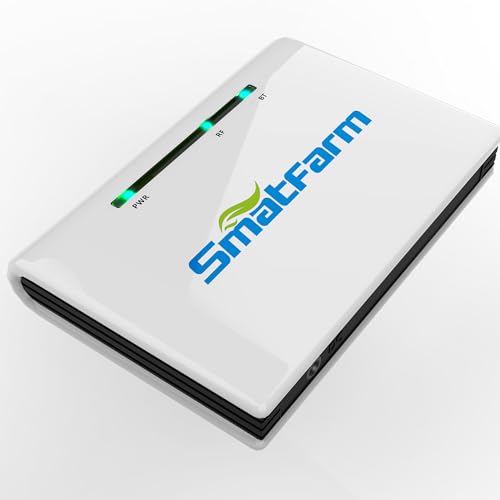
SMATFARM Aquarium Light APP Controlled 2nd Gen Coral Light
More On The Choices That Made The List
Picture a desk-side pico reef or a five-gallon rimless tank on a bookshelf. That’s where this tiny clip-on hygger earns its keep. It pulls double duty for nano reef keepers and freshwater hobbyists, with three color modes mixing white, blue, and red LEDs to suit low-light corals or to bring out color in fish alone.
The clip-on bracket grips onto thin glass without drilling, which is a relief for renters and anyone avoiding tank modifications. Setup takes a minute, and the built-in timer keeps the photoperiod honest. For most nano builders, that simplicity is the whole appeal.
Benefits That Matter
- Three color presets (white, blue, red mix) plus five brightness steps let you tune the look without swapping fixtures.
- Built-in timer with 6, 9, and 12-hour options automates the photoperiod so I don’t have to flip a switch.
- Clip-on mount installs in seconds on standard thin glass, leaving no permanent mark.
- Low 9W draw keeps heat and electricity use minimal on small setups.
Things To Consider
- The 9W output is too modest for most stony corals, which generally need more intense, reef-specific spectrum.
- Owners commonly report the clip fits best on glass under roughly 8 mm thick, so it may not seat well on acrylic rimless tanks.
At A Glance
Right Fit For
Anyone running a 5 to 10 gallon nano or pico reef with soft corals, anemones that prefer low light, or a freshwater planted bowl.
Where Another Pick Suits Better
The SMATFARM 60W LED Reef Light is the better call for hobbyists stepping up to LPS or SPS corals that need more penetration.
The NICREW ClassicLED Plus bridges two worlds: freshwater planted tanks and entry-level saltwater. It spreads a balanced full-spectrum output across 30 to 36 inches, blending 6500K white with 450nm blue, deep red at 660nm, and green. That blend keeps plants photosynthesizing while adding a soft shimmer that flatters fish colors.
Compared to the clip-on hygger above, this is a real hood-style fixture with two lighting modes and gradual ramp-up and dim-down cycles. For hobbyists with a long, low community tank, the spread and the simulated sunrise feel matter more than wattage.
Reasons It Performs
- Wide 30 to 36 inch coverage means one fixture stretches across most standard long tanks.
- Ramp-up and dim-down cycles ease fish into the photoperiod, reducing startle.
- Adjustable spectrum only when running the timer, which keeps the schedule consistent.
- Slim hood design clears most standard canopies without modification.
Honest Caveats
- Reef keepers should look elsewhere; this fixture targets planted and community setups, not coral-heavy systems.
- The 21W output is light by saltwater standards, so deeper tanks may show dim corners.
Made For
Freshwater planted tanks and fish-only saltwater setups from 30 to 36 inches long, where balanced color and gentle ramp cycles matter most.
Reach For A Different Pick When
The SMATFARM 95W Coral Reef Light is the better fit for anyone serious about LPS or mixed reef corals.
This is the panel for the reef keeper who’s done tinkering and wants raw output. The 140W G6 model spreads across six color channels, white, blue, violet, ultraviolet, green, and red, with sunrise, sunset, and moonlight phases you can dial in. For mixed-reef tanks over 20 gallons, that channel mix tends to be the difference between corals surviving and actually coloring up.
Master-slave group control lets me run multiple fixtures in sync, which matters once a tank grows past 40 gallons. Compared to the 60W and 95W SMATFARM units further down, this is the heaviest hitter in the lineup.
The Good Stuff
- Six channels and 140W max output drive higher PAR values (a measure of usable light that reaches corals) deeper into the tank.
- Master-slave group control keeps multiple fixtures on the same schedule without manual syncing.
- Built-in timer and on-screen controller simplify daily operation.
- Wide coverage handles oversized saltwater tanks without hot spots.
A Few Limitations
- The 140W draw runs warm, so most setups will want decent ventilation above the canopy.
- Best suited to tanks of 20 gallons or more; smaller nano tanks get over-driven at full power.
Quick Facts
Best Suited To
Mixed-reef hobbyists running tanks of 20 gallons or more who want full spectrum control and group syncing across multiple fixtures.
Look Elsewhere When
The SMATFARM 60W LED Reef Light is the better entry point for someone new to corals who doesn’t yet need six channels.
The bracketed G5 sits in a comfortable middle ground. Ninety-five watts with optical lenses, sunrise and sunset phases, and 0 to 100% dimming give most reef keepers enough control to tune the look without juggling six channels. For tanks in the 20 to 40 gallon range, this bracket-mounted version often hits the sweet spot.
Owners commonly appreciate that the bracket sits the panel a few inches above the water, which spreads coverage and reduces hot spots. Touch control plus a handheld remote means I don’t have to hover over the tank to make adjustments.
What Helps Most
- Optical lenses improve light transmission into deeper water, useful for medium tanks.
- Sunrise, sunset, and moonlight phases simulate a natural day cycle.
- Remote and touch controls simplify daily tweaks without climbing around the tank.
- Bracket mount installs without modifying the rim, which renters tend to prefer.
Points To Note
- Lower channel count than the 140W G6, so fine-tuning color is more limited.
- Bracket arms add a few inches of clearance needed above the tank rim, which may not fit tight canopies.
Whose Shelf It Belongs On
Mid-size saltwater hobbyists running 20 to 40 gallon tanks who want solid reef-grade output without stepping up to the heaviest fixture in the lineup.
Swap It Out When
The SMATFARM 95W Suspension Version is the better fit for anyone wanting a hanging-style install instead of bracket arms.
First reef tank? The 60W G3 is the kind of fixture I’d recommend to a friend just starting out. Three channels (white, blue, violet blue) and a programmable controller cover the basics for LPS corals and beginner mixed reefs. The wireless control system means no messy cables across the floor.
Compared to the 140W panel above, this one’s intentionally simpler. That’s a feature, not a flaw, for someone who doesn’t yet need six channels. Most beginners find three channels plenty while they’re still learning coral placement and acclimation.
The Case For It
- Programmable controller brings app-style scheduling at a more accessible price tier.
- Three channels cover the basics for soft and LPS corals.
- Wireless 2.4G connectivity reduces cable clutter around the tank.
- Compact form factor works well on smaller saltwater setups.
Potential Drawbacks
- Three channels may feel limiting once keepers add SPS corals to the mix.
- The 60W max output won’t drive demanding stony corals in deeper tanks.
Perfect Match For
Beginners stepping into reef keeping who want real programmability without overcommitting on wattage or channels.
A Better Fit Elsewhere
The NICREW ClassicLED Plus is a smarter choice for freshwater planted or fish-only tanks where reef spectrum isn’t needed.
This is the same G5 panel as the bracketed version, but mounted from above instead of clamped to the rim. For open-top rimless tanks, suspension mounting tends to spread light more evenly and keeps the rim clear for glass lids or feeding access.
Owners commonly report that hanging style cleans up the visual lines of a built-in aquarium, especially in living-room displays where the canopy can’t sit flush. The hardware feels substantial, and the touch controls stay accessible on the side of the housing.
Practical Pluses
- Suspended mounting suits rimless and open-top tanks without crowding the rim.
- Same 95W output and sunrise/sunset/moonlight programming as the bracketed G5.
- 0 to 100% dimming for fine-tuning acclimation periods on new corals.
- Group control syncs multiple panels for larger multi-tank setups.
Factors To Consider
- Requires ceiling or canopy hardware for hanging, which adds to installation effort.
- Suspension height needs adjustment to land on the right PAR levels for specific corals.
Who Should Grab It
Hobbyists with rimless or open-top saltwater displays who prefer a clean overhead look and don’t mind a slightly more involved install.
Skip It When
The bracketed G5 is easier to mount for anyone working with a covered tank or a tight ceiling clearance.
The second-generation app-controlled panel is for hobbyists who like to tinker. Twenty-four scheduling points let me map out a full day of intensity and color shifts from a phone, and the dual-antenna design extends the operating range to roughly 10 meters. The new lightning simulation and coral adaptation modes add a layer of realism that simpler controllers can’t match.
The light configuration sharing function is a quiet highlight; once you’ve dialed in a schedule, you can export and share it with other reef keepers running the same panel. For tech-oriented hobbyists, that social element is part of the appeal.
Where It Delivers
- 24-point scheduling via app gives granular control over intensity and color throughout the day.
- Lightning simulation adds visual drama and may benefit certain fish species’ behavior.
- Coral adaptation mode helps ease new frags into the photoperiod.
- Dual-antenna setup stabilizes the wireless link at longer distances from the tank.
- Configuration sharing simplifies replicating proven lighting schedules.
Softer Spots
- App dependency means losing the phone or having a flaky network can complicate daily operation.
- More features bring a steeper learning curve for first-time reef keepers.
Feature Snapshot
Built With In Mind
Tech-savvy reef keepers who want phone-driven scheduling, sharing, and effects like lightning simulation on a serious mixed-reef build.
Not Your Match When
The SMATFARM 60W LED Reef Light is the calmer choice for anyone who just wants a basic programmable schedule without app overhead.
What Matters Most Before Choosing Lightings For Reef Tanks
Spectrum And Color Channels
Reef corals depend on specific wavelengths, especially in the blue and violet range, to power photosynthesis through their symbiotic algae. A fixture with multiple channels (white, blue, violet, UV, red) gives a reef keeper control over both growth and coloration. For most mixed-reef setups, three channels cover the basics, while five or six channels open up fine-tuning for SPS corals and color-pop frags.
Wattage, PAR, And Tank Depth
Wattage alone doesn’t tell the full story. PAR (photosynthetically active radiation) measures the usable light that actually reaches coral tissue, and that depends on lens optics, mounting height, and tank depth. A 60W panel can outperform a higher-wattage competitor if the lenses focus light efficiently. Match fixture strength to your deepest coral placement, not just tank volume.
Control Style And Daily Routine
Timer-based controllers work well for hands-off schedules, but app-driven panels with 24 scheduling points suit hobbyists who want granular ramps. Think about your real routine. Do I want to set it once and forget, or do I enjoy tweaking the schedule from my phone? That answer narrows the shortlist faster than any spec sheet.
Mounting And Tank Style
Bracket mounts clamp to the rim, while suspension kits hang from above. Rimless and open-top displays usually look cleaner with suspension, but covered tanks or rentals lean toward bracketed panels that need less hardware overhead. Measure clearance before choosing.
Key Considerations Across These Picks
Where Shoppers Go Wrong
The most common slip I see is choosing a fixture by wattage alone. Two 95W panels can deliver wildly different results depending on lens optics and channel count. Another trap is underestimating mounting clearance. A panel that looks compact in photos may need six inches of airspace above the rim, which doesn’t always fit under a standard canopy. Measure twice.
When Paying More Pays Off
Higher-tier reef fixtures tend to cost more because of denser LED arrays, better lenses, and finer channel control. For someone running a 30-gallon mixed reef with LPS and SPS corals, that extra cost usually translates into healthier growth and richer coloration. A nano keeper with soft corals won’t see the same return, so the upgrade only makes sense once coral demands justify it.
Frequently Asked Questions
How Many Watts Per Gallon Do Reef Tanks Need?
A common rule of thumb suggests 3 to 5 watts per gallon for mixed reefs, though PAR at coral depth matters more than raw wattage. Smaller tanks with shallow coral placement can get by with less, while deeper setups need stronger panels or better optics.
Can I Use A Planted Tank Light On A Reef?
Planted tank lights like the NICREW ClassicLED Plus focus on the white-heavy spectrum freshwater plants need. Reef corals rely more on blue and violet wavelengths. For soft corals and low-light LPS, a planted light may limp along, but most reef keepers find dedicated reef spectrum pays off in coral health.
What Is PAR And Why Does It Matter?
PAR stands for photosynthetically active radiation, a measure of the light wavelengths corals actually use for photosynthesis. Higher PAR at coral depth means more usable energy for growth and color. Two fixtures with identical wattage can produce very different PAR depending on optics and mounting height.
Do I Need A Timer For My Reef Light?
A built-in timer or app scheduling keeps the photoperiod consistent, which matters for coral health and algae control. Most reef keepers rely on automation rather than manual switching, especially once schedules include ramp-up and dim-down phases.
How Often Should I Replace Reef LEDs?
Quality reef LEDs typically last several years before output drops noticeably. Most keepers replace fixtures when corals begin to look pale or growth stalls despite stable parameters, rather than on a fixed calendar.
Bottom Line
Choosing the right light for a reef tank comes down to matching spectrum, intensity, and control to the corals you actually keep. Nano keepers will find the hygger clip-on plenty for soft corals, while mixed-reef hobbyists running larger tanks will want the heavier 95W or 140W SMATFARM panels. The app-controlled second-generation model fits best for tech-oriented keepers who want granular scheduling. Match the fixture to your tank’s reality, and the corals will tell you when you’ve gotten it right.