

Swapping out an old porch bulb used to mean grabbing whatever was in the drawer and hoping it survived the rain. Today’s outdoor LED options are smarter, dimmer-friendly, and built to handle weather swings. I put together this shortlist for shoppers who want dependable, good-looking light at the front door, along the walkway, or out by the garage.
How The Shortlist Stacks Up
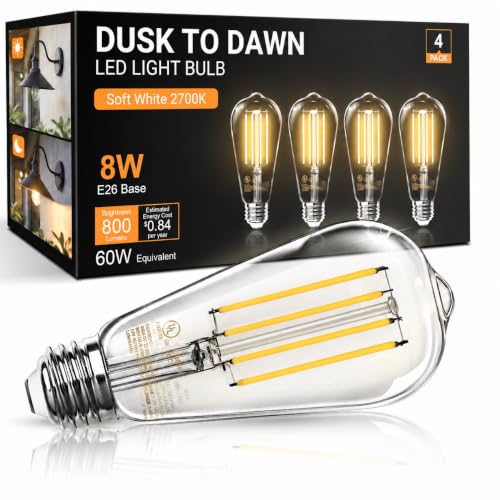
TJOY 4 Pack Dusk to Dawn ST58 Edison Bulbs 2700K

TJOY 2 Pack Dusk to Dawn ST58 Edison Bulbs 3000K

TJOY 4 Pack Dusk to Dawn ST58 Edison Bulbs 5000K
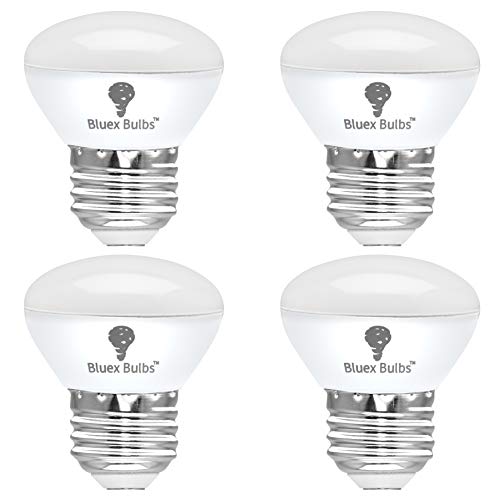
Bluex Bulbs 4 Pack R14 LED Mini Reflector 2700K

Duoled T10 Tubular LED Bulbs 4W 2700K
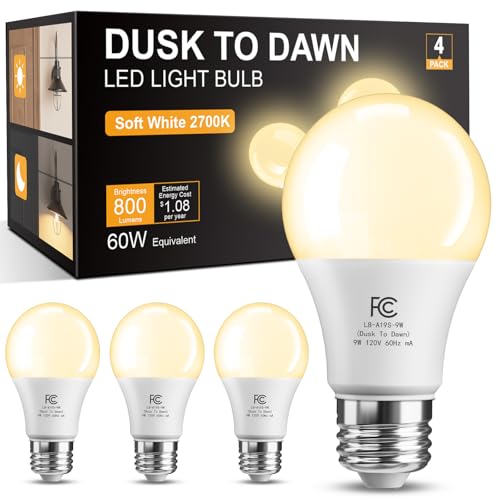
TJOY Dusk to Dawn A19 Outdoor Bulb 2700K
The Strengths Of Each Pick
Most outdoor fixtures get forgotten once the bulb is in, and that’s the whole point of this TJOY four-pack. The ST58 Edison shape brings that warm filament look to porch lanterns, while a built-in photocell (a tiny light sensor that triggers the bulb when surroundings go dark) handles on and off automatically. For a homeowner who doesn’t want to think about switches, the 2700K warm white tone keeps the front of the house looking inviting after sunset.
The pack format matters too, since replacing one bulb at a time adds up. Compared with the standard A19 outdoor bulbs coming later in this list, the ST58 gives you a visible filament silhouette that suits open-cage or clear-glass fixtures much better. I think this is the easiest “set it and forget it” pick on the shortlist.
What Makes Sense
- Built-in photocell means no apps, timers, or smart-home setup needed
- 2700K warm white flatters brick, stone, and wood siding
- Four-pack covers multiple fixtures around the same home
- Edison-style filament shape works in exposed or clear-glass lanterns
- LED efficiency keeps outdoor run-time affordable across the year
Worth Bearing In Mind
- Sensor reads only sunlight, so it should sit where daylight can actually reach the bulb
- ST58 shape is taller than a standard A19, so measure narrow sconces first
Key Advantages
Who Will Love This
Homeowners with multiple porch or garage fixtures who want a warm Edison glow without managing switches or schedules.
Swap It Out When
Skip to the Duoled T10 tubular bulbs if your fixture is a narrow wall sconce where a stubby Edison silhouette fits better.
Think of this as the cooler cousin of the first pick. The same ST58 Edison silhouette and dusk sensor stay in place, but the 3000K tone shifts the mood toward crisp white without going full daylight. I like this option for entryways with modern siding, painted trim, or matte black hardware where a slightly cleaner read helps everything pop after dusk.
The two-pack format is a smart choice for someone testing the waters before committing to a full four-bulb upgrade. Compared with the 2700K set earlier, this one trades a little warmth for more clarity on architectural details. For shoppers weighing one porch at a time, that’s a useful middle ground.
Standout Benefits
- 3000K strikes a balance between warm and cool for modern exteriors
- Edison filament design pairs with clear and seeded glass fixtures
- Photocell automates on-off without a separate sensor module
- Two-pack keeps the cost of a single-fixture swap modest
Trade-Offs To Consider
- Color lands between the 2700K and 5000K siblings, so it may not feel warm enough for very traditional homes
- Same ST58 length caveat as Item 1, meaning tight shades can crowd the bulb
- Only two bulbs, so multi-fixture homes will need another pack
Right Fit For
Shoppers outfitting one or two modern-style porch fixtures who want a cleaner look without committing to harsh daylight tones.
Reach For A Different Pick When
Choose the TJOY 5000K four-pack if your goal is maximum security-style brightness on a long driveway.
When the goal is visibility over mood, 5000K daylight tone earns its place. This TJOY four-pack keeps the auto-sensor Edison look from the earlier picks while pushing the color temperature up to a cooler, almost blue-white output. I think this works best around side yards, garage entries, and walkways where spotting steps and corners matters more than ambiance.
Compared with the warm 2700K version, this one reads as more “utility” than “welcome.” For shoppers who split their outdoor lighting between decorative front fixtures and functional back or side lights, buying both color temperatures from the same brand is a clean way to keep things consistent. The honest read is that this is the right call when clarity beats cozy.
Where It Helps
- 5000K daylight tone sharpens detail around steps and walkways
- Edison filament keeps the look intentional rather than industrial
- Photocell sensor ignores neighboring fixtures, reducing false triggers
- Four-pack handles an entire side of the house in one buy
Honest Caveats
- Cool tone can feel harsh against warm wood or brick facades
- Same ST58 dimensions as the other TJOY picks, so shallow fixtures need a tape measure first
- Sensor behavior may surprise first-time users, since it reacts only to true sunlight levels
Best Suited To
Households prioritizing security lighting on driveways, side paths, or detached garages over decorative warmth.
Not Your Match When
Choose the TJOY 2700K four-pack instead if you want the front porch to feel like a porch, not a parking lot.
Some outdoor fixtures are just too shallow for a tall Edison bulb, and that’s exactly where the Bluex R14 mini reflector comes in. The short neck and small reflector shape slip into tight sconces, sign lights, and curio-style outdoor lanterns without crowding the glass. The 2700K warm white keeps the tone consistent with the larger TJOY picks in this list.
Dimmable compatibility is a quiet perk here, since the previous TJOY bulbs are sensor-only. For shoppers who already use a dimmer switch or want to dial the mood down for outdoor dining, this brings flexibility the sensor bulbs don’t offer. I think the trade-off is that this pack needs manual control, so it suits covered porches more than unattended side yards.
Everyday Wins
- Short R14 form factor fits shallow sconces and mini lanterns
- Dimmable with compatible switches for mood control
- 4W LED output replaces older 40W incandescent bulbs cleanly
- 2700K matches the warm tone of larger outdoor bulbs elsewhere on the home
Points To Keep In Mind
- No built-in sensor, so it requires a switch or photocell fixture
- Smaller reflector means a tighter beam rather than broad flood coverage
Feature Snapshot
Perfect Match For
Homeowners with shallow outdoor sconces or sign lights where a standard bulb simply won’t fit.
Look Elsewhere When
Pick the Duoled T10 tubular bulbs instead if you want a longer, decorative shape inside a narrow wall fixture.
The Duoled T10 trades the visible filament for a long, clean tubular shape that feels at home in modern fixtures. Think wall sconces with vertical shades, pendant lights over outdoor dining areas, and farmhouse foyers where the bulb itself becomes part of the design. At 4W with a 2700K output, it leans into atmosphere rather than area lighting.
What sets this pick apart from the R14 earlier is the proportions. The T10 stretches the light source along the length of the fixture, which suits exposed-bulb designs beautifully. For shoppers who treat outdoor lighting as decor, this is a more intentional shape than a stubby mini reflector. The honest read is that this isn’t the right tool for security lighting.
Key Advantages
- Tubular silhouette complements modern and farmhouse fixtures
- E26 base fits standard outdoor sockets without adapters
- 4W LED replaces older 40W filament tubes for lower energy use
- Dimmable design adjusts to dinner, parties, or quiet evenings
Less Ideal Details
- No automatic dusk-to-dawn sensor on the bulb itself
- Tubular length requires vertical or wide fixture clearance
Built With In Mind
Decor-focused homeowners with pendant or wall fixtures that show the bulb as part of the design.
Consider Something Else When
Choose the TJOY 2700K four-pack if you want automatic on-off behavior at the front door instead of manual dimmer control.
Not every fixture is ready for an Edison bulb, and that’s why a classic A19 shape still earns its spot. This TJOY single-bulb offering brings the same dusk-to-dawn photocell technology in the standard form factor that fits enclosed porch lamps, garage coach lights, and basic wall mounts. For someone replacing a single burnt-out outdoor bulb, this is the lowest-friction option on the list.
The trade-off shows up in pack size. Earlier picks came in twos and fours, while this one ships as a single replacement. Compared with the TJOY ST58 Edison four-pack, this A19 trades decorative filament style for maximum fixture compatibility. For most shoppers with mixed fixtures around the house, I’d consider this the universal spare.
Strengths Worth Knowing
- A19 shape fits enclosed fixtures the Edison bulbs cannot
- Photocell sensor delivers automatic on-off behavior
- 2700K warm tone keeps a familiar residential feel
- Standard form factor works as a long-term universal spare
Practical Considerations
- Sold as a single bulb, so multi-fixture homes need multiple orders
- Plain A19 silhouette lacks the decorative filament of the ST58 siblings
Quick Facts
Whose Shelf It Belongs On
Any homeowner with enclosed porch or coach-style fixtures that need a standard, sensor-driven replacement bulb.
Where Another Pick Suits Better
Pick the TJOY ST58 2700K four-pack instead if your fixtures show the bulb and you want a visible filament look.
What Matters Most Before Choosing Light Bulbs For Outdoor Fixture
Form Factor Sets The Boundary First. The single biggest reason an outdoor bulb “doesn’t work” is the shape, not the brightness. Measure the depth of your fixture and check whether the glass shade leaves room for a tall ST58 Edison, a slim T10 tube, or only a stubby R14 reflector. A mismatch here means sending bulbs back, no matter how good the light quality is.
Color Temperature Drives The Mood. Color temperature, measured in Kelvin (K), describes how warm or cool the light appears. Values around 2700K feel like a traditional incandescent glow, while 5000K reads closer to daylight. For a front porch where you want guests to feel welcome, most shoppers land happily in the 2700K to 3000K range. Cooler tones work better for side yards, driveways, and task-style visibility.
Sensor Versus Switch Changes Daily Use. Dusk-to-dawn photocell bulbs automate on and off based on ambient light, which is great for fixtures you forget about. Dimmable, sensor-free bulbs need a switch or dimmer, but offer more control over mood. Choosing between them comes down to whether you’d rather set and forget or fine-tune every evening.
Brightness And Bulb Life Affect Long-Term Cost. LED outdoor bulbs sip power compared to older incandescents, often replacing 40W or 60W outputs with 4W to 9W draws. Over a year of dusk-to-dawn operation, that gap shows up on the energy bill. Pair that with the long lifespan of LED filaments and the upgrade pays for itself long before the bulb burns out.
Key Considerations Across These Picks
Pitfalls Shoppers Hit
Outdoor bulb shopping looks simple until the box arrives and the bulb is too tall for the fixture. The most common slip-up is choosing an Edison-style ST58 for an enclosed globe without checking the inside diameter. Measure twice, order once, and remember that a standard A19 is the safest fallback when dimensions are unclear.
Another trap is mixing color temperatures across the front of the house. A 2700K porch beside a 5000K garage bay reads as two different homes. Picking a consistent Kelvin value across visible fixtures keeps the exterior feeling intentional rather than patched together.
Where The Extra Money Goes
Higher-tier outdoor bulbs tend to spend the premium on sensor quality, filament aesthetics, and dimmer compatibility. A photocell that ignores nearby fixtures prevents flickering at night, and that engineering costs more than a bare-bones sensor. Better heat management inside the bulb also extends lifespan in enclosed fixtures, where heat builds up faster than in open lanterns.
For shoppers running a single porch fixture, a budget-friendly sensor bulb is usually enough. For multi-fixture homes where appearance and automation both matter, paying a little more per bulb brings cleaner light, longer life, and fewer mid-winter replacements.
Frequently Asked Questions
Do dusk-to-dawn bulbs work inside enclosed fixtures? Yes, in most cases. The photocell reads ambient light through the glass, so enclosed coach lamps and porch globes generally behave the same way. Very thick or frosted covers can soften the sensor’s response, but standard clear or seeded glass works fine.
Can I use a dimmer with an outdoor sensor bulb? Sensor bulbs typically ignore dimmer switches because the sensor controls on-off automatically. For dimmable outdoor lighting, choose a non-sensor bulb like the Bluex R14 or Duoled T10 and pair it with a compatible dimmer.
What Kelvin is best for a front porch? Most shoppers prefer 2700K for a welcoming front porch glow. If your home has modern black or gray finishes, 3000K adds a cleaner edge without feeling harsh. Save 5000K for paths and security zones.
Are LED outdoor bulbs safe in rain and snow? Yes, when the fixture itself is rated for outdoor use. The bulb is one piece of the system, and the fixture’s weather rating does the heavy lifting. Always confirm the fixture is sealed and listed for damp or wet locations before installing any bulb.
How long do outdoor LED bulbs typically last? Most outdoor LED bulbs in this category are designed for years of regular dusk-to-dawn use. Lifespan varies by brand and operating conditions, but the LED format outlasts older incandescent bulbs by a wide margin in nearly every climate.
Wrap Up
Outdoor lighting feels easy to take for granted until a bulb burns out and the front of the house goes dark. Picking the right shape, color temperature, and sensor behavior keeps the porch inviting without adding anything to your evening routine. Browse the shortlist above, match each fixture to its best bulb, and the rest of the work takes care of itself.