

Swapping out old halogen floods for something more efficient sounds simple until you start reading model numbers. PAR20, PAR30, PAR38, beam angles, color temperatures, dimmer compatibility. The right choice depends on where the fixture lives and how warm or crisp you want the room to feel. I’ve put six solid options on the table so you can pick the one that matches the cans in your ceiling, the sconce on the porch, or the track lighting over the kitchen island.
An Overview Of The Picks

Bioluz LED 4 Pack PAR30 LED Bulb 12w Dimmable Flood
Bioluz LED 4 Pack PAR38 LED Bulb 90 CRI Dimmable

KOR 5.5W PAR20 LED Flood Bulb 5000K Daylight 6-Pack

Bioluz LED PAR20 3000K Light Bulbs 5.5W 90 CRI Dimmable

Vinaco Halogen PAR30 Short Neck Flood Bulb 39W
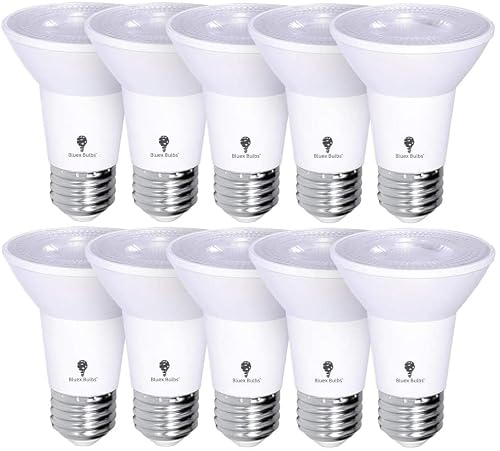
Bluex 10 Pack PAR20 Outdoor LED Flood Bulb 8W
A Deeper Look At The Lineup
The PAR30 footprint (a bulb roughly 3.75 inches across the face) is the middle child of the PAR family, larger than a PAR20 and smaller than a PAR38. Bioluz’s 12W version slides into most 5-inch and 6-inch recessed cans without crowding the trim.
The 3000K color temperature reads as a soft warm white, closer to incandescent than the bluish tones you sometimes see in big-box LEDs. For living rooms and bedrooms, that warmth tends to make skin tones and wood furniture look more flattering than a cooler bulb would.
The Value In It
- Wide 110-degree beam covers broad ceiling swaths without dark spots between fixtures
- 850-lumen output handles kitchens and entryways that need real punch
- Smooth dimming range lets the same fixture work for movie nights and dinner prep
- Soft 3000K tone flatters wood, fabric, and skin without feeling yellow
Things To Consider
- Larger PAR30 body may not fit shallow 4-inch housings
- Reaches full brightness the moment you flip the switch, which some prefer softer-start fixtures for
Quick Facts
Who It Suits Best
Homeowners with 5-inch or 6-inch recessed cans in living rooms and hallways who want warm, wide-coverage light without juggling color temperatures.
Skip It When
The Bioluz PAR20 48-pack suits you better if you’re refilling a whole ceiling of 4-inch cans on a tighter budget.
The PAR38 is the heavyweight of the family at roughly 4.7 inches across, and this Bioluz version is built for the kind of fixtures you see mounted under eaves or beside garage doors. The 40-degree beam angle keeps the light focused rather than washing the whole yard.
The 90 CRI rating is the quiet hero here. CRI (Color Rendering Index) measures how accurately a bulb shows colors compared to natural sunlight, on a 0–100 scale. A 90 rating means paint swatches, garden foliage, and front-door colors all look closer to how they would outdoors at noon, which matters more for landscaping and security cameras than people usually expect.
Notable Gains
- Tight 40-degree spot throws focused light exactly where motion needs to register
- High 90 CRI brings out true colors in foliage and exterior paint
- UL listing and Title 20 compliance cover most code requirements in California and beyond
- Available in multiple pack sizes so a single purchase can cover a full perimeter
Honest Caveats
- Bulb body is large, so it only fits full-size floodlight housings, not small wall packs
- Narrow beam means you need more fixtures for broad coverage along a long driveway
Right Fit For
Homeowners wiring up motion-triggered security floods or uplighting mature trees and architectural details where color accuracy matters.
Consider Something Else When
The Vinaco Halogen PAR30 is a smarter move for indoor legacy dimmer setups that flicker with most LED swaps.
KOR keeps the wattage low at 5.5W while pushing out 500 lumens, so the bulb stays cool enough to handle enclosed fixtures without thermal throttling. The 5000K daylight temperature gives the kind of crisp, blue-leaning white that makes small details pop.
The 90 CRI rating is uncommon at this price tier for a daylight bulb. Most budget daylight LEDs flatten reds and warm browns into muddy tones, but this one holds onto them well enough for craft rooms, kitchen counters, and retail displays.
Reasons It Performs
- 5000K daylight cuts eye strain during detail work like sewing or model building
- High 90 CRI keeps paint swatches and food prep colors honest
- Standard E26 base fits standard recessed and track sockets without an adapter
- Instant-on performance means no warm-up delay when you flip the switch
Points To Keep In Mind
- Cool tone can feel sterile in living rooms and bedrooms meant for relaxing
- 500 lumens is on the lower side for large kitchens with high ceilings
Made For
Garage workshops, craft rooms, and home offices where you want alertness and accurate color without paying for a full commercial setup.
Look Elsewhere When
The Bioluz PAR20 48-pack fits the bill if you prefer a warmer 3000K glow and need to fill dozens of household cans at once.
The PAR20 size (about 2.5 inches across the face) is the right shape for the 4-inch recessed cans that fill most modern ceilings. Bioluz offers this bulb in a 48-pack, which is built for the kind of refit where every can in the house is getting swapped in one weekend.
At 5.5W replacing a 50W halogen, the energy math adds up quickly across 48 bulbs. The 40-degree beam keeps the light focused enough to highlight a wall or piece of furniture without flooding the whole room.
Notable Upsides
- 90 CRI keeps wall paint and wood trim looking close to how they do in daylight
- Flicker-free dimming from 10% to 100% works with most modern dimmer switches
- Title 20 compliance means it meets the strict efficiency rules for California households
Where It May Fall Short
- 48-bulb pack is overkill for a single-room swap and tough to store if you don’t use them quickly
- 40-degree spot beam reads as too narrow for general room lighting if cans are spaced far apart
Feature Snapshot
Best Suited To
Homeowners tackling a whole-home ceiling refit or property managers standardizing fixtures across multiple rental units.
Reach For A Different Pick When
The KOR 5.5W PAR20 6-Pack fits the bill if you only need a handful of bulbs and want crisp 5000K daylight instead.
This is the odd one out in the lineup. Vinaco ships a halogen bulb rather than LED, which most readers are moving away from, but there are still fixtures where halogen behaves better. Old dimmer switches, low-voltage landscape systems, and enclosed housings that run hot can all reject LED retrofits.
The 2800K color temperature sits right where most people remember incandescent bulbs living. The short neck form factor fits fixtures where a standard-neck PAR30 would stick out past the trim ring.
Strengths Worth Knowing
- Dims smoothly on legacy dimmer switches that buzz or drop out with cheap LEDs
- Short neck clears tight recessed housings where longer bulbs bottom out
- Warm 2800K tone mimics the look of older incandescent fixtures in heritage homes
Some Limits To Know
- Uses far more energy than any LED on this list and runs much hotter to the touch
- Shorter lifespan means more frequent replacement in hard-to-reach ceiling fixtures
Whose Shelf It Belongs On
Anyone with an older dimmer panel, a low-voltage landscape transformer, or a fixture that has rejected every LED bulb they’ve tried.
A Better Fit Elsewhere
The Bioluz PAR20 48-pack is a much better match for households ready to commit to LED efficiency across the whole ceiling.
Bluex Bulbs targets the outdoor security market with this 10-pack. The 6000K color temperature sits at the cool, almost-blue end of the spectrum, which is the look most folks picture when they think of floodlights catching motion at 2 a.m.
The 8W draw producing 500 lumens lands in budget-floodlight territory, and the waterproof rating covers damp-location fixtures. The 75W halogen replacement figure lines up with what most older outdoor floods were pulling.
The Practical Payoff
- Cool 6000K tone reads as alert and visible from a distance for security purposes
- 10-pack covers a full perimeter or a small commercial lot in one purchase
- Suitable for damp locations means rain and humidity don’t shorten lifespan
- E26 base matches standard outdoor floodlight sockets without rewiring
What To Weigh
- Cool color temperature looks harsh if used indoors and may bother neighbors at night
- Lower lumen output per bulb means closer fixture spacing for full yard coverage
Who Should Grab It
Homeowners replacing aging halogen security floods or outfitting a backyard workshop that needs sharp, visible task lighting.
Swap It Out When
The Bioluz PAR38 4-pack is a smarter upgrade for landscape uplighting where you want accurate color rendering on trees and stonework.
What Matters Most Before Choosing Led Par20 Bulbs
Match The Bulb Shape To Your Can Size
PAR20 fits 4-inch cans. PAR30 fits 5- or 6-inch cans. PAR38 fits larger floodlight housings. Forcing the wrong size either leaves the bulb sticking out past the trim or sitting too deep in the can, which throws off the beam shape. Measure your existing bulb face diameter before you order, especially if your fixtures predate 2015.
Pick The Color Temperature For The Room
Anything below 3000K reads as warm and cozy, the kind of light that flatters living rooms and bedrooms. 3000K to 3500K is a neutral sweet spot that works in kitchens and bathrooms. 4000K and above leans cool and crisp, which suits workshops, garages, and outdoor security fixtures. Mixing temperatures across one open floor plan looks choppy and dated fast.
Check Dimmer Compatibility Before You Commit
Older dimmer switches, especially the rotary ones from the 1990s, often cause LEDs to flicker, buzz, or drop out at the low end. Modern dimmers rated for LED loads handle smooth dimming from 10% to 100% without drama. If your switch is more than 15 years old, plan to swap it before the bulbs arrive, or you’ll spend a weekend troubleshooting ghost flicker.
Key Considerations Across These Picks
Where Shoppers Go Wrong
The most common slip-up is buying PAR38 bulbs for 4-inch cans because PAR38 sounds more powerful. The beam ends up cut off by the trim and the light looks dimmer than a smaller PAR20 would have. The other trap is assuming any LED will dim smoothly with an existing switch. Budget LEDs in particular tend to flicker or hum at the low end of an old rotary dimmer. Always check the dimmer’s LED load rating before you commit to a multi-pack.
The Case For Spending Up
Premium picks in this category earn their keep through higher CRI ratings, which means paint and fabric look closer to how they do in daylight. They also tend to run cooler, which extends lifespan in enclosed fixtures where heat builds up. The 90 CRI figures on the Bioluz and KOR options are a real upgrade for craft rooms and kitchens where color accuracy matters. For a hallway closet, the lower-CRI options save money without giving up much.
Frequently Asked Questions
What Does PAR Stand For In Light Bulbs?
PAR stands for Parabolic Aluminized Reflector, which describes the shaped reflector inside the bulb that focuses light into a tight beam. The number after PAR refers to the bulb face diameter in eighths of an inch, so a PAR20 is 20 eighths (2.5 inches) across.
Are Led Par20 Bulbs Dimmable?
Most modern LED PAR20 bulbs are dimmable, but the dimmer switch has to be LED-compatible. Older rotary or slide dimmers often cause flicker, buzzing, or a limited dimming range with LED bulbs. Check the bulb and dimmer specs before you assume smooth dimming will work.
Can I Use A Par20 Bulb Outdoors?
Only if the bulb is rated for damp or wet locations. Most indoor LED PAR20 bulbs are not weather-sealed, so moisture will shorten their lifespan and can create a hazard. Outdoor fixtures need bulbs marked for damp or wet use, depending on how exposed the fixture is.
What Color Temperature Works Best For Living Rooms?
Most people prefer 2700K to 3000K for living rooms and bedrooms. That range produces a warm, soft white that flatters skin tones and makes wood furniture look rich. Anything above 3500K starts to feel clinical and is better suited to kitchens, bathrooms, and task-focused spaces.
How Long Do Led Par Bulbs Typically Last?
Quality LED PAR bulbs are rated for 15,000 to 25,000 hours, which works out to roughly 10 to 17 years at three hours of daily use. Cheaper bulbs often fall short of their claimed lifespan, especially in enclosed fixtures where heat builds up around the electronics.
The Takeaway
The right bulb depends almost entirely on where it lives. Warm 3000K options suit living spaces, crisp 5000K or 6000K tones belong in workshops and outdoor security setups, and the bulb size has to match the can. Pick the profile that fits your fixtures and your rooms, and the rest of the decision tends to take care of itself.