

Swapping old bulbs for fresh LED ones sounds simple until I’m staring at a wall of A19s, vintage tubes, and dusk sensors trying to figure out which actually fits the room. I spend a lot of time thinking about lighting because the wrong color temperature turns a calm bedroom into a doctor’s office, and a mismatched base means another trip to the drawer. The picks below cover the everyday cases most households run into: bright daylight packs for whole-home retrofits, softer warm-white options for living rooms, dimmable vintage tubes for sconces and pendants, and a sensor bulb that handles porch duty on its own.
The Essentials At A Glance

CHARKEE 12-Pack A19 5000K Daylight LED Bulbs

CHARKEE 24-Pack A19 5000K Daylight LED Bulbs
Duoled E26 T10 Dimmable Edison Tube Bulbs
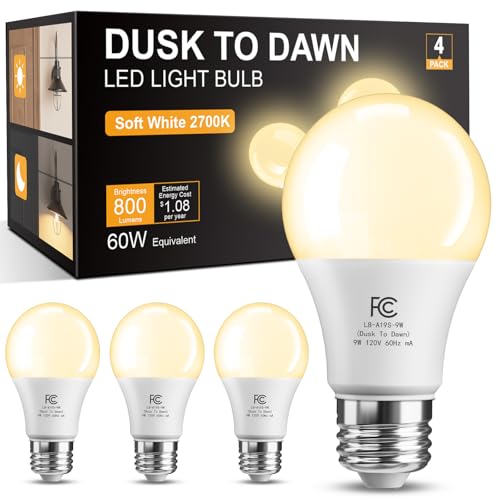
TJOY Dusk to Dawn Outdoor A19 Bulb

CHARKEE 12-Pack A19 2700K Warm White LED Bulbs
The Picks, Examined More Closely
This 12-pack from CHARKEE targets the most common whole-home retrofit: an A19 (the classic bulb shape that fits nearly every standard table lamp and ceiling fixture) daylight bulb that pulls 15 watts while delivering the brightness of an older 100-watt incandescent. Color temperature is the shorthand for how warm or cool the light looks, and at 5000K it leans crisp and energizing, the kind of light people associate with offices, kitchens, and task-heavy rooms.
The E26 base is the standard screw-in socket you’ll find in almost every U.S. fixture, so swapping these in is essentially a one-for-one replacement. I lean toward this style for garages, basements, and home offices where I want clean, alert light without thinking about dimmer switches. For a household outfitting an apartment or several rooms at once, twelve bulbs covers the basics without leaving extras unused.
Points In Its Favor
- 1500-lumen output handles large rooms and overhead fixtures comfortably, so a single bulb covers most living spaces without dim spots.
- Daylight 5000K tone boosts alertness during work hours and shows true colors in kitchens and craft areas.
- 15-watt draw replaces older 100-watt incandescents, which adds up to meaningful savings on monthly power bills.
- E26 base installs in seconds in any standard lamp or ceiling socket, with no rewiring or adapter needed.
- Multi-pack sizing keeps spare bulbs on hand for the inevitable burnout or a last-minute fixture swap.
Things To Consider
- Non-dimmable design means pairing with an existing dimmer switch can cause flicker or buzzing, which is a common compatibility snag.
- The cool 5000K color reads harsh in the evening, so most people find it less relaxing for bedrooms and dining spaces.
Who It Suits Best
Homeowners outfitting task-heavy spaces like kitchens, garages, and home offices who want a one-and-done bulb swap with crisp, alert light and no fuss about dimming controls.
Consider Something Else When
The CHARKEE 12-Pack A19 2700K Warm White LED Bulbs suit a living room or bedroom remodel better, since that pick trades daylight crispness for the warm, cozy tone most people prefer at night.
Same bulb, twice the count. The 24-pack version doubles the CHARKEE daylight offering into a stock-up size, and that matters more than people expect. Lamps flicker out at the worst times, and a few spare bulbs in a closet save a midnight run to the store when a fixture dies right before guests arrive.
These carry the same 15-watt, 100-watt-equivalent, E26 base, 5000K daylight profile as the 12-pack, so the brightness and tone are familiar. The honest case for this pick is the household doing a real whole-home upgrade in one weekend, or a landlord standardizing fixtures across a rental property. A larger household replacing every lamp and ceiling fixture at once gets more value from a single bulk purchase than from running back for another dozen later.
What Earns Its Place
- Bundled 24-count lowers the per-bulb cost compared to smaller packs, which pays off fast on whole-home projects.
- Identical 1500-lumen, 5000K daylight profile keeps light consistent room to room, no mismatched tones between the kitchen and hallway.
- Keeps a comfortable surplus for rentals, vacation homes, or simply stashing extras for inevitable future burnouts.
- Standard E26 base fits the same fixtures as the 12-pack, so there’s no learning curve when moving from one to the other.
Worth Noting
- Storage matters: a 24-pack is bulky, and tossing the extras in a hot attic can shorten shelf life before they’re even screwed in.
- Just like the smaller pack, these are non-dimmable, so they need to stay on standard on/off switches to behave properly.
Made For
Households tackling a full multi-room retrofit, rental property owners standardizing fixtures, or anyone who prefers to buy once and forget about bulb shopping for the next couple of years.
Look Elsewhere When
The CHARKEE 12-Pack A19 2700K Warm White LED Bulbs are a smarter choice for someone replacing bulbs only in the bedroom and living room, where daylight tone would feel too clinical.
This pick breaks from the A19 crowd. The Duoled T10 tube is an E26-base Edison-style bulb, the long, slender silhouette you’d see in a hanging pendant over a kitchen island or in a wall sconce flanking a bathroom mirror. The 3000K soft white tone sits in the middle of the warmth scale: warmer than daylight, cooler than a candle, which is why designers reach for it in dining nooks and reading corners.
Dimmable compatibility is the real differentiator here. Older dimmer switches were built for incandescent loads, and not every LED plays nicely, but this bulb is built for that use case. For anyone updating a vintage fixture or a restaurant-style pendant who wants the filament look without giving up the ability to lower the lights for movie night, this is where I land.
A Strong Showing
- 3000K soft white flatters skin tones and wood finishes, which is why it dominates café and hospitality design.
- Dimmable design lets one fixture handle both dinner prep and ambient evening mood.
- T10 Edison tube shape adds visible character in exposed pendants and sconces where the bulb itself is part of the décor.
- E26 base means it drops into standard sockets, so no rewiring is needed for most decorative fixtures.
Room For Improvement
- Tube shape won’t fit enclosed ceiling fixtures or globe lamps, which limits where the bulb can actually go.
- Lower lumen output compared to the 100-watt-equivalent A19s means it may feel underpowered in larger rooms that rely on a single fixture.
- Older dimmer switches sometimes need an upgrade to play nicely with modern dimmable LEDs, which is a common compatibility snag.
Right Fit For
Homeowners with exposed pendants, wall sconces, or vanity fixtures who want the vintage Edison look plus real dimming control for evening ambiance.
Skip It When
The CHARKEE 12-Pack A19 5000K Daylight LED Bulbs make more sense for anyone outfitting overhead ceiling fixtures or table lamps, where the tube shape simply won’t fit.
Outdoor lighting is one of those things that drifts off my to-do list for months, so anything that removes a manual step tends to stick. The TJOY Dusk to Dawn bulb has a built-in photocell sensor, a tiny light detector that tells the bulb when ambient light has dropped, so it switches itself on at sunset and off again at sunrise without any app or timer.
The 2700K warm white tone gives porch and entryway fixtures that welcoming, residential glow rather than the bluish look of older security bulbs. For a household that’s tired of remembering to flip the porch light on in winter or coming home to a dark driveway, this is a low-effort upgrade that earns its place the moment it’s installed.
Standout Benefits
- Built-in photocell removes the need for timers, smart plugs, or remembering to flip a switch, which is genuinely useful for hard-to-reach fixtures.
- 2700K warm tone plays well with traditional porch lanterns and carriage-style fixtures.
- Automatic dusk-to-dawn behavior doubles as a basic security feature, since the home always looks occupied after dark.
- Standard A19 form fits most enclosed outdoor fixtures without any adapter or rewiring.
Points To Note
- The photocell reads only natural sunlight, so placing it inside a deeply shaded fixture or behind a tinted glass globe can confuse the sensor.
- Outdoor-rated fixtures are still recommended, since the bulb itself doesn’t make the housing weatherproof.
Best Suited To
Households wanting a set-and-forget porch, garage, or driveway light that turns on automatically at sunset, especially in homes where remembering to flip the switch every evening has gotten old.
A Better Fit Elsewhere
The Duoled E26 T10 Dimmable Edison Tube Bulbs suit indoor decorative fixtures like pendants and sconces far better, since this TJOY bulb is designed for outdoor sensor duty rather than dimmed mood lighting.
The final pick is the warm-white sibling of the daylight 12-pack, and for many homes it ends up doing most of the actual work. The 2700K color temperature here matches the soft glow of traditional incandescent bulbs, the kind of light that makes a bedroom feel calm at the end of a long day rather than alert at 2 a.m.
Everything else carries over from the daylight version: 15 watts replacing 100-watt incandescents, E26 base, standard A19 shape, non-dimmable design. For living rooms, bedrooms, and dining spaces where most people want a softer tone after sunset, this is the everyday choice. I think of it as the default room bulb, with the daylight pack reserved for the rooms that genuinely need crisp task lighting.
Benefits That Matter
- 2700K warm tone matches the familiar feel of older incandescent bulbs, which is what most people picture when they think of a cozy home.
- 15-watt draw delivers 100-watt-equivalent brightness, so no one is trading ambiance for efficiency.
- A19 shape with E26 base drops into standard lamps, sconces, and ceiling fixtures without any modification.
- Twelve-bulb pack covers bedrooms and common areas in one purchase, with spares for later.
Some Limits To Know
- Non-dimmable electronics mean these won’t behave properly on a dimmer switch, a common snag in living rooms wired for mood lighting.
- Warm 2700K tone can read dull in task-heavy spaces like a home office or workshop, where daylight is usually the better fit.
Who Should Grab It
Anyone replacing bulbs in bedrooms, living rooms, and dining areas who wants the familiar warm glow of an older incandescent without the power bill that came with it.
Swap It Out When
The CHARKEE 12-Pack A19 5000K Daylight LED Bulbs are the better swap for kitchen, garage, and home office fixtures where warm 2700K light would feel too soft to focus.
What To Weigh Before Picking Led Bulbs For Your Home
Color temperature is the first fork in the road. Anything in the 2700K to 3000K range leans warm and works for bedrooms, dining rooms, and living areas where the goal is comfort. The 3500K to 5000K range trends cooler and brighter, which suits kitchens, bathrooms, and home offices where accurate color and alertness matter more than ambiance. Mixing both within a single home is normal and often the right call, since one tone rarely suits every room.
Wattage versus brightness deserves a closer look, too. A bulb’s wattage tells me how much power it pulls, while lumens measure the actual light output. Most of the picks here use the standard 100-watt-incandescent replacement approach, drawing around 15 watts to deliver 1500 lumens. That covers the average living room, but for larger kitchens or vaulted ceilings, more lumens per fixture or more fixtures overall may be needed.
Base type and shape matter more than people expect. E26 is the everyday screw-in standard for the U.S. market, but specialty fixtures such as the Duoled T10 tube call for specific silhouettes. Confirming the base and form factor before ordering saves the annoyance of a box of bulbs that simply won’t seat in the socket.
Dimmability is the last practical filter. Dimmable LEDs cost a little more per bulb, but older dimmer switches sometimes need a swap to play nicely with modern electronics. For rooms already wired with dimmers, skipping dimmable bulbs is the most common reason households end up with buzzing fixtures.
Picking The Right Bulb Across These Options
Wrong Turns To Avoid
The most common slip is grabbing the brightest bulb on the shelf and calling it done. A 5000K daylight bulb in a bedroom reads harsh at night and tends to make the room feel clinical, even though the lumen rating is identical to a warm-white alternative. Matching the color temperature to the room’s purpose matters more than raw brightness.
Another trap is overlooking dimmer compatibility. Non-dimmable LEDs paired with an older dimmer switch usually flicker or hum, which most people blame on the bulb when the real issue is the switch. Checking the dimmer’s compatibility list before swapping bulbs saves a second trip and a lot of head-scratching.
Where The Extra Money Goes
Premium picks in this category usually mean longer lifespan ratings, stronger dimmer compatibility, and stricter color rendering, which is how accurately a bulb shows the true color of objects under it. For a lamp that’s on for three hours a day, the jump from a basic 15,000-hour bulb to a 25,000-hour option can stretch replacement cycles from a few years to nearly a decade.
The upgrade pays off most in fixtures that are hard to reach, like vaulted ceilings, stairwell pendants, or outdoor porch lamps. For a table lamp that’s easy to change, the cheapest reliable bulb is usually the smarter call. Most households get the best balance by spending a little more on outdoor and hard-to-reach fixtures, then keeping the simple packs for everyday lamps.
Frequently Asked Questions
What color temperature works best for living rooms?
A 2700K to 3000K range gives the warm, cozy tone most people prefer for relaxing spaces. Daylight bulbs around 5000K tend to feel too clinical for evening use.
Are LED bulbs safe for enclosed fixtures?
Most LED bulbs run cooler than older incandescents, but enclosed fixtures without ventilation can shorten bulb life. The CHARKEE 12-Pack A19 2700K Warm White LED Bulbs work in standard lamps, and the TJOY Dusk to Dawn bulb fits standard outdoor housings, but checking the fixture’s bulb rating before installing is wise.
How many lumens do I need per room?
A living room or bedroom usually wants around 1500 lumens per main fixture, while kitchens and home offices benefit from brighter setups in the 2000 to 3000 lumen range, either through stronger bulbs or more fixtures.
Do LED bulbs really save money?
A 15-watt LED replacing a 100-watt incandescent cuts about 85 percent of the energy draw for the same light output. Over a year of regular use, that adds up to meaningful savings on monthly power bills.
Can I use a dimmable LED on any dimmer switch?
Not always. Older dimmer switches were built for incandescent loads and may flicker or buzz with modern LEDs. Confirming dimmer compatibility before installing dimmable bulbs prevents the most common frustration.
Closing Remarks
The right bulb comes down to matching color temperature, brightness, and base type to the room in question rather than chasing raw lumen counts. For most households, a mix of warm 2700K bulbs in the bedrooms and living areas plus crisp 5000K bulbs in the kitchen and home office covers the bases without overthinking it. Pick the one that suits the room you’re outfitting, and the rest of the decision tends to fall into place.