

A good lantern quietly fixes a long list of small headaches. Power flickers out during dinner prep, a tent needs soft glow at 11 p.m., a backyard cookout stretches past sunset and the porch light isn’t enough. I’ve sorted through seven battery-powered options that handle each of those moments without making you fuss with fuel, matches, or open flames.
I focused on the things that actually matter once a lantern is in your hand: how it lights a room, how long it lasts, how it handles rain, and how easy it is to stash in a drawer or a pack. The picks below range from compact travel lights to multi-mode emergency rigs, so there’s a fit for campers, homeowners stocking a hurricane bin, and anyone who just wants a backup glow when the grid blinks.
Your Options, Compared
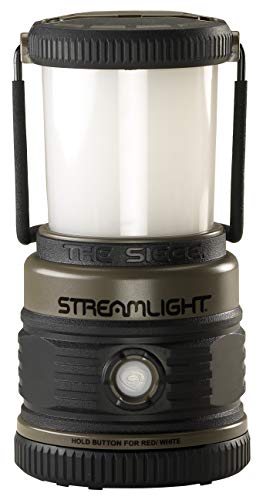
Streamlight 44931 Siege Compact Lantern, Coyote

Lepro 1000LM Battery Powered LED Camping Lantern (Green)

Lepro 1000LM LED Camping Lantern Rechargeable 4400mAh
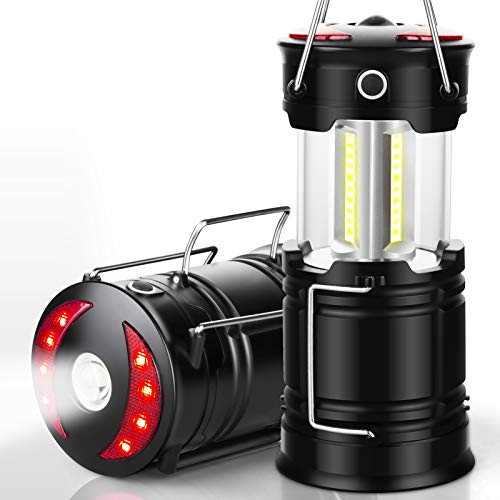
EZORKAS 2 Pack Camping Lanterns Camping Essentials

ropelux LED Camping Lantern Rechargeable 1500lm 8 Modes

Lichamp LED Camping Lantern 4 Pack Collapsible Gray

Lepro LED Camping Lantern Battery Powered Collapsible IPX4
The Strengths Of Each Pick
The Streamlight 44931 Siege sits at the top of this list because it does the basics better than most, with a rugged feel that earns its place in a truck or storm bin. Its 540-lumen high mode lights up a full picnic table or a small tent without flooding anyone’s eyes, and the 360-degree beam pattern means nobody is stuck in a dark corner.
For car campers and homeowners prepping for outages, the appeal is the build. The Coyote-colored body is molded to take a knock, and the multiple lighting modes let you dim down for reading or switch to a red SOS pattern when you want to preserve night vision around a campsite.
Where It Delivers
- 540 lumens on high fill a tent or small room comfortably.
- Red SOS mode helps preserve night vision and signals in a pinch.
- Tough outer shell feels ready for a job site or a kid’s backpack.
- Multiple white modes let you match brightness to the moment.
Honest Caveats
- Larger than collapsible lanterns, so it eats trunk space.
- Higher output drains batteries faster on max mode.
Feature Snapshot
Made For
Car campers and homeowners who want one rugged lantern for weekend trips and storm-season prep.
Look Elsewhere When
Backpackers counting every ounce will prefer the smaller Lepro collapsible model lower on this list.
Where the Streamlight leans toward rugged and compact, this Lepro leans toward raw brightness from a familiar battery format. Its 1000-lumen ceiling punches well above its price point, which is what draws people to off-grid cabins, garages, and sheds where nobody wants to hunt for a wall outlet.
You get four lighting modes (daylight white, warm white, full brightness, and flashing) and a long-press dimmer that ramps the output up or down smoothly. Run three D alkaline cells and you can pull a full evening of light at high output, depending on how you dial it in.
A Strong Showing
- 1000-lumen peak handles large rooms and outdoor work.
- Long-press dimming gives granular control rather than fixed steps.
- D-cell power is easy to find in any hardware store.
Points To Note
- D cells add weight, so it’s a stay-put lantern more than a hiking one.
- No rechargeable option means ongoing battery costs.
- Lacks the IPX4 rating of some other picks, so rain needs caution.
Right Fit For
Off-grid cabins, workshops, and anyone who already stocks D-cell batteries for other gear.
Skip It When
Rechargeable convenience matters more than peak lumens, in which case the Lepro 4400mAh model is the better sibling.
This rechargeable Lepro solves the most common complaint about the D-cell version above: who wants to keep buying batteries. With a built-in 4400mAh pack and a 360-degree beam, it’s the model I keep coming back to as the everyday family lantern.
The two-hook design (top and base) is the small touch that makes a real difference. Hang it from a tent ridge, flip it upside down from a branch, or set it on a picnic table, and the light stays where you need it. IPX4 water resistance handles drizzle and splashes, which covers most weather you’ll actually camp in.
What Stands Out
- Built-in rechargeable battery cuts ongoing cost and waste.
- Two hanging hooks add placement flexibility indoors and out.
- IPX4 rating shrugs off rain and accidental splashes.
- 1000-lumen peak matches the brighter mains-powered rivals.
Trade Offs
- Recharge cycles mean eventual battery wear over years of use.
- Charging requires access to USB power between trips.
Technical Sheet
Best Suited To
Frequent campers and renters who want one rechargeable lantern to grab for power outages or weekend trips.
Consider Something Else When
You need a wider floodlight for trail walking; the ropeLux model offers front-facing beam heads for that.
Group camping changes the math. One lantern for four people leaves someone in the dark, and that’s where this EZORKAS two-pack earns its slot. Each unit collapses down small enough to toss in a side pocket of a pack, then pulls open into a 360-degree COB (chip-on-board) LED panel.
Compared with the Streamlight at the top, these are softer lights with less throw but a much friendlier footprint when packed. The four-mode switch covers the usual bases (high, low, flash, and a softer ambient mode), and the collapsible shell makes them forgiving around kids and clumsy elbows.
Everyday Wins
- Two lights let you split campsites, rooms, or vehicles.
- Collapsible form factor saves pack space on short trips.
- Soft 360-degree glow is comfortable around the dinner table.
- Lower price per unit makes spares easy to justify.
A Few Limitations
- Less rugged than the Streamlight for hard daily use.
- COB panels are not as bright as dedicated spot lanterns.
- Battery life varies widely based on the cells you supply.
Who Should Grab It
Group tents and shared emergency kits where two lights beat one bright one.
A Better Fit Elsewhere
Solo backpackers who only need one light will get more value from the single Lichamp four-pack lower on this list.
The ropeLux lantern feels like a multitool disguised as a lantern. The front and back lamp heads give you throw for walking a trail, the side floodlight fills a tent or a room, and the tail light adds red and strobe modes for emergencies. Eight total modes cover more scenarios than any other pick on this list.
With 1500 lumens at peak, it’s also the brightest option in this roundup. That ceiling matters when you’re trying to flag a trailhead or light a backyard for a cookout, though it does pull the battery down faster on high.
Strong Points
- 1500-lumen peak outshines the rest of this lineup.
- Eight modes cover throw, flood, red, and strobe in one unit.
- Rechargeable battery avoids ongoing cell purchases.
- Doubles as a handheld flashlight when you need direction.
Things To Consider
- More complex interface takes a moment to learn.
- Highest output drains the battery fastest of any pick here.
Key Product Details
Who Will Love This
Hikers and emergency-prep shoppers who want maximum flexibility from a single rechargeable unit.
Swap It Out When
You just need a quiet ambient glow in a tent; the simpler Lepro rechargeable is easier to live with day to day.
Lichamp takes the opposite approach from ropeLux: less complexity, more units. Four collapsible AA-powered lights cover a house, a garage, and a couple of bedrooms at once during an outage, which is exactly the moment most people wish they’d bought more lights.
The 30 COB LEDs per unit put out softer, warmer light than a spotlight, and the collapsible shell collapses down to roughly the size of a flashlight for drawer storage. Owners commonly report keeping one in each car and one in the kitchen junk drawer for grab-and-go moments.
What Pays Off
- Four lights at a low per-unit price covers a whole house.
- AA power is the most common cell on the planet.
- Compact when collapsed, easy to stash anywhere.
- Military-grade plastic shell survives drops and scrapes.
Points To Keep In Mind
- 350-lumen output is modest compared to higher-ranked picks.
- AA batteries mean ongoing replacement cost and waste.
- Four units take up drawer space when stored long-term.
Perfect Match For
Families prepping for hurricane season or whole-house outages who want a light in every room without overspending.
Reach For A Different Pick When
You want a single brighter rechargeable light; the Lepro 4400mAh model fits that need in one unit.
The last Lepro on this list trades brightness for portability, which is the right call for backpackers and glove-box stashers. At 190 lumens, it won’t flood a field, but it covers reading, cooking, and ambient tent light in a package that flattens down small.
Compared with the Lichamp bundle just above, this is the single-light version that fits one person rather than a household. IPX4 water resistance and a fold-down body make it a friendly travel companion on backpacking trips or weekend drives.
A Few Strong Suits
- Collapses small enough for backpack lids and glove boxes.
- IPX4 rating handles light rain and kitchen splashes.
- Simple one-button operation works in the dark.
- Affordable entry point for casual campers.
Worth Noting
- 190 lumens is on the dim side for group use.
- Single light, so no backup if it’s lost or damaged.
Whose Shelf It Belongs On
Backpackers, road trippers, and anyone who wants a small emergency light they can forget about until it’s needed.
Where Another Pick Suits Better
Storm-season prep for a whole household calls for the Lichamp four-pack instead.
What Matters Most Before Choosing Led Lantern Battery Powereds
Brightness numbers feel like the headline spec, but lumen count alone won’t tell you whether a lantern fits your routine. A 1500-lumen monster is wasted in a one-person tent, while a 190-lumen compact light feels stingy in a garage. Think about where you’ll actually use it first: tent, kitchen, garage, or trailhead. That answer narrows the field faster than any spec sheet.
Next, look at how the lantern is powered. Rechargeable models like the Lepro 4400mAh and the ropeLux are great for frequent users who can plug in between trips. Replaceable cells (D-cell or AA) shine for long emergencies where charging isn’t an option, which is why the Lichamp four-pack remains a smart blackout choice.
Don’t skip the water rating. IPX4 (a standard that protects against splashes from any direction) covers rain and kitchen splashes, which is all most people actually need. A full submersion rating costs more and adds weight that backpackers may not want to carry.
Finally, check the placement options. Hooks on the top and bottom of a lantern make it far more useful than a base-only design, since you can hang it inside a tent, from a branch, or off a cabinet knob. The two-hook Lepro rechargeable is a good example of how a small design choice pays off every time you set it up.
Picking Smart Across This Category
Pitfalls Shoppers Hit
The most common slip is buying the brightest lantern in the lineup without thinking about runtime. High lumens drain any battery fast, so a 1500-lumen unit that runs two hours is less useful in a storm than a 350-lumen light that runs eight. Match output to how long you actually need it.
Another trap is ignoring the water rating. Many budget lanterns look weather-resistant but only carry basic splash protection. For real rain, look for IPX4 or better, and remember that even then, these lights are not meant to be left in puddles overnight.
When Paying More Pays Off
Higher-tier lanterns in this category typically add rugged shells, real water resistance, and rechargeable batteries with larger capacities. Those features matter if you camp weekly, work on outdoor job sites, or live somewhere with frequent storms.
For casual weekend campers, the cheaper tier holds up just fine, and spending the difference on a multi-pack for the house often beats buying one premium unit. Think about how often you’ll use it before deciding where the extra money goes.
Frequently Asked Questions
How many lumens do I really need in a camping lantern?
For a two-person tent, 200 to 400 lumens is plenty. Larger groups or open-area lighting like a picnic table or canopy push you toward 800 to 1500 lumens.
Are battery-powered lanterns safe to leave on overnight?
Yes, as long as the cells are in good condition and the lantern is on a stable surface. Most modern LED models run cool enough to leave on a nightstand during a power outage.
Can I use rechargeable batteries in any battery-powered lantern?
Only if the lantern is designed for them. Some D-cell models like the Lepro 1000LM work with rechargeable D cells, but runtime and brightness may vary from alkaline use.
How long does a typical LED lantern last on one set of batteries?
It depends on the mode. Low ambient settings can run 12 hours or more, while maximum brightness usually cuts that down to 2 to 6 hours on most picks in this roundup.
Do collapsible lanterns break easily?
The folding models on this list are built for everyday use and tolerate normal drops, but repeated crushing under heavy gear can crack the plastic shell over time.
Closing Thoughts
Pick the lantern that fits the room you’ll use it in most, not the one with the most impressive spec sheet. Rechargeable models reward frequent use, replaceable cells reward long emergencies, and a small collapsible always finds a place in a drawer or a pack. Whichever option you reach for from this list, keep a fresh set of backup batteries or a charged cable nearby, and you’ll be ready the next time the lights go out or the sun drops behind the treeline.