

A fresh bulb can quietly transform how a home feels, yet most people grab whatever fits the socket without thinking about color temperature, dimming, or sensor behavior. I’ve put together this roundup so anyone replacing tired incandescent bulbs knows exactly which modern option fits a particular room, fixture, or routine.
An Overview Of The Picks

dalattin 24 Pack LED Bulbs Daylight White 5000K, 9W A19 Standard Bulbs, E26 Base, 800 LM, Non-Dimmable, 80+ CRI, 120V, UL Listed

dalattin A19 Dusk to Dawn Light Bulbs, Automatic On/Off Photocell Sensor 9W LED, 60W Equivalent, 5000K Daylight, E26 Base, 4 Pack
Philips Hue Smart B39 Candle-Shaped LED Bulb, White and Color Ambiance, 40W Equivalent, 450LM, E12, Hue App, Alexa and HomeKit

ZHENMING Refrigerator Bulb E26, AC 100-265V, 7W, 6000K Cool White, 100W Equivalent, 950 Lumens, CRI 80, T10

Brightever A19 LED Edison Light Bulb, Dimmable, 8W E26, 60W Equivalent, Clear Filament, Vintage Style

dalattin 12 Pack A19 Vintage LED Edison Bulbs, Dimmable, 8W E26, 60W Equivalent, 2700K Soft White, 800 Lumens, CRI80+
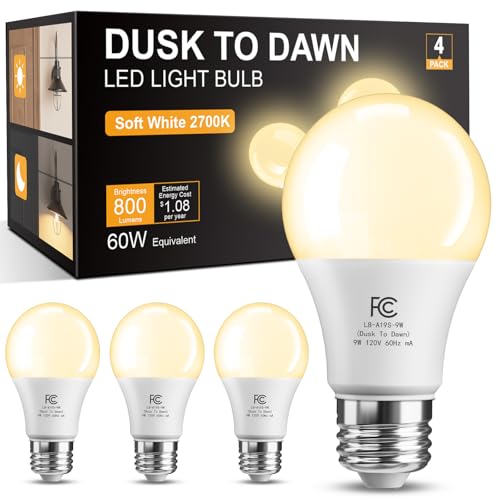
TJOY Dusk to Dawn Light Bulb Outdoor, Light Sensor, Automatic On/Off, 2700K Soft White, 9W A19 E26, 60W Equivalent
Taking A Closer Look At The Options
Stocking up on a 24-pack of standard A19 LEDs is the fastest way to retire tired incandescents across an entire house in one weekend. These dalattin bulbs land at a neutral 5000K daylight tone, which makes them well suited to home offices, kitchens, and bathrooms where clarity matters more than warmth. At 9W, each one replaces a 60W incandescent while putting out 800 lumens, so the energy savings show up quickly on a monthly utility statement.
The standard E26 base means they fit the vast majority of table and ceiling fixtures in North American homes. The 80+ CRI (Color Rendering Index, a measure of how accurately a bulb reveals true colors) rating keeps skin tones and food looking natural under artificial light, which is helpful in a kitchen or makeup area. For anyone juggling a whole-home swap on a single shopping trip, this bulk pack keeps the project simple.
Features That Help
- Daylight 5000K tone for task-heavy rooms like kitchens, offices, and craft areas
- 9W draw replaces a 60W incandescent, lowering household energy use
- 800 lumens per bulb provides solid brightness for ceiling fixtures and lamps
- 80+ CRI keeps colors and skin tones looking natural under the light
- 24-pack format covers a typical multi-room home in one purchase
- UL listed for straightforward residential installation
Things To Consider
- Non-dimmable design means they will flicker if paired with an older dimmer switch
- Cool 5000K can feel sterile in bedrooms or living rooms meant for relaxing
Quick Facts
Right Fit For
Anyone outfitting a home office, kitchen, or workshop where bright, focused light helps with reading, cooking, or detail work.
Look Elsewhere When
Soft-white seekers should consider the dalattin 12 Pack A19 Vintage LED Edison Bulbs, which deliver a warmer 2700K glow.
Front-porch lights that someone always forgets to switch off benefit enormously from a built-in photocell sensor. These dalattin A19 bulbs detect ambient sunlight and switch themselves on at dusk, then off again at dawn, so daily toggling becomes a thing of the past. The sensor ignores neighboring artificial light sources, which prevents the common problem of outdoor bulbs flickering on and off under a streetlamp.
Each bulb pulls only 9W while producing a daylight 5000K output equivalent to a 60W incandescent, keeping exterior lighting efficient. The standard E26 base drops into typical porch lanterns and yard fixtures without rewiring. For households with uneven schedules, this is the kind of low-maintenance upgrade that quietly pays back in convenience.
Strengths Worth Knowing
- Photocell sensor handles automatic on/off without timers or smart hubs
- Ignores nearby artificial light to avoid false triggers
- 9W draws less energy than the 60W incandescents they replace
- Daylight 5000K keeps entries well-lit for security and visibility
Worth Noting
- The sensor needs the bulb to sit exposed to sky light, so enclosed fixtures may interfere with detection
- Cool daylight tone can feel harsh on a residential porch compared with warmer 2700K options
Who Will Love This
Homeowners wanting hands-free security lighting on porches, garage sides, or backyard pathways.
A Better Fit Elsewhere
Those craving a warmer exterior glow should look at the TJOY Dusk to Dawn Light Bulb Outdoor, which uses a 2700K soft-white tone instead.
Candelabra sockets in chandeliers and wall sconces rarely accept standard A19 bulbs, which is where this Philips Hue B39 candle steps in. The compact E12 base fits those narrower fixtures while still offering millions of color and white-temperature shades through the Hue app. At 450 lumens and a 40W incandescent equivalent, the output suits ambient rather than primary room lighting.
Compared with the bulk daylight A19 packs earlier in this list, this is a different category of upgrade: scene control, voice integration, and full color tuning. A Hue Bridge unlocks automations and remote access, but the bulb also works over Bluetooth for quick local control. For anyone building out a connected lighting system, this candle is a tidy entry point.
Real-World Strengths
- E12 candle shape fits chandeliers and decorative sconces that reject standard A19 bulbs
- Full color and tunable white range opens up scene-setting from a single bulb
- Voice integration with Alexa, Google Assistant, and Apple HomeKit
- Hue Bridge compatibility unlocks remote control and home automation routines
Trade Offs
- Single-bulb pack makes whole-fixture upgrades more involved than the dalattin 24-pack
- Smart features remain limited without the separate Hue Bridge purchase
Feature Snapshot
Made For
Smart-home enthusiasts who want scene control and color options in decorative fixtures.
Swap It Out When
Anyone needing plain, no-app lighting should pick the Brightever A19 LED Edison Light Bulb, which is dimmable but keeps things simple.
A blown fridge bulb is one of those small breakdowns that throws off a whole kitchen routine. The ZHENMING T10 replacement restores that interior glow with 950 lumens of 6000K cool-white output, drawing only 7W to match what a 100W incandescent would have done. The wide AC 100-265V range also makes it versatile for unusual wiring situations.
The transparent shade lets light spread through the refrigerator evenly, so leftovers and produce at the back of shelves stay visible. With CRI 80, the cool tone still reads colors accurately enough for spotting expired items. This is a niche, utilitarian replacement, but the right tool when an appliance bulb finally gives out.
Strong Points
- 950-lumen output lights up a full fridge interior in a single bulb
- 7W draws far less power than older 100W appliance bulbs
- CRI 80 keeps food colors readable, helping spot freshness at a glance
- AC 100-265V compatibility handles varied electrical setups
A Few Limitations
- Cool 6000K tone skews bluish and may feel sterile compared with standard 5000K options
- T10 shape is appliance-specific, so this is not a swap for general room fixtures
At A Glance
Best Suited To
Homeowners replacing a dead refrigerator or enclosed-appliance bulb and wanting a high-output cool-white result.
Reach For A Different Pick When
Anyone after a versatile everyday bulb should pick the dalattin 24 Pack LED Bulbs for broader room use.
Edison-style filament bulbs add instant character to a pendant fixture or open sconce, and this Brightever A19 keeps that nostalgic look without the energy bill of an old incandescent. The exposed filament and clear glass shade put the bulb itself on display, which matters in cafes, dining nooks, and reading corners where the fixture is part of the decor.
At 8W the bulb matches the output of a 60W traditional filament, and the dimmable design pairs with standard dimmer switches for flexible mood control. The E26 base keeps installation simple across chandeliers, ceiling fans, and wall lights. For anyone chasing a vintage aesthetic without sacrificing modern efficiency, this fits the brief.
The Upside
- Exposed filament design doubles as decor in open or clear-glass fixtures
- Dimmable for evening mood lighting without losing the vintage look
- 8W draw replaces a 60W filament for better efficiency
- 360° beam angle from the clear glass shade fills the fixture evenly
Honest Caveats
- Clear glass exposes the filament, so dust shows up more visibly than on frosted bulbs
- Vintage filament style casts a more decorative than task-focused light, depending on fixture placement
Perfect Match For
Design-conscious decorators styling industrial, farmhouse, or mid-century fixtures where the bulb is part of the look.
Skip It When
Those wanting warm dimming in a multi-pack format should pick the dalattin 12 Pack A19 Vintage LED Edison Bulbs for better coverage.
Warm-toned lighting transforms the feel of a living room or dining area, and these dalattin vintage bulbs deliver a 2700K soft-white glow at 800 lumens per bulb. The 12-pack format covers a whole dining chandelier, a string of pendants, or several sconces in one purchase, which is helpful when matching fixtures across a single room.
Dimmable from 10-100%, these bulbs adapt from a bright dinner setting down to a quiet evening glow without flicker. The CRI80+ rating keeps wood tones and fabrics looking rich under the bulb, which matters in rooms where the lighting plays a role in the design scheme. For households leaning into warm, layered lighting, this pack offers strong value.
Notable Upsides
- 2700K soft white creates a cozy, welcoming tone in living and dining spaces
- Wide dimming range from 10-100% supports different times of day
- 800 lumens per bulb keeps the room well-lit when needed
- 12-pack format matches fixtures across an entire room at once
Points To Keep In Mind
- Soft-white tone is less suited to task-heavy rooms like workshops or home offices
- Confirm dimmer compatibility, as older switches may cause low-end flicker
Who Should Grab It
Hosts and homeowners outfitting dining rooms, living rooms, or bedrooms with a vintage-leaning, dimmable warm glow.
Consider Something Else When
Those seeking bright task lighting should consider the dalattin 24 Pack LED Bulbs for cooler 5000K daylight performance.
The TJOY dusk-to-dawn bulb brings the same hands-free convenience as the dalattin photocell model reviewed earlier, but in a warmer 2700K tone that feels less clinical on a residential porch. The sensor responds to sunlight only, so the bulb avoids the false-on issue that plagues fixtures near porch lights or streetlamps. For evening curb appeal, the softer color reads more like hospitality than security lighting.
Drawing 9W to replace a 60W incandescent keeps outdoor energy use modest, and the standard E26 base fits common porch lanterns. It is an easy swap for anyone wanting to upgrade a fixture without adding timers, hubs, or smart controls. The result is a low-effort way to make a home feel lived-in even when no one is there.
Positive Takeaways
- 2700K warm tone softens the look of porch and entryway lighting
- Photocell sensor eliminates the need for timers or manual switching
- Sunlight-only detection prevents false triggers from neighboring bulbs
- 9W draw trims energy use compared with older 60W incandescent bulbs
Where It May Fall Short
- Sensor performance can dip if the bulb is recessed deeply inside an enclosed lantern
- Warm tone may not deliver enough visibility for security-focused outdoor setups
The Right Fit
Householders wanting a welcoming, warm-toned automatic light for front porches and garden paths.
Where Another Pick Suits Better
Those prioritizing bright security lighting should consider the dalattin A19 Dusk to Dawn Light Bulbs for a cooler 5000K glow.
What To Weigh Before Choosing Home Light Bulbs
Matching Bulb Type To The Room
A19 bulbs are the workhorses for most lamps, ceilings, and kitchen fixtures, while candle-shaped B39 bulbs belong in chandeliers and narrow sconces. Specialty T10 shapes handle enclosed appliances like refrigerators where a standard A19 may not fit. Picking the right form factor first prevents the common frustration of receiving bulbs that physically do not fit the fixture.
Color Temperature Sets The Mood
Color temperature, measured in Kelvin (K), is what makes a room feel cozy or clinical. Lower values around 2700K read as warm and relaxed, ideal for living rooms and bedrooms. Higher values around 5000K and above feel cooler and more alert, suited to kitchens, bathrooms, and home offices. CRI (Color Rendering Index) above 80 keeps skin tones, food, and fabrics looking natural, which matters more in spaces where color accuracy is important.
Dimming, Sensors, And Smart Features
Dimmable bulbs need a compatible dimmer switch, since older analog dimmers may cause flicker or buzzing with LEDs. Dusk-to-dawn photocell bulbs automate outdoor lighting without timers, while smart bulbs like the Philips Hue option open up app and voice control. For mixed-use homes, a combination of standard, sensor, and smart bulbs across different rooms tends to work better than committing to a single style everywhere.
Lumen Output And Energy Use
Lumens measure visible brightness, while watts measure energy draw. A modern 9W LED often replaces a 60W incandescent at the same lumen level, so checking the lumen count rather than wattage gives a clearer picture of how bright a room will feel. Higher-lumen bulbs suit workspaces, while lower outputs work for accent or ambient fixtures.
Key Considerations Across These Picks
Pitfalls Shoppers Hit
One common slip is buying non-dimmable bulbs for a fixture wired to a dimmer switch, which causes flicker or shortened bulb life. Another is assuming all E26 bulbs fit every fixture, when deeper recessed sockets or specialty appliance fittings actually need a specific shape. Color temperature is also easy to overlook: a cool 5000K bulb in a bedroom can feel harsh, while a warm 2700K in a workshop may seem too dim. Confirming socket type, dimmer compatibility, and Kelvin range before purchase prevents most returns.
Where The Extra Money Goes
Premium pricing on smart and filament-style bulbs covers added engineering, app ecosystems, and decorative glasswork. The Philips Hue bulb, for instance, integrates with major voice assistants and a hub-based control system, which justifies its higher cost for connected-home setups. Vintage filament designs also cost more because of the visible LED strand and clear glass enclosure. For shoppers who just need reliable everyday lighting without extras, the dalattin bulk packs deliver solid performance at a more accessible price point.
Frequently Asked Questions
What Kelvin range works best for living rooms?
Around 2700K to 3000K produces a warm, inviting tone suited to relaxing and entertaining. Cooler tones above 4000K tend to feel too clinical for evening use.
Are LED bulbs safe for enclosed fixtures?
Most LED bulbs handle enclosed fixtures, but heat buildup can shorten lifespan. Checking the manufacturer’s enclosed-fixture rating before installation is wise, especially in ceiling cans.
Do dusk-to-dawn bulbs work in any socket?
They need a socket exposed to natural daylight so the photocell can read ambient light. Deeply recessed or fully enclosed fixtures may block the sensor and prevent proper triggering.
How long do modern LED bulbs typically last?
Many LED bulbs are rated for 15,000 hours or more, which translates to over a decade at typical household use. Lifespan depends on dimmer compatibility and fixture ventilation.
Can I mix smart and standard bulbs in the same home?
Yes, and many households do exactly that. Smart bulbs make sense in main living areas where scenes and voice control matter, while standard LEDs cover utility spaces like closets and garages.