

I keep a mental tally of every room in my home that still runs on a 60-watt incandescent, and the number always surprises me. Swapping those old bulbs for high efficiency light bulbs is the kind of small change that pays back in cooler fixtures, lower bills, and far fewer trips up the ladder. The hard part is sorting through all the shapes, color temperatures, and sensor features. This roundup walks through seven solid picks, each tuned to a specific spot in the house.
A Closer Look At The Lineup

dalattin 24 Pack LED Bulbs Daylight White 5000K, 60W Equivalent A19, 9W

dalattin A19 Dusk to Dawn Light Bulbs, Photocell Sensor 9W, 4 Pack
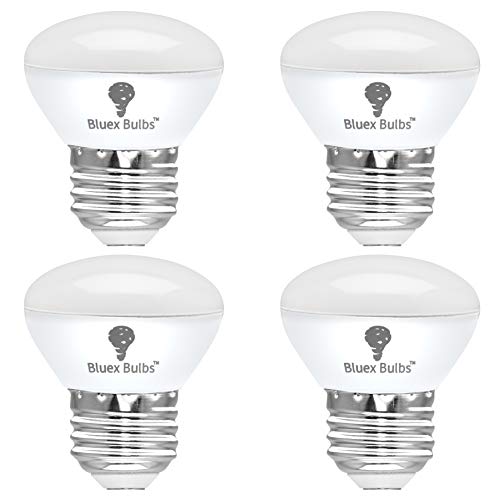
Bluex R14 LED Bulb 4W E26 Mini Reflector Dimmable 2700K, 4 Pack

Sylvania LED Truwave Natural Series A19 8W Dimmable 2700K, 6 Pack

dalattin 12 Pack A19 Vintage LED Edison Bulbs Dimmable 2700K

Energetic 5.5W A15 LED Bulb 40W Equivalent 3000K, 6 Pack
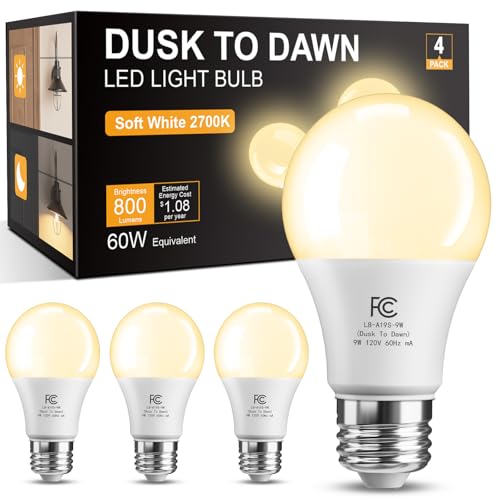
TJOY Dusk to Dawn Light Bulb Outdoor 2700K Light Sensor
The Details Behind The Selections
When I think about the bulbs most households will actually install, this 24-pack from dalattin is the kind of pick that quietly handles the bulk of the job. Each A19 (the classic pear shape) puts out 800 lumens, which is the standard 60W equivalent brightness, while drawing just 9W from the wall. The 5000K daylight white color temperature leans cool and crisp, the kind of light that helps in home offices, kitchens, and basement workshops.
The E26 base fits the standard sockets already in most ceiling fixtures, so installation is a straight swap. CRI 80+ (Color Rendering Index, a 0 to 100 score for how accurately a bulb shows true colors) means colors look reasonably natural, though not gallery-grade. For whole-home restocks and rentals, that 24-count box is hard to beat on flexibility.
A Favorable Mix
- 9W draw replaces a 60W incandescent, trimming wattage per socket by a large margin.
- 800 lumens per bulb is the familiar baseline brightness for most living areas.
- 5000K daylight tone supports task focus in home offices and craft rooms.
- UL listed for the U.S. electrical standard, which matters for landlords and code-conscious owners.
- Non-dimmable design keeps the price low, a plus for fixtures without dimmer switches.
Things To Consider
- Cool daylight can feel sterile in bedrooms, where warmer tones usually read more relaxing.
- Non-dimmable means the bulb will flicker or buzz on a dimmer switch, so owners with dimmer walls should look elsewhere.
- Plain A19 shape does nothing for visible fixtures where the bulb is part of the décor.
Key Specs
Right Fit For
Shoppers restocking an entire home or finishing a rental turnover who want cool task-friendly light in every socket.
Consider Something Else When
Bedroom dwellers should consider the Sylvania LED Truwave Natural Series A19 8W Dimmable 2700K, 6 Pack for its softer, more eye-friendly glow.
Porch lights that I forget to turn on are the reason I started paying attention to photocell bulbs. This dalattin 4-pack uses a built-in sensor (a small detector that reads ambient light) to switch on at dusk and off at dawn, so the fixture runs itself. The 9W draw still hits that 60W equivalent output, and the 5000K tone keeps the front of the house visible without going harsh.
The sensor responds to natural sunlight rather than neighboring fixtures, so it should not get confused by a hallway light leaking through a window. For covered porches, garage sconces, and yard lamp posts, that auto behavior is a quiet quality-of-life upgrade over a manual bulb and a timer.
Everyday Advantages
- Automatic on at dusk, off at dawn removes the daily on/off habit.
- 9W draw matches the standard 60W replacement the rest of the lineup uses.
- Photocell ignores nearby artificial lights, so it only reacts to the sun.
- E26 base fits common outdoor sockets, no rewiring required.
- Runs only at night, which trims wasted daytime hours and stretches the lifespan claim of 15,000+ hours.
Honest Caveats
- Photocell sensor can behave inconsistently inside enclosed fixtures that block ambient light, so placement matters.
- 5000K tone reads cool for a porch where many owners prefer warm welcome light.
- Non-dimmable sensor bulbs cannot run on a dimmer switch, even at full brightness.
Built With In Mind
Owners who want their porch or yard lights to run themselves and dislike programming outdoor timers.
Look Elsewhere When
Front entryways that benefit from a warmer welcome are better served by the TJOY Dusk to Dawn Light Bulb Outdoor 2700K Light Sensor.
Most bulb roundups skip past the small fixtures, which is exactly where my curio cabinet and the track light over the desk live. The Bluex R14 is a mini reflector, meaning a short, narrow bulb that throws a focused beam, with a 2700K warm white output and full 0% to 100% dimming. At 4W it replaces a 40W incandescent, which is the size I needed to retire.
The E26 base keeps the swap simple, even though the bulb itself is much shorter than a standard A19. For curio cabinets, desk goosenecks, and accent lighting, this is one of the few efficient options that actually fits the fixture.
Real Benefits
- Short R14 form factor fits tight fixtures where an A19 would stick out or not seat.
- 0% to 100% dimming range lets owners tune accent and display lighting.
- 2700K warm tone flatters wood, glassware, and collectibles.
- 4W draw replaces 40W, big reduction for a small bulb that often runs for hours.
Trade Offs
- Lower lumen output than the A19 picks, so it is not a substitute for a main room bulb.
- Reflector beam angle is narrow, which can leave a hot spot on small display shelves.
- Dimmable only with compatible dimmer switches; old rotary dimmers can cause flicker.
Key Specs
Whose Shelf It Belongs On
Hobbyists and collectors with curio cabinets, display cases, or small track fixtures that need a low-profile warm bulb.
Reach For A Different Pick When
General room lighting is the goal, and the dalattin 24 Pack LED Bulbs Daylight White 5000K, 60W Equivalent A19, 9W covers that better.
Bedrooms are where I am most willing to spend a little more on a bulb, and the Sylvania Truwave line targets that exact mindset. The pitch is light that filters out extra blue spectrum (the high-energy visible wavelengths that can disrupt sleep cycles), aiming for a warmer, more candle-like feel. At 8W it still hits a full 800 lumens, and the 2700K soft white tone reads gentle on its own.
It is a dimmable A19 with a medium base, so the swap is straightforward. For living rooms, nurseries, and reading nooks, the appeal is the calmer light quality rather than any headline-grabbing wattage number.
Bright Spots
- Truwave technology tones down blue spectrum for a more restful evening light.
- 800 lumens at only 8W is a strong efficiency-to-brightness ratio.
- Dimmable design works with standard wall dimmers, so owners can tune the room.
- Soft 2700K temperature flatters skin tones and wood furniture.
- 6-pack suits a whole-bedroom or living-room refresh at once.
Points To Note
- Per-bullet cost runs higher than a basic 9W daylight pack, which matters for whole-home use.
- Eye-comfort claims are subjective, so it is worth sampling one before committing to a 6-pack.
Who Should Grab It
Light-sensitive sleepers, remote workers on evening video calls, and parents setting up a nursery who want gentler light.
Skip It When
Task-heavy spaces like a kitchen island are better lit by the dalattin 24 Pack LED Bulbs Daylight White 5000K, 60W Equivalent A19, 9W for crisper visibility.
Some fixtures are about the bulb as much as the light, and a bare pendant over a farmhouse table is the obvious example. The dalattin Vintage Edison 12-pack uses a clear glass shell with visible LED filaments that nod to the original Thomas Edison bulb design. At 8W it lands at the same 800 lumen, 60W equivalent output as the plain dalattin A19, but in a much more decorative package.
It is dimmable across a 10% to 100% range and runs at 2700K, so the warm tone suits dining rooms, hallways, and reading lamps. The E26 base is standard, and the A19 shape keeps the silhouette close to a regular bulb for fixtures that do not need the long tubular vintage look.
Positive Points
- Clear glass with visible filaments reads as a design element, not just a light source.
- 800 lumens at 8W keeps the efficiency story intact despite the decorative shell.
- 2700K soft tone pairs naturally with wood, brass, and matte black fixtures.
- 10% to 100% dimming range works with most wall dimmers.
- 12-pack covers a multi-pendant chandelier or several sconces in one buy.
Softer Spots
- Clear glass exposes every dust speck, so these need more frequent cleaning than frosted bulbs.
- Filament-style output can read as decorative glow rather than bright task light.
- Decorative shape costs more per bulb than the plain A19 in the same line.
Best Suited To
Owners finishing a dining room, kitchen island, or entryway where the bulb itself is part of the look.
A Better Fit Elsewhere
Workhorse rooms where bulbs hide inside a shade are better served by the dalattin 24 Pack LED Bulbs Daylight White 5000K, 60W Equivalent A19, 9W.
Appliance bulbs are the ones I tend to forget until the fridge goes dark. The Energetic A15 is the smaller, rounder sibling to a standard A19, sized to fit a fridge socket or a ceiling fan light kit. At 5.5W it replaces a 40W incandescent, and the 3000K tone lands right between warm and cool, which works for kitchen and laundry areas.
550 lumens per bulb is a small number compared with the 800 lumen room picks, but that is the right size for a sealed fridge cavity. The E26 base matches what most appliances already use, and the non-dimmable design keeps the cost per bulb friendly.
Useful Strengths
- A15 shape fits appliance and ceiling fan fixtures where an A19 would sit too tall.
- 3000K warm-cool blend flatters both food and skin tones.
- 5.5W draw cuts a 40W bulb down to a small slice of its old draw.
- 6-pack covers a fridge plus a couple of ceiling fans in one go.
Practical Considerations
- Non-dimmable, so the bulb is not right for fan fixtures paired with a dimmer switch.
- 550 lumens per bulb is too low to read across a large room.
- Appliance fixtures are sometimes enclosed, and enclosed heat handling varies by brand.
Key Specs
Made For
Kitchen and laundry owners replacing burned-out fridge bulbs and ceiling fan bulbs with a proper small-format LED.
Not Your Match When
Living rooms or offices needing bright general light are better matched with the Sylvania LED Truwave Natural Series A19 8W Dimmable 2700K, 6 Pack.
The TJOY Dusk to Dawn bulb fills a gap the dalattin photocell pack leaves open: a warm 2700K sensor bulb for porches and entryways that should look welcoming, not industrial. The photocell sensor reacts only to natural sunlight, so nearby porch fixtures and streetlights should not confuse the on/off cycle. The 60W equivalent output in an A19 form factor fits standard outdoor sockets.
For owners who want a hands-off security light without the cool 5000K look, this is a sensible fit. The trade-off is the same one every photocell bulb carries, which is sensitivity to its fixture environment.
The Practical Payoff
- 2700K warm tone gives the porch a softer, more inviting glow than cool daylight sensor bulbs.
- Automatic dusk to dawn operation removes the daily on/off habit.
- 60W equivalent output is enough to light a front step and a small yard stretch.
- Sensor reads only natural sunlight, so it should not bounce on and off from passing headlights.
Less Ideal Details
- Globe or enclosed fixtures can shade the sensor and cause unreliable behavior in deeply recessed mounts.
- Color temperature is fixed, so the look cannot shift between warm welcome and bright security.
Who Will Love This
Front porch and entryway owners who want a warm auto light without installing a separate timer or smart switch.
Another Choice May Suit
Owners preferring crisper visibility on a driveway or side yard may want the dalattin A19 Dusk to Dawn Light Bulbs, Photocell Sensor 9W, 4 Pack with its 5000K tone.
What To Weigh Before Buying High Efficiency Light Bulbs
Wattage alone tells only part of the story. Lumens measure actual brightness, so a 9W bulb at 800 lumens matches a 60W incandescent in output while cutting draw to a small fraction. CRI, or Color Rendering Index, scores how accurately a bulb shows true colors, with 80+ being a sensible baseline for living spaces and 90+ reserved for kitchens, craft rooms, and art studios where color accuracy matters more.
Color temperature is the next big call. The Kelvin scale runs warm at the low end (2700K reads candle-like, flattering for bedrooms) and cool at the high end (5000K reads daylight-bright, useful for task focus). Most homes mix both, cool in work areas, warm in rest areas. For households with a single ceiling fixture and a dimmer switch, a dimmable bulb in the 2700K to 3000K range offers the most flexibility.
Base type and bulb shape matter more than people expect. The E26 medium base is the U.S. standard, but specialty fixtures (chandeliers, ceiling fans, refrigerators) often need a smaller A15, a short R14, or a tubular shape. Before any bulk buy, I always pull one bulb and match the silhouette to make sure it actually seats in the socket. For porches and entryways, a photocell sensor adds real convenience, but only if the fixture leaves the sensor exposed to open sky rather than buried under a hood.
Smart Habits For Picking The Right Bulb
Where Shoppers Go Wrong
The most common slip is buying purely on wattage. A 9W bulb that outputs only 600 lumens is technically efficient but dim, so the room still feels underlit. Match wattage to lumens, not the other way around, and check the printed lumen count before checking the wattage number. The other trap is overlooking fixture shape. A standard A19 looks right on the shelf, but a ceiling fan kit or a vintage pendant often needs a smaller or differently shaped bulb to fit. A quick measurement of the old bulb before the order saves a return.
When Paying More Pays Off
Higher-tier bulbs in this category earn their keep in two places. First, eye comfort. Picks like the Sylvania Truwave filter excess blue light, which matters for evening use, nurseries, and home offices where screens already dominate the blue spectrum. Second, build quality. Better drivers (the internal electronics that regulate current) reduce flicker, extend lifespan, and handle enclosed fixtures without early failure. For a reading lamp that runs three hours a night, a few extra dollars per bulb often returns a calmer light and a longer service life, while a hallway closet can stay happily on a basic 9W pack.