

Smoke cuts visibility to inches in seconds, gear weighs you down, and your hands need to stay on the nozzle or the halligan, not on a flashlight. The right headlamp on your helmet keeps both hands free, throws a clean beam through murk, and keeps running when the job stretches past the hour mark. I put this list together for active firefighters, volunteers, and trainees who need honest options across price tiers and use cases, from interior attack to overhaul and search.
A Quick View Of The Lineup

Energizer LED Rechargeable Headlamp (2-Pack), Black

Energizer PRO-260 LED Headlamp, IPX4 Water Resistant

Princeton Tec Vizz Tactical MPLS Headlamp 550 Lumens

Princeton Tec VIZZ 550 RGB AAA-Powered Headlamp, Black

Foxelli LED Headlamp Flashlight for Adults and Kids
Princeton Tec Vizz Tactical LED Headlamp 550 Lumen, Black
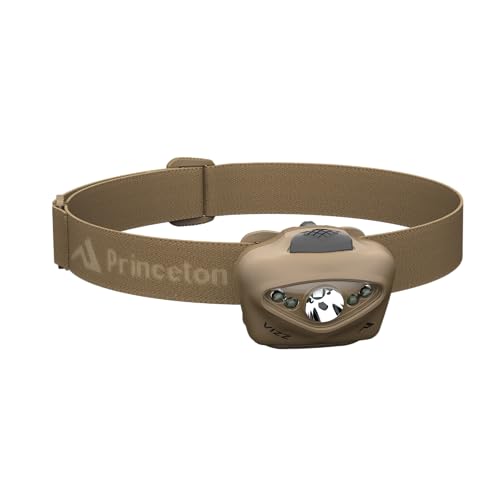
Princeton Tec Vizz Headlamp 550 Lumen, Tan
Meet The Standout Selections
Two headlamps in a single bundle changes how a station thinks about backups. The Energizer LED Rechargeable Headlamp pair gives a crew a primary plus a ready spare without buying two separate kits. Each unit tops off through a USB cable, so a truck inverter or station laptop handles charging between calls.
For a trainee building a gear pack, or a volunteer company stretching a budget across multiple members, this set covers the basics without cutting corners on the essentials. The red light mode protects night-adapted vision in the cab or at an outdoor scene, and the lightweight shell disappears on a helmet.
Key Advantages
- Two headlamps for the price of one, ideal for keeping a spare charged and ready.
- USB charging means no specialty cradle, just a cable and a USB port.
- Red mode preserves night vision during driving or quiet scenes.
- Lightweight shell sits comfortably on a helmet or a bare head for station work.
Points To Note
- Lighter build means it does not feel as rugged as heavier tactical units during heavy interior work.
- Owners commonly report that the included cable requires careful handling at the plug to maintain a steady charge over time.
Whose Helmet It Belongs On
This two-pack suits a volunteer outfit or a probationary firefighter who wants a primary lamp and a station spare without stretching the gear budget thin.
A Better Fit Elsewhere
Interior attack crews who need regulated brightness and infrared should look at the Princeton Tec Vizz Tactical LED Headlamp 550 Lumen, Black instead.
Compared to the budget two-pack above, the Energizer PRO-260 trades a second unit for a noticeably brighter beam and a sturdier shell. With a high setting that pushes out 260 lumens and a throw that reaches about 80 meters, this lamp has the punch most exterior overhaul and vehicle work calls for.
The PRO-260 also adds a true flood mode alongside spot, which matters when a firefighter is walking a scene and needs wide peripheral light instead of a narrow tunnel. IPX4 water resistance means rain, hose spray, and decontamination rinse are all in spec. The included batteries get a new recruit through their first shifts without an extra purchase.
What Works In Its Favor
- 260-lumen high mode lights up a room for size-up and primary search.
- Red night-vision setting preserves dark adaptation in the cab or staging area.
- IPX4 rating shrugs off rain and hose spray on exterior scenes.
- Multiple beam profiles (spot and flood) handle both distance and area lighting.
Honest Caveats
- Battery-powered rather than rechargeable, so crews need a steady stock of cells on the apparatus.
- Not rated for submersion, so dunk-tank training and prolonged hose exposure push past its limits.
Quick Facts
Who Will Love This
A generalist firefighter who handles a mix of overhaul, vehicle extrication, and station duties will appreciate the balance of brightness, red mode, and water resistance.
Where Another Pick Suits Better
For interior attack where regulated output and IR capability matter more than flood coverage, the Princeton Tec Vizz Tactical LED Headlamp 550 Lumen, Black is the closer fit.
Where the PRO-260 stops at general-purpose duty, the Princeton Tec Vizz Tactical MPLS steps into structural firefighting territory. The “MPLS” in the name stands for Modular Personal Lighting System, which is a fancy way of saying the headlamp mounts to a helmet, a plate carrier, or a clip with the included hardware rather than relying on a strap alone.
That modular approach keeps the lamp from sliding on a helmet under heavy SCBA movement, and the 550-lumen output gives the kind of throw that punches through heated smoke. With white, red, blue, green, and IR LEDs in one housing, a tactical or USAR team can switch from map reading to signal preservation to night vision without swapping units. The IR option is the standout for departments running night-vision equipment.
Useful Strengths
- Modular mounting system secures the lamp to a helmet bracket for stable aim during SCBA work.
- Five LED colors including IR cover map reading, blood tracking, and night-vision compatibility in one unit.
- 550-lumen output handles interior attack and overhaul in smoky conditions.
A Few Limitations
- Mounting hardware requires a compatible bracket, which is a separate purchase for some helmet models.
- The MPLS kit sits at the higher end of the price range compared with general-purpose headlamps.
Made For
Tactical and rescue operators who already use, or plan to use, night vision will find the IR LED and helmet-mount setup purpose-built for the role.
Look Elsewhere When
Volunteers and trainees who need a simple strap-on lamp for station work should reach for the Foxelli LED Headlamp Flashlight instead.
The Princeton Tec VIZZ 550 RGB runs on three AAA cells instead of a built-in rechargeable pack, which is a real-world advantage at stations where charging cradles are scarce or shared. AAA batteries are everywhere: gas stations, station supplies, the back of the chief’s truck. When a lamp dies mid-call, swapping three cells takes seconds.
This model also stretches to about 75 hours on the low white setting, which gives a long overhaul or extended search operation plenty of runway. The dimmable white beam adjusts across brightness levels, and the RGB color modes handle map reading, blood trail tracking at vehicle accidents, and preserving night-adapted vision without a separate filter. The IPX7 rating adds confidence in rain and brief submersion.
Practical Advantages
- AAA power source means no charging cradle and easy field replacement.
- Up to 75 hours on low white covers long incidents and station duties without a recharge.
- Dimmable white plus red, green, and blue LEDs fit multiple tasks in one lamp.
- IPX7 waterproofing handles weather and brief water exposure.
Things To Consider
- AAA cells cost more per hour of light than a rechargeable over the long run.
- At full output the runtime drops to around 2.5 hours, so heavy users carry spares.
Feature Snapshot
Best Suited To
Rural and volunteer stations with limited charging infrastructure benefit most from the swap-and-go AAA setup and ultra-long runtime.
Consider Something Else When
Career departments that standardize on rechargeable gear should look at the Princeton Tec Vizz Tactical LED Headlamp 550 Lumen, Black for a rechargeable tactical option.
The Foxelli LED Headlamp earns its beginner-friendly badge through simplicity rather than complexity. One glove-friendly button cycles through white and red modes, the 45-degree tiltable body angles the beam where a trainee wants it, and the included AAA batteries get the unit running straight out of the box.
For a recruit learning the ropes, a junior firefighter building a personal gear list, or a volunteer company kitting out new members, the Foxelli covers the practical basics without piling on extra modes nobody will use. The IPX5 water rating handles rain and hose spray during outdoor training, and the comfortable headband stays put during physical evolution practice.
Strengths Worth Knowing
- Single-button operation works with gloved hands and keeps training time short.
- Red mode protects night vision during exterior scene setup.
- Tilt body aims the beam where needed without awkward head movement.
- AAA batteries ship in the box, so the lamp works the moment it arrives.
Trade Offs
- Lumens and beam reach trail the higher-tier Princeton Tec models in this list.
- IPX5 handles splash but not submersion, so dunk-tank drills push beyond the rating.
Quick Technical Notes
Who Should Grab It
New recruits and volunteer firefighters who need a no-fuss, ready-to-run headlamp for station duties and outdoor training will appreciate the easy operation.
Not Your Match When
Anyone running interior attack or technical rescue should step up to the Princeton Tec Vizz Tactical LED Headlamp 550 Lumen, Black for regulated brightness and tougher sealing.
The Princeton Tec Vizz Tactical LED Headlamp pushes the runtime story further than any other pick on this list. With regulated output circuitry maintaining consistent brightness across the battery cycle, a firefighter gets the same usable beam at minute one and at minute fifty, instead of watching the light slowly dim through a long overhaul.
The 66-hour runtime on low, plus white, red, blue, green, and IR LEDs, makes this lamp a workhorse for technical rescue teams, USAR squads, and wildland crews. At 92 grams the headlamp stays light enough for an all-day pack without neck strain. The IPX7 rating means rain, puddles, and brief submersion all fall inside spec. The programmable color order lets a department set the lamp to its preferred mode sequence at the station.
A Few Highlights
- Regulated output keeps brightness steady as batteries drain, instead of dimming through the call.
- Up to 66-hour runtime handles long incidents and extended deployments.
- IR LED plus RGB colors support night-vision teams and tactical signaling.
- 92-gram weight sits light on the helmet during long shifts.
Worth Bearing In Mind
- Tactical pricing puts it above general-purpose lamps, which may not fit every training budget.
- Programmable features require initial setup at the station, a small learning step for crews used to plug-and-play units.
Right Fit For
Technical rescue, USAR, and wildland firefighters who run multi-hour operations and value steady regulated output will get the most from this unit.
Swap It Out When
Recruits who only need a basic station lamp can save money with the Energizer LED Rechargeable Headlamp 2-Pack and still get a solid backup pair.
The tan-bodied Princeton Tec Vizz closes the list as the “Built To Last” pick, and the construction earns that label honestly. Made in the USA with an IPX7 waterproof rating, this lamp shrugs at conditions that would retire lesser units, from rain and hose spray to brief submersion during decontamination.
For a station-issue headlamp that takes daily wear from multiple shifts, the Vizz brings the same 550-lumen output as the other Princeton Tec entries plus the dimmable white LED and specialty color options. The regulated output keeps the beam steady as batteries drain. Programmable color order lets a department configure the lamp to its standard mode sequence.
Points In Its Favor
- USA-built construction tends to hold up well under daily station issue.
- IPX7 sealing handles decon, weather, and brief submersion on the fireground.
- Programmable color settings let a department match the lamp to its SOP.
- 550-lumen output covers interior attack, overhaul, and search runs.
Things That May Matter
- Tan color shows soot and grime more visibly than black housings on interior calls.
- Premium build pushes the price above general-purpose headlamps, which can challenge training budgets.
Feature Rundown
Perfect Match For
A career firefighter who wants a daily-issue lamp built to take hard use, weather, and decon over years of service will appreciate the rugged construction.
Reach For A Different Pick When
Volunteers and trainees watching the gear budget should turn to the Energizer LED Rechargeable Headlamp 2-Pack or the Foxelli for a more approachable entry point.
What Matters Most Before Choosing Headlamps For Firefighters
Brightness Versus Runtime Trade-Offs
A higher lumen number looks good on paper, but a lamp that pulls every last lumen from its batteries will drain in under three hours. Interior attack and overhaul crews need the brightness for visibility, yet they also need a lamp that stays lit through the call. Look for a balance between peak output on high and a usable low mode that stretches the runtime. The Princeton Tec Vizz models on this list solve this with regulated output that keeps the beam steady across the battery cycle instead of dimming slowly.
Mounting And Helmet Compatibility
A strap-on headlamp works for station duty and exterior scenes, but interior attack under SCBA calls for a lamp that mounts to the helmet itself. Look for units that accept standard helmet brackets or that include a modular mounting kit. The Princeton Tec Vizz Tactical MPLS specifically targets this use case with hardware built for mounting rather than strapping. Crews should confirm that the lamp they pick works with their department’s helmet style before committing.
Water, Heat, And Decon Resistance
Firefighting puts headlamps through rain, hose spray, decontamination rinses, and the occasional dunk tank. An IPX4 rating covers splash, IPX5 handles sustained water jets, and IPX7 survives brief submersion. For interior attack and overhaul where decon is routine, aim for IPX5 or higher. Lower ratings can work for exterior and station use, but they will not survive the kind of wash-down that follows a structure fire.
Specialty LED Modes And Night Adaptation
Red LEDs keep night vision intact during driving and staging. Blue LEDs help track fluids at vehicle accidents. Green LEDs reduce glare on maps and instruments. IR LEDs support night-vision equipment. A lamp with two or three specialty modes covers most fireground tasks without complicating the interface, while a lamp with all five covers tactical and rescue teams that need every option.
Key Considerations Across These Picks
Mistakes Worth Dodging
Picking a headlamp on lumen count alone leaves out the runtime, sealing, and mounting questions that matter more in the field. Another common slip is choosing a rechargeable-only lamp for a station without a reliable charging routine, which leaves a crew with dead batteries and no quick fix. IP rating also gets overlooked. A lamp rated IPX4 may handle a rainy drill but will not survive a real decon cycle. Match the rating to the actual job, not the marketing copy.
Where The Extra Money Goes
The jump from a budget two-pack to a tactical Princeton Tec Vizz covers regulated output, sealed construction, specialty LEDs, and longer runtime. For a recruit or volunteer, the budget tier covers the basics well. For a career firefighter running interior attack, USAR, or technical rescue, the upgrade pays off in steadier brightness through long calls and tougher sealing through repeated decon. The honest read is that the premium tier earns its place when the work demands it, and the budget tier earns its place when it does not.
Frequently Asked Questions
What lumen count works for interior attack?
Most interior attack crews find 200 to 550 lumens adequate when paired with a regulated output that keeps the beam steady. Going much higher rarely helps in heavy smoke, where beam shape and throw matter more than raw output. A lamp in that range with a focused spot mode handles doorway reads and room size-up effectively.
Is a red light mode actually useful for firefighters?
Yes, mainly for preserving night vision during driving, staging, and exterior setup. A red mode lets a crew read maps and check equipment without losing the dark adaptation they need to transition back to a low-light scene. Red also reduces glare reflected back off smoke during brief outdoor moments.
How important is the IP water rating?
It matters more than most shoppers realize. A lamp rated IPX4 handles light rain but will fail under a real decon rinse or a hose stream. Crews who decon their gear after every call should aim for IPX5 or higher. Interior attack crews who train in the dunk tank need at least IPX7 for confidence.
Should I pick rechargeable or AAA-powered?
Rechargeable units save money over time and run brighter for longer, but they need a charging routine. AAA-powered lamps keep running with field-replaceable cells from any supply closet. Stations with disciplined charging habits benefit from rechargeable. Stations that share gear and chargers often prefer the AAA swap-and-go option.
Can one headlamp handle multiple roles on the fireground?
Yes, when it has enough modes and the right rating. A 550-lumen lamp with spot, flood, red, and a solid IPX5 or higher rating covers interior attack, overhaul, exterior setup, and station duty in one unit. Adding blue, green, and IR expands the same lamp into tactical and USAR work.
The Takeaway
The right headlamp on a firefighter’s helmet makes a smoky room readable, keeps both hands on the tool, and stays lit through the long calls. Match the lamp to the actual workload: budget two-packs and starter units for station and training, regulated tactical units for interior attack and USAR, AAA-powered models for stations without strict charging routines. Whatever the pick, run it through decon, store it on the helmet, and check the batteries before every shift.