

A small flashlight earns up its place by being there when nothing else is. Power outage at the breaker box, a dog walk after sunset, the crawlspace under the back porch, the glove box on a long highway stretch: that’s where compact LED flashlights earn their keep. I’ve pulled together five options that genuinely solve different problems, from multi-packs that scatter through the house to pocketable rechargeables that disappear on a keychain. None are flashy. All are practical.
How The Shortlist Stacks Up

FASTPRO 18-Pack 9-LED Mini Flashlight Set

Police Security Seeker Rechargeable Keychain Flashlight

EverBrite 6-Pack Mini Flashlights with Batteries

EverBrite Small Flashlight Pink, 3 Modes
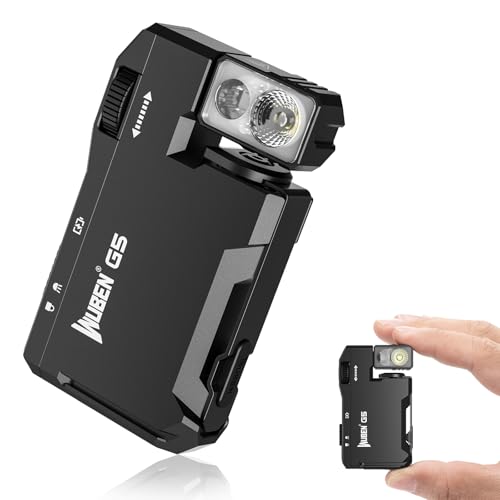
WUBEN G5 Rechargeable EDC Flashlight
A Breakdown Of The Leading Choices
The logic behind an 18-pack is simple: a flashlight in a drawer is useless. A flashlight in the glove box, one by the back door, one in the kid’s backpack, one in the basement workshop, and suddenly every member of the household has working light when something goes sideways. FASTPRO leans into that scenario with a set designed to spread out and stay put.
Each unit runs nine small LED bulbs inside an ABS plastic shell, and the AAA cells ship in the box, so there’s no first-night scramble to find batteries. Output sits at a modest level, which is the honest trade-off for the bulk-pricing approach.
Useful Touches
- Eighteen individual flashlights mean you can leave one everywhere you might actually need it.
- Included AAA batteries make every unit usable the moment the box opens.
- Mixed color shells help different family members grab “their” flashlight by feel.
- ABS plastic keeps the weight low enough that kids can carry one without complaint.
- Compact size fits a kitchen junk drawer, a glove box, or a bedside table.
Things To Consider
- The light output is modest, so this isn’t the right pick for searching a dark attic or a long driveway.
- ABS plastic feels fine in hand but won’t take the same abuse as a metal-bodied torch, so dropping one from height risks cracking the casing.
Who It Suits Best
Families and homeowners who want a flashlight within arm’s reach in every room, plus a few extras for cars and emergency kits.
Swap It Out When
Pick the WUBEN G5 Rechargeable EDC Flashlight instead when you want a brighter, pocketable single unit you can recharge on the go.
The Seeker trades brightness headroom for the kind of always-there convenience a glove-box flashlight can’t match. It lives on a keychain, so it’s never in the wrong jacket when you need it, and the built-in rechargeable cell removes the “do I have AAA batteries?” anxiety that plagues bulk sets like the FASTPRO.
At 150 lumens with a pocketable form, the Seeker sits in a different category than the multi-pack picks above. You’re not scattering eighteen of these around the house. You’re keeping one close, charging it now and then, and pulling it out for the front-door path or the dropped keys behind the seat.
Standout Benefits
- Rechargeable via USB, so no battery shelf restocking.
- Compact keychain form means it stays with your keys, not in a drawer.
- Solid output for short-range tasks like reading house numbers at night.
Honest Caveats
- Not built for long throw distances, so don’t expect it to light up a backyard.
- Rechargeable cells lose capacity over years, which means runtime may dip over time, a common pattern with small Li-Po packs.
- A single light means no spare when the cell finally dies mid-use.
Key Specs
Built With In Mind
Daily commuters, dog walkers, and anyone who parks in dim lots and wants light in hand before they step out.
A Better Fit Elsewhere
The FASTPRO 18-Pack makes more sense for families who want one in every drawer, rather than a single keychain unit.
Six is the number that often makes the most sense. Fewer than the FASTPRO’s eighteen, but enough that the typical household gets one for the kitchen, one for each car, one for the camping bin, and a couple to give away. Each EverBrite mini flashlight runs nine LEDs and ships with three AAA batteries, so the box is genuinely ready to use.
Compared with the FASTPRO set above, this one trims the count without changing the idea. You’re still scattering the units, just without eighteen of them to find storage for.
Points In Its Favor
- Six units hit the sweet spot for cars, drawers, and kits without overkill.
- Batteries ship in the box, so every unit works the day it arrives.
- Small footprint slides into glove boxes and bedside tables.
Trade Offs
- Light output is modest and isn’t suited for searching a dark yard.
- ABS construction handles everyday drops but won’t survive harder impacts as gracefully as metal-bodied picks.
- Replacement batteries add up over years of steady household use.
Right Fit For
Couples and small households who want broad coverage without buying more flashlights than they’ll actually stash.
Where Another Pick Shines
The WUBEN G5 Rechargeable EDC Flashlight suits commuters who want a brighter, rechargeable pocket light rather than spread-out household spares.
Some people want one good flashlight, not a box of them. This EverBrite single-unit in pink is sized for that buyer: pocketable, three-mode, and shaped to stay put on a shelf or a nightstand.
The hex-shaped barrel is a small detail that solves an old annoyance, namely flashlights that roll off uneven surfaces. Add the high/low/flash modes and you get a versatile pick for camping, glove boxes, and bedside use without committing to a rechargeable setup like the WUBEN G5 below.
Where It Excels
- Three brightness modes cover reading, walking, and signaling without needing a separate strobe device.
- Hex barrel prevents rolling on slopes or uneven shelves.
- Pocketable size at under five inches long fits standard jacket pockets.
- Batteries ship in the box, so it works right away.
Small Caveats
- Single-unit purchase means no spare when the batteries eventually run out mid-trip.
- Plastic shell won’t handle heavy drops the way higher-priced metal picks do.
- Light output is reasonable for short range, not ideal for long-distance spotting.
Quick Facts
Who Should Grab It
Anyone who wants one solid, ready-to-go flashlight for bedside duty, occasional camping, or stashing in a single car.
Look Elsewhere When
The FASTPRO 18-Pack covers shoppers who want the same flashlight scattered through every room of a larger home.
The WUBEN G5 is the smallest, flattest pick on this list. Its rectangular pocket shape slips into a jeans coin pocket without the bulge a traditional cylindrical flashlight creates. For EDC, meaning everyday carry, that’s the whole point.
Unlike the battery-driven picks above, this one charges over USB-C in around 90 minutes and runs at the lowest mode for up to 65 hours, which is more than a week of intermittent pocket use between charges. Add the IP65 waterproof rating and you’ve got a daily companion built to handle weather and keychain abuse.
Strong Points
- Flat rectangular shape disappears into pockets the cylindrical picks above can’t match.
- USB-C charging means a top-off from any modern phone charger or laptop.
- IP65 weather resistance shrugs off rain and brief splashes.
- Up to 65 hours on the lowest mode covers multi-day trips without a wall outlet.
Worth Noting
- Pricing sits above the budget multi-packs, so it’s a personal carry investment rather than a scatter-the-house solution.
- Rechargeable cells gradually lose capacity, which is normal for Li-Po batteries over years of daily cycling.
- Compact form is easy to misplace if you remove it from a bag and set it on a shelf.
Feature Snapshot
Whose Shelf It Belongs On
Daily commuters, hikers, and anyone who wants a rechargeable pocket light ready for weather and repeated use.
Consider Something Else When
The EverBrite 6-Pack fits shoppers who’d rather scatter battery-driven units across multiple cars and rooms instead of carrying one rechargeable light.
Picking The Right Compact Flashlight For Your Routine
The best small flashlight is the one you actually have with you when the lights go out. Bulk multi-packs like the FASTPRO and EverBrite 6-Pack solve the “we don’t own enough flashlights” problem at the household scale, while single-unit picks like the WUBEN G5 and Police Security Seeker solve the “I want one in my pocket right now” problem.
Brightness, Beam Pattern, And Runtime
Raw lumens only tell half the story. A flashlight rated at high lumens with a flood beam lights up a campsite evenly. A narrow spot beam throws light farther down a driveway but leaves your feet in shadow. For everyday carry, a balanced beam with adjustable modes (like the three-mode EverBrite single unit) covers most scenarios without overthinking.
Battery type drives ownership habits more than people expect. AAA cells are easy to find anywhere but require you to stock spares. Rechargeable Li-Po cells (in the Police Security Seeker and WUBEN G5) trade the spare-battery habit for a charging routine, which most people find easier long-term.
Size, Weight, And Carry Method
The smallest picks here, including the WUBEN G5 at 52 grams and the Police Security Seeker as a keychain unit, disappear in a pocket or on a keyring. Larger tube-style lights sit better in a glove box or a drawer but feel bulky in a jacket pocket. Runners and walkers tend to prefer the flat form factor, while drivers tend to prefer the larger tube shape that fills the hand better at night.
Build Quality And Weather Resistance
ABS plastic handles everyday drops at home but shows wear after years of glove-box summers and freezing winters. An IP65 rating (on the WUBEN G5) means the unit shrugs off rain and splashes, which matters for outdoor use. For purely indoor flashlights stored in a climate-controlled home, the basic ABS picks hold up well.
Key Considerations Across These Picks
Mistakes First-Timers Hit
One common slip is buying a high-lumen flashlight without checking the runtime at that brightness. Many small LEDs step down to a lower output after a few minutes to manage battery drain, so the advertised peak number isn’t what you get for a long walk. Another trap is assuming AAA-powered lights are always cheaper. Stocking AAA cells across several flashlights adds up over years, which is why a rechargeable EDC unit often costs less to own long-term.
Where The Extra Money Goes
Spending up on a rechargeable, weather-sealed EDC flashlight, like the WUBEN G5, gets you USB-C charging, a pocketable flat shape, and an IP65 rating that cheaper ABS plastic picks don’t offer. The upgrade pays off most for outdoor use, regular nightly dog walks, or anyone who wants to skip battery shopping. For shoppers who just need backup lights scattered through the house, a budget multi-pack still does the job well.
Frequently Asked Questions
How many lumens do I really need in a small flashlight?
For household tasks like reading meters or walking to the car, 100 to 200 lumens is plenty. For searching a yard at distance, look toward higher outputs with adjustable modes.
Are rechargeable flashlights worth it over AAA battery models?
Rechargeable units save money long-term and skip battery shelf restocking, but they depend on a charging habit. AAA-powered multi-packs are simpler and work even after years sitting in a drawer.
Can a small flashlight survive being dropped?
ABS plastic handles everyday drops fine. Metal-bodied or weather-sealed picks like the WUBEN G5 handle harder impacts and weather better.
What’s the best place to store a household flashlight?
Glove box, bedside drawer, kitchen junk drawer, and basement workshop cover most outages. Multi-packs exist specifically so you can scatter units across all of those.
How long do LED flashlights usually last?
The LED bulbs themselves often run for years of regular use. The limiting factor is usually the battery, with rechargeable cells slowly losing capacity and AAA cells needing replacement.