

A nursery nightlight earns its place by getting three things right at once: soft enough that a baby stirs rather than startles, portable enough to follow a 3 a.m. feeding from crib to hallway, and sturdy enough to survive the grabby toddler phase. Parents shopping for the first time often underestimate how much those small details shape the next two years of bedtime. I pulled together six options that handle those jobs in different ways, from squishy silicone companions to sound-and-light combos built for harder sleepers.
How The Shortlist Stacks Up

WETSTAR Lying Flat Duck Night Light, Silicone Dimmable Nursery Nightlight

ATSUI Happy Penguin Night Light, Food Grade Silicone, 2 Level Dimmable

MeWaii Bunny White Noise Sound Machine, Newborn Baby Boy Gift

Unicorn Night Light, Rechargeable Table Lamp, 7 Colors
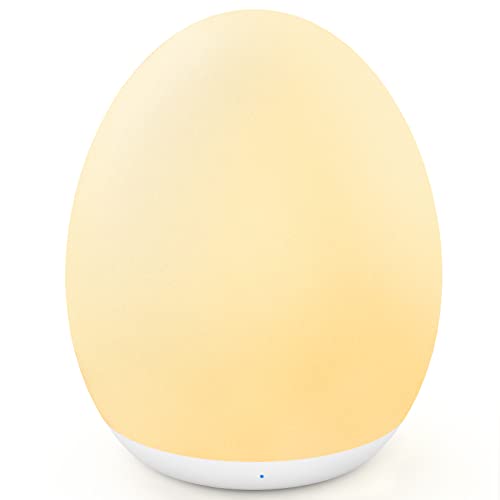
MediAcous Night Light for Kids, 7 Colors Changing Egg Light

Mewaii White Noise Sound Machine Baby Night Light with Alarm Clock
A Deeper Look At The Lineup
The WETSTAR duck trades the typical round nightlight shape for a lying-flat duck silhouette that doubles as a phone stand on a changing table or nightstand. Its silicone shell handles drops from a crib rail without cracking, which matters once a curious 10-month-old starts grabbing. I think this kind of playful form factor works well when the nursery already has a soft pastel theme and you want something that looks like part of the decor rather than a piece of gear.
For nursing parents, the low-medium-high brightness steps let you dial down to a barely-there glow during overnight feeds without waking the room. Compared to the MediAcous egg covered later, this one stays warmer in tone and skips the color-cycling, which feels more soothing for the youngest babies.
Noteworthy Benefits
- Tap-to-dim controls with three levels, including off, so you do not have to fumble for a switch at night.
- Warm 3000K tone, meaning the color temperature leans amber rather than blue, which most pediatric sleep guidance suggests is gentler for infants.
- Squishy silicone exterior absorbs drops from crib rails and changing tables without scuffing the floor.
- Doubles as a phone stand during pumping sessions, replacing one more thing on the nightstand.
Things To Consider
- Rechargeable means you have to remember to top it off every few nights; corded runners may find that annoying.
- The duck shape is cute, but toddlers who like to chew may need supervision around any silicone accessory.
Who It Suits Best
Nursing parents setting up a pastel-themed nursery and anyone who wants a soft warm glow rather than a full color show.
Consider Something Else When
The ATSUI Happy Penguin Night Light suits shoppers who want a similar squishy silicone build but prefer a two-step dimmer over three brightness levels.
The ATSUI penguin keeps things intentionally simple: tap the body, you get soft light; tap again, you get a brighter level; tap once more, off. The food-grade silicone body, meaning silicone tested safe for contact with food and mouth, gives nervous grandparents and gift-givers one less thing to worry about during hand-me-downs. I find two-level dimming is genuinely enough for most nurseries, since the bright setting usually only matters during diaper changes while the soft setting covers the rest of the night.
Where the WETSTAR duck leans warm and decorative, this penguin leans playful and gender-neutral, which makes it a safer pick for baby shower gifts. New parents juggling feeds and diaper changes tend to appreciate a tap interface over apps, which is a nice contrast to the app-controlled MeWaii machine covered next.
What Stands Out
- Food-grade silicone body for parents concerned about mouth contact during teething months.
- Two brightness steps keep the learning curve small enough for sleep-deprived adults and older siblings.
- Compact footprint fits on narrow nightstands or inside diaper caddies for hallway trips.
Points To Note
- Two brightness levels feel limiting compared with the WETSTAR duck’s three-step dimmer.
- Owners commonly report the tap sensor occasionally needs a firmer press after the silicone warms up from prolonged use.
Best Suited To
New parents who want a fuss-free tap lamp they can hand to grandparents without reading the manual.
Where Another Pick Suits Better
The WETSTAR Lying Flat Duck Night Light suits shoppers who want a warm-tone option with an extra brightness step and a built-in phone stand.
The MeWaii bunny steps out of the pure nightlight category and into the sound machine space, which makes it a different kind of tool for the nursery. With 100-plus sounds and age-specific profiles, it covers the newborn-to-toddler stretch in one device, instead of upgrading every six months. I think parents of colicky babies or light sleepers in noisy neighborhoods get the biggest payoff here, since white noise tends to mask the kind of sudden sounds that jolt light sleepers awake.
For households where bedtime happens in shifts, the app remote means one parent can adjust volume or switch profiles without walking into the room and risking a wake-up. That convenience reads as a genuine upgrade over the simpler tap lamps earlier in this list.
Real-World Strengths
- Age-specific sound profiles adjust volume and frequency as the baby grows, avoiding the one-size-fits-all sound most machines ship with.
- App remote lets parents tweak settings from outside the nursery, useful during the four-month sleep regression.
- Wide sound library covers white noise, nature, and lullaby options without needing a separate app subscription.
Honest Caveats
- Sound machines need a power outlet nearby, so it stays tethered to the nursery wall rather than roaming the house.
- Setup requires downloading an app and pairing, which is more friction than a simple tap-to-glow lamp.
Made For
Parents of newborns who have tried basic nightlights and want to add a sound element without buying two separate devices.
Look Elsewhere When
The Mewaii White Noise Sound Machine Baby Night Light with Alarm Clock suits shoppers who want sound plus a visible bedside clock in one unit.
The LMFUEN unicorn leans into the gift-and-display side of nursery lighting. Seven color modes cover the spectrum most kids ask for, and the rechargeable build means it can move from a toddler’s room to a sibling sleepover without hunting for an outlet. For shared bedrooms where one child wants warm light and another wants blue, the color cycling doubles as a settling ritual.
Compared with the MediAcous egg reviewed next, this unicorn feels more decorative and a bit larger on the nightstand. The trade-off is charm versus compactness, and for nursery decor shoppers that trade usually pays off.
Reasons It Performs
- Seven colors let kids pick a favorite hue for bedtime, which often turns into a calming ritual rather than a fight.
- Rechargeable battery supports hallway trips during nighttime wakings without unplugging anything.
- Unicorn silhouette reads as decor first, lamp second, useful for parents matching a themed nursery.
Worth Noting
- Larger footprint than the egg-shaped option, so very small nightstands may feel crowded.
- Color cycling can overstimulate some toddlers, depending on temperament, if left on the rainbow mode all night.
Who Should Grab It
Parents buying a baby shower gift or decorating a themed nursery who want something that doubles as a keepsake.
Skip It When
The MediAcous Night Light for Kids suits shoppers who want a smaller footprint and a memory function that remembers the last color setting.
The MediAcous egg solves one of the most common nursery complaints: you find a color your toddler loves, then the lamp resets and starts cycling again. A short half-second tap freezes the egg on whatever shade is up, and the memory function brings it back to that shade after a power cycle. For travel, the egg shape packs easily into a diaper bag, and the toy-grade ABS and PC shell holds up to the kind of handling luggage deals out.
I think the egg works best for grandparents’ houses, hotel rooms during family trips, and anywhere the nightlight gets unplugged between visits. It is a smaller, more portable answer to what the unicorn does decoratively, and the trade-off shows up in personality more than function.
What Works In Its Favor
- Color-lock tap stops the cycling on a favorite shade, removing the need to babysit the lamp at bedtime.
- Compact egg form slips into a diaper bag pocket without bulging, helpful for overnight trips.
- Toy-grade plastic shell shrugs off the kind of handling suitcases and toddler backpacks deliver.
- Memory function restores the last setting after charging, so grandparents do not need to reset it each visit.
Trade Offs
- Plain egg shape lacks the decorative charm of the unicorn option for themed nurseries.
- Auto-cycle through eight colors may bother light-sensitive infants even with the lock feature.
Made For
Families who split time between homes or want a portable color lamp that remembers settings between uses.
Where Another Pick Suits Better
The Unicorn Night Light suits shoppers who prefer a themed decorative shape and do not need to pack the lamp into a diaper bag.
The Mewaii combo machine folds three nursery tools into one: a sound machine with 100 tracks, a dimmable silicone nightlight shaped like a chubby dinosaur, and a bedside alarm clock. The dinosaur shell, made from the same squishy silicone as the earlier picks, softens what could otherwise feel like a gadget on the nightstand. Age-specific sound profiles and app-based remote control carry over from the bunny version covered earlier, so this reads as a step up for parents who want clock visibility.
For toddlers transitioning out of naps, the visible clock helps them understand “lights on” time without parents having to repeat it. The trade-off is more features to learn, which is why I think this fits households that have already mastered basic nightlights.
The Helpful Details
- Three-in-one design consolidates sound, light, and clock on the nightstand, replacing multiple devices.
- Squishy silicone dinosaur body stays soft to the touch and absorbs the inevitable toddler toss across the room.
- App remote and four base-button sounds give parents two control paths, useful during late-night checks.
- Color-changing nightlight mode adds a visual cue for older toddlers during wind-down routines.
Practical Considerations
- More features mean a longer learning curve, which can frustrate sleep-deprived caregivers in week one.
- Larger bedside footprint than the standalone silicone lamps, so small dressers may feel cramped.
- Alarm clock functionality is less useful for newborns and only earns its place once toddlers track time.
Whose Shelf It Belongs On
Parents of toddlers ready for nap training who want one device instead of a sound machine, lamp, and clock cluttering the dresser.
Swap It Out When
The MeWaii Bunny White Noise Sound Machine suits shoppers who want the sound machine piece without paying for a clock they do not yet need.
What Matters Most Before Choosing Nightlights For Nursery
Light Quality and Color Temperature
The single biggest decision is warm versus cool light. Warm tones around 3000K, the scale used to describe whether light reads amber or bluish, feel less stimulating and match most pediatric sleep guidance. Cooler blue-leaning light tends to suppress melatonin, so it works for diaper changes but not for the entire night. Think about the brightest setting you will actually use, since the brightest level usually only matters during feeds.
Material Safety for the Grabby Phase
Silicone shells handle drops, bites, and toddler handling better than hard plastic, and food-grade silicone offers one more reassurance for teething months. ABS or PC plastic shells feel lighter and travel better, but they scuff and crack more easily. Consider how the lamp will be handled six months from now, not just on day one.
Portability Versus Plug-In Stability
Rechargeable lamps follow the family from crib to hallway to grandparent house, but they need charging reminders. Plug-in machines stay reliable for years and pair naturally with sound machines, but they anchor to one outlet. Travel-heavy families usually want both types, one for home and one for the diaper bag.
Sound, Smart Features, and Beyond Light
Some picks on this list cross into sound machines and app-controlled devices, which adds setup friction but also real bedtime help for fussy sleepers. Decide early whether you want a lamp-only tool or a multi-feature device, since the two paths lead to very different price tiers and learning curves.
Key Considerations Across These Picks
Where Shoppers Go Wrong
The most common slip-up is picking a lamp with a brightness range that goes too high, which sounds harmless until a 2 a.m. feed blinds you and wakes the baby. Look for a low setting that is genuinely dim, not just “softer than bright.” Another trap is choosing color-cycling modes for a newborn, since the shifting hues can overstimulate infants who need stillness. Lock or fixed-color modes tend to age more gracefully through the first year.
Where The Extra Money Goes
Higher-tier picks in this category usually add sound machines, app control, or rechargeable batteries, and the upgrade shows up in how long the device stays useful. A pure nightlight covers the newborn months well, but a sound-and-light combo carries through toddler transitions and nap training. Paying more makes sense when you want one device to span two years of sleep stages, rather than replacing a basic lamp every six months.
Frequently Asked Questions
What color temperature is best for a nursery nightlight?
Warm tones around 3000K are widely recommended for sleep because they read amber rather than blue. Cool or blue-leaning light is better reserved for short tasks like diaper changes rather than all-night glow.
Are silicone nightlights safe for babies?
Food-grade silicone bodies are designed for mouth contact and hold up to drops and bites better than most hard plastics. Supervision is still sensible during teething, but the material itself is considered gentle for nursery use.
Do sound machines really help babies sleep?
White noise and nature sounds can mask household noises that jolt light sleepers, which is why many parents see fewer wake-ups after adding one. They tend to help most in noisy neighborhoods or homes with older siblings.
How long do rechargeable nursery nightlights last per charge?
Most rechargeable lamps in this category run several nights on a single charge, though heavy use of bright settings drains faster. Owners commonly top them off during weekend routines rather than daily.
When should a child stop using a nightlight?
There is no hard cutoff, and many kids keep a nightlight well into elementary school for comfort. The right time to phase it out is usually when the child feels confident in the dark, not a calendar date.