

I remember the first time a regular LED bulb flickered every time I pressed the garage remote. That strobe effect is annoying, and it’s actually a symptom of radio frequency interference between cheap bulbs and the opener’s receiver. The fix is straightforward: pick a bulb engineered for the rough garage environment, where vibrations, temperature swings, and RF noise all gang up on ordinary household LEDs. I pulled together seven solid options, from opener-specific bulbs designed to play nicely with remotes to a couple of bonus picks for folks repairing other parts of the door system.
The Choices Worth Comparing
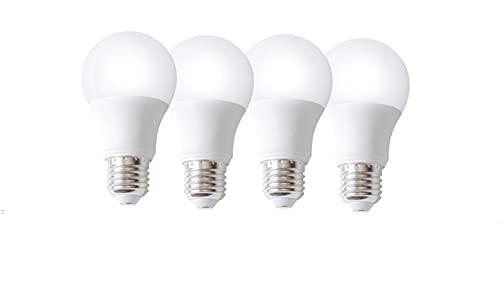
LiftMaster LMLED1 Universal Garage Door Opener LED Bulb (4 Pack)
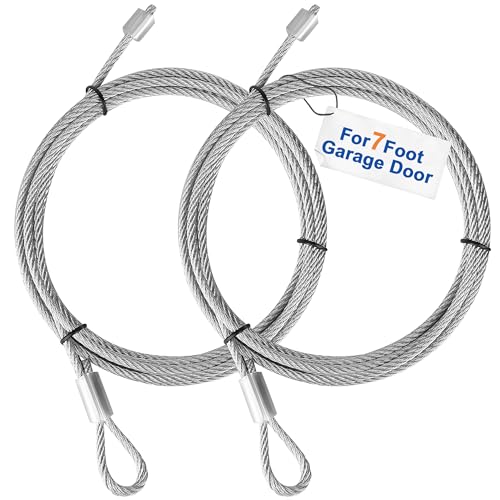
Pulems Garage Door Cables for 7 Ft Doors (8 ft 6 in)

Pulems Garage Door Cables and Drums Kit for 7 Ft Doors

Pulems 30257T Screw Drive Coupler for Genie Openers
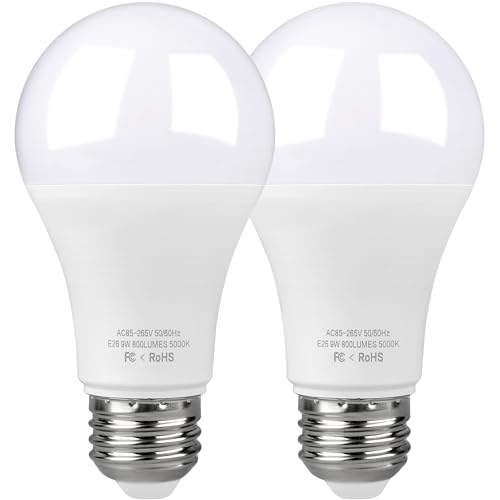
Pulems Garage Door Opener LED Bulb for Chamberlain and Genie

Genie GLEDB2-R2 Garage Door Opener LED Bulb 2-Pack (4000K)

Great Eagle A19 LED Bulb 100W Equivalent, 4000K, 4-Pack
More On The Choices That Made The List
The LiftMaster LMLED1 is engineered specifically for the rough life inside a garage door opener housing. Where a regular LED flickers or kills your remote range, this bulb is built to suppress RF interference so the opener’s receiver keeps working cleanly. The 800-lumen output (roughly a 60-watt equivalent) is plenty bright for finding tools on the workbench at 6 a.m.
For homeowners in northern climates, the cold-weather rating matters more than it sounds. Bulbs rated down to negative 30°F resist the thermal shock that cracks standard LEDs during the first hard freeze. The shatter-resistant construction also holds up to the constant low-frequency vibration from the opener motor, which is something most household LEDs were never designed to survive.
The Value In It
- Suppresses RF interference so remotes stay responsive at full range
- Cold-rated to negative 30°F for unheated garages in winter
- 800 lumens delivers strong task lighting for a one- or two-car garage
- Shatter-resistant build handles daily opener vibration
- Four-pack value covers a multi-bulb opener head plus spares
Points To Keep In Mind
- Daylight 5000K color reads cool and clinical in finished garage spaces
- Not compatible with dimmer switches, which limits placement options
Quick Facts
Right Fit For
Anyone with an unheated garage in a cold climate who wants one purchase to last several winters without flicker or remote-range loss.
Look Elsewhere When
You’d rather have a warmer color tone for a finished garage gym or workshop, in which case the Genie GLEDB2-R2 is a more relaxed 4000K option.
This entry shifts focus from the opener’s lighting to the door itself, but it belongs in the conversation for anyone rebuilding a garage system. Pulems makes a torsion-spring cable sized precisely for seven-foot residential doors, which is the most common height in North America. The cables connect to both the bottom bracket and the cable drum, restoring smooth travel on a door that’s been fraying or slipping.
Most homeowners replacing cables do it because one has snapped, leaving the door crooked or stuck. Working with torsion springs carries real spring-back risk, so the right replacement cable matters. At 8 feet 6 inches long and 0.12 inches thick, this set matches the standard 7-foot door geometry without forcing homeowners to cut or splice.
Standout Benefits
- Pre-cut to the standard 7-foot residential door length
- Galvanized steel core resists corrosion in damp garages
- Designed to feed cleanly into both drums and bottom brackets
Trade Offs
- Not a universal fit, only confirmed for 7-foot door setups
- Torsion-spring replacement carries injury risk without proper tools
Whose Shelf It Belongs On
DIY homeowners with a confirmed 7-foot door whose existing cables have frayed or snapped and who are comfortable working with winding bars.
Swap It Out When
Your door is 8 feet tall or your existing drums are also worn, in which case the Pulems cables-and-drums kit in the next slot handles both at once.
Where the previous Pulems kit replaced just the cables, this version adds the drums and a heavy-duty pulley, basically a full mechanical refresh for a 7-foot door. If your door has been making grinding noises or the cables keep jumping the drum, replacing the drums at the same time prevents the new cables from wearing prematurely against old, grooved surfaces. The same 8-foot-6-inch cable length keeps the fit matched to standard residential doors.
The added components mean more steps at install, but for someone restoring a door to like-new condition, consolidating the parts into one kit saves a second shipping trip. Most homeowners tackling a multi-component refresh find this approach simpler than sourcing each drum and pulley separately.
A Few Strong Suits
- Bundle matches cables with new drums for a clean replacement cycle
- Includes a heavy-duty pulley designed for frequent daily cycles
- Same verified 7-foot-door fit as the cable-only kit
Worth Noting
- More parts to install, longer learning curve for first-timers
- Spring tensioning still requires proper winding bars and caution
Feature Snapshot
Who Will Love This
Tinkerers restoring an older 7-foot door whose drums are visibly worn alongside the original cables.
Reach For A Different Pick When
You only need to replace the cables and the existing drums still spin freely, in which case the cable-only Pulems set is the leaner choice.
Here’s a different kind of repair: the coupler inside a Genie screw-drive opener. The coupler (sometimes called the coupler assembly or drive coupler) is the small part that physically connects the motor shaft to the screw-drive rail. When that rubber-and-metal piece fatigues, the motor hums but the screw doesn’t turn, and the door stays put. The Pulems 30257T replacement is the OEM-equivalent part Genie screw-drive owners reach for.
This is a niche item, but it’s a lifesaver for the right person. Compatible with several Genie screw-drive models, the swap itself takes about 20 minutes with a basic socket set. The honest read is that anyone with a Genie screw-drive opener who hears humming without motion should suspect the coupler before calling a technician.
What Works In Its Favor
- Matches the 30257T OEM part number Genie uses across multiple models
- Restores drive when the motor runs but the screw doesn’t turn
- Compact swap that fits a standard DIY repair session
Small Caveats
- Only fits Genie screw-drive openers, not belt- or chain-drive units
- Diagnosing a bad coupler correctly requires ruling out the motor and rail
Feature Rundown
Best Suited To
Genie screw-drive opener owners who hear the motor hum and want to fix the no-motion symptom without paying for a service call.
Where Another Pick Suits Better
If the issue is actually the cables or springs instead of the drive coupler, the Pulems cables-and-drums kit is the more relevant repair to chase first.
Pulems rounds out its lineup with a universal LED aimed at opener-brand compatibility, a key reason this one sits well with mixed-brand households. The 800-lumen, 5000K daylight output matches the brightness profile of the LiftMaster LMLED1 reviewed earlier, but the wider brand compatibility list is the real pitch. The 9-watt draw at standard 85-265V household current makes it a drop-in for almost any garage opener socket.
Like the LiftMaster, this bulb targets RF interference suppression, which is the actual technical problem behind the flicker-and-strobe effect. The shatter-resistant housing is a practical touch given the constant low-grade vibration that comes from chain- and belt-drive openers. For most homeowners, it’s a solid swap when the original opener bulb finally burns out.
What It Does Well
- Compatible across major opener brands including Chamberlain, LiftMaster, and Genie
- RF-interference-resistant design preserves remote range
- Standard E26 screw base installs in seconds without tools
- Wide voltage range handles older and newer opener electronics
Points To Note
- Daylight 5000K tone can read harsh in living-space conversions
- 9W draw is slightly higher than some competing opener bulbs
Quick Technical Notes
Who Should Grab It
Households running mix-and-match opener brands who want one bulb type to keep on hand for every opener in the garage.
Consider Something Else When
Cold-climate durability is the deciding factor, since the LiftMaster LMLED1 carries a verified negative 30°F rating this bulb doesn’t match.
Genie’s own replacement bulb is the natural pick for households running Genie openers, since the brand tunes the bulb to its own RF profile. At 4000K cool white, the color sits noticeably warmer than the daylight bulbs earlier in the list. That tone reads less clinical in finished garage spaces that double as gyms, workshops, or hobby rooms.
The two-pack format suits most opener heads with twin sockets, so a single purchase covers the whole fixture. Like the other opener-specific bulbs here, this one is engineered to suppress the radio frequency noise that interferes with remotes. Owners commonly report cleaner remote response after switching from a standard household LED.
Where It Helps
- Brand-matched to Genie openers for clean RF behavior
- 4000K color is easier on the eyes in finished garage rooms
- Two-pack fits standard dual-socket opener heads
Honest Caveats
- Brand-matched tuning offers less benefit on non-Genie openers
- Two-pack offers no spare if one bulb fails later
Right Fit For
Genie opener owners who want a slightly warmer color temperature than the typical daylight bulb delivers.
Not Your Match When
You run a Chamberlain or LiftMaster chain-drive opener, where the LiftMaster LMLED1 four-pack is the closer fit.
The Great Eagle A19 is not an opener-specific bulb, but it earns its slot for homeowners who want a brighter workshop that doubles as a garage. At 1500 lumens per bulb, it pushes roughly double the output of dedicated opener bulbs, which makes it a better fit for overhead bare-socket fixtures or workbench lamps than for the confined opener head. The 4000K cool white tone sits comfortably between warm residential and clinical daylight.
The honest call here is that this bulb isn’t RF-quiet, so it’s the wrong choice as a direct opener replacement where remote interference is the issue. Used in a separate garage fixture, however, it gives a clean, broad light that’s noticeably more useful than a 60W opener bulb for projects, repairs, or hunting through storage bins.
Key Advantages
- 1500-lumen output lights full garage interiors comfortably
- Standard A19 shape works in any E26 fixture, not just openers
- 4000K tone suits general-purpose garage and workshop use
- Four-pack value covers multiple fixtures at once
Possible Compromises
- Not engineered to suppress RF interference like opener-specific bulbs
- Non-dimmable rating limits fixture flexibility
Made For
Shoppers wanting one bulb SKU to stock the garage, basement, and outdoor fixtures in a single purchase.
Skip It When
The bulb is going directly into the opener head, where the LiftMaster LMLED1 or Genie GLEDB2-R2 keeps the remotes working at full range.
What Matters Most Before Choosing Garage Door Opener Light Bulbs
RF Interference and Remote Range
The single biggest reason to buy a purpose-built garage door opener bulb is RF interference. A standard LED emits electromagnetic noise across the radio spectrum, and that noise lands right on the frequencies your opener’s receiver uses to listen for remotes. The result is reduced range, missed signals, or that classic strobe flicker on startup. Bulbs rated for opener use include internal filtering to keep that noise suppressed, which preserves remote range. This is the most important factor, and it should outweigh brightness or color choices for anyone whose remotes have already shown signs of unreliability.
Cold and Vibration Tolerance
Garages are hostile to bulbs. Unattached garages swing from freezing winters to hot summers, and the opener motor adds constant low-frequency vibration on top of that. Standard household LEDs were never designed for the vibration, and the solder joints tend to fail early. Opener-specific bulbs use shatter-resistant construction and rugged internal mounts to survive the environment. Cold ratings to negative 30°F matter in northern climates, where a regular bulb can crack from thermal shock the first hard night.
Brightness, Color Temperature, and Dimming
Most opener heads need a single bulb that delivers roughly 800 lumens, which is the 60W-equivalent range. Going much brighter just wastes energy inside the small reflector housing. Color temperature is personal: 5000K reads crisp and alerting, while 4000K is easier on the eyes in finished garage spaces. Dimming is rarely relevant in an opener head, but if the bulb is going into a separate garage fixture, a dimmable option opens up more flexibility.
Compatibility and Smart Replacement
The bulb must physically fit the opener’s socket, which is almost always a standard E26 base. The electrical compatibility question matters less for most openers, but checking the wattage rating on the fixture prevents over-driving a small housing. Replacing bulbs in matched pairs keeps brightness consistent, which matters for dual-socket heads.
Key Considerations Across These Picks
Pitfalls Shoppers Hit
The most common mistake is grabbing a cheap household LED because it’s on a steep discount, only to discover it kills remote range or strobes during open cycles. Another trap is assuming a higher lumen number is always better, when opener heads actually cap out around 800 lumens and anything brighter just wastes energy in the small reflector. Skipping the cold rating is the third mistake, especially in northern climates where a regular bulb cracks the first hard freeze. Verifying door height before buying cables or drums catches the fourth common error.
Where The Extra Money Goes
Spending a bit more on an opener-specific bulb pays for the internal RF filtering and the ruggedized construction that lets it survive vibration and cold. For mechanical parts like the Pulems cables-and-drums kit, the premium covers matched components that share a same wear cycle, which is why replacing drums alongside cables avoids early cable failure. Paying for OEM-equivalent parts like the 30257T coupler also buys peace of mind that the part matches the opener’s original tolerances.
Frequently Asked Questions
Why does my garage door opener bulb flicker when the door runs?
Most flickering comes from radio frequency interference between the bulb and the opener’s receiver. Standard household LEDs emit broadband RF noise, and the opener’s antenna picks it up as a strobing signal. Switching to a bulb specifically engineered for opener use suppresses that interference and stops the flicker.
Can I use any LED bulb in my garage door opener?
Physically, yes, the E26 base fits. Practically, regular LEDs often reduce remote range and cause flicker. Bulbs built for opener use include RF filtering, shatter-resistant housings, and cold ratings that make them worth the small premium over a household bulb.
How bright should a garage door opener bulb be?
Around 800 lumens is the sweet spot for opener heads. That’s roughly a 60-watt equivalent, bright enough to light the garage floor without wasting energy in the small reflector. Going much brighter doesn’t help and can shorten bulb life inside the housing.
How long do garage door opener LED bulbs last?
Most opener-rated LEDs are rated for around 25,000 hours, which works out to roughly a decade of normal residential use. Real-world life depends heavily on temperature swings and vibration, both of which shorten life on standard household LEDs.
What’s the difference between 4000K and 5000K for a garage?
4000K cool white sits in a comfortable middle range that’s easy on the eyes for extended projects. 5000K daylight reads more clinical and is best for short-task work where color accuracy matters, like sorting tools or reading small labels. Pick 4000K for finished garage rooms and 5000K for workshop-heavy spaces.
Closing Remarks
The right Garage Door Opener Light Bulbs come down to where they live and what they need to survive. Cold garages need cold-rated, vibration-tolerant picks, while workshop spaces want brightness over RF filtering. Match the bulb to the environment, verify door height for any mechanical parts, and the rest of the call gets a lot easier.