

A reliable flashlight earns its spot on your belt, in your glove box, or on your workbench by being there for the unexpected. Power outages, trailheads before sunrise, campsite setup, the crawlspace under the house, and the occasional roadside fix all call for light you can count on. I pulled together nine options that span tactical mounts, everyday pocket carry, jobsite beams, and hands-free headlamps so you can match the tool to the situation you actually face.
The Shortlist At A Glance

INFORCE WMLx White Gen 2 Gun Mounted Light

Streamlight 90545 Survivor Right-Angle Flashlight

OLIGHT Baton4 Premium EDC Flashlight OD Green
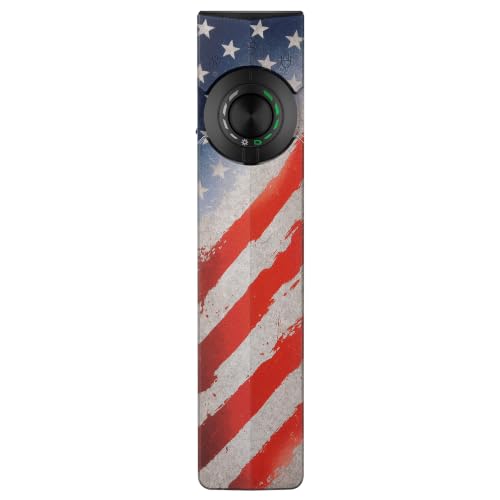
OLIGHT ArkPro EDC Flat Flashlight Stars and Stripes

CRAFTSMAN V20 LED Work Light Pivoting Head
Bitlyle Rechargeable LED Flashlight 7 Modes COB

Bitlyle Rechargeable LED Flashlight 5 Modes

Sigoobal Rechargeable Spotlight with Solar Panel

Rechargeable LED Headlamp 2-Pack 99000 LM
Meet The Standout Selections
Mounted lights earn their keep by staying out of the way until the moment you need them, and the INFORCE WMLx White Gen 2 leans into that idea with a polymer body that keeps weight down on the rail. At roughly four ounces with batteries loaded, it adds almost nothing to the front of a long gun, so handling and balance stay close to what you’d expect from the bare platform.
Where it really earns its keep is for licensed shooters and home-defense setups that demand a tough, dedicated light source. Compared with the pocket-friendly Baton4 later in this list, this one is purpose-built for a rail rather than a pocket, so it isn’t trying to be a multi-tool. Shooters who already own a standard Picatinny setup and want a no-fuss white-light solution will find a lot to like here.
Points In Its Favor
- Lightweight polymer construction keeps the front of the rifle balanced during extended carry.
- White-light beam tuned for identifying threats at handgun and carbine ranges.
- Compact footprint leaves plenty of rail real estate for optics and backup iron sights.
- Built in the USA, with quality control aimed at the defensive market.
Things To Consider
- Designed specifically for mounting, so it isn’t a fit for someone who wants one light for pocket and rifle.
- Polymer body, while light, isn’t as drop-resistant as the all-metal options on this list.
Key Specs
Who It Suits Best
Licensed shooters, home-defense oriented gun owners, and range users who want a purpose-built white light on a standard rail without adding bulk to the front end.
Consider Something Else When
The Streamlight 90545 Survivor is a smarter match for first responders and industrial workers who need a hazardous-location-rated handheld instead of a rail-mounted setup.
Few lights on the market carry the kind of safety pedigree the Streamlight Survivor brings. Class I, Division 1 intrinsic safety ratings aren’t a marketing sticker here; they’re a real signal that the light is engineered for environments where flammable vapors or dust are part of the job. The right-angle head turns the body into a clip-friendly work light that points where you look.
First responders, refinery and utility crews, and anyone working around fuel or chemicals tend to gravitate to this shape because it clips to a turnout coat and aims naturally forward. Unlike the tactical rail-mounted INFORCE up top, this is a handheld workhorse with a low-output mode that stretches runtime into double-digit hours, which matters on long shifts without a charger handy.
Everyday Wins
- Intrinsically safe rating means it can be carried into hazardous atmospheres where ordinary lights become liabilities.
- Right-angle design clips to turnout gear and points ahead without using a hand.
- Two output levels extend runtime from a few hours to over thirteen hours on low.
- High-impact nylon body holds up to two-meter drops on hard surfaces.
Worth Noting
- Output ceiling is modest compared with the higher-lumen EDC and search picks elsewhere in this guide.
- Larger than a pocket EDC, so it’s a belt or coat-clip light, not a trouser-pocket carry.
Feature Snapshot
Made For
Firefighters, refinery and chemical plant workers, and utility crews who need a certified-safe handheld that doubles as a clip-on work light.
Skip It When
The OLIGHT Baton4 Premium Edition is the better everyday-carry companion for someone who wants a smaller, rechargeable pocket light for general use rather than a hazardous-location tool.
EDC flashlights live or die on the small details, and the Baton4 Premium Edition leans into the ones that matter day to day. A magnetic tail cap snaps the light to anything ferrous, freeing both hands for the task at hand, while a sturdy two-way pocket clip keeps it secure in a jeans pocket or on a ball cap brim.
It throws 1,300 lumens from a body that disappears in a pocket, with a beam that reaches roughly 170 meters when you need to spot something at a distance. Compared with the bulkier Survivor above, this is a slimmer, rechargeable companion built for the kind of daily carry that has you fishing it out for everything from a dropped key to a late-night dog walk. The included safety lanyard adds a touch of insurance for fieldwork.
Everyday Perks
- Magnetic tail cap sticks to toolboxes, car frames, and metal shelving for hands-free aiming.
- Two-way pocket clip secures the light deep in a pocket or on a hat brim for hands-free use.
- Rechargeable battery cuts down on disposable-cell waste and ongoing cost.
- Compact size slips into a front pocket without printing like a brick.
Room For Improvement
- Higher output modes drain the cell noticeably faster, so runtime on turbo is brief.
- Premium pricing reflects the brand ecosystem, including the magnetic charging cable.
Feature Card
Right Fit For
Everyday-carry shoppers who want a slim, rechargeable pocket light that doubles as a hands-free work beam around the house or garage.
Look Elsewhere When
The Sigoobal Rechargeable Spotlight is a smarter pick when you need a long-throw search beam for boats, fields, and property rather than a pocket EDC.
The ArkPro pushes past the single-beam template by tucking four distinct light sources into a flat, pocketable body. A 1,500-lumen flood for broad lighting, an 800-lumen spotlight that reaches around 205 meters, a UV source, and a green beam each have their own role, with the green beam operating independently so you can mix and match.
For someone whose work or hobbies bounce between checking documents, scanning for leaks, and lighting a trail, that versatility shows up fast. Compared with the simpler Baton4 above, this is more of a pocketable toolbox than a single-purpose torch. The flat profile also sits differently in a pocket, which some folks love and others find unfamiliar at first.
Where It Delivers
- Four light sources let you switch between wide flood, focused throw, UV, and green beam as the task changes.
- Green beam operates independently, so you can pair it with flood or spotlight as needed.
- Flat body slides into a shirt pocket without rolling around like a round tube.
- Rechargeable cell keeps ongoing costs low compared with disposable battery lights.
Some Limits To Know
- More onboard modes mean a slightly steeper learning curve for first-time owners.
- Green beam output is rated at 5 mW Class 3R, so it isn’t a toy and should be treated with eye safety in mind.
- Premium tier pricing, since you’re paying for the multi-source engineering.
Best Suited To
Hobbyists, technicians, and outdoorsy types who want one pocket light that handles inspection work, navigation, and general illumination without carrying a second tool.
Reach For A Different Pick When
The OLIGHT Baton4 Premium Edition makes more sense for someone who values a simpler, slimmer tube shape and doesn’t need UV or green-beam capability.
Jobsite lighting is its own discipline, and the CRAFTSMAN V20 leans into that with a pivoting head that aims the beam exactly where the work is happening. The cordless design pulls power from the same V20 battery platform that already drives a lot of homeowner toolboxes, so the light can share a charger with drills and saws.
Output tops out at 140 lumens, which is modest against the EDC torches earlier in this guide, but for close-quarters task lighting under a sink hood or behind an engine bay, lumens matter less than aim and stability. Compared with the tactical INFORCE WMLx at the top of the list, this is firmly a stationary work light rather than a moving beam. Owners already invested in the V20 platform will find it slots in naturally.
Real Benefits
- Pivoting head lets you angle the beam into engine bays, crawlspaces, and under cabinets.
- Shares the V20 battery platform with other CRAFTSMAN tools, so charging stays centralized.
- Compact handheld size fits easily on a toolbox shelf between uses.
- LED bulb delivers extended runtime without the heat of older incandescent work lights.
Points To Note
- Battery and charger sold separately, which raises the entry cost for shoppers without existing V20 tools.
- 140-lumen output is modest for anything beyond arm’s-length task lighting.
Whose Shelf It Belongs On
DIYers, mechanics, and homeowners already using the CRAFTSMAN V20 platform who want a familiar battery, a familiar charger, and a pivoting beam for cramped repairs.
Swap It Out When
The Bitlyle 7-Mode Rechargeable Flashlight with COB side light is a better fit for someone who wants a single flashlight that handles both a focused throw and a wide work flood in one body.
Two beams in one body are the headline feature here. A forward-facing LED throws a long spotlight that reaches across a backyard or campsite, while a side-mounted COB (chip-on-board) array lays down a wide, even flood that’s well suited to setting up a tent or working on a roadside repair. Seven output modes include the usual high, medium, low, strobe, and SOS pattern.
Rechargeable power tops off in roughly three to four hours, which keeps it ready between weekend trips without much fuss. The honest read is that the headline lumen figure is aspirational and real-world output lands well below it, but for most camping and emergency-kit scenarios, that doesn’t change the practical value. Compared with the work-focused CRAFTSMAN earlier, this one doubles as a long-distance thrower.
The Helpful Details
- Dual-beam design pairs a focused throw with a wide COB work flood for campsite and roadside use.
- Seven modes include strobe and SOS, which come in handy for signaling during roadside emergencies.
- Rechargeable battery cuts out the ongoing cost and waste of disposable cells.
- Waterproofing gives some insurance against rain and accidental drops in puddles.
Honest Caveats
- Manufacturer lumen claims tend to read far higher than measured output, so don’t size your expectations to the headline number.
- Side COB panel is more useful when the light is set down or hung, less so when it’s handheld.
Who Should Grab It
Campers, families building an emergency kit, and weekend outdoorsmen who want one flashlight that handles both trail spotting and tent-side task lighting.
Not Your Match When
The CRAFTSMAN V20 is the better pick for someone whose work happens at arm’s length on a bench and who already lives inside the V20 battery ecosystem.
For shoppers who want a long-throw handheld without paying for a premium name, this Bitlyle model keeps the feature set focused. A 3,280-foot rated reach on a dark night, five output levels, and a rechargeable cell cover the basics that matter most for general-purpose use around the home and campsite.
Where this differs from the 7-mode sibling above is simplicity: a cleaner mode dial without the COB side panel keeps the body slimmer and the controls more intuitive. It’s the kind of light you toss in a drawer, a glove box, or a go-bag without much ceremony. The honest read for most buyers is that real output sits well below the headline lumen claim, so size your expectations accordingly.
Where It Helps
- Slim, simple body fits a kitchen drawer, glove box, or go-bag without bulk.
- Five-mode interface avoids the menu-diving that plagues some over-moded lights.
- Rechargeable battery reduces ongoing cost compared with disposable-cell lights.
- Waterproofing adds a layer of insurance for outdoor and emergency scenarios.
Trade-Offs
- Headline lumen ratings are aspirational, so real-world brightness is much lower than the number suggests.
- No side flood panel means less flexibility as a campsite task light compared with the 7-mode Bitlyle.
Perfect Match For
Gift-givers and practical shoppers stocking backup lights for cars, closets, and emergency kits on a modest budget.
Another Choice May Suit
The Bitlyle 7-Mode COB model is the smarter pick when a side work flood matters as much as a long-distance throw.
Searchlight-class beams live in their own category, and the Sigoobal makes a strong case for the buyer who needs serious throw. The P90 chip pushes a tight beam out to multi-thousand-foot distances on paper, with a side panel for broader illumination when the situation calls for it. Solar panels on the body offer a trickle-charge option for extended trips away from outlets.
Boaters, hunters, and property owners clearing long fence lines tend to be the audience here. Compared with the OLIGHT Baton4 earlier, this is bigger, heavier, and built around distance rather than pocketability. In most cases, the headline lumen rating reads higher than measured output, so plan accordingly if you’re matching it to a specific task.
Useful Strengths
- Long-throw beam is well suited to spotting landmarks, treestands, and shoreline features from a distance.
- Solar panels on the body extend runtime between plug-in charges for off-grid trips.
- Large searchlight body doubles as a stable base when set on the ground.
- Side flood panel handles campsite illumination once the long-throw work is done.
Points To Keep In Mind
- Manufacturer lumen ratings sit well above measured output, so don’t size the purchase to the headline figure.
- Heavier than a pocket EDC, so it lives in a truck, boat, or pack rather than a pocket.
Technical Highlights
Built With In Mind
Boaters, hunters, and property owners who need a long-throw beam for marking distant objects and a side flood for camp setup.
Where Another Pick Suits Better
The OLIGHT Baton4 Premium Edition is the better everyday companion for someone who needs a slim pocket light rather than a full-size searchlight.
Hands-free lighting changes the math for runners, campers, and anyone doing two-handed work in the dark. This 2-pack headlamp aims the beam where your head points, with a 90-degree tilt that lets you drop the light toward your hands without bending your neck. IPX6 waterproofing handles the kind of heavy rain that would sideline lesser lights.
Seven modes cycle through flood and spot combinations, with rated runtime stretching past 20 hours on lower settings. The honest read on the headline lumen count is that real-world output is much lower, but the form factor does most of the heavy lifting. Compared with the Bitlyle 5-mode flashlight earlier, this is the right pick when keeping both hands free matters more than maximum throw distance.
Notable Upsides
- Hands-free design frees both hands for hiking poles, tools, or a kid on your shoulders.
- 90-degree adjustable angle aims the beam at work surfaces without craning your neck.
- IPX6 waterproofing holds up against heavy rain and accidental splashes.
- Two-pack pricing lets you stash one in a car and one in a pack without stretching the budget.
- Long runtime on lower modes covers multi-day trips without daily recharging.
Practical Considerations
- Headline lumen figures outpace measured output by a wide margin.
- Elastic headband fit varies by head size and hat use, so adjust carefully for long runs.
Who Will Love This
Trail runners, campers, and home project-doers who need both hands free and prefer a wearable beam over a handheld.
A Better Fit Elsewhere
The Bitlyle 7-Mode COB flashlight is the better pick for someone whose light spends more time on a tabletop than on a forehead.
What Matters Most When Picking A Flashlight
Match The Light To The Job, Not The Spec Sheet
A tactical rail light, a pocket EDC, and a campsite searchlight solve different problems. Before looking at lumen numbers, think about where the light will spend most of its time: in a pocket, on a rifle, on a workbench, or in a glove box. Matching the form factor to the use case tends to matter more than chasing the highest output figure.
Beam Shape Beats Raw Lumens For Most People
Lumens measure total output, but beam profile (flood versus throw) decides whether the light reaches across a yard or fills a tent. A tight, focused beam reaches distance, while a wide, even flood lights up close tasks without harsh hot spots. Buyers who do both should look for a dual-beam or COB side-panel design.
Power Source And Runtime Are Real Ownership Costs
Rechargeable lights cut ongoing battery costs and waste, but they tie you to a charging routine. Disposable-cell lights run anywhere but cost more per hour of use. For an emergency kit, a rechargeable light with a long runtime on low, plus a backup power source, covers more scenarios than either option alone.
Weight, Grip, And Carry Method Matter Daily
A light that’s uncomfortable in a pocket or awkward on a rail tends to stay in a drawer. Pocket clips, magnetic tails, right-angle heads, and headlamp straps all change how often you’ll actually reach for the light. Buyers who already own a battery platform should consider lights that share it to keep charging simple.
Key Considerations Across These Picks
Common Shopping Slip Ups
The biggest trap in this category is chasing headline lumen numbers without checking beam profile or build quality. Many budget lights advertise eye-popping output figures that fall well short of those numbers in actual measurement. Look at runtime on the mode you’ll use most, the ingress rating for your environment, and the carry system that matches how you’ll actually carry it.
Where The Extra Money Goes
Higher-tier lights justify their cost with better beam regulation (steady output as the battery drains), tougher housing materials, smarter thermal management, and more reliable switches. The OLIGHT models in this guide, for instance, pair pocket-friendly designs with magnetic charging and magnetic tail caps that budget lights rarely match. The upgrade pays off when you carry the light daily, but for occasional glove-box duty, a budget pick handles the job just fine.
Frequently Asked Questions
What Lumens Do I Really Need In A Flashlight?
For most around-the-house use, 200 to 500 lumens handles daily tasks comfortably. Camping, trail walking, and search scenarios typically benefit from 800 lumens or more, while pocket EDCs in the 1,000+ lumen range offer headroom without much added size.
Are Rechargeable Flashlights Worth It Over Disposable Battery Models?
Rechargeable lights save money over time, run more consistently, and reduce waste. They do require a charging routine, so keeping a power source handy, or a backup disposable-cell light in the kit, covers situations where recharging isn’t possible.
How Important Is Waterproofing For An Everyday Flashlight?
For a glove-box or emergency light, water resistance is essential. For a desk-drawer EDC, it’s less critical. An IPX4 rating handles rain and splashes, while IPX6 and above stand up to jets of water and brief immersion.
Do I Need A Separate Light For My Firearm And My Pocket?
It depends on whether you want to mount a light permanently to a rail. Many people keep a rail-mounted light for the firearm and a separate pocket EDC for daily tasks, since each is engineered for a different grip and use pattern.
How Often Should I Replace Or Recharge My Flashlight?
Rechargeable lights benefit from a top-off every few months even when unused, so the battery stays healthy. Disposable-cell lights should have their batteries checked twice a year and replaced if there’s any sign of corrosion or age.
Bottom Line
The right flashlight is the one that matches how you actually carry and use it, from a rail-mounted defensive beam to a pocket EDC, a pivoting work light, or a hands-free headlamp. Pick the form factor first, then match the output, runtime, and ruggedness to the scenarios you face most, and the rest of the decision tends to fall into place.