

Swapping out older bulbs is one of those tiny home projects that quietly pays you back month after month. The trouble is that “energy saving light bulbs” now spans everything from candelabra night lights to freezer replacements, and the wrong base or color temperature turns a quick swap into a return trip. I put this roundup together so you can match each fixture in your house to a specific bulb and skip the guesswork.
Your Options, Compared

TJOY 12 Pack G9 LED Bulb, 40W Equivalent, 3000K

Creative Hobbies LED Night Light Bulbs, C7 Candelabra Base (25)
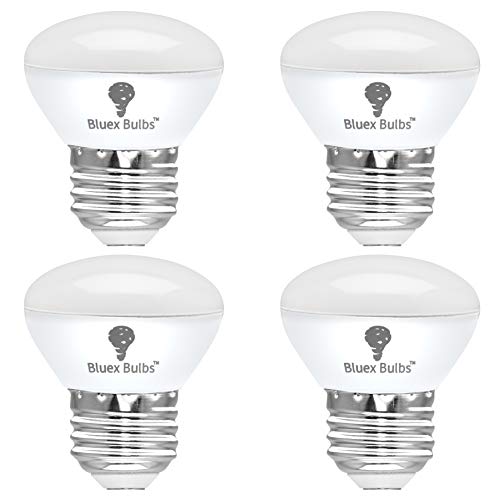
Bluex Bulbs 4 Pack R14 LED Bulb, Dimmable, 2700K
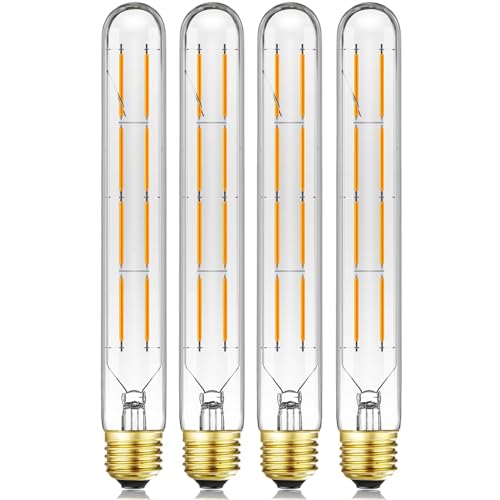
Duoled E26 LED Tubular Light Bulb, 75W Equivalent, 8W

Austin Coast 25-Pack C7 LED Replacement Bulbs, E12

Dekang 16-Pack LED Vanity Light Bulbs, 4000K, G25 Globe

Megereet KEI D28X E17 Refrigerator Bulb, 3W, 5000K
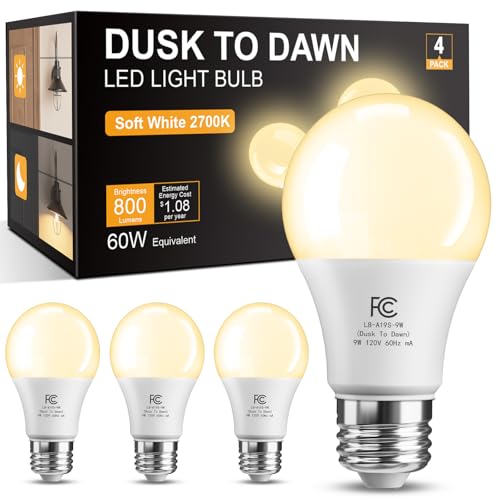
TJOY Dusk to Dawn LED Bulb Outdoor, 9W, 2700K
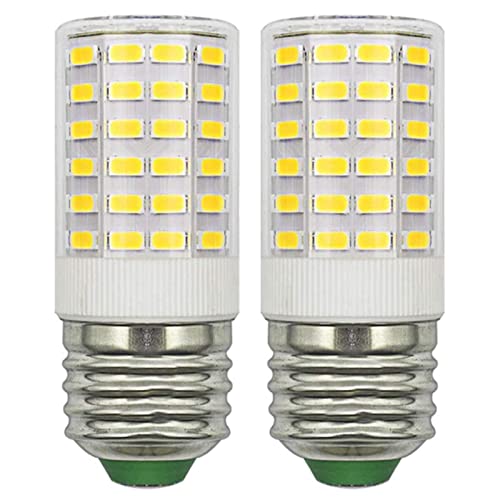
ZHENMING E26 Refrigerator Light Bulb, 7W, 6000K

Legental GU24 LED Puck Light Bulb, 10W, 5000K, 2 Pack
The Strengths Of Each Pick
For most homes, the trickiest swap is the G9 base tucked inside chandeliers, pendants, and under-cabinet fixtures, so I appreciate that TJOY bundles a dozen in one box. The 3000K color temperature (a measure of how warm or cool the light appears) lands in soft warm territory, which keeps dining rooms and bedside sconces comfortable rather than clinical. CRI 85+ means colors look reasonably true, helpful when you are judging a paint swatch or plating food at the table.
The 32-LED cluster design pushes light out 360 degrees with no dark pockets, which matters in a multi-arm chandelier where one bad bulb ruins the symmetry. Compared with the Creative Hobbies candelabra bulbs further down the list, these run cooler and brighter, so they suit open fixtures more than sealed night-light sockets. You will want to confirm your fixture lists a G9 base before ordering, since the small two-pin footprint catches a lot of people out.
Where It Helps
- Replaces 40W halogen output using far less wattage, trimming draw across an entire chandelier.
- Flicker-free startup is gentler on eyes during late-night kitchen runs.
- 360-degree beam pattern eliminates shadows under multi-arm fixtures.
- Twelve-bulb pack keeps spares on hand for the next hard-to-find burnout.
- Compact G9 footprint fits crystal pendants where a standard A19 bulb simply will not reach.
Things To Consider
- Not dimmable, so pairing with an existing dimmer switch may require bypassing the dimmer or accepting flicker.
- The small base can be tricky to seat by feel; owners commonly recommend gripping with a cloth to avoid finger strain.
Key Specs
Who It Suits Best
Homeowners with chandeliers, pendants, or under-cabinet fixtures that use the small G9 base and want a soft warm glow without rewiring.
Look Elsewhere When
The Creative Hobbies C7 night-light bulbs make more sense for window candles and holiday strings where candelabra bases and lower output are essential.
If your holiday string lights have started to look like a constellation with a few dim stars, the C7 candelabra base is the standard screw-in form for those little bulbs. Creative Hobbies ships a 25-pack rated at 4-7W equivalent with a 2700K tone (2700K is the warm white that mimics classic incandescent glow) that keeps the nostalgic look without the energy bill. The C7 designation refers to the teardrop bulb shape, a half-inch wider than the candlestick C9.
Compared with the TJOY G9 chandelier bulbs above, these run cooler to the touch and are designed for low-output decorative sockets. They drop into electric window candles, indoor night lights, and most patio string sets that take an E12 base. You may find the 60-lumen output too soft for reading, but for ambient holiday sparkle that is exactly the point.
Standout Benefits
- Soft 2700K glow preserves the warm vintage feel of older string lights.
- 25-pack quantity covers a typical patio string plus a few spares.
- C7 E12 candelabra base is the standard for window candles and night lights.
- Low wattage keeps multi-string displays cooler and safer to handle.
Trade Offs
- Glass construction means drops on a patio can shatter, unlike the plastic-shelled Austin Coast set.
- Not rated for wet locations, so uncovered outdoor use in rain may shorten lifespan.
Who Will Love This
Hosts running indoor window candles, bedroom night lights, or covered patio strings who want the warm incandescent look without rewiring.
Reach For A Different Pick When
The Austin Coast 25-pack C7 LED replacements are a better match for uncovered outdoor strings where plastic shells resist weather.
The R14 mini reflector is one of those bulbs most people forget exists until a curio cabinet or range hood goes dark. Bluex packs four 4W reflectors rated as a 40W equivalent with full-range dimming, which gives you far more control than the non-dimmable vanity bulbs further down this list. The E26 medium screw base (E26 is the standard household screw base used across North America) is what most track lighting and recessed fixtures accept, so installation is just a twist.
At 2700K, the beam reads warm and welcoming, which suits display glassware, family photos, or any spot where you want the light to flatter rather than interrogate. You may find the narrow flood pattern a tight fit for larger rooms, since R14 is intentionally small. For tight, accent-driven applications that is the right call.
Points In Its Favor
- True 0-100% dimming for cabinet and accent displays without flicker or buzz.
- Compact R14 shape reaches fixtures that block longer bulbs.
- 2700K warm output flatters wood tones and decorative glass.
- Four-pack handles a small ceiling run or leaves spares for next time.
Worth Noting
- Narrow reflector footprint makes it a poor choice as a room’s main overhead bulb.
- Dimmable performance depends on the existing switch; older dimmers may need replacing.
Feature Snapshot
Built With In Mind
Collectors lighting curio cabinets, jewelry displays, or small accent nooks who want dimmable warm white in a compact reflector.
Swap It Out When
The Dekang vanity globe set is a better fit when you need 4000K daylight and a larger G25 shape for bathroom mirrors.
Tubular LED filament bulbs scratch a specific itch: you want the warm vintage look of an old Edison tube without paying an old Edison tube’s electricity bill. Duoled runs an 8W LED filament inside a clear glass envelope to push 800 lumens, hitting 75W equivalent output through a 360-degree beam. The 8.9-inch length suits vanity bars, sconces, and exposed pendant fixtures where a standard A19 would look out of scale.
Compared with the compact R14 reflectors above, these are statement pieces that want to be seen. The dimmable driver works smoothly when paired with a compatible LED dimmer, so you can drop a row of them over a bathroom mirror for spa ambiance. The trade-off shows up in fixtures with tight shrouds, where the long tube simply will not fit.
Real-World Strengths
- Edison-style filament gives exposed fixtures a warm vintage character.
- 75W equivalent at 8W makes a row of bulbs affordable to leave on for hours.
- Clear glass envelope keeps the look consistent on and off.
- Dimmable design suits moody restaurant-style kitchens or baths.
Honest Caveats
- Long tubular shape will not seat inside shallow recessed cans.
- Filament design is decorative; expect a more focused beam than a frosted bulb.
The Right Fit
Design-minded renovators lighting exposed bathroom sconces, vanity bars, or accent pendants where the bulb itself is part of the decor.
Consider Something Else When
The Bluex R14 reflector is a better match for tight recessed and curio applications where a long tube simply will not fit.
Uncovered patio strings and the occasional lawn party are where glass bulbs tend to die early. Austin Coast builds these C7 replacements with a plastic shell instead of glass, which shrugs off bumps and poolside splashes far better than the Creative Hobbies glass set above. At 0.6W each with a 25,000-hour lifespan, the energy draw across a full patio string is essentially negligible.
The warm C7 tone pairs nicely with vintage-style patio string lights where the goal is a soft amber glow, not stadium lighting. They also work as chandelier accent bulbs in covered outdoor kitchens. You will want to double-check your string is wired for LED, since older C7 strings with dimmer controls can flicker with these.
Noteworthy Benefits
- Plastic shell resists drops and weather on exposed patio strings.
- 0.6W draw makes a 25-bulb string economical to leave on for evening gatherings.
- 25-bulb count covers a full patio run plus spares for future failures.
- C7 shape and E12 base match most standard patio string sets.
Points To Keep In Mind
- Plastic shells do not deliver the glass sparkle some decorators prefer for indoor window candles.
- Older C7 dimming strings may need rewiring to play nicely with LED drivers.
Made For
Patio owners running exposed string lights through three or four seasons who want fewer mid-summer bulb swaps.
A Better Fit Elsewhere
The Creative Hobbies C7 set reads warmer indoors and suits window candles where glass sparkle matters.
CRI, or Color Rendering Index, measures how accurately a bulb shows the true colors of what it lights. The higher the CRI (on a 0-100 scale), the closer objects look to their real-life color. Bathroom lighting is the most common place where the wrong bulb ruins a morning routine. Dekang delivers a 4000K natural daylight tone (a clean white that sits between warm and cool) in a round G25 globe that drops into most Hollywood-style vanity bars. The 85+ CRI is the headline number here, since accurate skin tones matter when you are blending foundation or checking a shave.
Each bulb runs 5W for a 60W equivalent at 500 lumens, and a 16-pack covers a long vanity strip with bulbs left over for the next round. The wide 270-degree spread fills a mirror evenly without the hot spots you get with a directional reflector. The honest read is that these are not dimmable, so older vanity bars wired through a dimmer will need the dimmer removed or bypassed.
Benefits That Matter
- 4000K tone balances warm and cool for makeup application and shaving alike.
- 85+ CRI helps foundation look right the first time.
- Sixteen-bulb count covers a full vanity strip with spares.
- Round globe shape reads modern compared with old flame-tip vanity bulbs.
- E26 base fits standard Hollywood mirror fixtures.
Room For Improvement
- Non-dimmable design clashes with vanity bars on dimmer switches.
- 500 lumens per bulb reads bright in small powder rooms.
Quick Facts
Best Suited To
Anyone rebuilding a bathroom vanity who wants accurate color rendering for makeup or shaving without rewiring the dimmer.
Not Your Match When
The Bluex R14 reflector set covers curio cabinets and accent nooks where dimmable warm white fits better.
Refrigerator and freezer bulbs live a hard life: constant on-off cycles, cold temperatures, and an enclosed housing that traps heat. The Megereet KEI D28X is built around an E17 intermediate screw base (E17 is the smaller screw base found inside many appliance compartments) at 3W with a 5000K cool white tone. That cooler color temperature helps you spot leftovers and expiration dates faster than the warmer tones common in older fridge bulbs.
Compared with the brighter ZHENMING E26 bulb further down the list, this one runs at half the wattage and fits the smaller base used in many Frigidaire, Kenmore, and Electrolux models. You will want to verify the base size by removing the old bulb first, since E26 bulbs will not seat in an E17 socket. Once installed, the cooler temperature output makes sense in appliance interiors where clarity beats warmth.
Strengths Worth Knowing
- E17 base fits many Frigidaire, Kenmore, and Electrolux models directly.
- 5000K cool white helps identify leftovers and dated packaging.
- Low 3W draw suits enclosed fridge housings with limited heat dissipation.
- Replacement-style form factor installs in moments with no rewiring.
Worth Bearing In Mind
- E17 size is not universal; older GE and Whirlpool models may use an E26 base instead.
- Cool tone reads harsh in a kitchen where warmer hallway light bleeds in.
Right Fit For
Appliance owners with E17-base fridges from Frigidaire, Kenmore, or Electrolux who want a cooler, clearer interior glow.
Look Elsewhere When
The ZHENMING E26 refrigerator bulb fits larger fridge interiors and brands that use a standard medium base.
Outdoor lighting lives or dies by the routine of remembering to flip the switch. TJOY packs a small photocell sensor (a light-sensing component that detects ambient brightness) inside a standard A19 form factor, so the bulb knows to fire up at dusk and shut off at dawn without any smart home setup. The 9W draw at 60W equivalent keeps patio and porch fixtures affordable to run through the night.
The 2700K tone matches typical porch lighting, so it does not feel jarring when you walk outside after dark. The sensor is tuned to ignore nearby fixtures, so it will not get confused by a streetlight or a neighboring porch lamp. For most homes, the trade-off shows up in deeply shaded porches where the sensor may struggle to read true sunset conditions.
What Works In Its Favor
- Built-in photocell automates on/off without timers or smart home hubs.
- 9W draw is friendly to fixtures left on all night.
- 2700K warm tone matches existing porch lighting without clashing.
- Standard A19 shape fits most outdoor-rated fixtures.
Soft Spots
- Sensor may struggle under deep porch eaves where ambient light stays low all day.
- Photocell cannot be overridden easily if you want the bulb off during a patio party.
Whose Shelf It Belongs On
Homeowners tired of forgetting porch lights who want set-and-forget automation without adding a timer or hub.
Another Choice May Suit
The Duoled tubular filament is a better match when you want vintage flair indoors rather than automated outdoor glow.
Some fridges demand real brightness to read labels at the back of the shelf. ZHENMING pushes 950 lumens out of a compact 1.12 by 2.95-inch package, which is bright enough to light up the produce drawer of even larger French-door models. The 6000K cool white tone (a crisp, slightly blue-leaning daylight) reads clinical, so it is best in utilitarian appliance settings rather than open kitchens where the spillover hits dinnerware.
Versus the Megereet E17 bulb above, this one runs at the standard medium E26 base and roughly double the output. That makes it the right call for GE, Whirlpool, and Samsung models that use the larger screw base. Owners commonly caution against installing it on a dimmer switch, since flicker and shortened lifespan are the usual result.
Where It Delivers
- 950 lumens lights deep fridge interiors where the back shelf is hard to read.
- E26 medium base fits most GE, Whirlpool, and Samsung refrigerators.
- Compact tubular shape tucks inside shallow appliance housings.
- Wide voltage range works on household current in many countries.
A Few Limitations
- 6000K tone reads blue-cold next to warm kitchen lighting.
- Not compatible with dimmer switches and may flicker if one is in the circuit.
- Higher output creates more heat in enclosed housings than lower-wattage options.
Perfect Match For
Anyone replacing a burned-out fridge bulb in a larger appliance with an E26 base who wants bright, clear shelf lighting.
Skip It When
The Megereet E17 cooler-temperature bulb is the better fit for Frigidaire and Kenmore models that use the smaller intermediate base.
The GU24 twist-lock base is the odd one out in most homes, but it shows up in newer ceiling flush mounts, kitchen puck lights, and some retrofit downlights. Legental replaces the older 18W CFL (compact fluorescent) puck with a 10W LED that puts out 1000 lumens at 5000K. The two-pin twist-and-lock action takes a moment to learn, then becomes second nature.
Compared with the Dekang vanity globes earlier in the list, this bulb runs cooler in tone and packs a brighter punch into a much smaller puck. The wide voltage range (120-277V) is helpful in workshops or garage conversions on non-standard circuits. You may find the cool daylight tone too clinical in a living room, but for utility spaces it does its job.
Everyday Advantages
- Twist-lock GU24 base matches modern ceiling flush mounts and kitchen pucks.
- 1000-lumen output handles task lighting in workshops and garages.
- Wide voltage range suits non-standard electrical circuits.
- 10W draw cuts energy use roughly in half versus the 18W CFL it replaces.
Practical Considerations
- Cool 5000K tone reads harsh in living spaces with warmer finishes.
- GU24 base limits compatibility to fixtures specifically designed for it.
Made For
Homeowners with GU24-base ceiling flush mounts or kitchen puck arrays who want brighter, cooler output for task lighting.
Not Your Match When
The Dekang vanity globe set is the better fit for standard E26 vanity and bathroom mirror applications.
What Matters Most When Choosing Energy Saving Light Bulbs
Match The Base Before The Wattage
Most returns in this category come from base mismatches, not performance issues. Pull the old bulb and check the socket: G9 is a two-pin setup, E12 is a small candelabra screw, E17 is the intermediate screw common in appliances, E26 is the standard household screw, and GU24 is the twist-and-lock two-prong. Picking the right base first cuts your shortlist to only the bulbs that physically fit your fixture.
Color Temperature Changes The Whole Room
Kelvin ratings sound technical, but the effect is immediate. Below 3000K reads warm and cozy, which suits living rooms and bedrooms. The 3500-4500K band is a balanced neutral that flatters kitchens and home offices. Anything 5000K and above reads crisp and clinical, which is useful in workshops, garages, and bathroom mirrors but jarring in dining rooms.
CRI Matters For Color Accuracy
CRI 80 is acceptable for general use, but anything 85 and above makes a real difference in bathrooms, dressing areas, and kitchens where you care about how food or makeup reads. For accent lighting in display cases or art walls, look at the CRI rating closely.
Dimmable Or Not Saves A Rewiring Headache
Dimmable LEDs cost a bit more but pair correctly with compatible LED dimmer switches. Non-dimmable bulbs can flicker, hum, or fail early when paired with dimmers. If your switch is a dimmer, choose a dimmable bulb. If your switch is a standard on/off, save the money and go non-dimmable.
Key Considerations Across These Picks
Wrong Turns To Avoid
The most common mistake in this category is choosing a bulb purely on wattage equivalent rather than base and color temperature. A “60W equivalent” bulb in the wrong base still will not seat, and a 5000K bulb in a dining room ruins the mood. Always verify the base size and Kelvin rating before adding to cart, and resist the urge to standardize one bulb type across every fixture in the house.
What Separates Premium From Basic
Higher-tier bulbs in this category tend to deliver longer rated lifespans, better dimmer compatibility, and tighter CRI consistency from bulb to bulb. The premium shows up in fixtures that run for hours each day, like porch lights and vanity strips, where cheaper bulbs often drift in color temperature over the first 6-12 months. For accent or holiday strings used briefly, a budget option is usually fine.
Frequently Asked Questions
How many lumens do I need to replace a 60W bulb?
A 60W incandescent typically puts out around 800 lumens, so look for an LED rated near that number. Lower lumen ratings work fine for accent and decorative fixtures where the goal is mood rather than task lighting.
Are LED bulbs really cheaper to run than the older ones?
Yes, the wattage gap is significant: a 9W LED replacing a 60W incandescent cuts energy use by roughly 85 percent. Over a year of typical use, that difference shows up clearly on the utility bill.
Can I put an LED bulb in any fixture?
Not always. Enclosed fixtures trap heat, which can shorten LED lifespan, and some dimmer switches are not compatible with LED drivers. Check the fixture rating and dimmer compatibility before swapping.
How long do energy saving bulbs actually last?
Most LEDs in this category are rated between 15,000 and 30,000 hours, which translates to roughly a decade of typical residential use. Heat, frequent on/off cycling, and incompatible dimmers can shorten that real-world lifespan.
What is CRI and when should I care?
CRI measures how accurately a bulb renders colors on a 0-100 scale. Care about it in bathrooms, vanity mirrors, kitchens, and anywhere you judge the color of food, makeup, or clothing.
Closing Remarks
The right energy saving bulb is the one that fits your fixture, matches your color temperature, and renders colors accurately for the room’s purpose. Start with the base, decide on the Kelvin range, then pick the CRI and dimming features that match how you actually use the space. That short checklist keeps the upgrade from turning into a string of returns.