

I’ve spent enough time squinting under dim garage bulbs and replacing burnt-out work lamps to know how much the right 300w-class bulb matters. Whether you’re lighting a basement workshop, a backyard shed, or restoring an old slide projector, the right choice turns a frustrating space into one you actually want to use. This guide breaks down nine solid options, from energy-sipping LEDs to true vintage incandescents, so you can match the bulb to the job.
A Side-By-Side Look

GT-Lite LED Garage Bulb 60W (300W Equivalent) 6,000 Lumen

GT-Lite 3000 Lumen LED Garage Light 300Watt Equivalent

Eiko 02850 EXR Projector Light Bulb

GT-Lite 15,000 Lumen LED Adjustable 4 Panel Bulb 140W

SANSI 400W Equivalent 6000 Lumens LED Light Bulb

SANSI 250W Equivalent LED Light Bulb 4000 Lumens E26
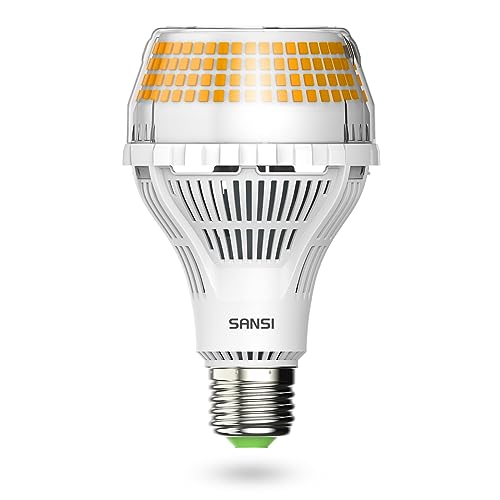
SANSI 400W Equivalent A21 LED Light Bulb 3000K 6000 Lumens

Technical Precision 300W 120V Bulb for GAF 2680 Slide Projector
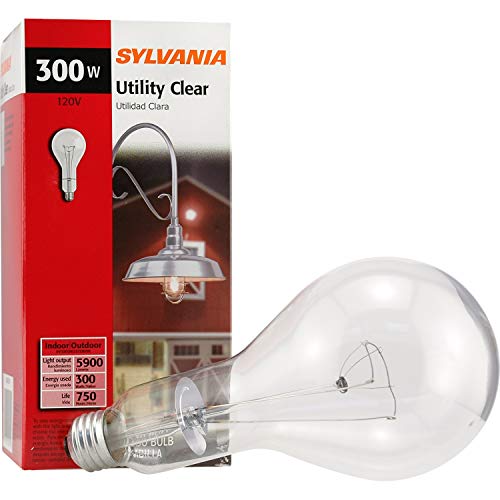
Sylvania Incandescent 300 Watt Utility Light Bulb PS30 E26
A Breakdown Of The Leading Choices
I think of this GT-Lite as the modern stand-in for the old 300w shop bulb, and it lands that role well. It screws into a standard E26 socket, the same medium screw base found on everyday table lamps, so swapping it into an existing garage fixture takes seconds.
The light output rivals a 300-watt incandescent while pulling only 60 watts, which translates to real savings over a workshop that runs for hours each evening. For most homeowners replacing a tired halogen or CFL, this is the easiest upgrade on the list.
What Pays Off
- 6,000 lumens of output from a 60-watt draw, giving you genuine 300w-class brightness on a fraction of the electricity.
- 30,000-hour rated life, often translating to over two decades of typical garage use before a swap is needed.
- A protective LED shield that helps keep dust and moisture off the diodes in a working shop.
- Standard E26 medium base that fits common household and garage sockets.
Things To Consider
- Not designed for enclosed fixtures, so a sealed housing can shorten its working life.
- Produces a fixed color tone, with no dimmer compatibility, so mood lighting is off the table.
Who It Suits Best
Homeowners tackling weekend projects in a two-car garage who want bright, reliable light without rewiring anything.
Where Another Pick Suits Better
Anyone running a large workshop or barn should reach for the GT-Lite 15,000 Lumen 4 Panel Bulb, since that fixture covers more floor area from a single socket.
Where the first GT-Lite is a flat replacement bulb, this one aims the light where you actually need it. The panels pivot up and down 90 degrees and rotate 180 degrees around the base, which I find genuinely useful when one corner of the bench stays dim.
The daylight-white 5000K color reads clean and crisp, similar to what you get from a window on an overcast morning. For most hobbyists working on a single car bay or a basement shop, the adjustability makes this a more flexible pick than the fixed-panel alternative above.
The Upside
- Adjustable panels let you redirect light toward a workbench, engine bay, or shelf without buying extra fixtures.
- 3,000 lumens from only 30 watts, matching a 300w incandescent at a fraction of the energy draw.
- 5000K daylight tone that helps with color matching for paint touch-ups or detail work.
- Standard E26 base that drops into existing sockets.
Honest Caveats
- Lower output than the 6,000-lumen GT-Lite, so larger spaces may feel underlit.
- The hinged panels are exposed and can collect dust in a busy shop.
Made For
Hobby mechanics and woodworkers who need a single bulb they can aim at different tasks throughout the week.
Swap It Out When
You need sheer output and reach, in which case the GT-Lite 15,000 Lumen 4 Panel Bulb covers more square footage.
The Eiko EXR is not a general-purpose bulb, and that is exactly why it earns its spot here. It is a true incandescent projector lamp built for 82-volt slide and stage setups, with a GX5.3 bi-pin base that fits specific professional fixtures.
The 3,350K color temperature sits in a warm-neutral range that flatters film and slide imagery. I see this as the right match for someone maintaining a working projector, not someone lighting a workshop.
The Good Stuff
- 3,350K color temperature suited to slide projection and stage use.
- 300W output in the 82V class, designed for professional projector sockets.
- GX5.3 bi-pin base that matches many older projector models.
Points To Keep In Mind
- 35-hour average life, so this is a consumable rather than a long-term install.
- Specialized voltage and base mean it will not fit a standard household socket.
Right Fit For
Vintage projector owners and small studio operators who need a specific replacement lamp rather than a room bulb.
A Better Fit Elsewhere
Anyone looking to light a workshop should skip this and consider the Sylvania Incandescent 300 Watt Utility Light Bulb PS30, which works in standard fixtures.
When a single 6,000-lumen bulb is not enough, this four-panel GT-Lite takes the next step up. It pushes 15,000 lumens from 140 watts while folding out into a shape that throws light in nearly every direction.
I think of this as the “warehouse-class” choice for serious workspaces, since each panel moves independently and folds flat for storage. For most home garages it is overkill, but a two-story barn or detached workshop is where it earns its keep.
Bright Spots
- 15,000-lumen output rivals older 750W incandescent setups on a fraction of the wattage.
- Four independently adjustable panels for omnidirectional coverage.
- 30,000-hour rated life that drops maintenance in hard-to-reach fixtures.
- Daylight 5000K tone for clear task visibility.
Practical Considerations
- Not for enclosed fixtures, so it needs an open socket or a wire-cage pendant.
- The four-panel shape adds bulk that may not fit tight ceiling cans.
Feature Snapshot
Best Suited To
Owners of large shops, pole barns, or auto garages who need commercial-grade coverage from a standard socket.
Not Your Match When
You only need to light a single bay, in which case the GT-Lite 3000 Lumen LED Garage Light covers the basics for less.
SANSI positions this as their brightest consumer LED, and the spec sheet backs that up at 6,000 lumens from 40 watts. It uses ceramic heat-dissipation tech rather than the all-plastic shell common in cheaper bulbs.
The non-dimmable design is a deliberate trade: skipping dimmer circuitry lets SANSI push the lumen count higher. For most people running a fixed overhead fixture, that is a worthwhile swap.
Standout Benefits
- 6,000 lumens from 40 watts, beating the GT-Lite in efficiency per watt.
- Ceramic body that handles heat better than typical plastic LED shells.
- Flicker-free optical lens design for comfortable reading or detail work.
- Standard E26 base for everyday fixtures.
Worth Noting
- Not dimmer-compatible, so it needs an on/off switch only.
- Higher lumen output in a single bulb can feel harsh in small rooms.
Who Should Grab It
Homeowners replacing a single ceiling fixture who want commercial-grade brightness without rewiring the switch.
Look Elsewhere When
You want warmer light, in which case the SANSI 400W Equivalent A21 LED at 3000K reads softer in living areas.
This SANSI sits one rung below the 6,000-lumen model, and that is precisely why it works for ordinary rooms. At 4,000 lumens and 25 watts, it replaces a 250W incandescent, which historically was the workhorse for kitchen and laundry ceilings.
You get the same ceramic thermal design as its bigger sibling in a more manageable output. I think this is the easier everyday pick for people stepping away from older 250W bulbs.
Real Benefits
- 4,000 lumens from 25 watts, a clean swap for legacy 250W household bulbs.
- Ceramic body that handles heat well in enclosed-ish fixtures.
- Flicker-free output that reads as steady light to the eye.
- Standard E26 base for drop-in installation.
Possible Compromises
- Lower output than the 6,000-lumen SANSI, so very large rooms may need multiple bulbs.
- Non-dimmable, which rules it out for circuits already wired to dimmer switches.
Perfect Match For
Kitchens, laundry rooms, and dining areas where a single fixture has historically taken a 250W bulb.
Reach For A Different Pick When
You need higher output for a workshop, in which case the GT-Lite 6,000 Lumen bulb pushes more light per socket.
Same lumen count as SANSI’s daylight model, but this A21 sits at 3000K, which lands in the soft-warm range that flatters living rooms. The A21 shape is slightly larger than a standard A19, so it suits deeper lamp shades and ceiling fixtures.
For most homeowners replacing older 300W-equivalent fixtures in a family room, this reads more like an upgrade than a work-light swap. The honest read is that warm 3000K at 6,000 lumens is genuinely a lot of light, so consider room size first.
Useful Touches
- 6,000 lumens from 40 watts, matching a 400W incandescent on far less energy.
- 3000K soft-warm tone that complements wood tones and skin tones.
- Ceramic heat dissipation for longer diode life.
- Standard E26 base for easy installation.
Details To Watch
- Non-dimmable design, so the existing wall dimmer needs to be bypassed or replaced with a standard switch.
- A21 shape is slightly larger than classic A19 bulbs, so tight shades may not fit.
Whose Shelf It Belongs On
Living rooms, dining areas, and entryways where warm light matters more than cool task visibility.
Skip It When
You need task lighting for detail work, in which case the daylight 5000K SANSI 6000 Lumen is a better tonal fit.
This is a 120-volt replacement lamp built specifically for the GAF 2680 slide projector, which was a popular consumer and educational projector through the late twentieth century. It is a single-pack consumable aimed at owners keeping that gear alive.
I see this as a practical pick for hobbyists, schools, or families with a working projector they still enjoy. It will not light a modern room, but that is not what it is designed to do.
A Few Highlights
- Direct replacement fit for the GAF 2680 projector model.
- 300W output at 120V, matching the original projector lamp spec.
- Sold as a single unit for spot replacement.
Things To Weigh
- Niche application limits usefulness beyond compatible projectors.
- Incandescent life tends to be short under projector duty cycles.
Built With In Mind
Collectors and educators preserving a working GAF 2680 projector for slide shows or archival screenings.
Another Choice May Suit
Anyone needing a general-purpose 300W bulb should look at the Sylvania Incandescent 300 Watt Utility Light Bulb PS30 for everyday fixtures.
This is the genuine article: a true 300-watt incandescent in the PS30 pear shape, the same basic form factor found in old barn fixtures and security lights. It uses a standard E26 base, so it drops into the same sockets as any modern LED in this list.
I recommend this for fixtures rated for the heat, like a ceramic-socket utility lamp or a caged outdoor fixture. For most indoor ceilings, an LED replacement will serve better, but where true incandescent output matters, this is the classic choice.
Practical Pluses
- True 300W incandescent output for high-heat fixtures rated for it.
- PS30 pear shape that suits traditional utility and security housings.
- Standard E26 medium base for broad compatibility.
- Single-pack format for simple spot replacement.
Some Limits To Know
- Runs hot, so enclosed or recessed fixtures may overheat and shorten bulb life.
- Higher energy draw than the LED alternatives above, which matters in frequently used fixtures.
The Right Fit
Workshops, garages, barns, and outdoor security fixtures rated for high-wattage incandescent use.
Consider Something Else When
Energy efficiency matters more than authentic incandescent light, in which case the GT-Lite 60W LED gives similar brightness on far less power.
What Matters Most Before Choosing 300w Incandescent Bulbs
Wattage Versus Actual Brightness
Wattage measures power use, not light output, so a 60W LED can match a 300W incandescent in lumens while using a fraction of the energy. Lumens are the real brightness number, and most modern “300W equivalent” LED bulbs land in the 3,000 to 6,000 lumen range. For most homeowners, lumen match matters more than the wattage printed on the box.
Socket And Base Type
Most everyday fixtures use the E26 medium screw base, but projector and specialty bulbs often use bi-pin or other bases. Match the base type before buying, since returning the wrong bulb is a hassle nobody enjoys. Specialty fixtures like the Eiko EXR or the Technical Precision projector lamp require their specific base and voltage.
Color Temperature And Use Case
Color temperature, measured in Kelvin, affects how light feels in a room. Cool tones around 5000K read crisp and daylight-like, while 3000K reads soft and warm. Workshops and task areas generally favor cooler tones, and living spaces generally favor warmer ones. Pick the temperature that fits how the room actually gets used.
Fixture Rating And Heat
Older utility fixtures and outdoor security lights are often rated for high-wattage incandescents, but enclosed modern fixtures may not be. A 300W incandescent puts out serious heat, so confirming the fixture rating protects both the bulb and the housing. LED alternatives run cooler and tend to be a safer fit in tighter fixtures.
Key Considerations Across These Picks
Common Shopping Slip Ups
The biggest mistake is matching wattage to brightness without checking lumens, since two “300W equivalent” bulbs can differ by thousands of lumens. Another is grabbing a non-dimmable LED for a fixture already wired to a dimmer switch, which causes flicker or early failure. Specialty bulbs like the Eiko EXR look like ordinary incandescents but use different bases and voltages, so they will not fit standard sockets.
Where The Extra Money Goes
Higher-tier LED bulbs tend to spend the money on thermal management, with ceramic bodies replacing plastic shells to draw heat away from the diodes. That engineering tends to pay off in longer life and steadier lumen output over years of use. Adjustable-panel designs also cost more because of the moving hardware, and that cost is worth it when you actually need to aim light at different tasks.
Frequently Asked Questions
Are 300W equivalent LEDs as bright as real 300W incandescent bulbs?
Yes, in terms of lumen output, a 300W-equivalent LED matches a true 300W incandescent. The difference is energy use, since the LED draws around 40 to 60 watts for the same brightness.
Can I use a 300W equivalent LED in any standard lamp socket?
Most use the E26 medium base, so they fit standard household sockets. The catch is enclosed or dimmer-controlled fixtures, where heat or circuitry can shorten bulb life.
What is color temperature and which should I pick?
Color temperature describes how warm or cool the light appears, measured in Kelvin. Pick 5000K for task-focused spaces like garages, and 3000K for living areas where warmer light feels more comfortable.
Do projector bulbs work in regular light fixtures?
No, projector bulbs like the Eiko EXR use specialized bases and voltages designed for projector hardware. They will not fit or function in standard household sockets.
How long do 300W equivalent LEDs typically last?
Rated life usually falls between 15,000 and 30,000 hours, depending on the design and thermal management. That often translates to over a decade of typical household use before replacement.
The Takeaway
The right 300w-class bulb comes down to matching the socket, the brightness, and the color temperature to the room. LEDs deliver everyday savings for garages and living spaces, while specialty incandescent and projector bulbs fill the niche roles they were built for. Pick the one that fits the fixture, and the rest takes care of itself.