

I spend a lot of time in vans, cabins, and boats that all run on 12-volt systems, so I know how frustrating it is to swap out a dead halogen only to find a “12V” bulb that flickers the moment the fridge kicks on. The right LED changes the whole feel of a small space, and the wrong one gives you buzzing, dim spots, or a fried driver. This list walks through ten solid options that handle real low-voltage life, from cozy camper interiors to wet docks and garden paths. I’ll explain what each one is genuinely good at, where it falls short, and who I think will be happiest with it.
Your Options, Compared

KAKEMONO 12V BA15s 4W DC Bayonet LED Bulb

Kohree 12V BA15s 4000K LED Bulbs, 3-Pack

Taysing 12V A19 9W 6000K LED Bulb, 2-Pack

ALIDE 12V MR16 GU5.3 2700K LED Bulb
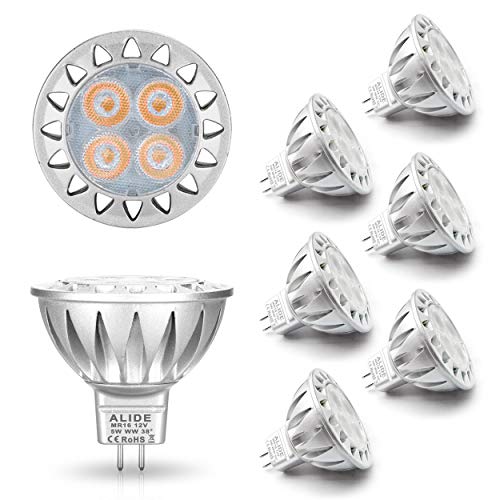
ALIDE 12V MR16 Landscape LED Bulb, Warm

12Vmonster 12V ST64 Edison Filament LED, 6-Pack

ALIDE 12V MR16 Landscape LED Bulb

Maelsrlg 12V E26 13W Daylight LED Bulb, 4-Pack
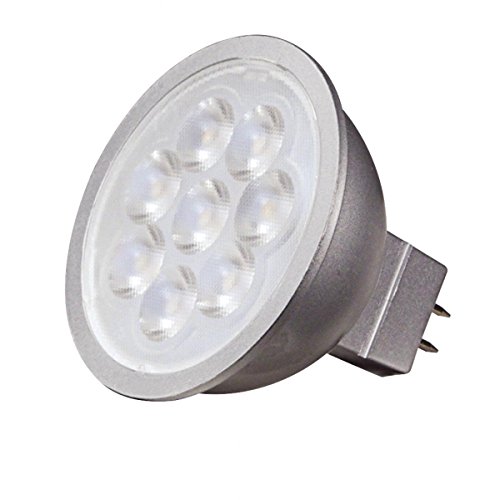
Satco 12V MR16 Dimmable LED Bulbs, 6-Pack

BAYSHE T10 Wedge 6000K LED Bulbs
The Picks, Examined More Closely
The KAKEMONO bayonet bulb is the kind of no-fuss swap that keeps an aging RV or trailer happy. It uses a single-contact BA15s base (the small push-and-twist socket common in older 12V fixtures) and a wide 10 to 24V tolerance, so it shrugs off the voltage drift you get when an alternator is charging a battery bank.
It measures roughly 1.77 inches across and 2.95 inches tall, so you’ll want to confirm it fits before ordering. For most interior dome lights and vanity bars in campers, that footprint is a comfortable match. Compared to the Kohree option below, this one trades warm-tone options for that forgiving voltage range, which I find more valuable in mixed battery setups.
Positive Points
- Runs cleanly on 10–24V AC or DC, so it tolerates the sag and spike patterns common in solar or alternator-charged rigs.
- Covers the most common RV bulb cross-references, including 1139, 1141, 1156, and 1383, simplifying multi-room upgrades.
- Low 4W draw keeps battery drain modest during long evenings off the grid.
- BA15s single-contact base fits many older fixtures without rewiring.
Things To Consider
- At 2.95 inches tall, it can crowd shallow enclosed fixtures, so measuring first is wise.
- Single-pack pricing may run higher per bulb than multi-packs if you’re refreshing several rooms at once.
Who Will Love This
RV owners, trailer dwellers, and marine folks swapping tired halogens for cooler-running LEDs in mixed-voltage battery systems.
Look Elsewhere When
Campers chasing a softer 4000K neutral glow should look at the Kohree BA15s 3-Pack, which lands closer to a residential warm tone.
The Kohree BA15s 3-Pack is aimed at the RV dweller who wants a softer, more residential feel. The 4000K color temperature sits between crisp daylight and warm yellow, which most folks find flattering for reading, cooking, and relaxing in a small space.
Each bulb carries 15 surface LEDs arranged for a 300-degree spread, which helps reduce the bright “hot spots” you sometimes get from cheap single-LED replacements. At about 3W and 300 lumens per bulb, it claims roughly 30,000 hours of life. The trade-off is brightness: it’s gentler than the KAKEMONO above, so it works best as ambient lighting rather than task lighting.
What Pays Off
- Neutral 4000K tone reads as cozy yet clear, ideal for living spaces where you want both relaxation and visibility.
- Wide 300-degree beam pattern reduces harsh shadows and the dotted look some RV fixtures develop.
- 3W draw leaves more headroom on battery banks during long off-grid evenings.
- Multi-pack format trims the per-bulb cost for whole-rig refreshes.
Honest Caveats
- 300 lumens per bulb can feel modest for task areas like galley counters, depending on your fixture.
- Not as widely cross-referenced for older part numbers, so verify your socket before ordering.
Perfect Match For
RV owners, van-lifers, and boat interiors who want a soft, livable neutral tone rather than the cooler light many LED replacements default to.
Skip It When
People running high-output task lighting in workshops should look at the Maelsrlg 13W 4-Pack, which is built for brighter ceiling duty.
The Taysing A19 is the bulb I’d reach for in a cabin, a remote cabin, or a marine battery room. The big story is its 12V to 48V tolerance, which means it works on solar arrays running at 24V or 48V battery banks as comfortably as on a 12V system.
It ships in a familiar A19 shape with an E26 screw base (the same base used in most household lamps), making it a drop-in for any fixture that already accepts a standard bulb. At 9W and roughly 810 lumens, it sits in “60W equivalent” territory, with a 6000K cool-white tone that’s brisk and revealing. The manufacturer warns clearly against installing it in 120V household sockets, since that’s a fast way to burn out both the bulb and the fixture.
The Case For It
- 12V to 48V tolerance covers most off-grid battery configurations without a separate driver.
- A19 shape and E26 base match common household lamps, so it’s easy to repurpose fixtures.
- Around 810 lumens per bulb handles ceiling fixtures and reading lamps with ease.
Worth Noting
- 6000K cool-white tone is energizing but can feel clinical in sleeping quarters.
- Two-pack sizing means you’ll need multiple orders for whole-home cabin refreshes.
- Strict 12V-to-48V-only design means accidentally dropping it into a 120V socket is a real risk.
The Right Fit
Solar homeowners, off-grid cabin dwellers, and boaters running 24V or 48V battery banks who need reliable, higher-output lighting.
Where Another Pick Suits Better
Folks who want a softer glow for RV interiors should look at the Kohree 4000K option, which reads warmer for relaxed evenings.
The ALIDE 12V MR16 is built around the bi-pin GU5.3 base, which is the small two-prong socket you’ll find in most low-voltage landscape lights. It’s marketed as a 50W halogen replacement at just 5W, with a 2700K warm-white output that flatters wood decks and stone paths.
The aluminum body is the part I appreciate most. Cheap plastic MR16s tend to bake themselves inside enclosed fixtures, but aluminum sheds heat more effectively, which is why this one claims suitability for enclosed fixtures. At 500 lumens, it’s a competent path-light bulb rather than a floodlight. The first ALIDE pick on this list leans cooler; this one leans warmer, so the choice depends on whether you want a cozy garden glow or a more natural daylight wash.
Points In Its Favor
- 2700K warm-white output complements wood, stone, and plantings in landscape designs.
- Aluminum housing helps dissipate heat in enclosed fixtures, which is the failure point of cheap plastic bulbs.
- 5W draw replaces 50W halogens, reducing transformer load on shared landscape circuits.
Trade Offs
- 500 lumens is modest for uplighting tall trees or architectural features.
- Single-bulb format means the per-unit cost is higher than the multi-pack ALIDE option below.
Best Suited To
Landscape lighting projects with enclosed path fixtures where a warm, low-glare look is the priority.
Consider Something Else When
People needing sealed-fixture durability for rain-prone zones should look at the ALIDE MR16 Landscape Bulbs, which is built around the same aluminum approach but targets outdoor housings.
The second ALIDE MR16 on this list shares a lot with the 2700K option above, but is positioned as the easy-swap workhorse. It uses the same standard MR16 footprint at 1.97 inches in diameter and 1.89 inches tall, so it drops into fixtures designed for 20W to 50W halogen MR16s.
Its 5W draw delivers a warm-toned replacement option for older landscape systems without requiring transformer upgrades. The bi-pin GU5.3 base is the most familiar socket for low-voltage garden lighting, which makes installation as simple as pulling the old bulb and pushing this one in. For most homeowners refreshing a tired yard system, this is the lowest-friction path to LED savings.
Good Reasons To Consider
- Standard MR16 sizing means direct compatibility with legacy landscape fixtures.
- 5W LED replaces 20W–50W halogens, easing strain on existing transformers.
- Warm color temperature suits residential garden aesthetics without harsh spotlighting.
Soft Spots
- No enclosed-fixture heat sink claim like the 2700K ALIDE, so tightly sealed housings may run hotter.
- Single-tone offering means you can’t mix warm and cool paths without sourcing different bulbs.
Made For
Homeowners refreshing standard low-voltage landscape systems with a one-for-one halogen-to-LED swap.
A Better Fit Elsewhere
People running enclosed outdoor fixtures should consider the ALIDE MR16 Landscape Bulbs lower on the list, which is built with full aluminum heat dissipation in mind.
The 12Vmonster ST64 set is the wildcard of the roundup. It pairs a traditional Edison-style filament look with 12V DC operation, which is a niche most big-name bulb makers ignore. The ST64 shape is the squat, teardrop-style bulb you see in antique cage pendants and theater-style sconces.
It runs at 6W and tolerates voltage spikes up to about 36V, so it can absorb the unstable power profiles common in solar-charged systems. The E26 and E27 dual base compatibility means it works in both North American and imported fixtures. For an off-grid cabin with a vintage bar light or a restored boat cabin, this is the bulb that ties the room together.
A Favorable Mix
- Edison-style filament aesthetic suits sconces, cage pendants, and themed interiors.
- Voltage spike tolerance handles the unstable power profile of solar and battery systems.
- Dual E26/E27 base support fits imported and domestic fixtures alike.
- Six-pack format lowers per-bulb cost for multi-fixture installations.
Points To Keep In Mind
- 6W per bulb is modest compared to standard A19 LEDs, so large rooms may need more fixtures.
- Vintage filament look won’t suit modern minimalist interiors, depending on the design direction.
Whose Shelf It Belongs On
Vintage-style cabin decorators, themed restaurant owners, and theatrical set designers running low-voltage power supplies.
Swap It Out When
People who want brighter, more functional task lighting should pick the Maelsrlg 13W 4-Pack, which delivers over four times the wattage in a more utilitarian shape.
The third ALIDE MR16 on the list is the ruggedized option for tougher outdoor jobs. Where the earlier ALIDE bulbs use aluminum selectively, this one leans into a full aluminum body with an aluminum reflector to spread heat evenly across the bulb.
That extra thermal headroom makes a real difference in sealed landscape fixtures that get full afternoon sun. The driver is also upgraded, which the manufacturer positions as a durability improvement over plastic-bodied competitors. It still delivers about 450 lumens at 5W, so it’s a similar lighting result to the other ALIDE options, just with better engineering under the hood. For coastal climates or desert gardens where fixtures bake, this is the version I’d trust longest.
What Earns Its Place
- Full aluminum body and reflector improve heat dissipation in sealed fixtures.
- Upgraded driver design is positioned for longer service life in demanding conditions.
- Compatible with standard 12V landscape transformers for straightforward swap-in.
- Targets enclosed outdoor fixtures where heat is the typical failure point.
Less Ideal Details
- 450 lumens is on the lower side of the ALIDE lineup, so output trades off against durability.
- Premium build usually costs more per bulb than basic plastic MR16s.
Who Should Grab It
Homeowners in hot climates or coastal areas running sealed landscape fixtures where thermal management is the priority.
Reach For A Different Pick When
Budget refreshes of indoor accent lighting are better served by the Satco 6.5W dimmable MR16, which focuses on dimming precision over outdoor toughness.
The Maelsrlg 13W is the brightest bulb on this list and is positioned as a 100W equivalent. With 1,200 lumens and a 5000K daylight tone, it’s the bulb I’d put in a workshop ceiling, a shed task light, or anywhere you need to see clearly without straining.
It uses the familiar E26 screw base and operates on 12V AC or DC, so it covers both shore power from a small inverter and direct battery systems. The manufacturer clearly warns against 120V sockets, which is worth heeding. The 4-pack format helps when you’re replacing several ceiling fixtures at once, and the claimed 25,000-hour lifespan reduces ladder time over the years.
Strengths Worth Knowing
- 1,200 lumens per bulb handles task-heavy spaces like workshops and sheds with ease.
- 5000K daylight tone helps with detail work and color recognition.
- E26 base fits standard household lamp sockets in low-voltage fixtures.
- 4-pack format suits whole-room replacements at a lower per-unit cost.
Things To Weigh
- 13W draw is meaningfully higher than most 12V LEDs, so battery runtime suffers in pure off-grid use.
- 5000K tone can feel harsh in relaxing residential settings.
- Not dimmable, so it won’t suit circuits where you’d want mood control.
Built With In Mind
Workshop owners, shed builders, and serious hobbyists who want serious lumen output from a 12V supply.
Where A Sibling Pick Shines
Anyone looking for residential warmth in an off-grid cabin should pick the 12Vmonster Edison set, which trades lumen count for mood.
The Satco 6.5W MR16 is the most refined option in the roundup. It’s a dimmable bulb with a 40-degree beam angle and a 3000K soft-white tone, which is closer to the warm color of a halogen than the cool bluish look many LEDs produce.
It’s also the only bulb here explicitly positioned for dimming, which matters if you’re tying it to a low-voltage dimmer in a finished space. The GU5.3 bi-pin base keeps it compatible with standard MR16 landscape and track fixtures. At 6.5W, it splits the difference between the 5W ALIDE bulbs and the higher-output 13W Maelsrlg, making it versatile for both residential accent lighting and showcase displays.
Where It Helps
- Dimmable design supports low-voltage dimmer controls for mood and task tuning.
- 40-degree beam angle offers balanced, focused lighting for art and accent features.
- 3000K soft-white tone reads warmer than typical LED replacements.
- 6-pack format suits whole-room or whole-track refreshes.
Practical Considerations
- Requires a compatible low-voltage dimmer for full dimming range, depending on existing wiring.
- Not the brightest MR16 on the list, so it works better for accents than for floodlighting.
Right Fit For
Accent lighting projects, display cases, and finished rooms where dimming control and a halogen-like warmth matter.
Not Your Match When
Workshop and shed owners needing higher output should look at the Maelsrlg 13W bulb, which is built for visibility over ambiance.
The BAYSHE T10 wedge bulbs are the simplest upgrade on this list. They slot directly into the T10 wedge sockets common in RV ceiling dome lights, reading lights, and many marine courtesy fixtures. The wide AC 10 to 18V and DC 10 to 24V tolerance keeps them stable through varying battery conditions.
At 3W and roughly 300 lumens per bulb with a 6000K cool-white tone, they deliver a brighter, more revealing light than the 4000K Kohree option earlier in the list. The ceramic body paired with a clear PC lens is positioned for lower running temperatures and better shatter resistance than traditional glass halogens. For RV owners tackling a fleet of dome lights in one afternoon, the plug-and-play install is the main attraction.
Reasons It Performs
- Plug-and-play T10 wedge install requires no rewiring in standard sockets.
- Wide 10–24V tolerance handles variable battery conditions.
- Ceramic body lowers running temperatures compared to traditional halogens.
- 6000K tone reads bright and clear in task-oriented RV and marine fixtures.
Where It May Fall Short
- 300 lumens per bulb can feel dim in larger ceiling fixtures, depending on room size.
- Cool-white tone is less flattering for relaxed evening use.
Who It Suits Best
RV owners and boaters with T10 wedge fixtures who want a quick, no-tools refresh across multiple ceiling or reading lights.
Another Choice May Suit
Owners wanting a warmer, more residential RV glow should look at the Kohree BA15s 3-Pack, which offers a softer 4000K tone for living spaces.
Picking The Right Low-Voltage Bulb For Your Setup
Choosing a 12-volt LED is mostly about matching the bulb to the system and the space. Three attributes drive most of the decision, and getting them right up front saves a lot of swap-itis later.
Match the base before anything else. The three base families that show up most often are BA15s bayonet (the push-and-twist socket in older RV fixtures), T10 wedge (the tiny slide-in socket common in RV dome lights), and MR16 GU5.3 bi-pin (the two-prong socket in landscape lights). E26 and E27 screw bases are standard in residential-style fixtures. Pull an existing bulb and confirm the base type before ordering, since most returns happen because of base mismatches rather than performance issues.
Check voltage tolerance, especially on solar. Off-grid battery systems rarely hold a steady voltage. A bulb rated for a narrow 12V only can flicker or fail early when a battery bank pushes 14V during absorption charging. Bulbs rated to 18V, 24V, or even 48V give you a much wider safety margin and tend to last longer in mixed-source systems.
Choose color temperature by activity. 2700K to 3000K reads warm and cozy, which suits living rooms and gardens. 4000K is a neutral middle ground that works in galleys, bathrooms, and reading nooks. 5000K to 6000K is brighter and cooler, which helps with task accuracy in workshops and craft spaces. Mixing one temperature per room is usually more comfortable than blending tones inside a single fixture.
Things Worth Double-Checking Before You Order
Pitfalls Shoppers Hit
The most common slip is grabbing a “12V” bulb and installing it in a 120V household socket. Several bulbs in this list carry explicit warnings against that, and it can burn out both the bulb and the fixture in seconds. The second pitfall is ignoring fixture depth. Bayonet and A19 bulbs come in different heights, and a tall bulb may physically crowd a recessed ceiling housing. Measure your fixture cavity and compare it to the bulb’s listed dimensions before ordering, especially for the KAKEMONO and similar full-size replacements.
Where The Extra Money Goes
Spending more on a 12V LED usually buys three things: better thermal management, wider voltage tolerance, and longer claimed lifespans. Aluminum-bodied MR16s cost more than plastic ones because they shed heat more reliably, which is what actually determines how long the bulb lasts in a sealed fixture. Higher-tier A19 and bayonet replacements often include better driver circuitry that tolerates voltage spikes from solar charge controllers. If you’re running enclosed fixtures, hot climates, or a large battery bank, those upgrades pay off in fewer replacements over time. For casual single-bulb swaps in open fixtures, a budget option is usually enough.