

The best LED dimmer for 2026 depends on your wiring, load type, and control needs.
Choose a model that matches no-neutral setups, dual-load circuits, smart features, or low-voltage LED strips.
A good dimmer stops flicker, buzzing, and dropouts.
In this guide, we’ll look at seven top picks for smooth, reliable lighting.
| TOPGREENER Digital Dimmer Light Switch (TGDS1-NK) |  | Best Budget Pick | Voltage: 120V | Dimming Type: Single-load dimmer | Control Method: Slide control | VIEW LATEST PRICE | Read Our Analysis |
| TOPGREENER Dual Load Dimmer Light Switch (TGDDS-SV) |  | Best High-Power | Voltage: 120VAC | Dimming Type: Dual-load dimmer | Control Method: Slide/paddle | VIEW LATEST PRICE | Read Our Analysis |
| TOPGREENER Dual Load Dimmer Light Switch (TGDDS-BK) | Best Dual-Load | Voltage: 120VAC | Dimming Type: Dual-load dimmer | Control Method: Dual sliders | VIEW LATEST PRICE | Read Our Analysis | |
| 12V DC Dimmer for LED Halogen Incandescent |  | Best For Vehicles | Voltage: 12V DC | Dimming Type: PWM dimmer | Control Method: Push button | VIEW LATEST PRICE | Read Our Analysis |
| Lutron Diva Smart Dimmer Switch (DVRF-6L-BL) |  | Best Smart Dimmer | Voltage: 120V | Dimming Type: Smart dimmer | Control Method: App/wall/voice | VIEW LATEST PRICE | Read Our Analysis |
| BTF-LIGHTING Mini RF LED Dimmer Controller |  | Best Remote Control | Voltage: DC 5V/12V/24V | Dimming Type: RF dimmer controller | Control Method: RF remote | VIEW LATEST PRICE | Read Our Analysis |
| ALOVECO 12V DC PWM Dimmer Switch for LEDs | 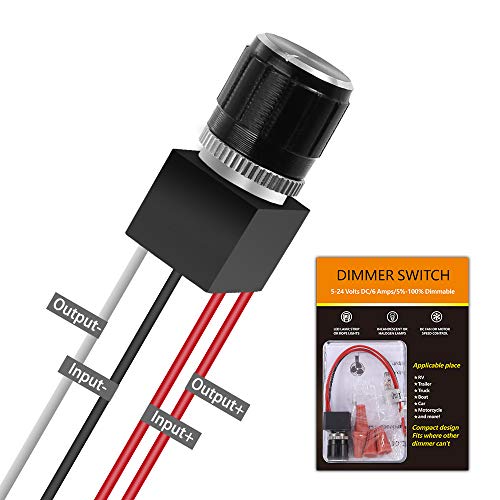 | Best For RVs | Voltage: DC 5–24V | Dimming Type: PWM dimmer | Control Method: Rotary knob | VIEW LATEST PRICE | Read Our Analysis |
More Details on Our Top Picks
TOPGREENER Digital Dimmer Light Switch (TGDS1-NK)
The TOPGREENER Digital Dimmer Light Switch (TGDS1-NK) is a smart pick whenever you want simple, smooth lighting control without the fuss of a smart home setup. You get a single-pole slide dimmer that works with dimmable LED and CFL bulbs up to 200W, or incandescent and halogen bulbs up to 300W. Because it doesn’t need a neutral wire, you can install it more easily. The slider gives you full-range dimming, while the side dial helps stop flicker. Its nickel finish, tough polycarbonate body, and UL listing add confidence too.
- Voltage:120V
- Dimming Type:Single-load dimmer
- Control Method:Slide control
- Max Wattage:300W
- Mounting:Wall mount
- Contact Type:Normally open
- Additional Feature:Neutral wire not required
- Additional Feature:Side dial fine-tuning
- Additional Feature:Reduces flickering
TOPGREENER Dual Load Dimmer Light Switch (TGDDS-SV)
Should you want a sleek wall control that can handle a strong lighting load without needing a neutral wire, the TOPGREENER Elite Series Kalide Dual Load Dimmer Light Switch, model TGDDS-SV, fits that need nicely. You get a silver, decorator-style switch that mounts cleanly on the wall and uses a slide and paddle design for easy control. It handles 120VAC, 60Hz, and up to 750 watts, with 200W LED or CFL support. Because it offers full-range dimming, screw terminals, UL listing, and solid copper parts, you can trust it to work well and feel reliable every day.
- Voltage:120VAC
- Dimming Type:Dual-load dimmer
- Control Method:Slide/paddle
- Max Wattage:750W
- Mounting:Wall mount
- Contact Type:Normally open
- Additional Feature:Dual load dimming
- Additional Feature:Decorator switch type
- Additional Feature:Outlet feedback compatible
TOPGREENER Dual Load Dimmer Light Switch (TGDDS-BK)
TOPGREENER’s Dual Load Dimmer Light Switch, part number TGDDS-BK, is a smart pick whenever you want one wall switch to control two separate light loads with smooth, full-range dimming. You get two sliders, so you can adjust each circuit on its own without hassle. It works with dimmable LED, incandescent, and halogen bulbs, but not smart fixtures. The black, wall-mount design uses no neutral wire, fits 120V homes, and supports up to 300 watts total. You also get UL listing, heat resistance, and a 1-year warranty for added peace.
- Voltage:120VAC
- Dimming Type:Dual-load dimmer
- Control Method:Dual sliders
- Max Wattage:300W
- Mounting:Wall mount
- Contact Type:Normally open
- Additional Feature:Two independent sliders
- Additional Feature:Heat and fade resistant
- Additional Feature:IP54 protection rating
12V DC Dimmer for LED Halogen Incandescent
Built for 12-volt systems, this dimmer is a strong fit provided you need smooth light control in an RV, truck, car, boat, or strip lighting setup. You can use it with LED, halogen, or incandescent lights, so you’re not stuck with one bulb type. Its touch control and push button design make daily use easy, while the long shaft and surface mount fit neatly in tight spaces. With 4.2 amps, 50.4 watts, and IP54 protection, you get solid control. Its copper-brass contacts and screw terminals help keep wiring secure and dependable.
- Voltage:12V DC
- Dimming Type:PWM dimmer
- Control Method:Push button
- Max Wattage:50.4W
- Mounting:Surface mount
- Contact Type:Normally open
- Additional Feature:Automotive vehicle compatible
- Additional Feature:Long shaft design
- Additional Feature:Surface mount installation
Lutron Diva Smart Dimmer Switch (DVRF-6L-BL)
The Lutron Diva Smart Dimmer Switch (DVRF-6L-BL) is a strong fit provided you want smart lighting that still feels simple and familiar at the wall. You get a soft-glow light bar, a smooth slider, and precise dimming for LED, incandescent, or halogen bulbs. Since it needs no neutral wire, you can use it in older homes too. With a Lutron Smart Hub, you can control lights via voice, app, or switch, then set schedules and scenes. It also works with Pico remotes, Smart Away mode, and a favorite brightness level.
- Voltage:120V
- Dimming Type:Smart dimmer
- Control Method:App/wall/voice
- Max Wattage:600W
- Mounting:Wall mount
- Contact Type:Normally open
- Additional Feature:Smart hub required
- Additional Feature:Voice assistant compatible
- Additional Feature:Preset favorite light
BTF-LIGHTING Mini RF LED Dimmer Controller
BTF-LIGHTING’s Mini RF LED Dimmer Controller is a smart pick should you want easy control over single-color LED strips without having to stand right next to them. You get a 14-key RF remote, so you can change brightness from 10% to 100% and switch among jump, fade, and strobe modes with ease. It works with DC5V, DC12V, and DC24V strips, plus cabinet, puck, and strip lights. With a 20-meter range, simple surface mounting, and a metal build, it feels handy, sturdy, and low-stress.
- Voltage:DC 5V/12V/24V
- Dimming Type:RF dimmer controller
- Control Method:RF remote
- Max Wattage:120W
- Mounting:Surface mount
- Contact Type:Normally open
- Additional Feature:14-key RF remote
- Additional Feature:20-meter control range
- Additional Feature:Dynamic lighting modes
ALOVECO 12V DC PWM Dimmer Switch for LEDs
ALOVECO’s CG008JABC PWM dimmer is a smart pick in case you want smooth control over 12V LED lighting without the usual flicker or fuss. You get full-range, manual dimming with a rotary knob, so you can set the light just right in your RV, truck, boat, or camper. It handles DC 5 to 24V input, delivers up to 6A, and supports 72W at 12V. The aluminum body helps shed heat, cut buzzing, and resist corrosion. Built-in protection, quick-connect terminals, and IP54 durability make setup easy and dependable.
- Voltage:DC 5–24V
- Dimming Type:PWM dimmer
- Control Method:Rotary knob
- Max Wattage:144W
- Mounting:Ceiling mount
- Contact Type:Normally open
- Additional Feature:Aluminum housing
- Additional Feature:Over-current protection
- Additional Feature:60,000+ hour lifespan
Factors to Consider When Choosing a Led Dimmer
Upon you choose a LED dimmer, start with checking bulb compatibility, wattage rating, and wiring needs so the unit matches your setup. Then look at the control style you like, whether that’s a simple knob, switch, or remote, because the right feel makes daily use easier. You should also confirm the dimming range, since a wider range gives you smoother light control and helps you avoid annoying flicker.
Bulb Compatibility
Bulb compatibility matters just as much as the dimmer itself, because the wrong match can turn a simple lighting upgrade into a frustrating mess. You need to match the dimmer to your bulb type initially. Some models work only with dimmable LED or CFL bulbs, while others also handle incandescent and halogen. Next, check that your bulbs are labeled dimmable. Should they aren’t, you might get flicker, buzz, heat, or poor dimming, and that’s never a fun surprise.
Also, make sure the dimmer fits your lighting system. Standard line-voltage setups need one kind of control, while low-voltage or DC lighting needs another. Should you use smart bulbs or fixtures with built-in electronics, confirm support before you buy, since some dimmers won’t play nice with special drivers.
Wattage Rating
Now that you’ve matched the dimmer to the right bulb type, the next thing to check is wattage rating, because the numbers have to work together as well as the parts do. You need the dimmer’s LED rating to beat the total load of every bulb or strip you’ll control. Many models handle only 120W, 150W, or 200W for LED lights, and that’s often much less than their incandescent rating. So don’t trust the bigger number on the box. Should you run past the limit, the dimmer can heat up, dim poorly, or wear out prematurely. Add both circuits should you use a dual-load setup, then leave extra room instead of cutting it close. Also, check the operating voltage and load type, because that wattage only counts under the right conditions.
Wiring Requirements
Next, you’ll want to look at the wiring itself, because a dimmer can only work well once it fits the setup behind your wall. Check whether it needs a neutral wire, or whether it works without one, since older homes often lack that extra line. Then match the dimmer to your system’s voltage and circuit type, like 120V single-pole or 12V DC. After that, inspect the terminals and make sure they accept your conductor size, such as 18 to 12 AWG. Also, confirm the mounting style fits the spot, whether wall, surface, or ceiling. Finally, use only load wiring that matches the fixture and wattage rating. Should the wiring be off, you can get flicker, heat, or a dimmer that quits beforehand.
Control Style
Your LED dimmer should match how you like to control the light, because that small choice can make daily use feel easy instead of annoying. Should you like fast changes, a slider gives you a clear visual cue. Should you want a gentler feel, a rotary knob lets you nudge brightness in small steps. Push buttons and paddles feel simple too, and they fit neatly in busy rooms. Some models add a favorite-level preset, a fine-tuning dial, or separate mode buttons, which can save you from fiddling every evening. Should you need control from across the room, choose a remote or app option. For multi-load setups, pick a style that lets you adjust each light on its own, so you stay in charge without the guesswork.
Dimming Range
A dimmer’s range matters just as much as how it looks on the wall. You want a switch that slides smoothly from full light to a very low glow, without sudden jumps or dead spots. That wider span gives you better control for dinner, reading, or a quiet night in. It also helps you set the lowest light without waking everyone up. Still, the bulb has to match the dimmer. Some LED bulbs only work well from about 10% to 100%, while others can’t go as low. So, look for a dimmer with low-end trim. That small adjustment helps stop flicker and keeps the light steady. In the end, smooth output matters more than a big number on the box.
Smart Features
Once you’ve found a dimmer that gives you smooth, steady light, it makes sense to look at the features that make daily use easier. Smart features can save you time and a few sighs. You can use app control, voice assistants, schedules, and scene settings to fit light to your routine. Some models need a hub or bridge for remote access, so check that initially. When you travel, smart away modes can turn lights on and off in a natural pattern, which helps your home look lived in. Favorite level presets also let you jump back to the brightness you love. Before you buy, make sure the dimmer matches your bulbs and smart setup, and confirm whether it works with single-pole or 3-way control.
Installation Type
Installation type can make or break how smoothly a LED dimmer fits into your home, so it’s worth checking the fit before you buy. First, match the mount to the spot you’ll use. You could need a wall mount, surface mount, or ceiling mount, and the wrong choice can turn a simple swap into a headache. Next, check the circuit type. Should your setup uses single-pole, 1-way, 3-way, or parallel wiring, the dimmer must support that layout. Also, look at the wiring method. Screw terminals, quick-connect terminals, or both can change how easy the job feels. Should your box lacks a neutral wire, choose a model that doesn’t need one. Finally, pick an actuator style, like slide, paddle, rotary, or push-button, that feels natural.
Frequently Asked Questions
Can LED Dimmers Reduce Electricity Consumption Significantly?
Yes, dimming LEDs to half brightness can cut power use by about 25 to 40 percent. The main savings come from producing less light, not from the dimmer device itself.
How Do I Know if My LEDS Are Dimmable?
Look for “dimmable” on the bulb, box, or product specs. A compatible dimmer can also help you confirm it; non dimmable LEDs often flicker, buzz, or dim unevenly.
Can One Dimmer Control Multiple Light Fixtures Safely?
Yes, one dimmer can control several light fixtures when the combined load stays below its wattage limit and the bulbs match the dimmer type. Check the fixture and dimmer specifications first to reduce flickering, overheating, and equipment damage.
Do LED Dimmers Work With Smart Home Systems?
Yes, many LED dimmers work with smart home systems, and you can control them through apps, voice assistants, or automation hubs. Just make sure the devices are compatible, because mismatched gear can cause problems.
Why Do Some LEDS Flicker at Low Brightness?
Flicker at low brightness often happens when the dimmer and LED driver are not compatible, causing the light output to become unstable at low current. You can usually fix it by using a dimmer made for LEDs, raising the minimum dim level, or swapping in a bulb that supports your dimmer.