

A toddler’s room at 2 a.m. is a different world than the one parents see during the day. The right night light turns a midnight diaper change or a quick reassurance into something calm, not jarring, while the wrong one either blasts the room awake or does nothing at all. I’ve pulled together five picks that span the real-world situations families actually face, from soft silicone companions little ones can hold, to audio-enabled lights that turn bedtime into a ritual. Each one here trades on a different strength, so the right match depends on your child’s habits and your nighttime routine.
The Choices Worth Comparing

Tonies Sleepy Penguin Night Light Audio Play Character

WETSTAR Lying Flat Duck Night Light LED Squishy Lamp

Cute Duck Night Light LED Squishy Novelty Duck Lamp
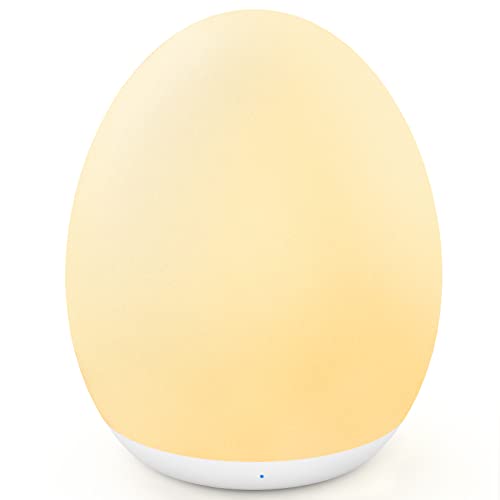
MediAcous Night Light for Kids 7 Colors Changing Egg Light

MediAcous Night Lights for Kids Room Egg Light
What Each Pick Brings To The Table
The Tonies Sleepy Penguin pulls double duty as a soft warm light and a small audio speaker, which is a rare pairing in this category. It pairs with the Toniebox system, so families already running one can drop it onto the box and stream the included audio, or set it on a nightstand as a standalone lamp. The warm glow is gentle on sleepy eyes, and the four-step dimmer lets parents drop the brightness in stages as the night stretches on.
Where this pick earns its place is the bedtime ritual angle: 140 minutes of calming original music layered with water and nature sounds covers the full wind-down window for most toddlers. I’ve seen routines like this turn bedtime from a struggle into a predictable cue, and an audio element that fades out gradually tends to help kids settle without a hard transition to silence. Compared to the WETSTAR duck below, the Tonies is less of a plush toy and more of a shelf companion.
The Practical Payoff
- Four dimmable brightness levels let you step the glow down as your child drifts off.
- 140 minutes of audio gives the whole bedtime window something quiet in the background.
- Works with or without a Toniebox, so it isn’t locked into one ecosystem.
- Soft warm tone is easier on eyes than cooler LEDs in a dark room.
- Penguin shape doubles as a small character companion for kids who bond with toys.
Things To Consider
- Best audio experience requires a Toniebox, so it’s worth more to households that already own one.
- Soft silicone and electronic internals mean it isn’t a free-play squish toy.
Feature Snapshot
Right Fit For
Toniebox families who want their child’s existing audio system to carry into the bedroom and create a calmer wind-down routine.
Look Elsewhere When
The WETSTAR Lying Flat Duck Night Light is a better match for parents who want a soft squishy toy their toddler can actually hold and squeeze through the night.
The WETSTAR duck is the kind of light a toddler can grab off the nightstand without parents flinching. The body is soft silicone, so it absorbs a drop on the hardwood floor, and the 3000K warm LED (a yellowish color temperature that’s easy on the eyes at night) is gentle enough to leave on during storytime. A single tap on the top cycles through three brightness levels, and a long press shuts it off, which means a half-asleep three-year-old can usually manage it without help.
I think the smart touch here is the second function: the duck’s feet form a little ledge that holds a phone upright. Late-night feeding parents can prop up a show, video call, or recipe in the kitchen without juggling the phone, and the lamp itself moves easily from bedroom to hallway. Compared to the Tonies penguin, this one trades audio for tactile play, so the choice comes down to whether your child needs sound or a soft friend.
The Value In It
- Soft silicone body shrugs off drops and rough toddler handling.
- Three brightness levels cover everything from a reading glow to a barely-there nightlight.
- Phone-stand feet add a second use case for nursing parents and kitchen counters.
- 3000K warm tone is comfortable for late-night room checks.
Points To Keep In Mind
- Surface grime and sticky fingers can leave marks on silicone, so a quick wipe-down every few days is a good habit.
- The squishy shape means it can’t be wall-mounted or stuck in a tight spot.
Built With In Mind
Toddlers who like to hold something soft at night and parents who want a lamp that doubles as a phone stand during late feedings.
Swap It Out When
The MediAcous 7 Color Changing Egg Light suits families who’d rather skip the novelty animal and pick a color-cycling option that doubles as a sensory moment at lights-out.
This novelty duck lamp leans hard into the cute factor, and that’s a real selling point for animal-obsessed toddlers. The squishy silicone shell and rounded shape feel more like a toy than a piece of nursery equipment, which can make a child more likely to actually want it on the nightstand. It pulls double duty as a bedside lamp, a desk light, or a soft glowing companion during a sleepover at grandma’s house.
The honest read is that the personality here is the main draw. Build, light output, and controls track closely with the WETSTAR duck above, but the styling and color treatment differ enough that the right pick depends on which character your kid gravitates toward. I’d reach for this one as a birthday or new-baby-sibling gift, where the gift presentation matters as much as the function.
Notable Gains
- Playful duck shape makes it more of a keepsake than a generic nursery lamp.
- Soft silicone is forgiving when it tumbles off a nightstand.
- Portable enough to move from bedroom to travel bag to grandparent’s house.
- Works as a novelty decor piece on a shelf when not in use.
Honest Caveats
- The novelty styling might not match a calmer, more neutral nursery theme.
- Detailed silicone shapes can collect dust in the crevices and need a regular wipe.
Perfect Match For
Toddlers who light up around animal characters, and gift-givers looking for something presentable that still functions as a real night light.
Consider Something Else When
The Tonies Sleepy Penguin is a stronger match for households already using the Toniebox, since it folds into an existing audio routine.
Where the duck-shaped picks lean into character, the MediAcous egg light leans into atmosphere. The shell is built from toy-grade ABS (a hard, durable plastic) and PC (polycarbonate, a tough clear plastic) for a sturdier feel than silicone, and the round egg shape is comfortable in a small hand. A short tap on the top cycles through 8 colors automatically, while a longer half-second hold freezes the light on the current shade, so a child can land on a favorite without needing help.
The memory function is the detail that won me over: it remembers the last setting across power cycles, so a toddler’s chosen color stays put through the night. The egg form is more decor-neutral than the duck picks, which makes it a sensible match for a nursery that isn’t themed around a specific animal.
Key Advantages
- 8-color auto-cycle gives kids something visually engaging to watch as they settle.
- Hold-to-freeze lets a child pick a favorite without parental help.
- Memory function restores the last color after charging or power cycling.
- Rounded egg shape suits a wide range of nursery decor styles.
Trade Offs
- The hard ABS shell isn’t as forgiving as silicone when it tumbles onto a hard floor.
- Color cycling can be stimulating for some kids right before sleep, depending on temperament.
Best Suited To
Toddlers who enjoy sensory play and parents who want a neutral-shaped night light that still has more personality than a basic plug-in glow.
A Better Fit Elsewhere
The MediAcous Egg Light (ASIN B09JGFMM8D) is the better match for parents focused on late-night diaper changes and feedings, where a steady warm glow is more useful than color cycling.
This sibling to the color-cycling egg light is built around the late-night routine rather than the wind-down show. A gentle tap brings up a soft, warm glow that’s bright enough to sort out a diaper or check on a sleeping baby, but soft enough not to flip the room into full daytime mode. The toy-grade shell keeps the surface safe for curious hands, and the egg shape is stable on a changing table or nightstand.
The case for it is straightforward: parents juggling a 3 a.m. feeding don’t want a color wheel, they want a low-effort light that comes on instantly and doesn’t wake anyone else up. Compared to the WETSTAR duck, the egg trades a squishy toy feel for a sturdier, more decor-neutral silhouette, so the choice comes down to whether the room needs a character or a tool.
Strengths Worth Knowing
- Tap-to-glow controls are easy to operate one-handed during a feeding.
- Warm tone gives enough light to see by without startling a sleeping baby.
- Stable egg shape sits securely on a changing table edge or shelf.
- Neutral styling works in shared bedrooms that aren’t themed.
Possible Compromises
- No color cycling means less visual play value than the MediAcous egg in the fourth slot.
- The hard plastic shell can show scuffs over time with heavy handling.
Feature Snapshot
Who Will Love This
New parents handling frequent night feedings and diaper changes, and any household that wants a no-fuss warm glow over a feature-heavy lamp.
Where A Sibling Pick Shines
The MediAcous 7 Color Changing Egg Light is the better call for families who’d actually use the color cycling during playtime or storytime, since this one stays on a single warm tone.
Choosing The Right Glow For Your Toddler’s Room
Light color and brightness matter more than most shoppers expect. Warm tones in the 2700K to 3000K range (a yellow-orange Kelvin rating that mimics incandescent bulbs) play nicely with melatonin production, while cooler blue-leaning LEDs can fight the body’s natural wind-down signal. For most toddlers, a low warm glow beats a bright white one every time, especially when the light is going to stay on all night.
Form factor follows the child’s habits. Squishy silicone animals like the WETSTAR and the Cute Duck lamps are great for kids who want to hold something, while firmer egg shapes work better for nursery shelves and diaper stations. Battery life and recharge method come into play for portable picks, since a lamp that dies halfway through the night is more frustration than comfort.
Controls deserve a second look too. Tap-to-glow designs are easier for tiny hands and for half-awake parents, while dimmer steps let you match the light to the moment. For a child who shares a room, the dimmest setting should still be visible from the doorway, which is where the four-step Tonies dimmer has a real edge over a simple three-step option.
What To Weigh Before Clicking Add To Cart
Pitfalls Shoppers Hit
The most common mistake is buying a light that’s too bright. Anything stronger than a soft warm glow tends to wake a toddler up more than it calms them, and a harshly lit room can undo the whole wind-down. Test the dimmest setting in a darkened room before settling on a pick.
A second trap is assuming every “kid-safe” lamp is built the same way. Soft silicone and toy-grade plastics behave differently when dropped, gripped, or chewed on, and the right material depends on the child’s age and habits. A toddler who mouthes objects needs a different surface than a preschooler who mostly holds and hugs.
Why Top Tier Costs More
Higher-tier picks earn their price through richer audio integration, more granular dimming, and better build materials. The Tonies Sleepy Penguin, for instance, layers in 140 minutes of original audio on top of a four-step dimmer, which is a meaningful step up from a single-tap novelty lamp. For Toniebox households, that added cost translates into a smoother bedtime ritual rather than just a brighter bulb.
The upgrade tends to pay off most in two cases: when an existing audio system is already part of the routine, or when a child is particularly sensitive to the wrong kind of light. For a basic nightlight need, the simpler picks here do the job well, and the premium step is only worth it when the extra features will actually get used.
Frequently Asked Questions
What color night light is best for toddlers? Warm amber and soft yellow tones are generally easier on developing eyes and don’t interfere as much with sleep hormones, which is why most toddler night lights lean toward 2700K to 3000K.
How bright should a toddler night light be? Bright enough to navigate the room safely and reassure a waking child, but dim enough that it doesn’t suppress melatonin, the hormone that helps the body fall asleep. Look for lamps with at least two or three dimmer steps.
Are silicone night lights safe for toddlers? Food-grade and toy-grade silicone shells are commonly used in this category and tend to be durable and easy to wipe clean, though parents should still check that the specific product meets their own safety standards.
Can a night light help with toddler sleep regression? A familiar, low-glow light can give a child something to focus on during a wake-up, which sometimes smooths over rough nights, though it’s not a guaranteed fix for every sleep regression phase.
Where should a toddler night light be placed? A low shelf, changing table edge, or wall outlet near the doorway is usually ideal, since it gives enough glow to see by without shining directly into the child’s face.