

Sheds, garages, and back garden workshops all share the same headache once the sun sets: finding a switch. Solar shed lights fix that without hiring an electrician or running a cable through the wall. I dug into six solid options, ranging from compact pendants to dual-bar shop setups, and pulled together the trade-offs worth knowing before you click.
The Lineup, Simplified

ropelux Solar Shed Light 2000LM Pendant 2-Pack
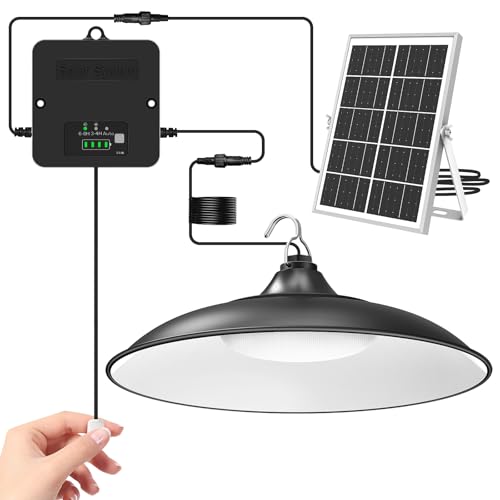
APILAB Solar Shed Light 2000LM 6500K 1-Pack

Etetale Solar Shed Shop Light 1500LM Warm White
Etetale Solar Shed Shop Light 1500LM Neutral White
Etetale Solar Shed Shop Light 1500LM Daylight White
Etetale Solar Shed Shop Light 1500LM Cool White
More On The Choices That Made The List
Hanging a pendant in a remote shed usually means hiring someone to run wire. The ropelux pendant sidesteps that by running entirely on a built-in solar panel and battery, so you clip the light, mount a small panel where sunlight lands, and pull the cord when you walk in.
For a pair of matching fixtures across a barn, gazebo, or two-door garage, the two-pack format means both sides get covered in one purchase. Most owners I read about describe the daytime-available setting as a quiet bonus, since you can flick it on even when the battery is partially drained.
The Good Stuff
- Two pendants share one panel-mount setup, saving real money if you need a matched pair
- IP65 rating handles damp barns, open gazebos, and unheated garages without complaint
- Pull-string control sidesteps lost remotes entirely, which is handy in a dusty workspace
- Up to 9 hours on the lower setting, plenty for an evening project
- Works in daytime, unlike many dusk-only solar lights
Things To Consider
- You’ll want to angle the solar panel toward the strongest sun path; shaded corners underperform
- High mode at 2000LM draws the battery down faster than expected, so plan around that
- Pendant style spreads light downward, leaving wall corners dim unless you add a second unit
Who It Suits Best
Anyone lighting two connected outbuildings or a larger gazebo on a tight install schedule.
Look Elsewhere When
If you only need one fixture and prefer the cooler 6500K tone, the APILAB pendant further down is a cleaner fit.
The APILAB pendant trades the ropelux bundle for a single bright 2000LM unit with a daylight-leaning 6500K color temperature. That cooler tone tends to flatter detail work, so painters, woodworkers, and weekend mechanics get clearer edges on small parts.
What separates this unit from the rest of the pendant category is the on-board power box with battery and mode indicators. Instead of guessing how much charge remains, you glance at the indicator before kicking off a long session.
Standout Benefits
- Battery level and mode indicators on the unit itself, which the ropelux lacks
- 2000LM output holds up against late-evening garage repairs
- Pull-cord operation means no app or remote to keep charged
- 6500K tone mimics noon daylight for color-critical tasks
Honest Caveats
- Single-fixture only; covering a wide shed means buying multiples
- Cool color temperature can feel sterile in a cozy garden shed used as a reading nook
Right Fit For
Hobbyists and DIYers who need sharp, cool-toned light for one focused workspace.
Consider Something Else When
Shoppers wanting broader coverage with two pendants should stick with the ropelux 2-pack above.
Where the pendants send a single cone of light downward, Etetale’s dual-bar setup spreads brightness across roughly five feet of bar. The warm white version leans amber, which softens a wood-paneled barn or a chicken coop where harsher tones feel clinical.
Two 2.5-foot bars holding 120 LEDs each total 1500LM, which is honestly plenty for a small workshop. Compared to the APILAB pendant above, this trades focus for spread, useful when you move around a bench rather than staring at one spot.
Strengths Worth Knowing
- Wide bar format covers a workbench rather than a single tile
- Warm tone is easy on eyes during long evening sessions
- Pull-cord control works without hunting for a wall switch in the dark
- Solar-plus-battery setup eliminates any trench or extension cord
Points To Note
- Lower lumen count than the 2000LM pendants, so very large rooms may feel underlit
- Warm light is less ideal for paint-matching or color-accurate craft work
- Mounting hardware requires a flat run of ceiling for both bars to hang cleanly
Made For
Anyone using a shed as a cozy retreat or a workshop who prefers softer, less clinical lighting.
Where Another Pick Suits Better
Color-accurate hobbies like model painting or jewelry making call for the Daylight White version further down.
Neutral white is the color temperature most people describe as “just light” without heating up or cooling down the room. This Etetale version sits in the middle of the brand’s lineup, which makes it the safe pick when the shed doubles as a tool room, hobby space, and storage area all in one.
The dual-bar format spreads 1500LM across a broad work area, which I find a real upgrade over a single pendant for anyone who moves around. Pair this with the pull cord and you have a no-fuss install for a weekend.
Notable Upsides
- Versatile color temperature suits mixed-use sheds
- Dual bars cover a wider footprint than the pendant picks above
- Solar panel and 12Ah battery keep the unit running through cloudy stretches
- Pull cord stays usable for anyone who hates app-based controls
Small Caveats
- Neutral tone won’t satisfy anyone who strongly prefers warm or distinctly cool light
- Solar placement still matters; a panel in deep shade cuts runtime sharply
Best Suited To
Mixed-use sheds where light quality matters less than adaptability across tasks.
A Better Fit Elsewhere
Anyone decorating a barn as a hangout space will likely prefer the warmer Etetale version above.
Daylight white sits closer to midday sun than neutral or warm. For crafters sorting beads, painting miniatures, or staining wood where you need to compare against a true reference tone, this color temperature earns its keep.
The hardware mirrors the other Etetale bars, so you get the same 2.5-foot dual-bar coverage and pull-cord control. The only difference is the cooler color temperature, which is exactly the point.
Where It Helps
- 5000K tone flatters detail-heavy hobby work and color checks
- Dual bars illuminate a wider section of bench than pendants allow
- Pull cord means no fumbling for switches in a busy workshop
- Solar install removes the need to trench wire out to the shed
Practical Considerations
- Cool tone can feel harsh for casual relaxation use
- Same panel placement caveat applies; partial shade cuts runtime noticeably
- Two-bar mounting needs a straight run of ceiling or beam
Who Will Love This
Hobbyists working on detail tasks where color accuracy actually matters day to day.
Reach For A Different Pick When
Anyone wanting a softer, more welcoming atmosphere should swap to the Warm White Etetale earlier in this list.
Cool white steps another notch toward the blue end of the spectrum compared to the daylight version above. Garages and utility rooms where you want sharp contrast for finding tools, sorting hardware, or reading labels tend to benefit from this brighter, crisper tone.
The 6500K output mirrors the APILAB pendant’s color temperature, so shoppers leaning toward that pendant but wanting bar-style coverage have a direct alternative. In my view, this is the most utilitarian option in the Etetale family.
Strong Points
- Crisp cool tone aids label-reading and tool identification
- Dual-bar format covers a broader workspace than single pendants
- Pull-cord control remains intuitive for first-time solar buyers
- Battery capacity supports a full evening of intermittent use
Less Ideal Details
- Coolest tone in the lineup can feel sterile in a cozy garden shed
- Requires both a clear ceiling line and a sunny panel location to perform well
Whose Shelf It Belongs On
Garage owners and utility-room users who want bright, clinical-feeling light for sorting and repairs.
Skip It When
Readers decorating a barn or retreat space will appreciate the warmer Etetale bar more than this cool unit.
What To Weigh Before Picking A Solar Shed Light
Solar lighting sounds simple until you actually mount the panel and realize shading, battery size, and color temperature quietly shape every evening you spend in the shed. Color temperature, measured in Kelvin, describes how warm or cool the light reads: warm leans amber, cool leans blue, and neutral sits between the two. Picking the right one matters because 3000K warm light flatters wood and feels homey, while 6500K cool light mimics midday sun and flatters detail work.
Brightness, measured in lumens, tells you how much usable light the fixture throws. A 1500LM dual-bar works well for a single bench or small floor plan, while 2000LM pendants push into bigger rooms without strain. Runtime depends on battery capacity, since a 12Ah pack powers longer sessions than smaller cells, and most solar units stretch three to nine hours depending on the brightness mode you choose.
Mounting style changes the install story. Pendants hang from a single point and suit high ceilings, while dual-bar shop lights need a straight run of beam or ceiling to look tidy. Both styles need the solar panel positioned where direct sunlight reaches it for the longest stretch of the day, so shaded north-facing roofs will underperform compared to south-facing slopes.
Weatherproofing And Build
Outdoor-rated units carry an IP rating, a two-digit code where the first digit rates dust protection and the second rates water resistance. IP65 means the fixture shrugs off dust and low-pressure water jets, which suits most sheds. Garages and barns that stay dry year-round can ignore this, but open gazebos and chicken coops really need that sealed rating to survive wet seasons.
Light Spread And Coverage
Pendant lights focus a bright cone directly below the fixture, which works for a tight work area but leaves corners dim. Dual-bar shop lights spread light across a wider footprint, which suits long benches and shelving walls. Most owners end up matching the spread to the room shape rather than the lumen number alone.
Key Considerations Across These Picks
Common Shopping Slip Ups
Skipping the solar panel placement check is the most common regret. A fixture with a great spec sheet still disappoints when the panel sits in a tree’s afternoon shadow. Measure the sun path before mounting, especially in autumn when leaves return and cut hours of direct light.
Another slip is buying purely on lumen count. A 2000LM pendant throws less usable light across a wide shed than a 1500LM dual-bar setup, because spread matters as much as raw output. Match the format to the room, not just the number on the box.
Where The Extra Money Goes
The jump from a basic single-mode unit to a multi-mode fixture pays off the moment you actually live with it. Mode switching lets you stretch runtime when you only need a quick look around, and battery indicators remove the guesswork that plagues cheaper units. For sheds used daily, those small upgrades save real frustration across the first year of ownership.