

Setting up camp after sundown is a different kind of challenge when your phone flashlight only reaches a few feet and your tent stays pitch black inside. The right lantern changes that whole evening, letting you cook, sort gear, and find your way back from the outhouse without juggling batteries or phones. After sorting through dozens of options across price ranges and use cases, I narrowed this list down to five lanterns and lights that actually earn their place in a backpack or trunk.
The Essentials At A Glance

Lepro 1000LM Battery Powered LED Camping Lantern (Green)
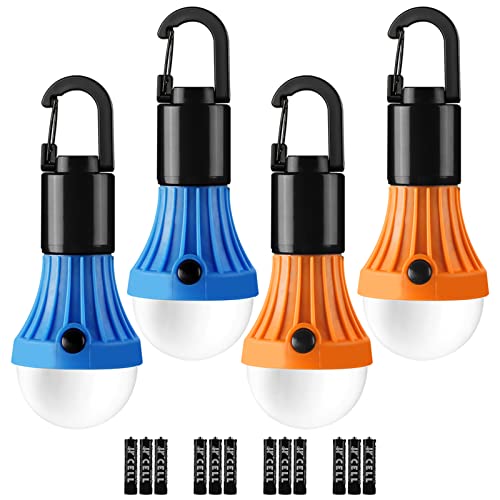
Lepro LED Camping Lantern, 3 Modes, 4-Pack

Lepro 1100LM LED Camping Lantern, Waterproof, 5 Modes

1800LM Solar Camping Lantern & Magnetic Work Light

BioLite Luci Original Solar Inflatable Lantern
Inside Each Recommended Option
This Lepro lantern earns the top spot for car campers who want one light that handles every part of the evening without switching devices. It pushes up to 1000 lumens, which translates to real brightness that fills a four-person tent or a picnic table at a group site. The build feels sturdy for the price range, and the green shell holds up to the usual drops and dirt that come with regular trips.
Power comes from three D alkaline batteries, which you supply separately, so there’s nothing to charge before leaving home. Long-pressing the button smooths the brightness up and down, and a short press cycles through daylight white, warm white, full brightness, and a flashing mode for emergencies. Compared to the compact four-pack below, this lantern trades portability for output and runtime, which matters when one unit serves a whole family setup.
Useful Touches
- 1000-lumen peak output fills a tent or a small campsite without a second light.
- Stepless dimming via long press, so you can fine-tune brightness without clicking through modes.
- Four modes including a flashing setting that doubles as a roadside or trail signal.
- Runs up to 12 hours on three D batteries at top brightness, which covers most overnight stays.
- Diffused shell produces softer light than a bare flashlight, easier on tired eyes after dark.
Things To Consider
- Batteries are not included, so budget for three D cells before the first trip.
- Heavier and bulkier than the mini lanterns below, so it stays in the car or base camp rather than a daypack.
- Not rated for submersion, so heavy rain still means tucking it inside the tent vestibule.
Who It Suits Best
Family campers and weekend group trips who want one bright, reliable lantern they can leave on the picnic table all night.
Where Another Pick Suits Better
Backpackers counting ounces should reach for the BioLite Luci Original Solar Inflatable Lantern instead, since it weighs roughly four ounces and folds flat.
Buying a four-pack solves the problem most campers run into on the second night: you need a light in the tent, one at the cooking area, one for the kids’ tent, and a spare. Each Lepro mini lantern weighs about 55 grams with batteries, smaller than a standard A19 bulb, so stashing one in a jacket pocket or a dry bag feels natural. It’s the kind of light that lives in a glovebox, a bug-out bag, or a kid’s backpack without anyone noticing.
Three modes keep things simple: a low daylight setting, a low soft white for reading, and a high cool-white mode that pushes 140 lumens. Batteries ship in the box, which removes one common trip-prep headache. The trade-off versus the larger Lepro lantern above is real, since four mini units still won’t match one big lantern for flooding a whole site.
The Helpful Details
- Four-pack covers a family’s worth of tents and cooking spots for one reasonable spend.
- Tiny footprint and roughly 55-gram weight slip into pockets, dry bags, and glove compartments.
- Batteries arrive in the box, so the lights work the moment they arrive.
- Three color temperature modes give you reading-friendly and task-friendly options.
- High mode runs around 5 hours, low modes stretch to 10 hours for overnight reading.
Worth Noting
- 140-lumen high output suits close-range tasks but feels modest for lighting a full picnic table.
- Plastic shell, so drops onto gravel can scuff the finish over time.
Right Fit For
Budget-focused campers, scout leaders, and anyone building an emergency kit who wants several small lights instead of one big one.
Consider Something Else When
Solo campers needing serious floodlight output from a single unit will get more from the Lepro 1000LM Battery Powered LED Camping Lantern.
This lantern steps up the Lepro formula with a red light mode and a waterproof shell, two features that actually change how you use it. Red light preserves night vision, which stargazers and hunters care about, and it keeps the whole tent from waking up when someone checks a map at 2 a.m. The waterproof rating means you can leave it outside under a tarp without watching the radar.
At peak, it pushes 1100 lumens, slightly brighter than the green Lepro above, and stepless dimming lets you dial in anything from a candle-like glow to floodlight brightness. Five modes cover daylight white, warm white, full brightness, solid red, and flashing red. Battery-powered and not rechargeable, so it’s grab-and-go for trips where outlets aren’t part of the plan.
Notable Upsides
- Red and flashing red modes preserve night vision and signal during roadside stops.
- Waterproof build handles rain, splashes, and humid coastal nights.
- Stepless dimming in any mode lets you match brightness to the task without preset jumps.
- 1100-lumen peak gives a touch more headroom than the smaller Lepro lantern.
Trade Offs
- Not rechargeable, so long trips still need a stash of fresh batteries.
- Larger than the mini four-pack, so it lives in the car rather than a daypack.
Key Specs
Who Should Grab It
Wet-weather campers, night photographers, and anyone who values a red light mode for stargazing or reading without ruining night vision.
Skip It When
Shoppers wanting a rechargeable battery and magnetic mounting should look at the 1800LM Solar Camping Lantern instead.
This is the lantern for people who want to leave dead batteries behind. A built-in 6000mAh battery recharges via USB or the top-mounted solar panel, which won’t replace a wall outlet on a cloudy week but adds real flexibility on long trips. The magnetic base sticks to a car hood, a steel tent pole, or a tailgate, which makes roadside repairs and campsite cooking easier than propping a flashlight on a rock.
Thirteen modes cover everything from a stark white work beam to a soft bedside glow, and the 1800-lumen peak tops every other lantern on this list. Runtime stretches up to 60 hours on lower settings, which matters during multi-day power outages. Compared to the Lepro waterproof lantern above, this unit trades the red light for solar charging and stronger magnets, so your choice depends on whether rechargeability or night vision matters more.
What It Does Well
- 1800-lumen peak output handles job-site tasks and full campsite illumination.
- 6000mAh rechargeable battery with solar top-up for off-grid charging flexibility.
- Magnetic base attaches to vehicles, steel poles, and toolboxes hands-free.
- Up to 60 hours of runtime on lower modes covers multi-day outages.
- Waterproof build stands up to rain and splashes around the cook station.
Points To Note
- Heavier than battery-only lanterns, so backpackers will feel the extra weight.
- Solar charging tops up slowly, so plan on USB for full recharges between trips.
- 13 modes can feel like overkill for casual weekend use.
Best Suited To
Overlanders, preppers, and home owners preparing for hurricane season who want one rechargeable light for camping and emergencies alike.
Reach For A Different Pick When
Backpackers chasing minimum weight will find the BioLite Luci Original Solar Inflatable Lantern a more packable companion.
BioLite’s Luci solves a problem every backpacker knows: how to bring real light without dedicating a liter of pack space to it. The whole lantern collapses to about an inch thick and weighs around 4.4 ounces, which slips into a hipbelt pocket or a paddle bag without thought. You inflate the body like a small pillow, and the LEDs glow through the clear shell.
Solar charging means no batteries to pack and no cables to remember, just a day of sun on the panel before the trip. The waterproof construction handles rain and brief dunks, so paddleboarders and kayak campers can treat it roughly. Output is modest compared to the 1800-lumen workhorse above, but for inside a tent or around a small backcountry site, it’s plenty.
The Value In It
- Collapses to roughly 1 inch thick and weighs about 4.4 ounces for true packability.
- Solar charging removes batteries and cables from the packing list.
- Waterproof build survives rain, splashes, and brief dunks on paddle trips.
- Inflatable design cushions itself against drops better than rigid lanterns.
Honest Caveats
- Peak brightness trails the larger lanterns on this list, so it’s a tent and reading light, not a floodlight.
- Solar charging needs real daylight hours, so a last-minute top-up from a battery bank helps on short trips.
Quick Facts
Who Will Love This
Backpackers, bikepackers, and paddlers who count every ounce and want a reliable light that disappears into their pack.
A Better Fit Elsewhere
Car campers wanting campsite-flooding brightness and longer runtime will get more from the Lepro 1100LM LED Camping Lantern.
Choosing Solar Lights For Camping That Actually Fit Your Trips
Brightness, measured in lumens, tells you how much area a lantern fills, but the right number depends on how you camp. Backpackers reading inside a one-person tent can get by with a soft 100-lumen glow, while a family cooking dinner at a six-person site needs 800 lumens or more to keep everyone off their phone flashlights. Picking the brightest option sounds safe, but extra lumens usually mean extra weight or extra batteries, so match output to the largest task you’ll do after dark.
Battery type matters more than most shoppers expect. Rechargeable lanterns with solar or USB top-up, like the Tuykay model, remove the need to buy D cells before every trip, but they cost extra weight. Battery-powered lanterns like the Lepro units start instantly and store for years in a kit, which suits emergency bags and occasional trips. For wet climates, look for waterproof or water-resistant ratings, since condensation inside a tent and surprise rainstorms hit every camper eventually.
Weight and packed size decide whether a light comes with you or stays in the car. Inflatable designs like the BioLite Luci collapse to roughly an inch thick, while heavier lanterns earn their place at base camp but ruin a long徒步 day. Color temperature, which describes the warm or cool tone of the light, affects mood and visibility too: warm white feels cozier inside a tent, while cool white helps with task work like cooking or sorting gear.
Key Considerations Across These Picks
Common Shopping Slip Ups
The biggest mistake I see is buying one giant lantern and expecting it to do tent duty, cooking duty, and reading duty. A single 1800-lumen floodlight blinds everyone inside a small tent, so a softer secondary light pays off fast. Another trap is ignoring runtime at the brightness you’ll actually use, since most lanterns drop from 12 hours at low output to under 3 hours at peak. Plan for the mode you’ll run most, not the headline number.
Where The Extra Money Goes
Spending more usually buys you rechargeable batteries with USB or solar input, waterproof shells that survive real storms, and useful extras like magnetic bases or red light modes. The upgrade makes sense for frequent campers and anyone building a multi-purpose emergency kit, since the same lantern covers camping, power outages, and roadside repairs. For one weekend a year, a basic battery-powered lantern like the Lepro 4-pack delivers most of the practical value at a fraction of the cost.
Frequently Asked Questions
How many lumens do solar lights for camping actually need?
For inside a small tent or a close-range task like cooking, 100 to 300 lumens handles the job without harsh glare. Lighting a full picnic table or a group campsite calls for 800 lumens or more so everyone can work without their own flashlight. The right number depends on the space, not the headline spec.
Are inflatable solar lanterns durable enough for regular use?
Inflatable lanterns like the BioLite Luci use TPU (thermoplastic polyurethane, a tough, flexible plastic) shells that handle drops and rough packing better than they look. Owners commonly report years of use with careful handling, though sharp rocks and pet claws can puncture the material. For paddle trips and rough backpackers, treat the shell kindly and it holds up fine.
Can I leave a battery-powered lantern on all night?
Most battery-powered lanterns on this list run 8 to 12 hours on low settings, which covers a full night at typical campground brightness. Running at peak brightness drains batteries much faster, so dial down for overnight use and save full power for setup and teardown. Fresh batteries or a full recharge before the trip avoids any middle-of-the-night blackouts.
Do solar lanterns work on cloudy days?
Solar panels still harvest some charge through cloud cover, though output drops dramatically compared to direct sun. For trips in cloudy regions, plan on USB top-up for the Tuykay lantern or carry a small power bank for safety. The BioLite Luci charges fastest in real sun, so a sunny afternoon sets up several nights of light.
What is red light mode useful for?
Red light preserves night vision, which matters for stargazers, hunters, and anyone checking a map without waking tentmates. Red flashing also serves as a roadside signal and a less harsh emergency beacon than white strobes. The Lepro 1100LM lantern includes both steady and flashing red modes for exactly these situations.