

I’ve watched too many houseplants slowly stretch toward a dim window and give up. The right grow light changes that equation fast, turning a sad pothos into a leafy showpiece and turning seed-starting from a gamble into a routine. This list pulls together options for windowsill herbs, full seedling racks, and decorative pendant setups so you can match the light to your space, not the other way around.
A Snapshot Of The Selections

GLOWRIUM 48W Full Spectrum LED Plant Light with Stand

VIPARSPECTRA 100W LED Grow Light for Seed Starting

VIPARSPECTRA 250W Plant Lights Full Spectrum LED

HLG 600 Rspec FR 600W Quantum Board Grow Light

VIIVUU Clip-On Plant Light (White, 1 Pack)

Soltech Aspect Gen 2 Pendant Grow Light

VIPARSPECTRA 70W Dimmable Plant Light
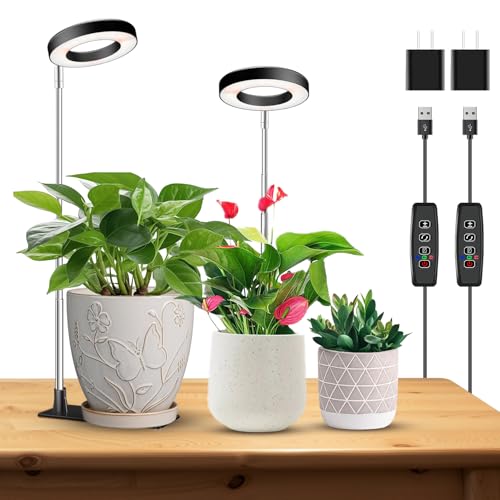
Kullsinss 3.5in Halo Plant Light, 48 LEDs

Kullsinss 3.5in Small Grow Light, 48 LEDs

Kullsinss 80 LEDs Desk Grow Lamp with Timer
More On The Choices That Made The List
The GLOWRIUM 48W grows up with your greenery, literally. Its four-section pole telescopes all the way to 79 inches, so a windowsill pothos today and a floor fiddle-leaf fig tomorrow can share the same fixture. The enlarged lamp head spreads full-spectrum output (light covering the wavelengths plants use for photosynthesis) across a generous footprint, and stepless dimming lets you dial down for ferns or up for fruiting peppers.
Compared to the smaller clip-on picks later in the list, this one trades portability for stability: you plant it, leave it, and forget it. In most living rooms, the matte finish blends in well enough that guests won’t register it as gear.
Where It Excels
- Adjustable height up to 79 inches supports tall specimens without buying a second light
- Stepless dimming (a smooth, non-stepped brightness control) ranges from a soft glow to full output for picky species
- Three lighting modes cover seedling, vegetative, and flowering stages so you don’t swap fixtures mid-grow
- Full-spectrum diodes mimic natural sunlight, reducing leggy stretching
Things To Consider
- The stand takes up floor space, so tight apartments may struggle to fit it beside a sofa
- Some users report the telescoping pole loosens over months of repeated adjustments
Feature Snapshot
Who It Suits Best
Apartment dwellers with a mix of small and medium houseplants who want one fixture that grows with them rather than a collection of clip-ons.
Where Another Pick Suits Better
If your setup leans decorative and you want a fixture guests actually notice, the Soltech Aspect Gen 2 pendant reads more like a piece of lighting than a tool.
VIPARSPECTRA’s P1000 is a quiet workhorse for the propagator who starts tomatoes in February and expects them to actually take. The redesigned diode layout spreads PAR (photosynthetically active radiation, or the light wavelengths plants actually use to grow) more evenly across a standard seed tray, so corner cells don’t lag behind the middle. The high-safety driver runs cool enough that you can hang it close to tender seedlings without scorching them.
Unlike the GLOWRIUM at #1, this isn’t a freestanding tower. It’s meant to be hung or clipped above a flat tray, which suits basement germination racks beautifully but less so for casual counter use.
Practical Advantages
- Updated diode distribution delivers more even PAR coverage across a seed tray
- High-safety driver keeps heat output low, protecting delicate cotyledons (the first leaves a seedling produces)
- Energy-efficient design cuts running costs during the long germination stretch
Trade Offs
- Requires hanging hardware or a stand, which adds setup time compared to a freestanding option
- Less suited to tall houseplants once they outgrow the seedling stage
Right Fit For
Vegetable gardeners running indoor seed-starting operations from January through April who want reliable, uniform coverage without the heat stress of older HID lamps.
Skip It When
The VIPARSPECTRA 70W might be enough for just a couple of trays and keeps your setup even simpler.
The P2000 steps up to serious territory. Its diode matrix is engineered for deeper canopy penetration (how far light reaches down through the plant), meaning the lower leaves of a bushy tomato plant or dense herb cluster still get useful energy rather than going pale and dropping. The full-spectrum output runs the gamut of wavelengths chlorophyll responds to, including the red and blue bands that drive flowering and vegetative growth respectively.
If the 100W version is a reliable sedan, this is the same brand’s pickup truck. Coverage expands, and so does the wattage draw. In a small closet, the extra heat becomes noticeable; in a 4×4 tent, it disappears into the background.
Features That Help
- Scientific diode layout pushes uniform PAR into the lower canopy
- Higher wattage covers bigger footprints without needing multiple fixtures
- Full-spectrum output supports every growth stage from seed to flower
Honest Caveats
- Heat output climbs with wattage, so ventilation matters more in enclosed spaces
- Overkill for a single windowsill herb pot
Key Product Details
Built With In Mind
Growers running a 4×4 tent or larger bloom room who want one fixture doing the heavy lifting through flowering.
Reach For A Different Pick When
The HLG 600 Rspec FR is worth the leap if you’re optimizing for measured efficiency and third-party verified output.
The HLG 600 Rspec FR is the choice for growers who measure things. Horticulture Lighting Group publishes third-party lab results for their quantum boards (LED panels with diodes mounted directly to a flat circuit board for even light spread), and this model delivers 1529 PPF (photosynthetic photon flux, a measure of how much plant-usable light the fixture emits per second) at 2.60 micromoles per joule. That efficiency rating translates directly into electricity saved over a multi-year grow.
ETL/UL certification (safety certifications from accredited testing labs, meaning the fixture meets recognized electrical safety standards) means it has passed independent electrical safety testing, which matters when you’re wiring a sealed tent environment. For a casual pothos owner, this is massive overkill. For someone running a perpetual harvest, it’s the rational purchase.
What Makes Sense
- Top-tier efficiency at 2.60 micromoles per joule reduces long-term power costs
- ETL/UL certified for verified electrical safety in enclosed grow environments
- Designed footprint covers a 4×4 tent with even light distribution
- Dimmable driver lets you match output to plant stage without raising or lowering the fixture
Room For Improvement
- Heavier upfront investment than consumer-grade panels
- The bare-board aesthetic looks industrial in a living space
Best Suited To
Dedicated indoor gardeners treating their grow as a long-term operation where electricity and lamp replacement costs matter.
Where A Sibling Pick Shines
The Soltech Aspect Gen 2 is the right call when your grow lives in a finished living room and aesthetics matter as much as output.
The VIIVUU clip-on strips the concept of a grow light down to its smallest useful form. A weighted clamp grips the rim of a pot, or you skip the clamp and stick the included stake directly into the soil. The hollow ring on the lamp head is a thoughtful weight-reduction touch that keeps the whole assembly from tipping a smaller plant over.
This sits firmly in the single-plant category, the same niche the Kullsinss halos occupy, but with a clamp-first mounting style that appeals to renters avoiding adhesive damage. Depending on your pot material, the grip is either perfect or borderline.
A Few Strong Suits
- Tight clamp stays put on standard pot rims without slipping
- Optional soil stake for pots without a clip-friendly edge
- Lightweight ring head avoids toppling smaller plants
- Easy to relocate from room to room as light needs change
Softer Spots
- Coverage area is small, so multi-plant setups need multiple units
- Glossy white finish shows dust and water spots over time
Whose Shelf It Belongs On
Plant owners with one struggling windowsill specimen who want a low-commitment way to add supplemental light without drilling or adhesives.
Look Elsewhere When
The Kullsinss 80 LED desk lamp makes more sense if you tend a small collection and want timer and spectrum control in one unit.
Soltech built the Aspect Gen 2 for people who don’t want a grow tent vibe in their living room. The pendant form factor hangs like a designer fixture, and the warm white output means your plants grow while your decor stays intact. Soltech claims 110% more plant-usable light than the original Small Aspect, which is the kind of upgrade that matters when you’re replacing an older install.
Compared to every other pick in this list, this one is the only fixture designed to be visible. The VIPARSPECTRA and HLG models hide in tents or basements; the Aspect lives on display. Depending on your ceiling height and outlet placement, installation requires basic hardworing comfort.
Noteworthy Benefits
- Pendant design reads as home decor, not grow gear
- Warm white tone blends with interior lighting rather than fighting it
- Higher output than the original Aspect for fuller foliage growth
- Dimmable to match ambient room conditions
Points To Keep In Mind
- Requires ceiling mounting and a reachable outlet, which limits placement
- Costs more per watt than utilitarian panels built purely for output
Quick Technical Notes
Who Should Grab It
Design-minded plant parents who want their grow light to pass as intentional decor in a finished room.
Swap It Out When
The GLOWRIUM 48W stand is a better call for renters who can’t drill into a ceiling or hardwire a fixture.
This 70W VIPARSPECTRA lands in the sweet spot for hobbyists running a couple of seedling trays and maybe a small herb garden. Output climbs to 11000 lumens (a measure of total visible light the bulb produces), which is generous for the power draw. The balanced 660nm red, 3000K warm white, and 5000K cool white spectrum (specific wavelengths of light tailored to plant photosynthesis: red drives flowering and fruiting, while warm and cool whites fill in the rest of the spectrum plants use) gives seedlings the wavelengths they actually use without overloading them with the harsh purple glow older grow lights were known for.
Compared to the 100W sibling earlier in the list, this one trades coverage area for a smaller electric footprint. Heat dissipation is a quiet virtue here; the fixture stays cool enough to keep adjusting through a long germination cycle.
Useful Touches
- 11000-lumen output drives strong seedling and vegetative growth from a compact panel
- Balanced red and white spectrum mimics natural sunlight rather than harsh purple
- Effective heat dissipation extends diode life during continuous operation
- Lower wattage keeps electricity costs manageable for daily use
A Few Limitations
- Limited coverage means it won’t fully illuminate a wide shelf without help
- Lightweight body benefits from secure mounting to prevent bumps from dislodging it
Perfect Match For
Casual indoor gardeners starting a few vegetable and herb trays who want solid results without stepping up to a full tent setup.
Consider Something Else When
The HLG 600 Rspec FR is the right next step once your setup outgrows a single panel and you’re ready to measure efficiency in micromoles.
The Kullsinss 3.5-inch halo is a tidy little disc of light that disappears into a plant display until you actually turn it on. Forty-eight diodes cover wavelengths from 380nm to 760nm, which is the full photosynthetic range (the span of light wavelengths from violet through red that plants use for energy production), and the detachable base lets you either rest the pot on it for stability or stake it into the soil. For desks and small shelves, that dual setup is the difference between a clean install and a wobbling one.
Where the VIIVUU clip-on goes vertical with a clamp, this halo lays low and stays out of the way. For night owls and apartment dwellers, that’s often the better trade.
The Good Stuff
- Dual mounting: detachable base or soil stake fits different pot setups
- 48 LEDs deliver full-spectrum coverage from a 3.5-inch footprint
- Compact size suits desks, tabletops, and crowded plant shelves
- Low profile keeps the focus on the plant rather than the fixture
Where It May Fall Short
- Single-light output suits one plant at a time, not collections
- Lacks a timer, so daily on-off cycling becomes a manual habit
Who Will Love This
Desk workers keeping one or two small plants alive under office lighting who want a discreet, plug-and-forget setup.
A Better Fit Elsewhere
The Kullsinss 80 LED desk lamp includes a built-in timer, which matters once your plant count climbs past two.
The smaller sibling in the halo line covers the same 380 to 760nm spectrum with 48 LEDs, but in a footprint built for tighter quarters. Where the previous Kullsinss leans display-friendly, this one is more about fitting into an awkward shelf gap or tucking behind a row of small pots. The same dual-mount setup, base or stake, applies here.
Comparing the two Kullsinss halos side by side, the differences read more like format than function. Depending on where you plan to install it, one shape will simply fit better than the other.
Strengths Worth Knowing
- Compact 3.5-inch form fits where larger halos won’t
- Full-spectrum 48-LED output across the 380 to 760nm range
- Detachable base or ground stake adapts to different plant arrangements
- Discreet profile blends with most home decor
Possible Compromises
- Light throw is shorter, so taller plants outgrow the useful range quickly
- No timer means remembering to switch it off manually
Made For
Collectors of small succulents and low-light foliage who rotate plants through a single dedicated spot rather than lighting each pot individually.
Another Choice May Suit
Skip this for one plant and grab the Kullsinss 80 LED lamp instead, since the timer and spectrum modes pay off with a single fixture serving multiple plants.
The Kullsinss 80 LED lamp is the most fully featured of the halo family’s desktop entries. Eighty diodes extend the same 380 to 780nm coverage with more total output, and the height adjusts from 9.8 to 37.4 inches, so it follows a plant from a small seedling pot to something more substantial. The 6/12/16-hour timer takes the daily on-off chore off your hands, and three spectrum modes let you shift energy toward vegetative growth or flowering without changing the fixture.
Compared to the smaller halos at #8 and #9, this one trades pure compactness for genuine functionality. In most home offices, the difference shows up the moment you travel for a weekend and come back to thriving plants instead of droopy ones.
Positive Points
- Built-in 6/12/16-hour timer runs the light on autopilot during busy weeks
- Three spectrum modes tailor output to seedling, vegetative, or flowering stages
- Height adjusts from 9.8 to 37.4 inches to follow plant growth
- Dual mounting options suit desktops, countertops, or floor placement
Where It Is Less Suited
- The taller configuration is less stable around curious pets or kids
- Multiple buttons mean a brief learning curve to find the right mode
Spec Overview
Who It Suits Best
Desk-bound multitaskers tending a small indoor garden who want timer automation and stage-specific modes without buying separate fixtures.
Not Your Match When
The Soltech Aspect Gen 2 is the smarter pick for renters or anyone outfitting a finished room where a desk lamp aesthetic feels out of place.
What Matters Most Before Choosing Grow LED Lights
The category runs from clip-on helpers under $20 to 600W quantum boards costing several times that. The right choice depends on what you’re growing, where, and how hands-on you want to be. Here are the variables that actually drive the decision.
Match Wattage To Coverage, Not Plant Count
A common slip is buying based on wattage alone. A single 100W panel covering a 3×3 footprint gives far more even growth than four 25W clip-ons scattered across the same space, since overlapping beams create hot spots (areas of concentrated light that can scorch leaves) while leaving gaps. For a single windowsill pothos, 10 to 30 watts is plenty. For a full seedling tray, 70 to 250 watts is the practical range. Anything bigger usually means a tent and a serious commitment.
Spectrum And Dimming Are Real Levers
Full-spectrum output (light covering the full range of wavelengths plants use for photosynthesis, from blue through red) eliminates the harsh purple glow older LED grow lights were known for, and it gives you flexibility across growth stages. Blue wavelengths push compact vegetative growth; red wavelengths trigger flowering and fruiting. A dimmable fixture lets you tune intensity for shade-loving ferns versus sun-hungry tomatoes without moving the lamp, which matters once plants start climbing toward the light and burning their tips.
Form Factor Follows Your Space
Floating panels suit basements and tents. Stand-mounted lights like the GLOWRIUM work in open floor plans where outlets and floor space line up. Clip-ons and halos vanish into living rooms and desktops. Pendant fixtures like the Soltech Aspect Gen 2 were literally designed to look intentional in a finished room. Pick the form factor before you pick the wattage; the wrong shape ends up in a closet within a month.
Heat, Noise, And Lifespan
LED grow lights run cooler than older HID (high-intensity discharge) lamps, but they still produce heat, and the higher the wattage, the more that heat matters in an enclosed space. Driver quality, the internal component that regulates electrical current to the LEDs, drives both longevity and electrical safety. Lower-tier drivers fail sooner and can flicker near the end of life. For any enclosed or tent setup, ETL or UL certification (marks showing the product passed independent safety testing) is a worthwhile filter.
Key Considerations Across These Picks
Where Shoppers Go Wrong
Most first-time buyers over-index on wattage and under-index on coverage shape. A 250W panel that blasts a 2×2 footprint creates burn while a 100W panel covering a 3×3 gives better average growth across the same plants. The other common mistake is ignoring mounting. A fixture that doesn’t fit your space won’t get used, and a fixture that requires drilling won’t survive a renter’s lease.
When Paying More Pays Off
Higher-tier models like the HLG 600 Rspec FR earn their price through measured efficiency, third-party verified output, and certified electrical safety. The savings show up over years of electricity use, not on the receipt. Premium pendant fixtures like the Soltech Aspect Gen 2 cost more per watt but replace a lamp you’d want to hide with one you’re happy to show off. The honest read is that the upgrade is worth it for anyone running a multi-year setup or living with their lights in a visible room.
Frequently Asked Questions
How Many Watts Per Plant Do I Need?
For leafy houseplants and herbs, 20 to 40 watts of full-spectrum LED is plenty per square foot. Fruiting plants like tomatoes and peppers push higher, closer to 40 to 60 watts per square foot during flowering.
Can I Leave A Grow Light On All Night?
Plants need a dark period to complete their respiration cycle, so running lights 24/7 stresses most species. A 6/12/16-hour timer, like the one on the Kullsinss 80 LED desk lamp, lets you automate the rhythm without thinking about it.
How Close Should The Light Hang To The Plant?
Most full-spectrum LEDs perform best 12 to 24 inches above the canopy for vegetative growth, closer for seedlings. Higher-wattage panels need more distance to avoid bleaching leaf tips, while dimmable lower-wattage fixtures can sit closer.
Do Grow Lights Use A Lot Of Electricity?
A 100W panel running 16 hours a day costs roughly the same as a few extra incandescent bulbs running the same hours. Higher-efficiency quantum boards like the HLG 600 Rspec FR stretch that further by converting more wattage into plant-usable light.
Are Full-Spectrum Lights Better Than Red And Blue Only?
Full-spectrum output covers every wavelength plants use, including ones beyond red and blue that contribute to overall plant health. The blended light also reads as natural white rather than purple, which matters when the fixture lives in your living space.
Bottom Line
Pick the form factor that fits your room first, then match wattage to the footprint you actually want to light. The GLOWRIUM covers most floor-plant setups, the VIPARSPECTRA 70W handles seed trays, and the Kullsinss 80 LED lamp is the smartest timer-equipped pick for a desk garden. For anyone serious enough to measure micromoles, the HLG 600 Rspec FR earns its place. Trust your space, then trust the spec sheet.