

There’s something quietly frustrating about stepping outside after dusk and not being able to see half of what you own. Backyards swallow detail once the sun drops, and the wrong fixture leaves you with a dim puddle near the porch and black corners everywhere else. The right flood light changes that in one evening, turning a shadowy patio into a usable room without walls.
After sorting through nine strong options ranging from cordless jobsite lights to stadium-grade panels, I found real variety in how each one solves the problem. Some prioritize portability, others chase raw lumen count, and a few split the difference with adjustable heads you can actually aim. The picks below cover typical homeowner setups, from small side yards to half-acre lots, with notes on who each one fits best.
The Picks In Brief

Milwaukee 2361-20 M18 LED Flood Light (Tool-Only)

Olafus 130W Flood Light Outdoor with 5 Adjustable Heads

Tomourd 360W LED Stadium Flood Light
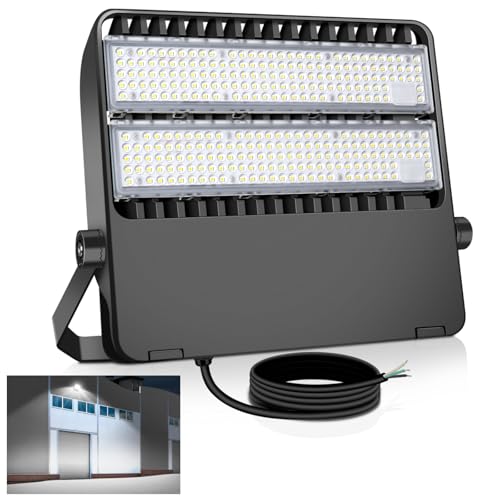
Tomourd 240W LED Stadium Light

HYPERLITE 30W Flood Lights Outdoor 2 Pack

Olafus 130W Flood Light Outdoor Wired, No Motion Sensor
Leddictive 2 Pack LED Flood Lights Outdoor 100W

Tomourd 600W Dimmable LED Stadium Light

Olafus 180W Flood Lights Outdoor Plug in
A Closer Look At Each Pick
Among cordless flood lights, the Milwaukee 2361-20 stands out for how tough it feels in the hand. The roll-cage frame and octagonal body let you set it down at almost any angle, which matters more than people realize when you’re working under a deck or beside a grill in the dark.
Because it runs on the M18 battery system, you can drop in whatever pack you already own, no cords to trip over. For a backyard where running wire isn’t practical, that freedom is the whole point.
The Case For It
- Octagonal shape lets it sit flat, on edge, or hang from the integrated bail without rolling.
- Compatible with the wider M18 battery ecosystem, so existing packs just click in.
- Impact-resistant lens and roll cage handle the inevitable bump off the tailgate.
- Compact enough to carry one-handed to the far corner of the yard.
Things To Consider
- Battery and charger are sold separately, which adds to the total for first-time Milwaukee buyers.
- Output is tuned for task lighting rather than lighting up a whole lawn.
Who It Suits Best
Anyone who already owns M18 batteries and wants a grab-and-go light for grilling, projects, or short-term backyard work.
Swap It Out When
The Leddictive 100W pair covers a wider area and stays put, making it a better match for permanently lit driveways.
Most fixed flood lights blast one wide beam and call it done. The Olafus 130W breaks that mold with five independent panels you can swivel to cover a driveway, side gate, and patio from a single mount.
It’s a hardwired unit, so installation means routing cable to a junction box, but once it’s up, the IP65 rating handles rain without complaint. For whole-yard coverage without stacking three fixtures, this is the kind of geometry that just works.
Where It Excels
- Five swiveling heads let you paint light exactly where the dark spots live.
- IP65 sealing shrugs off rain and dust for year-round outdoor mounting.
- Switch-controlled operation keeps the controls simple, no app or sensor tuning.
Worth Noting
- Hardwired install requires a junction box and basic electrical comfort.
- Lacks motion or dusk-to-dawn sensing, so it relies on a manual switch.
- Heads are adjustable but not independently dimmable from the wall.
Feature Snapshot
Right Fit For
Homeowners with a single mount point who want to light a driveway, entry, and side yard from one fixture.
Look Elsewhere When
Renters or anyone without easy wiring access should consider the plug-in Olafus 180W instead.
When a regular yard light leaves you squinting, the Tomourd 360W steps in with stadium-grade output. It’s the kind of panel you’d normally see lighting a high school field, and mounted high, it floods a serious chunk of ground.
You won’t need this much light for a 30-by-40 patio, but for long driveways, barns, or open acreage, it solves the problem a smaller fixture simply can’t. Compare that to the Olafus 130W above, which is friendlier to a typical suburban lot.
Practical Pluses
- Wide beam pattern covers several thousand square feet from one mount.
- Die-cast housing aids thermal management for longer LED life.
- Adjustable bracket lets you aim the panel after installation.
Honest Caveats
- Output is overkill for small backyards and may bother neighbors.
- Requires a higher-amperage circuit than a typical household outlet provides.
- Mounting hardware and aiming are best handled with a second person on a ladder.
Best Suited To
Owners of open lots, farms, or large driveways who want one fixture instead of a cluster.
Not Your Match When
Backyard patios lit for ambiance are better served by the Olafus 130W with adjustable heads.
The 240W sibling of the 360W panel trades a little raw output for a tighter, more focused beam. That focus helps when you want light landing on a specific court or lot without spilling into the neighbor’s yard.
It’s a useful middle ground between a residential flood light and a full stadium rig. Where the 360W above is built for sheer coverage, this one is built for direction.
What Helps Most
- 120° beam angle gives wide throw while keeping spill contained.
- Sturdy yoke bracket simplifies aiming once it’s mounted on a pole.
- Lower draw than the 360W, easing circuit demands.
Some Limits To Know
- Still demands proper wiring rather than a wall outlet.
- Color temperature sits in the cooler range, which some find harsh at close range.
Feature Snapshot
Whose Shelf It Belongs On
Property owners with a tall pole or barn eave ready to host a serious fixture.
Consider Something Else When
A standard suburban backyard is too small for this much light, and the Olafus 130W handles it more gracefully.
The HYPERLITE 30W pair earns its spot by covering the small stuff: gateposts, garden corners, garage doors. Each fixture puts out a modest but useful pool of light at a 5000K color temperature, which reads as a clean, neutral white.
Where the larger panels above are built for wide-open spaces, these handle the trim work that makes a yard feel finished. Two fixtures in the box is a real perk when you only need a handful of accents.
Good Reasons To Consider
- Knuckle mount allows fine aiming along walls and posts.
- UL listing adds a layer of safety assurance for permanent wiring.
- IP65 rating handles sprinklers and rain without complaint.
- Two-pack format covers multiple entry points at once.
Points To Keep In Mind
- 3,300 lumens per fixture is modest compared to 130W or stadium panels.
- No motion sensor or smart controls built in.
Who Will Love This
Homeowners who want gentle accent lighting around a fence line, garage, or shed without flooding the whole yard.
A Better Fit Elsewhere
Anyone needing to light a long driveway should consider the Tomourd 240W for its deeper reach.
This is the quieter sibling of the Olafus 130W covered earlier, sharing the same five-head layout but producing a lower lumen count. For smaller properties, that lighter output is genuinely easier to live with.
The form factor stays familiar: switch-controlled, IP65 sealed, hardwired. If you’ve already researched the higher-output version and decided it was too much, this is the natural fallback.
Useful Highlights
- Five adjustable heads match the geometry of the brighter model.
- IP65 weather sealing is identical to the higher-output sibling.
- Switch-only operation keeps setup simple for those who don’t want sensors.
Small Caveats
- Lower output means more fixtures needed for very large lots.
- Hardwired install still requires a junction box and basic wiring work.
Feature Snapshot
Perfect Match For
Homeowners with a modest yard who want adjustable coverage without overwhelming brightness.
Reach For A Different Pick When
A larger property benefits from the higher-output Olafus 130W reviewed earlier.
Two 100W panels in one box is a quietly generous setup. The Leddictive pair gives you enough punch to flank a driveway or split coverage between front and back without buying fixtures twice.
Each unit runs on a die-cast aluminum body with a finned back for heat dissipation, which helps LEDs last longer in warm climates. Compared to the cordless Milwaukee up top, this is the more permanent answer.
What Makes Sense
- Pair format cuts the per-fixture cost for two-zone lighting.
- Die-cast aluminum shell with finned radiator manages heat well.
- 6000K daylight tone reads crisp and clean at night.
Trade Offs
- Cooler color temperature can feel harsh on eyes at close range.
- Hardwired only, so each fixture needs its own junction box planning.
- Lacks motion sensing or smart controls.
Made For
Driveways, workshops, and anyone wanting symmetrical coverage from two fixtures at once.
Where A Sibling Pick Shines
Single-zone coverage with aiming flexibility is better served by the Olafus 130W with five heads.
The Tomourd 600W is the heavyweight of the list, built for sport courts and acreage where stadium-level brightness is the actual goal. Unlike the smaller Tomourd fixtures, this one adds dimming and laser aiming for precise control.
For most backyard readers this is more than needed, and that’s okay. Where it fits, it fits perfectly, covering a tennis court or half-acre lawn from a single mount.
Everyday Wins
- Dimmable driver lets you tune output for game nights versus ambient use.
- Laser aiming simplifies accurate beam placement from the ground.
- 270° adjustable bracket allows precise aiming.
Practical Considerations
- Demands a dedicated high-amperage circuit and a tall mounting pole.
- Color rendering is broadcast-grade, which is overkill for casual yard lighting.
- Installation is two-person work on a ladder or lift.
Feature Snapshot
Built With In Mind
Sport court owners, hobbyist athletes, and rural property owners with acreage and a pole.
Skip It When
A typical residential yard needs far less, and the Olafus 130W handles that without the electrical demands.
The plug-in design is the whole story. Where most of the wired fixtures on this list need a junction box and electrical work, the Olafus 180W drops onto a unique base and runs off a standard outlet.
For renters or anyone who doesn’t want to fish wire through siding, that simplicity is worth a lot. The brightness still lands in serious territory, comfortably covering a medium backyard.
The Good Stuff
- Plug-in base skips the junction box entirely.
- Switch-controlled operation keeps the controls simple and predictable.
- 168 LED chips deliver bright, even coverage for typical yards.
A Few Limitations
- Plug-in cord limits where you can mount it without an outdoor outlet nearby.
- Heavier output than small accents, so placement still matters.
- Lacks motion or smart features.
Feature Snapshot
The Right Fit
Renters and homeowners without easy wiring access who still want a serious amount of light.
Another Choice May Suit
Those willing to hardwire gain more placement flexibility with the wired Olafus 130W.
What To Weigh Before Picking Flood Lights For Backyard
Brightness is the first number most people chase, but lumens mean the actual light output a fixture produces, and more isn’t always better. A 60,000-lumen stadium panel pointed at a 30-foot patio will blind anyone standing near it. Match output to the area you’re lighting: under 5,000 lumens works for entryways and accent posts, 10,000 to 20,000 covers a typical yard, and higher tiers belong on lots or courts where wide, even coverage is the goal.
Mounting style quietly decides how useful a fixture ends up. Hardwired units give you the most placement freedom but require a junction box and some electrical comfort. Plug-in models trade that flexibility for an easier install, which matters a lot for renters or anyone avoiding wall repairs.
Beam angle and adjustability matter just as much as raw lumens. A single 120° beam floods forward predictably, while a fixture with five adjustable heads lets you redirect light after installation. For yards with awkward shapes, driveways, and side gates, that aiming flexibility solves problems a fixed beam cannot.
Finally, weather rating matters more than spec sheets suggest. An IP65 rating means the fixture is sealed against dust and low-pressure water jets from any direction, which is the practical floor for outdoor use year-round. Anything lower and you risk moisture intrusion shortening the LED’s life.
Smart Considerations Across These Picks
Common Buying Traps To Sidestep
A common slip is buying the highest lumen count without checking beam angle or color temperature. A cooler 6000K tone reads crisp and bright on paper, but it can feel harsh on eyes at close range and may bother neighbors. Warmer 4000K options tend to feel friendlier around seating areas.
Another trap is overlooking the circuit. Stadium-tier units pull serious amperage, and a typical 15-amp household circuit won’t run them safely. Before choosing a higher-output panel, confirming the available circuit capacity saves a frustrating install day.
When Paying More Makes Sense
Higher-tier models earn their cost through better heat dissipation, longer-rated LED life, and more flexible aiming hardware. For fixtures mounted 20 feet up on a pole, that durability matters because replacing a failed unit is a real chore. For a low-mounted patio light used occasionally, a budget-friendly 30W pair covers the same need without the premium build.