

A tumble down an unlit porch step can ruin a whole evening, and I’ve helped friends spec out deck lighting enough times to know the difference between a setup that looks polished and one that throws harsh spots across the wood. The right deck step lights turn a tricky staircase into a confident walk, and they pull double duty by making railings, risers, and paver edges feel intentional instead of leftover.
This roundup walks through ten solid options across solar and low-voltage categories, with notes on brightness, build, and the kind of project each one fits. My goal is to help you match the right fixture to your deck, your climate, and the look you’re after.
The Picks In Brief
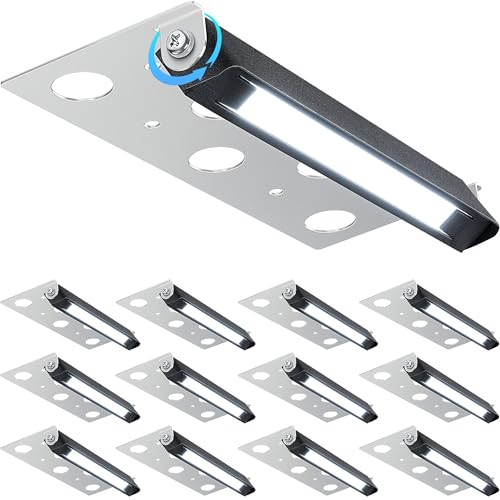
SUNVIE 7 Inch 5W LED Hardscape Lighting 12-Pack

CLOUDY BAY Anti-Glare Recessed Step Lights 12-Pack
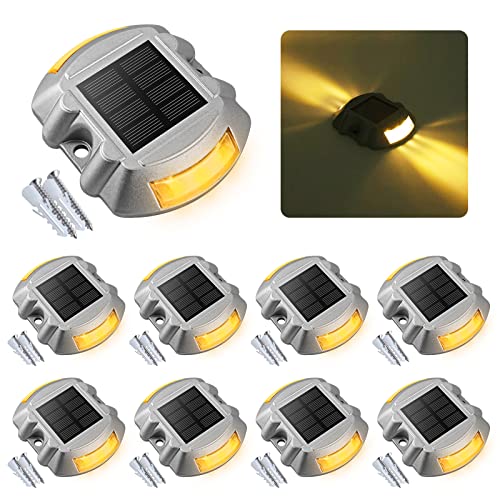
VOLISUN Solar Deck Driveway Lights 8-Pack
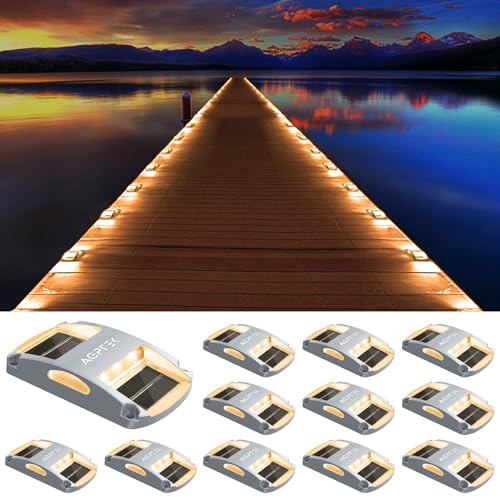
AGPTEK Solar Driveway Lights 12-Pack

VOLISUN Solar Deck Lights 12-Pack (Black)
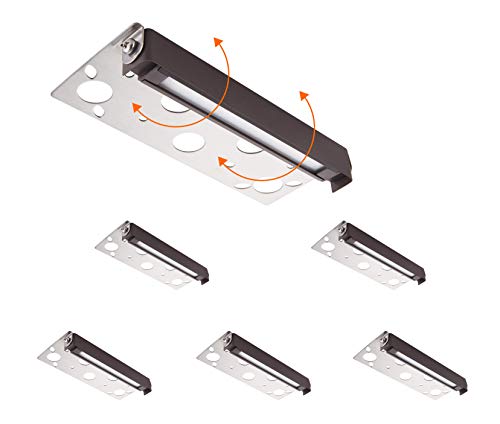
CLOUDY BAY 7-Inch Hardscape Paver Lights 6-Pack

VOLISUN Solar Driveway Marker Lights 4-Pack
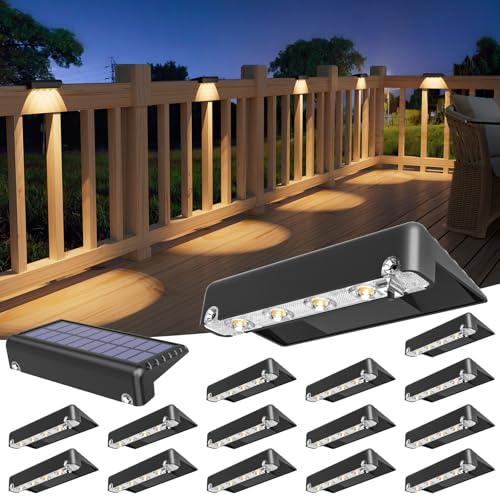
VOLISUN Solar Deck Lights 16-Pack (Black)

VOLISUN Solar Deck Lights 8-Pack

GKOLED 12-Pack Linear LED Step Lights
A Breakdown Of The Leading Choices
If your deck sits beside a retaining wall or stone planter, SUNVIE’s 7-inch hardscape bar is the kind of fixture that earns its keep by solving a specific problem. The light direction adjusts across a wide arc, so you can angle the glow downward onto a tread instead of blasting it into someone’s eyes walking up the stairs.
Built for 12-24V AC/DC low-voltage systems, it slots into most existing landscape transformers without rewiring. The 5000K daylight tone reads crisp and white, which suits modern decks and contrasts nicely with cedar or composite boards.
Reasons It Performs
- The adjustable head lets you aim the beam down onto the tread rather than across the walkway
- 5000K daylight output helps highlight textured stone walls and paver patterns
- Low-voltage compatibility means an easier tie-in with most landscape transformers already on the patio
- Twelve-pack quantity suits a long retaining wall plus matching step runs without scrambling for extras
Things To Consider
- Requires a low-voltage transformer and basic wiring know-how, which adds setup time compared to solar units
- The cool daylight tone can feel clinical on warmer wood decks where a softer glow fits better
Feature Snapshot
Made For
Homeowners with stone or paver retaining walls who want a wired, low-voltage solution that lights treads and walls in one fixture.
Consider Something Else When
Skip this pick for renters or anyone without an existing low-voltage setup, and lean toward the CLOUDY BAY recessed risers instead.
Where SUNVIE’s bar lights wash the face of a wall, CLOUDY BAY’s recessed units disappear into the riser itself. The oil-rubbed bronze housing reads warm and architectural, and the 2700K glow leans soft rather than clinical, which suits older homes and natural wood treads beautifully.
These mount two ways, recessed into a riser cutout or set as an in-ground paver light, so they flex between a stair project and a side pathway. The IP65 rating handles splashing rain and morning dew without drama.
Key Advantages
- Anti-glare design keeps the beam low and angled downward, sparing your eyes on the climb
- Oil-rubbed bronze finish pairs well with stained wood and traditional architecture
- Dual-mount flexibility means the same fixture works in stair risers or flat paver zones
Worth Noting
- Recessed installation requires a hole cut into each riser, which adds planning before the project starts
- Needs a low-voltage transformer, so plan for that piece if your yard isn’t already wired
Quick Facts
Right Fit For
Anyone remodeling a traditional deck with stained risers who wants a flush, glare-controlled warm-white glow at every step.
Look Elsewhere When
Reach for the SUNVIE hardscape bar instead if you need to wash a tall retaining wall rather than light individual risers.
For anyone renting a home or simply not wanting to wire anything, VOLISUN’s 8-pack of solar dots is a low-commitment way to outline a stair edge or driveway. Each light charges through its built-in panel and switches on at dusk without a switch or timer to manage.
The compact puck shape tucks against a riser face or sits flat on a dock edge, and the warm output reads inviting rather than harsh. You won’t get the throw of a wired bar light, but the convenience is hard to beat for a first lighting project.
A Strong Showing
- No wiring, transformer, or tools needed beyond a drill for mounting screws
- Automatic dusk activation removes a daily step from your routine
- Warm output feels welcoming on a porch or garden path after sunset
Trade Offs
- Solar charging depends on direct sunlight, so shaded treads will dim faster
- Battery performance drops in winter or during long stretches of cloudy weather
Best Suited To
Renters and weekend DIYers who want a no-wires path or step outline without committing to a full low-voltage system.
Skip It When
Choose the CLOUDY BAY recessed risers instead if your deck sits in heavy shade or you need a steady, all-night glow regardless of weather.
The double-sided design here is what caught my eye. Rather than throwing light in one direction and leaving the other side dim, AGPTEK’s fixture spreads an even wash across both faces, so a long driveway reads as a continuous line of glow rather than a row of half-lit dots.
It also pulls double duty on docks and deck perimeters, which is helpful if your yard has more than one outdoor surface to light. The solar panel sits on top, so mounting it under deep eaves is not ideal, but anywhere with reasonable sun gets reliable performance.
Where It Helps
- Even double-sided output looks more polished along long driveways than single-beam solar dots
- Marine-grade waterproofing suits dock edges and other splash-prone zones
- Twelve-pack covers a generous stretch without leaving you short at the end
Room For Improvement
- Needs reasonable daily sun to hold a full evening’s charge, so deeply shaded spots will dim early
- Surface-mount style is more visible than recessed options like the CLOUDY BAY units
Perfect Match For
Homeowners with long driveways or multi-surface yards who want continuous-looking glow without running wire.
Reach For A Different Pick When
Step toward the GKOLED linear lights if you want a flush, architectural look on a tight stair rather than a visible marker along a driveway.
The larger solar unit in VOLISUN’s lineup covers more real estate per fixture, which matters when you’re outlining a deck perimeter plus fence posts in the same evening. The focusing lens design pushes a tighter, brighter beam than the smaller puck model earlier in this list.
Mounting it along a fence top rail or stair riser is straightforward, and the warm white glow leans toward the cozy end of the spectrum. For a mixed yard with several spots to light, this pack hits a nice middle ground.
Practical Advantages
- Larger lens throws a wider, brighter beam than compact solar pucks
- Versatile mounting on deck, fence, railing, and stair surfaces from one box
- Warm white tone keeps the yard feeling inviting rather than industrial
Points To Note
- Battery life varies with how much direct sun each location receives
- Not as discreet as recessed wired options when you want a flush, hidden look
Who Should Grab It
Homeowners lighting a mixed yard with both stair treads and fence rails who want one solar pack that handles both.
A Better Fit Elsewhere
Lean toward the SUNVIE hardscape bar if your project leans heavily on stone walls and pavers rather than wood rails.
Where the SUNVIE hardscape bar covers a big wall, this CLOUDY BAY 6-pack is the friendlier option when your project is smaller or you want a softer 2700K tone. The frost lens diffuses the beam so it spills rather than streaks across the stone.
The cuttable body is genuinely useful, because not every step or wall cap lines up with a standard 7-inch length. You can trim along the dotted guide to fit a tighter spot, which makes this a forgiving choice for irregular hardscape layouts.
Good Reasons To Consider
- Cuttable design adapts to non-standard paver and step widths
- Frost lens softens the beam, sparing onlookers from harsh glare
- Warm 2700K tone pairs naturally with stone and brick surfaces
Small Caveats
- Six-pack quantity suits smaller projects, so large retaining walls may need a second box
- Still requires low-voltage wiring and a transformer for operation
At A Glance
Whose Shelf It Belongs On
DIYers tackling a smaller stone step or short retaining wall who want warm light and the freedom to trim the fixture to fit.
Swap It Out When
Step up to the SUNVIE 12-pack if you have a long wall that demands more fixtures than this six-pack provides.
Most deck lighting is functional and forgettable, but this 4-pack adds personality with a red and green color switch on each fixture. Flip the toggle underneath to match a holiday mood, a sports team, or a seasonal yard display.
The four-pack size works well for short accent runs along a small dock or the corners of a patio, where a full 12-pack would feel like overkill. It still charges via solar and switches on at dusk like the other VOLISUN units, so the day-to-day experience is just as hands-off.
The Upside
- Dual color mode lets you swap between red and green without buying two sets
- Compact four-pack suits smaller accent projects without waste
- Wire-free solar design fits renters and quick seasonal decorating
Points To Keep In Mind
- Color-switch feature is fun but produces a more decorative glow than steady white safety lighting
- Small pack size means larger perimeters will need multiple orders
Who Will Love This
Holiday decorators and seasonal yard enthusiasts who want to add a touch of color to a dock or patio edge.
Another Choice May Suit
Choose the VOLISUN 8-pack solar model earlier in this list for everyday warm-white lighting instead of color-themed accents.
When a deck wraps around more than one side of a house, eight or twelve fixtures rarely feels like enough. This 16-pack gives you the headroom to cover a full perimeter, two stair runs, and a fence line without playing inventory Tetris partway through the project.
The lens focuses the beam tighter than the older compact pucks, which helps each fixture do more work. The warm white output reads cozy, and the black housing blends into most deck railings and post caps without screaming for attention.
Advantages To Know
- Sixteen fixtures cover an entire deck perimeter plus stairs from a single order
- Focused lens throws a brighter, more concentrated beam than basic solar dots
- Black housing stays discreet against dark-stained railings and post caps
A Few Limitations
- Solar charging requires decent daily sun, so heavily shaded yards will see shorter run times
- Larger pack size means more time spent on installation than smaller solar sets
The Details
Built With In Mind
Homeowners wrapping a large deck perimeter in solar lighting who want one box to handle the whole job.
Not Your Match When
Move to the GKOLED linear wired lights instead if your priority is a flush architectural look on tight stair treads.
Sometimes twelve fixtures is too many and four is too few, which is exactly where an 8-pack earns its place. This middle-tier VOLISUN set covers a modest stairway or a short fence run without forcing you to overbuy or scramble for a second order.
The lens design is the same upgraded focusing type used in the larger packs, so the beam quality matches what you’d get from a fuller kit. If your project is a small back stair rather than a wraparound deck, this fits neatly.
Real-World Strengths
- Mid-size 8-pack suits short stairways and modest fence runs without surplus
- Same upgraded focusing lens as the larger VOLISUN packs
- Warm white output keeps the look consistent across the property
Less Ideal Details
- Solar-only design means heavily shaded areas will see reduced runtime
- Limited to eight fixtures, so larger projects will still need the 16-pack
Right Fit For
DIYers lighting a small stairway or a modest fence section who want the upgraded VOLISUN lens without buying extra.
Where A Sibling Pick Shines
Pick up the 16-pack version instead if your project spans both stairs and a long fence run.
GKOLED’s linear bar is the closest thing on this list to a custom architectural look. The cutoff design hides the LED behind a lip, so the beam spills onto the tread without anyone staring directly at the source, which is exactly the kind of detail that makes a stair feel finished rather than improvised.
The die-cast aluminum body and powder-coated finish suggest it can handle freeze-thaw cycles without complaint, and the slim profile fits tight risers where a chunkier fixture would look out of place. It needs a low-voltage system, so it suits projects already wired for landscape lighting.
Strong Points
- Cutoff lip shields the LED so the beam lands on the tread, not in your eyes
- Slim linear shape fits narrow risers where bulkier bars look oversized
- Die-cast aluminum with powder-coated finish weathers outdoor conditions well
Honest Caveats
- Wired low-voltage installation requires a transformer and basic wiring
- 2W output is gentler than the 5W hardscape bars, so very deep treads may look underlit
Best Suited To
Homeowners with a tight, modern stair who want a slim architectural look and an existing low-voltage system to plug into.
A Different Pick May Suit
Choose the CLOUDY BAY hardscape paver lights instead if your project centers on stone rather than wood risers.
What To Weigh Before Choosing Deck Step Lights
Wired low-voltage systems give you steady, all-night output regardless of weather, but they require a transformer and the willingness to run cable. Solar lights trade that consistency for zero wiring, which is a genuine win for renters and shaded retrofits.
Color temperature changes the feel of a deck more than people expect. Warm 2700K light flatters stained wood and traditional architecture, while cool 5000K reads crisp and modern against stone or composite boards. Pick the tone that matches your house rather than your neighbor’s setup.
Glare control matters more than raw brightness on stair treads. Cutoff designs and anti-glare recessed housings keep the beam on the tread and out of your eyes as you climb, which is the difference between feeling guided and feeling stared at.
Key Considerations Across These Picks
Pitfalls Shoppers Hit
The most common mistake is underestimating how many fixtures a stair actually needs. A single light per tread looks spotty, while two per tread reads as a continuous wash. Measure your stairs before ordering and aim for even spacing rather than guesswork.
Another trap is assuming solar lights work in shade. A stair tucked under heavy tree cover charges poorly and dims early, so wired low-voltage is the safer bet for shaded spots.
Where The Extra Money Goes
Spending more typically buys better glare control, sturdier aluminum housings, and adjustable beam direction. These show up as longer service life and a more polished look after dark.
The upgrade pays off most when the deck is the main way people enter the home at night. A high-traffic stair benefits far more from cutoff optics and steady wired output than a side garden path that only sees occasional use.
Frequently Asked Questions
Do solar deck step lights work in winter?
They can, but performance drops with shorter days and weaker sun. In snowy regions, expect shorter evening runtimes and plan for occasional manual charging if a stair is critical for safety.
Can low-voltage deck lights be added to an existing landscape system?
Most 12-24V fixtures connect to a standard landscape transformer, so adding deck lights to an existing setup is usually straightforward. Confirm the transformer’s total wattage capacity before extending the run.
How far apart should deck step lights be spaced?
Spacing one light per tread on center looks even and reads cleanly. For wider stairs, two per tread spaced a few inches in from each side produces a more continuous wash.
Are recessed step lights harder to install than surface mounts?
Recessed units require cutting a hole into each riser, which adds planning and tools. Surface-mount solar lights attach with screws and need only a drill, making them quicker for first-time projects.
What color temperature is best for outdoor step lighting?
Warm 2700K suits wood and traditional homes, while cool 5000K flatters stone and modern surfaces. Pick the tone that matches the surrounding materials rather than chasing the brightest option.
The Takeaway
The best deck step lights are the ones matched to your surface, your climate, and your tolerance for wiring. Walk the stair at night before buying, decide between the steady glow of low-voltage or the easy install of solar, and choose a color temperature that flatters what’s already there. With the right pick, the same stair that used to feel risky after dinner becomes the most inviting path on the property.