

Recessed can lights look simple until you stand in the fixture aisle. The wrong size, base, or beam shape leaves dark corners or glare, and the right pick quietly transforms a kitchen or hallway. I put together this shortlist for anyone replacing a few tired bulbs or refitting an entire ceiling.
A Side-By-Side Look

Philips Hue Smart 60W A19 LED Bulb (2-Pack)
MASTERY MART 10 Pack Vintage Edison Bulbs E26 5.5W

TJOY 12 Pack BR30 Flood Light Bulb Indoor Soft White

Brightown 4-Pack Edison Light Bulbs E26 2700K Warm White

TJOY 12 Pack BR30 Flood Light Bulb Indoor Warm White

Duoled T10 LED Bulb 5000K Cool White Dimmable E26 8W
Philips Hue Smart 40W B39 Candle Bulb E12 Color Ambiance
ELEKICO 20-Pack T8 LED Bulbs 4 Foot 24W 6500K Daylight
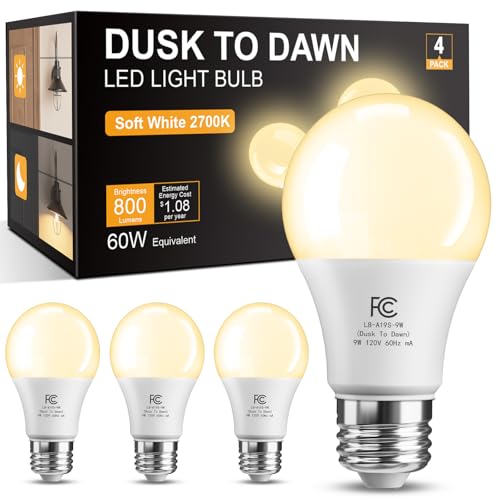
TJOY Dusk to Dawn Light Bulb Outdoor 2700K Sensor

TJOY 12 Pack BR30 Flood Light Bulb Indoor Daylight
The Details Behind The Selections
Smart lighting inside a can fixture used to mean an extra hub and a thick instruction booklet. The Philips Hue A19 60W-equivalent runs straight from Bluetooth, so the first time you twist it into a recessed housing and open the Hue app, the fixture just appears. It puts out 800 lumens (a measure of how much visible light a bulb produces), which feels close to a traditional 60W incandescent in a 4 to 6 inch can.
Pair it with the Hue Bridge later and the same bulb unlocks automations, away-from-home control, and Matter compatibility (a newer smart-home standard that lets devices from different brands talk to each other). For homeowners building toward a connected house room by room, this is one of the smoother on-ramps I’ve seen. The catch is that A19 bulbs are taller than a BR30 (a short, wide flood shape designed for recessed cans), so some shallow housings may not close cleanly around them.
Reasons It Performs
- Full white and color spectrum from a single bulb, useful for movie nights or dinner scenes.
- Bluetooth control means no extra hardware required to get started.
- Works with Alexa, Google Assistant, and Apple HomeKit once paired in the app.
- Bridge unlocks automations, remote access, and Matter bridging without buying a different bulb.
- Standard E26 base (the everyday screw-in socket used across most U.S. homes) drops into virtually any 4 or 6 inch can.
Things To Consider
- The A19 shape sits taller than a true BR30, so deep shrouds or tight trims may clip the bulb.
- Full Hue features depend on the Bridge, which is sold separately.
- Color bulbs run warmer than dedicated white-only units at full brightness.
Feature Snapshot
Made For
Homeowners gradually building a smart-home setup and anyone who wants app and voice control of a single can light without buying extra hardware first.
Consider Something Else When
The TJOY 12 Pack BR30 Soft White makes more sense for shoppers planning a whole-ceiling retrofit on a tighter budget.
The first pick handles brains. This one handles atmosphere. MASTERY MART’s ST19 vintage bulbs mimic the look of early Edison filaments inside a clear glass envelope, which matters most in open or eyeball-style trims where the bulb itself becomes part of the room. Each one draws 5.5W and produces around 500 lumens, similar to an old-school 60W bulb at a fraction of the energy.
These run at a soft 2700K color temperature (a warm, candle-like tone measured on the Kelvin scale, where lower numbers read warmer), and they’re fully dimmable on a compatible switch. For exposed-bulb can fixtures in a coffee shop corner or above a kitchen island, the look carries more weight than the lumen count. The trade-off shows up in plain downlights: a clear filament bulb throws shadows a frosted flood would soften.
Everyday Perks
- Visible LED filament creates a warm, vintage look even when the light is off.
- 5.5W replaces a 60W incandescent, so most cans stay cool to the touch.
- Dims smoothly on a standard LED-rated dimmer for movie-night mood lighting.
- 10-pack covers an entire ceiling without leaving odd leftovers.
Points To Note
- Clear glass shows every bit of dust, so cans need occasional wiping.
- 500 lumens per bulb runs dim in larger rooms with high ceilings.
- Not ideal for sealed or covered trims where the filament style is hidden anyway.
Best Suited To
Shoppers decorating with open or retro-style trims and restaurants or homes chasing a warm Edison aesthetic on a practical LED budget.
Look Elsewhere When
The Brightown 4-Pack Edison Bulbs E26 covers a similar look at a smaller count for someone testing the style first.
If most of your recessed cans sit flush in a standard 5 or 6 inch ceiling, a BR30 (the short, wide flood shape engineered for recessed fixtures) is the shape that fits without fuss. TJOY’s 12-pack soft white floods run at 2700K and dim smoothly from 10% to full brightness on a compatible switch. CRI (Color Rendering Index, a 0 to 100 score showing how accurately a bulb shows true colors) lands at 80+, which means wood tones, skin, and fabrics look the way you’d expect.
For a living room with eight to twelve cans, this is the workhorse option. The bulbs run cool enough to leave on for hours, and replacing the whole ceiling at once keeps the color consistent from fixture to fixture. Worth noting that soft white sits warmer than daylight, so a single room can skew yellow under heavy use at night.
Real-World Strengths
- BR30 shape drops cleanly into most 5 and 6 inch recessed housings.
- Wide flood beam fills living rooms evenly without hot spots.
- CRI of 80+ keeps wood floors and fabrics looking natural.
- 12-pack replaces an entire ceiling in one pass.
Trade Offs
- 2700K reads warm in already-yellow rooms; pair with neutral paint to balance.
- Dimming range depends on the wall switch, and not every older dimmer cooperates.
The Right Fit
Homeowners refitting a living room or bedroom ceiling who want consistent warm-white light without paying per-bulb smart premiums.
Skip It When
The TJOY BR30 Warm White 3000K option is a better match for kitchens that lean modern and crisp without going full daylight.
Brightown keeps things simple: four 6W filament-style bulbs on a standard E26 base at 2700K. They ship non-dimmable, which is the honest read for a budget retro filament. For a hallway with two or three decorative cans, that’s plenty.
The shape and warm tone echo the MASTERY MART pick from earlier, just in a smaller count for tighter projects. The trade-off is brightness. At roughly 750 lumens per bulb the output feels generous, but the lack of dimming means living-room moods require lamps rather than the ceiling.
The Helpful Details
- 4-pack fits small projects without leftover bulbs gathering dust.
- 6W draws less power than older incandescents while keeping the Edison look.
- E26 medium base fits common U.S. recessed and pendant sockets.
- Rated for around 20,000 hours of use under normal conditions.
Honest Caveats
- Non-dimmable, so brightness stays fixed on a standard wall switch.
- Clear glass exposes dust more than a frosted flood bulb would.
Perfect Match For
Anyone wanting the Edison look in a short hallway or a small entryway without committing to a full 10-pack.
A Better Fit Elsewhere
The MASTERY MART 10 Pack Vintage Edison Bulbs covers a full ceiling of filament cans and supports dimming for shoppers who want more flexibility.
Step up a tick on the Kelvin scale and you land at 3000K, which still reads warm but stops short of the candle-orange glow of 2700K. TJOY’s warm white BR30 floods deliver that middle tone with a 120-degree beam angle (a measure of how wide the light spreads), enough to wash a hallway or open-plan living area without gaps between fixtures.
The CRI of 80+ keeps food, faces, and fabrics looking natural, which matters more in spaces where the lighting does double duty. Compared with the soft white floods earlier in this list, the 3000K version feels less sleepy in the evening while still avoiding the harsher blue tint of daylight bulbs.
Key Advantages
- 3000K strikes a useful balance between cozy and crisp.
- 120-degree beam covers wide hallways with fewer cans.
- CRI of 80+ renders wood and skin tones accurately.
- 12-pack handles a whole-room replacement in one purchase.
Less Ideal Details
- Still classified as warm white, so it may read yellow against pure-white cabinetry.
Quick Facts
Who Should Grab It
Homeowners with white or off-white walls who want warm enough light to feel relaxed without losing clarity across a wide hallway.
Reach For A Different Pick When
The TJOY 12 Pack BR30 Daylight suits cooks and crafters who want maximum visibility in the same BR30 shape.
The T10 tubular shape gives this bulb a longer, narrower profile than the BR30 floods earlier in the list. That matters in fixtures where the bulb shows, like decorative pendants mounted in a recessed housing or certain vanity trims. At 5000K, it lands firmly in cool white territory, closer to natural midday light than a warm filament.
8W of draw paired with dimmability makes it a flexible pick for craft rooms, home offices, and accent cans that need crisp visibility. The Edison-style filament keeps the look decorative even at full daylight color, which helps when a single fixture has to read as both task light and design element.
Everyday Wins
- 5000K cool white supports focused tasks like sewing or paperwork.
- Dimmable output softens the room when chores are done.
- Tubular T10 shape fits decorative trims where BR30 floods look stubby.
- E26 base installs the same way as a standard household bulb.
Possible Compromises
- Cool tone can feel clinical in living rooms used primarily for relaxing.
- Edison-style filament shows dust easily in clear glass envelopes.
Built With In Mind
Crafters, hobbyists, and home-office workers who want crisp cool-white visibility inside an exposed-bulb can trim.
Swap It Out When
The MASTERY MART 10 Pack Vintage Edison Bulbs serves the same exposed-bulb look at a warmer 2700K tone for relaxation-first spaces.
Small-can trims and tight decorative fixtures use E12 candelabra bases (the smaller screw-in socket found in chandeliers and certain accent cans), not the standard E26 socket most rooms use. Philips Hue’s B39 candle bulb fits that socket while still pulling the full Hue feature set. The 450 lumen output reads as a 40W replacement, modest by living-room standards but well-sized to a single accent fixture.
It uses 9W and supports the same app and voice control as the larger A19 Hue bulb earlier in this list. The candelabra shape limits it to trims built for that base, so this is a specialty pick rather than a whole-home solution. Worth noting that one bulb ships in the box, which keeps the per-fixture cost higher than a 4-pack of standard floods.
Benefits That Matter
- E12 candelabra base fits decorative trims that won’t accept E26 bulbs.
- Full white and color ambiance for accent scenes.
- Bluetooth start-up, with Bridge adding automations and Matter support.
- Compact candle shape works in shallow housings.
Things To Weigh
- Single-bulb pack runs a higher per-unit cost than multi-packs.
- 450 lumen output is modest for larger cans with no surrounding trim.
Whose Shelf It Belongs On
Homeowners with E12 candelabra cans who want the same smart features as a standard Hue bulb in a smaller form factor.
Where A Sibling Pick Shines
The Philips Hue A19 from earlier in the list fits standard E26 sockets and ships two to a box for whole-room setups.
Garages, basements, and workshop ceilings usually use 4-foot fluorescent troffers (long rectangular ceiling fixtures that hold tube bulbs), not residential recessed cans. The ELEKICO T8 tube replaces the older fluorescent tubes directly, drawing 24W per 4-foot bulb and putting out 3600 lumens at 6500K daylight. The high output makes it a heavy-duty pick for spaces where clarity matters more than warmth.
Installation requires a ballast bypass (rewiring the fixture so it skips the old fluorescent ballast, the bulky component that regulates current in tube fixtures). That step is straightforward for anyone comfortable with basic electrical work but adds effort for novices. Compared with the smaller recessed picks earlier, this is a different fixture type entirely, but it rounds out the list for shoppers with mixed ceiling layouts.
The Upside
- 3600 lumens per tube lights up large garage and workshop spaces.
- 6500K daylight tone supports detailed work and visibility.
- 20-pack covers multiple fixtures or a long ceiling run.
- Dual-end powered G13 base installs cleanly into rewired sockets.
Potential Sticking Points
- Ballast bypass requires rewiring, which adds setup time and may need an electrician.
- 6500K reads very cool, which can feel harsh in finished living areas.
At A Glance
Right Fit For
Garage and workshop owners refitting existing fluorescent troffers who want high-output daylight on a commercial-style budget.
Not Your Match When
The TJOY 12 Pack BR30 Daylight covers residential recessed ceilings for shoppers wanting daylight tone in a smaller BR30 shape.
Porch ceilings with recessed cans benefit from automation, and a built-in photocell sensor (a small light-detecting component that tells the bulb when surrounding light has dropped) inside the bulb makes that automatic. TJOY’s dusk-to-dawn A19 turns on at sunset and off at sunrise without a timer, app, or smart-home setup. It runs at 2700K and consumes 9W while replacing a 60W incandescent.
The sensor ignores other nearby light sources, so it won’t cycle off when a streetlight or porch sconce turns on. For exterior soffit cans, that removes a lot of the usual guesswork. The catch is the sensor sits inside the bulb itself, so it needs a fixture where the photocell can still sense daylight through the trim opening.
Useful Strengths
- Photocell sensor automates on-and-off without apps or hubs.
- 2700K output matches typical warm exterior lighting.
- 9W draws far less than a 60W incandescent it replaces.
- Standard A19 shape fits common exterior recessed trims.
Trade-Offs To Consider
- Sensor needs clear exposure to ambient daylight, so deep shrouds can confuse it.
- Single-bulb automation means no group control across fixtures.
Who Will Love This
Homeowners with porch or soffit recessed cans who want hands-off exterior lighting without buying a smart-home system.
Another Choice May Suit
The Philips Hue A19 serves homeowners already running a smart-home setup who want scheduled scenes instead of photocell automation.
Kitchens with dark granite, slate, or stained wood counters soak up warm light and end up looking dim even with bright bulbs overhead. TJOY’s daylight BR30 floods solve that by running at 5000K, which sits close to natural midday sun. The same 120-degree beam angle and CRI of 80+ carry over from the warm white sibling, so coverage and color accuracy stay consistent across the ceiling.
Compared with the soft white and warm white floods earlier in the list, daylight feels more energetic. It also tends to read cleaner against pure white cabinets and tile. The honest read: in a cozy den, this tone can feel harsh after sunset, so most shoppers use it in kitchens, baths, and craft spaces rather than living rooms.
Everyday Advantages
- 5000K daylight cuts through dark counters and rich wood tones.
- Wide 120-degree beam fills kitchens without dark zones.
- CRI of 80+ keeps food and fabrics looking accurate.
- 12-pack fits a full ceiling replacement in one purchase.
A Few Limitations
- 5000K can feel sterile in low-traffic living rooms.
- Dimming range depends on the wall switch, so older dimmers may not cooperate.
Feature Card
Made For
Home cooks and crafters working over dark counters who want consistent, daylight-toned visibility across a kitchen ceiling.
Consider Something Else When
The TJOY 12 Pack BR30 Soft White covers the same ceiling layout with warmer tone for shoppers prioritizing evening comfort over maximum brightness.
What To Weigh Before Choosing Bulbs For Can Lights
Start with the fixture itself. Most U.S. recessed cans take an E26 medium screw base, but decorative trims sometimes step down to an E12 candelabra. Measure the housing depth too: a 4-inch shallow can usually wants a short BR30 or A19, while a 6-inch housing accepts taller shapes.
Color temperature shapes how a room feels more than people expect. Warm tones around 2700K read cozy and traditional. The 3000K range sits closer to neutral. Above 4000K, the same bulb starts to feel clinical. CRI matters in spaces where color matters, like kitchens, art studios, and makeup areas. A CRI of 80 or higher renders skin, food, and fabric accurately.
Beam angle and lumen count control coverage. A wide 120-degree beam spreads evenly across ceilings spaced two to three feet apart. Narrower beams create spotlights, which suits accent lighting but leaves gaps in general lighting. For a typical 8 by 10 room, four to six BR30 floods at around 800 lumens each tends to land in the right zone.
Dimming depends on the switch. Older dimmers designed for incandescent bulbs often cause flicker or buzz with LEDs. A switch rated for LED loads keeps the dimming smooth from 10% to full output.
Smart Spending Across This Shortlist
Common Shopping Slip Ups
Buying the wrong base is the easiest mistake to make. E26 and E12 look similar at a glance, but a candelabra bulb simply will not seat in a standard socket. Match the base first, then narrow by tone and shape.
Ignoring dimmer compatibility leads to flicker and hum. Plenty of LEDs dim on paper, then buzz on the wall switch that was installed a decade ago. A quick check of the dimmer model saves a return trip.
Choosing decorative filament bulbs for sealed trims wastes the look. A clear glass Edison bulb only earns its style in an open or eyeball trim where the filament stays visible.
When Paying More Pays Off
Smart features earn their cost in rooms where schedules and scenes replace manual switches. A bulb with hub-free Bluetooth control drops the upfront price while keeping an upgrade path open for later automations.
Specialty shapes, like the E12 candelabra Hue, justify the premium when a specific fixture demands them. Buying a “close enough” E26 version of a candelabra fixture simply does not fit.
Frequently Asked Questions
What size bulb fits a standard recessed can?
Most 5 and 6 inch residential cans accept a BR30 flood on an E26 base. Smaller 4 inch housings often need a shorter A19 or specialized bulb to clear the trim.
Can I put any LED bulb in a recessed fixture rated for incandescent?
Generally yes, as long as the base matches and the bulb fits the housing. LEDs run cooler than incandescents, which actually helps in enclosed recessed trims.
What color temperature works best for kitchens?
The 3000K to 4000K range tends to balance warmth and clarity for cooking tasks. Daylight 5000K is even crisper for dark counters but reads harsh in adjacent living areas.
Are smart bulbs worth it for recessed cans?
Smart bulbs add the most value in rooms where routines and scenes replace manual switching. For a hallway you only toggle on entry, a standard dimmable LED is plenty.
How long do LED can light bulbs usually last?
Most LED floods in this list are rated for around 20,000 to 25,000 hours, which works out to many years of typical household use before any dimming of output becomes noticeable.
Wrap Up
The right bulb depends less on the brand and more on the fixture, the base, and the mood you want. BR30 floods handle most residential ceilings, filament styles earn their keep in open trims, and specialty shapes like E12 candelabras or 4-foot tubes solve the fixtures standard picks can’t reach. Match the base and beam first, then pick the tone that fits the room, and the rest tends to fall into place.