

I spent years replacing underpowered porch floods and watching my backyard vanish into shadow after sunset, so I know how quickly a dim fixture turns a safe yard into a tripping hazard. This roundup pulls together eight outdoor LED flood lights that actually deliver serious lumen output, from small residential accent spots to stadium-grade workhorses. My goal here is simple: match the right light to the right job, whether you’re lighting a garden path or a 50-meter sports court.
A Snapshot Of The Selections

COLOER 5W 12V Brass Outdoor Landscape Spot Light (12-Pack)

Tomourd 360W LED Stadium Flood Light
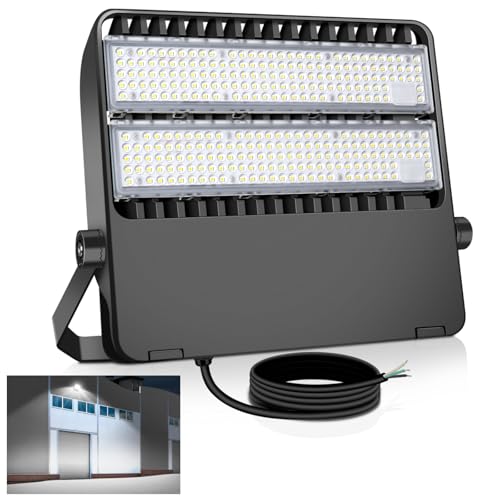
Tomourd 240W LED Stadium Light

HYPERLITE 30W Flood Lights Outdoor 2-Pack

LEPOWER 28W LED Security Flood Light
Leddictive 100W LED Flood Lights (2-Pack)

Tomourd 600W Dimmable LED Stadium Light

COLOER Cast Brass 12V Flood Light (12-Pack)
What Each Pick Brings To The Table
Twelve low-voltage spotlights, all built from die-cast brass and shipped with their own bulbs. In a typical garden, these are the fixtures I reach for when the goal is to highlight a specimen tree or wash a stone wall rather than flood the whole yard.
Each light draws 5W from a 12V transformer, so running a full set doesn’t require an electrician or a dedicated circuit. The heat-tempered curved lens and grooved housing help shed condensation, which matters more than people expect during humid summer nights.
Reasons It Performs
- Brass housing resists corrosion in coastal or rainy climates far better than aluminum.
- Low 12V draw means safer DIY installation along pathways and planting beds.
- Bundled 12-pack covers a full landscaping project without piecing sets together.
- Bulbs included, so the system is ready to wire the moment it arrives.
- Compact hood design tucks into planting beds without drawing attention during the day.
Points To Keep In Mind
- 5W per fixture is mood lighting, not security lighting; plan for accent duty only.
- Requires a separate low-voltage transformer and wiring, which adds setup time.
- Brass will develop a natural patina that some owners love and others may want to polish away.
Right Fit For
Garden owners who want to layer accent lighting along pathways and uplight trees without running high-voltage cable.
Look Elsewhere When
The LEPOWER 28W LED Security Flood Light suits anyone who needs bright, wide-area coverage for a porch or side yard instead.
This is the fixture I suggest when someone walks in saying they want to light up half a football field. It’s a true high-output flood, drawing 360W to push serious illumination across very large properties.
The wide 120° beam pattern spreads light evenly rather than throwing a narrow spotlight, which is exactly what commercial lots need. For a homeowner with acreage, this unit typically covers driveways, barns, and parking areas without needing multiple fixtures stacked together.
Standout Benefits
- Very high lumen output makes it viable for sports courts and commercial lots.
- Wide beam reduces dark corners and uneven hot spots.
- Shoe-box style housing mounts easily to existing poles or wall brackets.
- Replaces older HID fixtures with a fraction of the energy draw.
Trade-Offs To Consider
- 360W draw means this fixture belongs on a dedicated circuit, not a random outdoor outlet.
- Size and weight require a sturdy mount and ideally a professional installer.
- Overkill for a typical backyard; consider the 240W sibling for moderate coverage.
Feature Snapshot
Who It Suits Best
Property managers and sports-venue owners needing maximum lumen output for parking lots or arena lighting.
Where Another Pick Suits Better
The Tomourd 240W LED Stadium Light makes more sense for mid-size lots where 360W would be excessive.
Tomourd’s 240W stadium unit sits in a sweet spot between the residential floodlights and the flagship 360W model. I think of it as the right answer for community ball courts, mid-size parking areas, and large rural driveways.
It keeps the same wide 120° beam shape as the bigger sibling, just dialed down to a friendlier electrical load. For shoppers who don’t need 58,000 lumens but still want arena-grade spread, this is the version I’d point them toward.
The Good Stuff
- Strong lumen count without jumping to the largest wattage tier.
- Wide beam pattern reduces fixture count for most medium-scale projects.
- Shoe-box housing works on standard pole and wall mounting hardware.
- Lower draw than the 360W model simplifies wiring on existing circuits.
Where It May Fall Short
- Still requires proper mounting hardware rated for the fixture weight.
- Not dimmable like the 600W model, so output is fixed once installed.
- Coverage falls short for very large venues like full football fields.
Made For
Schools, churches, and small businesses lighting parking lots, tennis courts, or community sports areas on a sensible scale.
Skip It When
The HYPERLITE 30W Flood Lights Outdoor 2-Pack is the smarter choice for typical home garage or garden installations.
This 30W pair from HYPERLITE covers the most common residential floodlight job: lighting a garage, side yard, or driveway entrance. The 5000K daylight color reads bright and crisp without feeling harsh on the eyes.
Both units arrive with a knuckle mount that pivots smoothly, so aiming the beam down a long driveway takes about a minute. For homeowners upgrading from an old halogen flood, this kit is a refreshingly simple swap.
What Helps Most
- UL listing gives an extra layer of safety confidence for outdoor wiring.
- IP65 rating handles rain and sprinkler splash without issue.
- Knuckle and wall mount flexibility suits awkward installation angles.
- Two-pack covers both sides of a garage or a yard corner in one purchase.
Honest Caveats
- 30W per fixture limits how far the beam reaches down a long driveway.
- Daylight 5000K tone may feel clinical next to a warmer landscape scheme.
Key Attributes
Best Suited To
Homeowners who want a tidy, UL-listed two-pack for garage doors, side yards, or backyard storage sheds.
Swap It Out When
The Leddictive 100W LED Flood Lights deliver stronger output for workshop or driveway use where more punch is needed.
LEPOWER’s 28W fixture is the entry point I recommend for basic porch and doorway security. It pulls modest wattage but still throws a useful wall of light across a front stoop or small patio.
The optical filter lens softens the beam just enough to cut glare off white siding, which is a common complaint with cheaper floods. For first-time LED shoppers, this model feels like a safe, low-fuss upgrade.
What Works In Its Favor
- 28W draw keeps it compatible with most existing outdoor junction boxes.
- Soft, anti-glare lens is easier on the eyes at close range.
- Drastically lower energy use compared to old halogen floods.
- Simple mounting bracket suits first-time installers.
Minor Gripes
- Light output is suited to small zones; large yards will need more than one.
- Lacks the IP certification language of higher-tier outdoor fixtures.
Who Should Grab It
Renters and first-time homeowners who want dependable porch lighting without rewiring anything.
Reach For A Different Pick When
The HYPERLITE 30W Flood Lights Outdoor 2-Pack is a better match for shoppers who want a two-light kit with confirmed UL listing.
Each Leddictive unit houses 120 individual LEDs and pushes a confident 10,000 lumens at 6000K. For DIYers running a backyard workshop or loading dock, this pair feels purpose-built for serious task lighting.
The die-cast aluminum shell paired with a long-finned radiator is the kind of detail that pays off during long summer nights. Owners commonly report that the heat dissipation design keeps the housing cooler than cheaper plastic floods.
Everyday Wins
- 10,000 lumens per fixture handles wide driveways and outdoor work zones.
- Cool 6000K tone mimics midday sun for detail-heavy tasks.
- Die-cast aluminum body with finned radiator supports long runtimes.
- Two-pack delivers balanced left/right coverage for garages and barns.
Some Limits To Know
- 6000K color reads blue-cool and may not flatter landscaping.
- 100W per fixture requires a properly rated outdoor circuit.
Quick Technical Notes
Perfect Match For
Home workshop owners and tradespeople who need bright, daylight-tone task lighting outdoors.
Consider Something Else When
The Tomourd 600W Dimmable LED Stadium Light is the right step up for full-size sports courts and broadcast-grade projects.
This is the top-tier option in the roundup, a 600W stadium-grade unit built for serious athletic venues. The dimmable driver is the detail that elevates it, since most flood lights in this wattage range only run full blast.
A flicker-free driver and a high CRI rating make this fixture suitable for HD broadcast work, which is a niche concern but a meaningful one for schools filming games. The 270° adjustable bracket also makes aiming far easier than fixed-angle floods.
Noteworthy Benefits
- 90,000-lumen output covers very large playing fields.
- Dimmable driver supports variable event lighting and energy savings.
- Flicker-free design is friendly to cameras and video recording.
- Wide-adjustment bracket simplifies precise aiming on tall poles.
- CRI above 80 renders team colors and skin tones accurately.
Practical Considerations
- 600W draw demands professional electrical planning and dedicated circuits.
- Fixture weight and size require engineered mounting hardware.
- Overkill for residential buyers who won’t use the dimming or CRI features.
Built With In Mind
Schools, athletic clubs, and broadcast venues running full-size sport courts and competition fields.
A Better Fit Elsewhere
The Tomourd 240W LED Stadium Light covers the same beam family at a friendlier scale for community lots.
COLOER’s brass flood ships without bulbs, which sounds like a step backward until you realize it lets owners pick the exact G4 LED they want. The die-cast housing is the real draw, especially for anyone living anywhere near salt air.
Two interchangeable lenses ship in the box, so the beam can shift from a wide wash to a more focused spread depending on what the scene calls for. It’s a quietly thoughtful design choice in a category often filled with one-mode fixtures.
Points In Its Favor
- Brass construction shrugs off corrosion in coastal and humid climates.
- Swappable lenses add flexibility without buying extra fixtures.
- Twelve-pack supports whole-property projects with consistent hardware.
- Compatible with most 2W G4 LEDs for easy bulb sourcing.
What To Weigh
- Bulbs not included, so total project cost climbs once LEDs are added.
- Lower output than the higher-watt floods on this list.
Feature Card
Whose Shelf It Belongs On
Coastal homeowners and landscape designers who prioritize long-term durability over maximum lumen output.
Another Choice May Suit
The Leddictive 100W LED Flood Lights serve shoppers focused on sheer brightness over material longevity.
What Matters Before Choosing The Right Outdoor Flood Light
Wattage And Lumen Output
Wattage tells you how much power the fixture pulls from the circuit. Lumens tell you how much light it actually produces. For a residential porch or side yard, somewhere around 2,500 to 3,500 lumens usually covers the job. Driveways and workshop zones benefit from 8,000 to 10,000 lumens per fixture, and commercial lots or sports courts live in the 30,000+ lumen range. The honest read is that more lumens aren’t always better; over-lighting a small garden washes out the landscape and creates glare for neighbors.
Beam Angle And Placement
Beam angle, the spread of light measured in degrees, controls how wide the beam hits the ground. Narrow beams (around 30°) act like spotlights for trees or signage. Wide beams (120° and beyond) flood open spaces evenly. I suggest picturing the area to be lit first, then picking the beam that reaches the far edge without flooding the near edge into glare.
Build Quality And Weather Rating
An IP (Ingress Protection) rating tells you how well the fixture handles dust and water. IP65 is the baseline I look for in residential outdoor floods, while IP66 or higher makes sense in coastal or sprinkler-heavy zones. Brass housings outlast aluminum in salty or humid air, though they cost more upfront.
Voltage And Wiring Approach
Low-voltage 12V systems are safer for DIY landscape installs but require a transformer. Line-voltage 120V or higher-output commercial fixtures need proper circuit planning and ideally a licensed electrician. Picking the wrong voltage tier for the installation is one of the most common oversights I see.
Key Considerations Across These Picks
Where Shoppers Go Wrong
A surprisingly common slip is buying fixtures that output far more light than the space actually needs. Over-lighting a small backyard creates harsh shadows, bothers neighbors, and wastes energy. Another frequent mistake is ignoring beam angle and assuming more lumens automatically mean wider coverage; a 50,000-lumen spotlight still leaves the sides dark. I always suggest measuring the target zone first and matching the spread to the space.
What Separates Premium From Basic
The jump from a budget flood to a premium one usually shows up in three places: housing material, thermal management, and driver quality. Premium fixtures use aluminum or brass bodies with finned heatsinks, which keeps LEDs cooler and extends their lifespan. Better drivers deliver more stable current, which means less flicker and more consistent color over years of use. For shoppers running the fixture every night, those details quietly pay for themselves.