

I spend a lot of time thinking about vehicle visibility, and blue strobe lights sit in an odd category. They’re not just for police vehicles anymore. Construction crews, volunteer responders, tow operators, snowplow drivers, and even off-road enthusiasts reach for them when they need eyes on them fast.
Choosing the right bar or beacon comes down to how and where you’ll run it. Roof size, mounting style, voltage, flash patterns, and weather sealing all matter more than raw brightness alone. I put this list together to match the right shape to the right job, so you stop guessing and start being seen.
A Side-By-Side Look

ASPL 38.5″ 78 LED Strobe Light Bar Double Side

ASPL 16.8 Inch LED Strobe Flashing Light Bar

HLauto 700A Rooftop Emergency Strobe Lights Bar 72 LED

Nilight 12LED Traffic Advisor Strobe Light Bar Blue White

Nilight 12LED Traffic Advisor Strobe Light Bar White
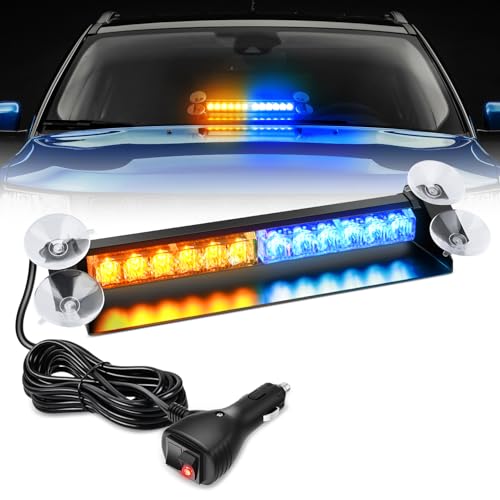
Nilight 12LED Traffic Advisor Strobe Light Bar Amber Blue

Nilight 12LED Traffic Advisor Strobe Light Bar Purple White
What Each Pick Brings To The Table
This 38.5-inch bar from ASPL stretches longer than most roof setups, and that length shows up the moment you turn it on. Front and back faces each carry six groups of high-power LEDs, so vehicles approaching from either direction catch a wall of light rather than a single point.
The magnetic base uses four reinforced magnets with thick rubber cups, which means you can drop it on a steel roof and drive without worrying every bump will knock it loose. For crews running pickups on highway shoulders or active construction lanes, that quick-mount behavior is the real reason to consider a bar this long.
Practical Pluses
- Dual-sided LED layout keeps the warning visible to trailing traffic, not just oncoming drivers.
- 78 total high-intensity LEDs hold up to daylight without looking dim against direct sun.
- Magnetic mounting lets a single person set up or remove the bar in minutes.
- Long form factor covers the width of most full-size truck roofs.
- Rubber-cupped magnets help protect the vehicle’s paint from scuffs during placement.
Things To Consider
- The 38.5-inch length won’t sit well on compact cars or short-bed trucks.
- Magnetic mounting relies on a clean, steel roof surface to grip properly.
- Owners commonly report needing to clear snow or debris from the roof before each shift.
Who It Suits Best
Tow operators, construction supervisors, and long-bed pickup drivers who run jobs in mixed traffic and want a single bar that signals presence from any angle.
Where Another Pick Suits Better
For smaller cabs or visor-mounted setups, the Nilight 12LED Traffic Advisor Strobe Light Bar Blue White is a much friendlier footprint.
ASPL’s 16.8-inch bar sits in the sweet spot for daily-driven trucks that still want real visibility. It carries 30 high-output LEDs split across the front, back, and both sides, so the warning reaches drivers approaching from any direction.
The big talking point is the 26 flash patterns, switched through a dual-button controller. That’s far more variety than most operators ever use, but it’s useful for matching local protocols or simply finding a pattern that cuts through fog, rain, or sun glare on your specific route.
The Case For It
- 26 patterns give flexibility for different traffic conditions and regional preferences.
- Compact 16.8-inch frame fits mid-size pickups and trailer tongues without overhang.
- Side-mounted LED groups extend visibility to intersections and angled views.
- LED lifespan rated up to 50,000 hours for long-term fleet use.
- Magnetic base removes cleanly when the bar isn’t needed.
Worth Noting
- 26 patterns can feel like overkill for crews who only need one or two modes.
- Magnetic grip is weaker on aluminum bodies or curved rooflines.
- Cable routing to the cab may require extra zip ties or trim clips for a tidy install.
Made For
Mid-size truck drivers and trailer operators who want a balance between visibility, footprint, and the ability to cycle through patterns as conditions change.
A Better Fit Elsewhere
For drivers who need a slimmer, lower-profile bar for a visor or grille, the Nilight 12LED Traffic Advisor Strobe Light Bar Amber Blue slides in more cleanly.
The HLauto 700A is the bar I think about when weather gets ugly. Its ABS housing and IP68 water-resistant rating mean rain, road spray, or even a pressure-wash at the end of a shift won’t end the conversation.
With 72 high-intensity LEDs and a clear lens designed for 360-degree coverage, the throw is strong enough to read at roughly 1,500 feet in daylight. For snowplow operators, contractors working through coastal storms, or anyone running a 12V to 24V system, that kind of reach and sealing makes a real difference.
Notable Gains
- IP68 sealing handles heavy rain, slush, and wash-down cleaning without issue.
- ABS housing resists impact from branches, ice, and minor curb contact.
- 360-degree lens layout eliminates dark zones around the bar.
- Daylight visibility reaches a useful distance for highway-speed traffic.
- Works with both 12V and 24V electrical systems for fleet flexibility.
Trade Offs
- Heavier housing adds weight that smaller magnets struggle to anchor.
- Size may crowd short rooflines on compact work vans.
- Mounting hardware typically requires a flat, steel surface for a secure hold.
Best Suited To
Snowplow fleets, contractors, and rural operators who run through all four seasons and need a sealed, all-weather roof bar.
Skip It When
For a lighter, lower-profile everyday warning on a sedan or small SUV, the Nilight 12LED Traffic Advisor Strobe Light Bar White fits without overhang or mounting strain.
This Nilight traffic advisor is the smallest bar in the roundup, and that scale is its strongest pitch. It slots into visor mounts, behind grilles, or along rear windows where a full-size roof bar simply won’t fit.
The blue-white color split reads as a clear hazard signal, and the 12 LEDs are bright enough to punch through tinted glass. It’s a sensible pick for security vehicles, volunteer responders, or anyone running a personal warning setup in a regular car.
Where It Delivers
- Compact size opens mounting locations a roof bar can’t reach.
- Blue-white color pairing reads strongly through tinted windows.
- Lower current draw suits smaller electrical systems.
- Easy to remove or reposition when the vehicle isn’t in service mode.
- Lightweight design avoids strain on visor clips or suction mounts.
Honest Caveats
- 12 LEDs can’t match the daylight throw of the ASPL or HLauto roof bars.
- Best for lower-speed environments rather than highway shoulder work.
- Visor mounting can bounce slightly over rough pavement.
Who Should Grab It
Security drivers, volunteer first responders, and personal-vehicle users who want a discreet, easy-to-stow warning bar.
Reach For A Different Pick When
For highway-speed visibility on a full-size truck, the ASPL 38.5″ 78 LED Strobe Light Bar Double Side offers far more throw.
The all-white version of the Nilight traffic advisor is the cleanest-looking bar in this lineup. Single-color output keeps the warning signal unmistakable, with no competing tones pulling the eye in different directions.
It’s a strong match for work-site identification where a steady white strobe marks a service vehicle or flagging station. Mount it inside the cab, on a dashboard, or under a roof rack, and it disappears visually when powered down.
Features That Help
- Single-color output reads as a clean, focused warning signal.
- Low profile tucks neatly inside the cab without blocking sightlines.
- Compatible with 12V to 24V systems across most light-duty vehicles.
- Works well as a secondary or interior warning light.
- Easy to pair with a second Nilight bar for layered signaling.
Points To Note
- White output doesn’t carry the same authority as blue or amber in some regions.
- 12-LED count limits daylight range on open highways.
- Cable management may need attention in clean interior installs.
Perfect Match For
Work-site crews and service drivers who want a tidy interior or exterior light that identifies their vehicle without a busy two-color flash pattern.
Swap It Out When
For a stronger highway reading, the HLauto 700A Rooftop Emergency Strobe Lights Bar 72 LED offers far greater daylight reach.
Amber and blue together is the color combination most people picture when they think of a tow truck or recovery vehicle, and this Nilight bar leans straight into that familiarity. It’s compact, easy to wire, and reads instantly as “service vehicle ahead.”
I think of this as a daily-driver pick for independent operators. It’s not built to cover a long stretch of highway shoulder, but for neighborhood routes, parking lots, and event work, it handles the job without overcomplicating the install.
Positive Points
- Amber-blue combo carries instant recognition for tow and recovery work.
- Compact shape suits sedans, SUVs, and light trucks.
- Quick wiring makes it approachable for first-time installers.
- Affordable entry point for solo operators building out a service vehicle.
Possible Compromises
- Lower LED count than larger roof bars means shorter daylight range.
- Color combination may carry legal restrictions in some jurisdictions.
- Not designed for sustained highway-speed operation.
Built With In Mind
Independent tow operators, roadside assistance drivers, and small-fleet service techs who want an approachable, recognizable warning bar.
Look Elsewhere When
For a full roof bar with longer throw on a work truck, the ASPL 16.8 Inch LED Strobe Flashing Light Bar offers more LED coverage and pattern variety.
The purple-white version of the Nilight traffic advisor is the most distinctive color pairing in this list. It’s not a configuration you’d pick for emergency response, but it has real appeal for parade vehicles, event work, off-road builds, and themed fleets.
It runs on the same 12-LED chassis as its siblings, so installation and footprint mirror the rest of the Nilight traffic advisor family. For someone adding personality to a show car or event truck, the unusual color combo does the talking.
Noteworthy Benefits
- Purple-white pairing stands out at car meets and event venues.
- Same compact chassis as the other Nilight traffic advisors.
- Lightweight design mounts with simple hardware.
- Easy to remove and store between events.
Less-Strong Areas
- Purple tones don’t read as a recognized emergency color in most regions.
- Limited daylight reach compared to full roof bars.
- Not suited for professional response or work-site signaling.
The Right Fit
Show car owners, parade participants, and event organizers who want a distinctive accent light rather than a functional warning bar.
Another Choice May Suit
For a serious work bar with serious reach, the ASPL 38.5″ 78 LED Strobe Light Bar Double Side serves actual job-site visibility far better.
Picking The Right Blue Strobe Light For Your Setup
Match The Bar Length To The Vehicle
A long roof bar like the 38.5-inch ASPL only earns its keep when there’s enough steel roof to anchor it. Mid-size trucks do well with 16-inch bars, while compact cars and visors need the smaller Nilight traffic advisors. Measure the roof or planned mount point before chasing LED count.
Think About Voltage And Electrical Load
Most strobe bars on this list run on 12V to 24V systems, which covers everything from a sedan to a heavy-duty work truck. Still, check your vehicle’s electrical capacity, especially when adding a magnetic bar to an older truck whose alternator is already working hard.
Decide On Mounting Style
Magnetic mounting trades permanence for portability. Permanent bolt mounts feel more secure but require drilling and weather sealing. Suction and visor mounts suit personal vehicles but won’t survive highway speeds. Match the mount to how often you’ll swap the bar on and off.
Consider Color Legality In Your Area
Blue, red, and amber colors carry different legal meanings depending on state and local rules. White strobes tend to be the most permissive, while certain blue patterns are reserved for emergency vehicles. Always confirm local regulations before installing any warning light on public roads.
Quick Considerations Before You Buy
Pitfalls Shoppers Hit
The most common mistake is buying the longest bar possible without checking the mount surface. Magnets need clean, flat steel to grip properly, and a long bar on a curved or aluminum roof is a recipe for sliding at highway speeds. Another trap is assuming more LEDs always means more visibility; lens clarity, housing sealing, and flash pattern choice affect real-world throw just as much as raw diode count.
Where The Extra Money Goes
Stepping up to a sealed, full-size roof bar like the HLauto 700A buys you IP-rated weather protection, heavier-duty housing, and broader voltage compatibility. For year-round fleets and highway work, that upgrade pays off through fewer replacements and steadier performance. For a personal vehicle running a light bar a few weekends a year, a smaller traffic advisor handles the job at a fraction of the cost.
Frequently Asked Questions
Are blue strobe lights legal for civilian vehicles?
Blue strobe lights are restricted in most U.S. states and are generally reserved for emergency and law enforcement vehicles. Always check your state and local regulations before installing any blue warning light on a personal vehicle.
How far can a strobe light be seen during the day?
Daylight visibility depends on LED count, lens clarity, and weather conditions. Larger bars like the HLauto 700A are designed to read at roughly 1,500 feet in daylight, while smaller traffic advisors are usually readable at much closer distances.
What’s the difference between magnetic and permanent mounting?
Magnetic mounting lets you place or remove the bar in minutes without modifying the vehicle, which suits leased or shared trucks. Permanent bolt mounting offers stronger security and is better for full-time fleet use, but it requires drilling and weatherproofing.
Can strobe lights drain a vehicle battery?
Any 12V accessory left running while the engine is off will drain the battery over time. Magnetic strobe bars draw noticeable current, so wiring them through a switched ignition source or disconnecting them when parked helps avoid a dead battery.
Do strobe light bars need maintenance?
Routine care is light but worth doing. Wipe down the lens regularly to keep output strong, check the mounting surface for debris, and inspect the wiring for chafing or loose connectors, especially after winter driving or off-road use.
Wrap Up
The right blue strobe light comes down to where you’ll mount it, how often you’ll use it, and what your local rules allow. Roof bars earn their keep on full-size work trucks, while compact traffic advisors fit neatly into personal vehicles. Pick the shape that matches your setup, and the visibility will follow.