

I’ve installed more strip lights than I care to count, from tight under-cabinet runs to full bedroom perimeters. The right automatic LED strip lights transform a room without rewiring anything, and the wrong ones flicker, fall, or leave dotty hotspots on your wall. I put together this list for homeowners, renters, and weekend DIYers who want clean, modern lighting without paying electrician rates or fighting sticky adhesive at midnight.
A Snapshot Of The Selections

Maxxima 36 in. Hardwired LED Under Cabinet Strip Light 1380 Lumens
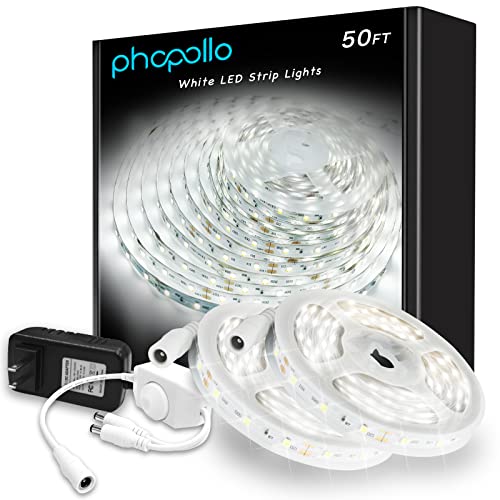
phopollo White LED Strip Lights 50ft Dimmable 6500K
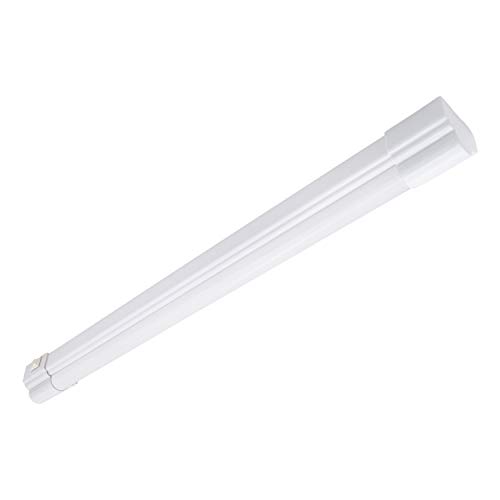
Maxxima 18 in. LED Under Cabinet Light 900 Lumens

Maxxima 72 in. Hardwired LED Under Cabinet Strip Light 2760 Lumens

PAUTIX Warm White LED Strip Light 24V COB 16.4ft
phopollo White LED Strip Lights 25ft Dimmable 6500K

phopollo White LED Strip Lights 100ft Dimmable 6500K

Aclorol WiFi 5-in-1 LED Strip Controller
A Closer Look At Each Pick
This 36-inch Maxima unit slides neatly beneath most upper cabinets and disappears into the trim once mounted. At 1380 lumens with a 3000K warm-white tone, it leans into the cozy side of the spectrum rather than the clinical one, which most home cooks seem to prefer.
Hardwiring means no visible cord or brick adapter, but the trade-off shows up during installation: you need an existing junction box or a willingness to route cable through the cabinet back. For a single above-the-sink run, that’s a half-day project for a confident DIYer. It’s the cleanest look of the bunch for permanent kitchens.
What Stands Out
- Slim profile that tucks into tight cabinet reveals
- 1380 lumens comfortably lights a 3-foot counter zone
- 3000K warm white flatters wood tones and skin tones at the stove
- Hardwired setup removes the wall-wart clutter common with plug-in strips
Worth Bearing In Mind
- Not dimmable, so adding ambiance means swapping fixtures
- Hardwired install demands basic electrical comfort or a handyman
- On long runs, users often report stepping up to the 72-inch sibling for unbroken coverage
Key Product Details
Made For
Homeowners renovating a kitchen who want a permanent, hardwired look and don’t need dimming.
Consider Something Else When
Renters or first-time installers should look at the phopollo 50ft option instead, since it sticks on without rewiring.
Where the Maxima unit leans warm, this phopollo roll goes the other way: a 6500K daylight color temperature that wakes up dark corners and reads as crisp white on walls and mirrors. The 50-foot length covers a full bedroom ceiling perimeter or one long vanity mirror with room to spare.
Six dimming levels, set through a control box rather than an app, keep things simple. The double-sided adhesive backing mounts in minutes without drilling, which matters in rentals where patching holes comes out of the deposit. Most DIYers I know finish a single-room install in under an hour.
What Pays Off
- 6500K daylight reads cleaner than warm strips near makeup mirrors
- Six brightness steps give honest flexibility without app fuss
- Cuttable design fits odd cabinet or alcove lengths
- Sticky backing speeds up installs in tight timelines
Small Caveats
- Adhesive can struggle on textured or dusty walls without prep
- Control box lacks memory, so it forgets dim level after power cycling
- 6500K reads blue-cool in a room already lit by warm bulbs
Right Fit For
DIYers lighting a vanity, staircase, or workshop space who want bright daylight and a no-tools install.
Look Elsewhere When
Bedroom-first setups read more relaxing on the PAUTIX COB strip with its 3000K warmth.
This is the strip I reach for when the cabinet section is short or the workspace is narrow. At 18 inches and 900 lumens, it pours a focused warm-white wash over a desk alcove, a closet shelf, or the section beside the range hood where its bigger 36-inch sibling would be overkill.
Like its larger cousins in the Maxxima line, the 3000K tone keeps things comfortable rather than clinical. The catch shows up when you try to chain several units: this model is designed to stand alone, so multi-piece kitchen runs often end up requiring the 36- or 72-inch versions instead.
Notable Upsides
- Compact 18-inch footprint fits narrow cabinets and bookshelves
- 900 lumens handles focused task lighting on small zones
- Warm 3000K color avoids the blue cast common to cheaper strips
Points To Keep In Mind
- Short length forces multiple units for longer counter runs
- No dimming function on this specific model
- Wiring pathway matters since the unit is hardwired
Feature Snapshot
Built With In Mind
People lighting a single small zone, like a desk nook or above the coffee bar, who don’t need full counter coverage.
Skip It When
Whole-counter installations are better served by the Maxxima 36 in. hardwired unit or the 72 in. version for unbroken runs.
This 72-inch Maxima is the workhorse of the line. At 2760 lumens and 36 watts, it covers an entire run of upper cabinets without seams, which matters when you’re cooking and don’t want light-and-shadow breaks every 18 inches.
The 3000K warm tone matches the smaller Maxima siblings, so mixing lengths along an L-shaped kitchen stays color-consistent. Hardwiring again means a permanent install rather than a renter-friendly swap, but the seamless look is genuinely worth the extra work for a full renovation.
Where It Excels
- One-piece 72-inch run eliminates visible joints
- 2760 lumens handles whole-counter task lighting without help
- Matches color temperature of other Maxima units for mixed installs
- Hardwired body keeps surfaces visually clean
Trade Offs
- 36-watt draw runs hotter than the 18-watt 36-inch version
- Non-dimmable, so ambiance control requires separate fixtures
- Long body is awkward for short cabinet sections
Who Should Grab It
Full-kitchen renovators who want unbroken, high-output lighting on a long cabinet wall and can hardwire it in.
A Better Fit Elsewhere
Tight galley kitchens with short cabinets may find the Maxxima 36 in. hardwired strip easier to fit without leftover overhang.
COB (Chip On Board) technology is the detail that sells this PAUTIX strip. Instead of visible LED dots every inch or so, COB packs many small chips along the same PCB, producing a continuous, dot-free wash of light. On walls and ceilings, that’s the difference between “looks like lighting” and “looks like a glowing line.”
The 16.4-foot reel runs at 24V, with a remote that handles dimming and a built-in timer for bedtime routines. For most bedrooms, that’s a tidy one-roll install along a headboard or crown molding.
Noteworthy Benefits
- COB design removes the visible “dots” typical of cheaper strips
- 24V system runs cooler and longer than 12V budget reels
- Remote handles dimming plus a sleep timer function
- 3000K warm tone reads calm in bedrooms and living rooms
Honest Caveats
- Shorter 16.4-foot roll than the phopollo options for big rooms
- Remote-only control, no app or smart-home integration out of the box
Quick Facts
Perfect Match For
Bedroom accent lighting where the dot-free glow matters more than sheer length or smart-home integration.
Swap It Out When
Whole-home coverage calls for the phopollo 100ft two-roll set, which trades dot-free for sheer reach.
This 25-foot phopollo reel is the friendliest option for short-term living spaces. The double-sided adhesive sticks to most clean surfaces, peels off cleanly with a bit of patience, and doesn’t require tools, drills, or holes in a landlord’s wall.
Compared to its 50-foot sibling, this is a tighter roll, ideal for a single vanity, kitchenette, or hallway edge. Six dimming levels through the inline control box let you tune the daylight 6500K tone down for evening use, though it will always lean cool.
Well-Handled Touches
- 25-foot length fits smaller rooms without leftover waste
- Adhesive install leaves no screw holes for renters
- Cuttable for custom cabinet or alcove dimensions
- Six dim steps offer modest mood control
Where It May Fall Short
- Control box lacks memory for last-used brightness
- Cool daylight tone clashes with warm incandescent rooms
- Adhesive can lift in humid kitchens over time without reapplication
Whose Shelf It Belongs On
Apartment dwellers and renters who need peel-and-stick lighting without modifying the space.
Reach For A Different Pick When
Whole-home installs benefit from the phopollo 100ft two-roll version, which covers multiple rooms on one set.
This two-roll 100-foot phopollo set is built for whole-home projects. Each roll handles a separate room or section, which is more useful than a single 100-foot reel, since most doorways interrupt the run anyway.
1800 LEDs across both rolls push a strong 6500K daylight tone, and the cuttable design lets you trim each strip to exact cabinet or alcove lengths. Same six-level dimming control as the smaller phopollo options, so consistency across rooms is easy to maintain.
The Upside
- Two separate rolls let you wire around doorways cleanly
- 100 total feet covers most apartments in one purchase
- Same control scheme across the phopollo line keeps things simple
- Cuttable sections fit odd-length cabinet runs
Things To Consider
- Two rolls mean two control boxes cluttering nearby outlets
- Daylight 6500K reads harsh in cozy living areas without balance
- More adhesive surface to clean up at move-out than a 25-foot roll
Best Suited To
Whole-home DIYers planning to light multiple rooms on the same weekend with consistent cool-white output.
Not Your Match When
Single-room renters should start smaller with the phopollo 25ft version and add rolls only if needed.
The Aclorol isn’t a strip; it’s a controller. That distinction matters if you already have LED strips installed and want to retrofit them with smart-home control. PWM (Pulse Width Modulation) dimming keeps the light smooth rather than stepped, which cheaper controllers sometimes get wrong.
WiFi connectivity through Tuya and Smart Life apps means voice control via Alexa or Google Home without buying extra hubs. The 5-in-1 label refers to compatibility with single-color, CCT, RGB, RGBW, and RGBCCT strip types, so it survives most strip changes down the road.
Useful Highlights
- One controller handles five common strip types
- App control via Tuya and Smart Life ecosystems
- Voice integration with Alexa and Google Home
- Works with low-voltage 5V to 24V DC strips
Points To Note
- Does not work with addressable strips like WS2812B or SK6812
- Requires an existing strip and power supply to function
- WiFi setup needs patience for first-time Tuya users
Technical Reference
Who Will Love This
Smart-home tinkerers with installed non-addressable strips who want app and voice control without rewiring.
Where Another Pick Suits Better
People starting from scratch should pick a strip from this list first, then add the Aclorol later if they want smart features.
What To Weigh Before Choosing Automatic Led Strip Lights
Brightness vs. Room Size
Lumens describe how much visible light a strip puts out, and the right number depends on the room’s job. Task-heavy kitchens benefit from 1000+ lumens per running foot, while bedroom accent lighting often looks better between 200 and 400 lumens per foot. I tend to over-light kitchens and under-light bedrooms, then rebalance the next weekend.
Color Temperature And Mood
Color temperature, measured in Kelvin (K), shifts the feel of a space. 3000K sits in the warm-white range and flatters wood, food, and skin tones. 6500K pushes toward cool daylight, which helps with detail work and reading but can feel sterile in a living room. Matching existing fixtures keeps the room visually unified.
Power Source And Install Method
Hardwired strips, like the Maxxima units, disappear into cabinetry but require electrical access. Adhesive-backed strips mount in minutes and reverse without wall damage, which renters love. Either approach can look clean, but the install path determines which one is realistic in your space.
Smart Features And Control Style
A strip with a basic inline dimmer covers most people’s needs, but WiFi controllers like the Aclorol unlock app scheduling and voice control. Smart features add setup time and a small reliability tax, since WiFi devices occasionally drop off networks. For most households, that trade-off is fine; for guest rooms or rarely used spaces, plain strips usually win.
Picking The Right Match From This List
Wrong Turns To Avoid
Buying too bright. Strip lights that look calm on a screen blast out far more light than expected once installed, especially in smaller rooms. Halve your lumen estimate and add dimming if available, rather than starting high.
Ignoring the driver or power supply. Strips that run on 24V behave differently than 12V budget rolls, and voltage drop shows up as dim tail-ends on long runs. Match the driver rating to the strip length before mounting anything.
Overlooking adhesive prep. Adhesive-backed strips fail fastest on dusty, oily, or textured surfaces. A quick wipe with isopropyl alcohol and a fully cured, dry wall makes the difference between a strip that lasts years and one that peels in a month.
Where The Extra Money Goes
Higher-tier strips earn their keep in three places: LED density, color accuracy, and build quality. COB designs like the PAUTIX reel hide the dot pattern that cheaper SMD strips can’t, which reads as a more premium glow on walls and ceilings. Better binning (the manufacturer sorting LEDs for consistent color) prevents the patchy yellow-blue sections that show up on bargain reels.
The extra spend makes sense when the strip is highly visible, like a headboard or open living-room ceiling. For hidden closet or garage runs, the budget tier usually looks identical to the human eye once installed.
Frequently Asked Questions
What are automatic LED strip lights used for?
They’re flexible circuit boards with surface-mounted LEDs, typically used for accent lighting under cabinets, behind TVs, along ceilings, or inside closets. The “automatic” framing usually refers to motion-sensor or app-controlled versions that turn on without a manual switch.
Can I cut LED strip lights to size?
Most adhesive-backed strips include marked cut points every few inches, allowing safe trimming with scissors. Hardwired under-cabinet fixtures don’t cut down the same way; they’re sold in fixed lengths and chosen by measurement instead.
Do LED strip lights need a separate power supply?
Plug-in strips include their own adapter. Hardwired strips route into a junction box and need a compatible low-voltage driver. Smart controllers like the Aclorol also need a driver matched to your strip’s voltage.
Are LED strip lights safe to leave on all night?
Modern LEDs run cool enough that overnight use is common, though running any light continuously shortens its lifespan. A timer or smart schedule, which the PAUTIX strip includes, helps reduce wear without much thought.
How long do LED strip lights typically last?
Quality strips are often rated for 25,000 to 50,000 hours of use, which translates to a decade or more in normal household settings. Heat, voltage mismatch, and adhesive failure tend to cut that lifespan short long before the LEDs themselves wear out.
Wrap Up
The best pick depends on the room you’re lighting and how permanent you want the install to be. For under-cabinet task lighting, the Maxxima hardwired units look cleanest and last longest. For renter-friendly accent strips, the phopollo rolls stick and remove without damage. For bedrooms and accent walls, the PAUTIX COB strip’s dot-free glow is worth the small premium. Whichever you choose, measure twice, clean the surface, and plan the power source before you peel the adhesive backing.