
Lumens Vs Kelvins: Brightness vs Color Difference
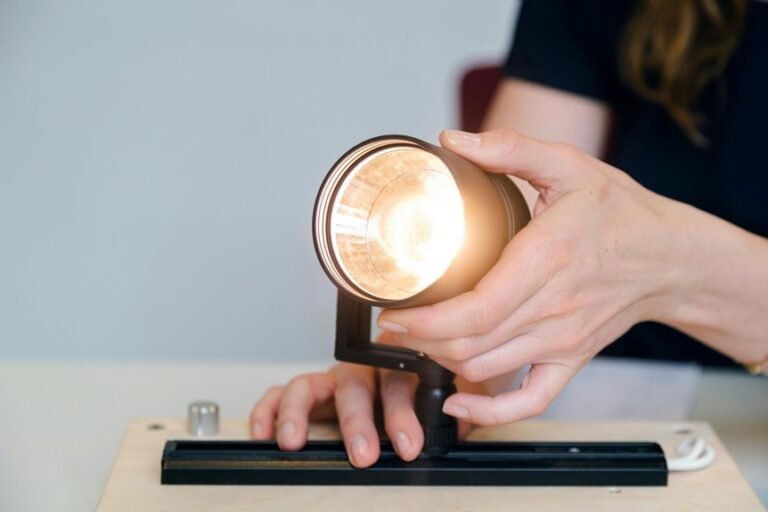
Learn how lumens and kelvins shape brightness and color so you pick bulbs that make bedrooms cozy or kitchens crisp with confidence.


Learn how lumens and kelvins shape brightness and color so you pick bulbs that make bedrooms cozy or kitchens crisp with confidence.

Learn why lumens measure light output and lux measures light on a surface so you can eliminate dark spots and optimize lighting in warehouses, parking lots, and fields.
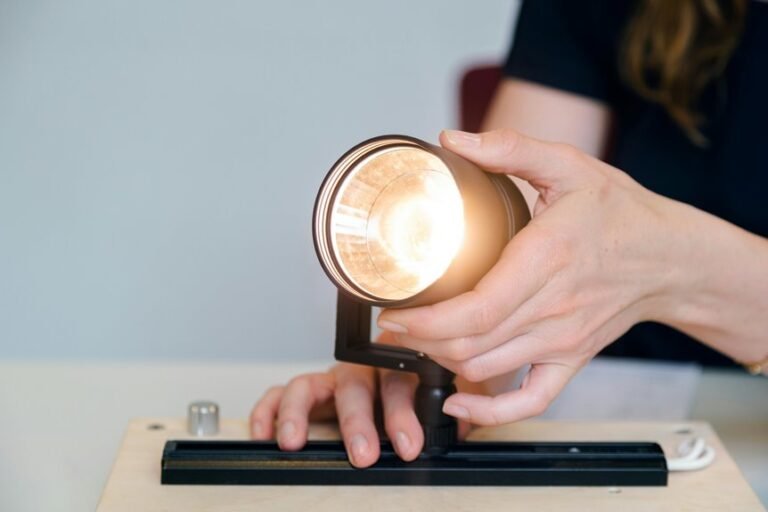
Discover how bright 1000 lumens really is in a bedroom, office, or small room, and learn what affects the light so you can choose the right setup with confidence.
Discover how lumens and nits actually affect perceived brightness so you can choose the right projector or display for your room and viewing habits.
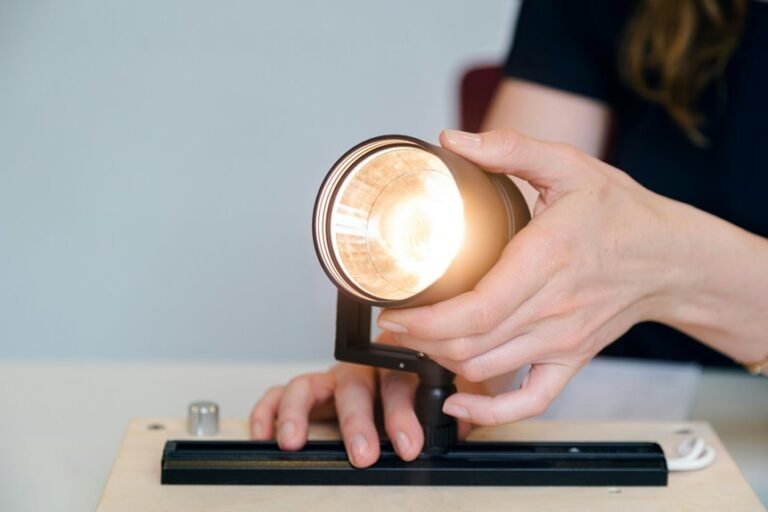
Discover how bright 10000 lumens really is and what it can do in a garage, workshop, or jobsite. Learn how beam angle, height, and optics affect whether you get broad coverage or harsh glare.

Make neon livable with intentional glow tips: place a sign or LED, pair with clean walls and dark bases, and use accents to make your space pop and feel calm.
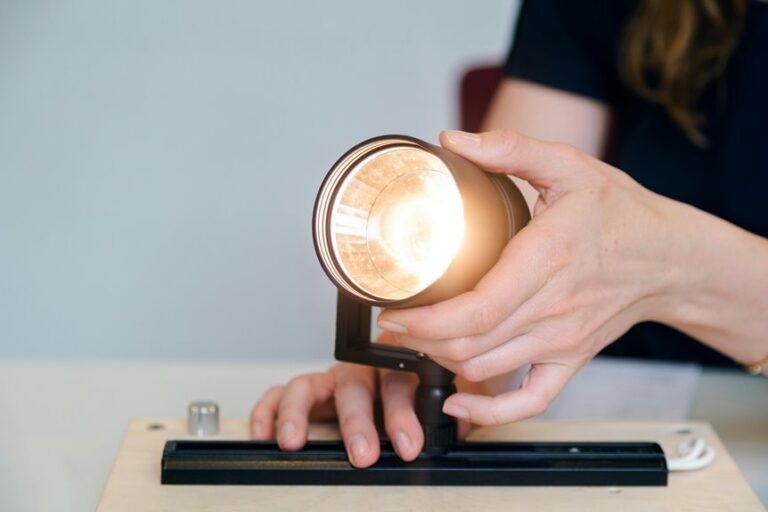
Wondering how bright 1100 lumens really feels indoors? Learn how this light compares to a 75 to 80W bulb and what it means for small rooms, larger spaces, and everyday comfort.
Curious if a Himalayan salt lamp is worth it? Get a clear, practical take on its cozy glow, upkeep, safety, cost, and which claims are real vs hype.
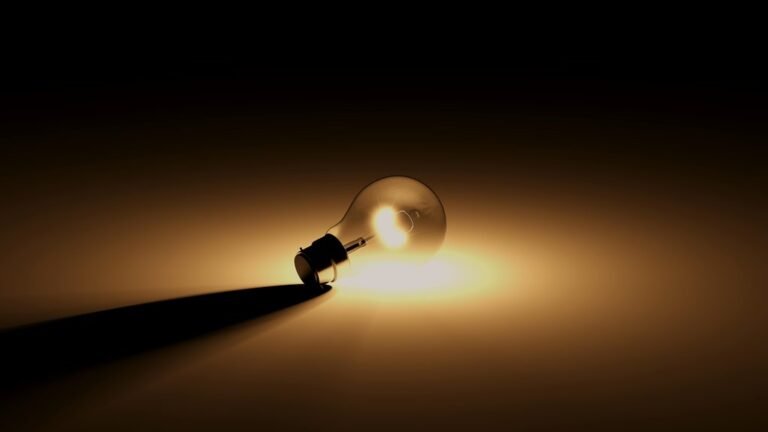
Twelve lumens gives off a very dim glow, enough to mark a path, doorway, or handle while preserving night vision, but not enough for reading or detailed tasks.

Find the perfect bulb fast with a simple lumens chart that matches brightness to rooms, tasks, color temperature, and dimming for a home that fits you.